Risk reduction techniques in the design of LNG fuel supply systems are very important for making sure that operations are safe, that the system doesn't harm the environment, and that it works economically in both marine and industrial settings. For the LNG Fuel Supply System to work well, it needs to be designed with thorough risk assessment processes that cover all possible dangers, from handling cryogenic materials to automated system failures. These strategies include organized methods like multiple safety features, cutting edge monitoring technologies, and strict material selection processes that work together to lower operations risks and improve system performance and reliability.
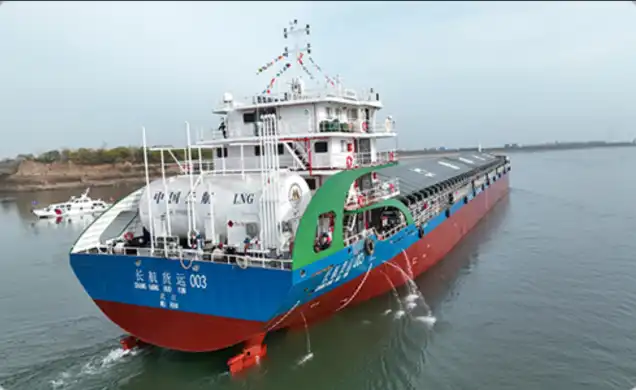
Understanding Risks in LNG Fuel Supply System Design
Understanding marine operators' various risk landscapes is essential to designing reliable fuel gas supply systems. Liquefied natural gas's unusual qualities require particular engineering and safety standards.
Marine Application Technical Risk Categories
Multiple forms of fuel gas supply system technical concerns might affect vessel operations. Material compatibility is a major concern since cryogenic temperatures can make conventional materials brittle and fail abruptly. Thermal stress concentrations at connection points and valve assemblies must be considered during system design.
Gas leak detection and prevention systems must address visible and unseen gas discharges that could be dangerous. Advanced monitoring systems can detect even minor system anomalies in real time, allowing staff to intervene before safety concerns occur.
Operating and Environmental Risks
Environmental considerations greatly impact maritime system performance and safety margins. Wave motion, temperature changes, and salt spray create stress patterns that land-based systems never experience. Design and protection must be tailored to these conditions.
Operating faults are still a concern, especially during fuel transfer and system maintenance. Control system design must incorporate human factors engineering to reduce operator errors during essential processes.
Core Components and Safety Features Safeguarding Systems
Modern LNG fuel supply systems use advanced components to withstand harsh marine conditions. Each component provides unique functions and redundant system protection.
Essential System Design and Components
Reliable fuel supply operations depend on storage tank systems, which require specific insulation and pressure management. Pressure regulation equipment optimizes operating parameters across load demands, while advanced vaporization systems supply fuel consistently regardless of environmental conditions.
Pipelines have emergency isolation valves, pressure relief systems, and leak detection sensors strategically placed throughout the petroleum distribution network. These parts provide complete system failure prevention.
Advanced Safety and Monitoring Systems
Modern safety systems mitigate risk with cutting-edge technology. Automatic leak detection systems use numerous sensing technologies to spot issues before they become major incidents. Emergency shutdown systems can isolate system sections in seconds after identifying anomalies.
Remote monitoring allows shore-based technical support staff to assess system performance data in real time and advise vessel crews. Operations patterns are analyzed by predictive maintenance algorithms to detect components that need maintenance before failure.
Comparative Analysis: LNG Fuel Supply Systems vs. Traditional Fuel Systems
Evaluating fuel system alternatives requires comprehensive analysis of performance characteristics, safety profiles, and operational requirements. Each technology offers distinct advantages and considerations that influence procurement decisions for specific vessel types and operational profiles.
Environmental and Efficiency Advantages
LNG fuel supply systems deliver substantial environmental benefits compared to conventional diesel alternatives. Emission reductions include significant decreases in particulate matter, nitrogen oxides, and carbon dioxide output, supporting compliance with increasingly stringent international environmental regulations.
Fuel efficiency improvements translate directly into operational cost savings over vessel lifecycles. Enhanced combustion characteristics enable engines to operate more efficiently across varying load conditions, reducing overall fuel consumption and operating expenses.
Economic Considerations and Lifecycle Analysis
Investment analysis must consider both initial capital requirements and long-term operational economics. While gas fuel systems typically require higher upfront investments, operational savings and regulatory compliance benefits often justify these costs over vessel lifespans. Maintenance requirements differ from traditional systems but modern designs minimize complexity through integrated monitoring and diagnostic capabilities.
Fuel availability and bunkering infrastructure continue expanding globally, reducing logistical concerns that previously limited gas fuel adoption. Regional variations in fuel pricing and availability patterns influence route-specific economic calculations for vessel operators.
Best Practices for Risk Mitigation in Design and Maintenance
Implementing comprehensive risk mitigation strategies requires adherence to established industry standards while incorporating innovative technologies and operational procedures. Successful programs integrate design excellence with proactive maintenance approaches.
International Standards and Certification Requirements
Safe system operation requires international maritime standards compliance. Classification societies demand system designs to fulfill strict safety standards, while regulatory frameworks set minimum operational standards for vessel crews and shore support staff. Quality management systems for design, manufacture, and installation ensure requirements are met. Audits and certification renewals ensure system compliance across lifecycles.
Maintenance Protocols and Predictive Analytics
Modern maintenance systems encourage proactive failure prevention rather than reactive problem solving. Scheduled inspections identify flaws during planned repair windows, reducing operating disruptions and safety hazards. Operations data is analyzed by data analytics platforms to discover problems. These insights allow maintenance personnel to fix faults during convenient maintenance periods rather than vital operations.
LNG Fuel Supply System Procurement: Selecting the Right Solution and Partner
Successful procurement outcomes depend on comprehensive evaluation of potential suppliers and their ability to deliver complete solutions that meet specific operational requirements. The selection process of LNG fuel supply systems must balance technical capabilities with commercial considerations and long-term support commitments.
Supplier Evaluation Criteria and Partnership Considerations
Supplier evaluation includes technological expertise, production capability, and worldwide service networks. Marine application experience shows grasp of vessel operational and environmental challenges. Long-term operational performance depends on after-sales assistance. Suppliers offering spare parts, technical support, and staff training add value beyond system delivery.
Innovation Leadership and Technology Maturity
Supplier technology portfolios range in system maturity, safety advancements, and development roadmaps. Leading vendors invest constant research and development to improve industry capabilities while keeping backward compatibility with existing installations. Partnerships allow providers to optimize and upgrade technology alongside vessel operators throughout system lifecycles, improving performance.
CM Energy's Advanced LNG Fuel Supply System Solutions
CM Energy, operating under the TSC brand, represents a trusted global supplier specializing in advanced fuel gas supply systems tailored for marine and industrial clients. Our commitment to risk-informed system design incorporates industry-leading safety features and compliance with international maritime standards.
Proven Technology and Operational Excellence
Our self-developed and built low-pressure systems have performed reliably in vessel operations for over a year in harsh marine settings. TSC packages complete tank solutions to fit customer needs by installing system equipment and piping in tank cool boxes for space-saving, safe, and dependable solutions.
Through strategic collaborations with major engine manufacturers, we provide high-pressure and low-pressure system solutions. MAN helps us design and provide high-pressure fuel gas supply systems tailored for innovative engine technologies, while our low-pressure solutions serve otto-cycle gas engines with pressure requirements under safety thresholds.
Complete Service and Support Portfolio
Our comprehensive service strategy includes design, manufacture, installation, and system support. Experience designing and building dual-fuel liquefied gas carriers and chemical tankers provide comprehensive understanding of marine operational requirements.
Comprehensive certification methods verify system performance and safety, while quality control systems ensure international requirements are met. Our global service network provides local support and centralized technical expertise for complex system optimization.
Conclusion
For risk reduction methods to work in LNG fuel supply system design, they need to take into account all the technical, operational, and environmental issues that come up in marine settings. To make implementation work, it's important to strictly follow international standards, use cutting-edge safety technologies, and work with experienced suppliers who know how to meet the specific needs of marine operations. As marine fuels become cleaner, intricate technical solutions are needed to balance safety, performance, and cost factors while also meeting global environmental goals and legal requirements.
Questions People Ask Often
Q1: What are the most important safety features in modern devices that supply fuel gas?
A: Important safety features include automatic systems for finding leaks, the ability to shut down in an emergency, two sets of pressure release valves, and the use of high-tech materials that can handle working in cryogenic temperatures. When these systems work together, they offer full protection against possible safety issues.
Q2: How does the design of a system affect the long-term costs of running a ship?
A: Good design cuts down on unplanned maintenance and downtime while also getting the most out of fuel efficiency in a variety of operating circumstances. Predictive maintenance methods that lower lifecycle costs and increase system uptime are made possible by advanced monitoring tools.
Q3: When choosing system suppliers, what should buying managers put first?
A: Some important things to look for in a provider are certifications, track records in marine applications, full after-sales support, technical leadership in innovation, and a global service network coverage. Suppliers' long-term dedication to marine markets and their ability to keep their finances stable also play a role in the selection process.
Partner with CM Energy for Advanced LNG Fuel Supply System Solutions
CM Energy invites marine industry professionals to explore our comprehensive fuel gas supply system solutions designed specifically for demanding maritime applications. Our proven technologies, backed by extensive operational experience and comprehensive support capabilities, deliver the reliability and safety performance that modern vessel operations require. As a leading LNG Fuel Supply System manufacturer, we understand the unique challenges facing today's marine operators and provide tailored solutions that address specific operational requirements while meeting stringent international safety standards. Contact us at info.cn@cm-energy.com to discuss your project requirements and discover how our advanced engineering capabilities can enhance your vessel operations.
References
1. International Maritime Organization. "International Code of Safety for Ships using Gases or other Low-flashpoint Fuels (IGF Code)." Maritime Safety Committee, 2016.
2. Society of Naval Architects and Marine Engineers. "Guidelines for LNG Fuel Gas Supply Systems Design and Risk Assessment." Marine Technology Journal, Vol. 58, No. 3, 2021.
3. Lloyd's Register. "Risk-Based Design Methodology for LNG Fuel Supply Systems in Marine Applications." Classification Society Technical Report, 2020.
4. American Bureau of Shipping. "Guide for Gas Fueled Ships: Design, Construction and Operation." ABS Technical Guidelines, 2019.
5. Det Norske Veritas. "Hazard Identification and Risk Assessment for LNG Fuel Systems." DNV Technical Standard, 2021.
6. International Association of Classification Societies. "Unified Requirements for Gas Fueled Ships and Safety Management Systems." IACS Technical Recommendations, 2020.