Custom OEM Wind Wings for Your Vessel Design represents the next generation of marine propulsion innovation. Our wind assisted propulsion system combines cutting-edge aerodynamics with proven manufacturing excellence to deliver fuel-efficient solutions tailored to your specific vessel requirements. With over 25% global coverage in marine equipment and 159 authorized patents, CM Energy transforms traditional shipping through customizable wind-powered technology that reduces operational costs while meeting stringent environmental regulations.
Understanding OEM/ODM Excellence in Wind Assisted Propulsion
The maritime industry faces unprecedented challenges in emission reduction and fuel efficiency. Traditional propulsion methods struggle to meet evolving CII compliance standards while maintaining profitability. This reality has sparked demand for innovative solutions that blend renewable energy with practical vessel operations.
OEM (Original Equipment Manufacturer) and ODM (Original Design Manufacturer) partnerships have become essential for shipping operators seeking competitive advantages. These collaborations enable vessel owners to integrate sophisticated wind technology without developing internal expertise. The result transforms ordinary vessels into hybrid propulsion pioneers.
Deep customization matters because every vessel operates under unique conditions. Chemical tankers navigate different routes than Newcastlemax bulk carriers. LR2 tankers face distinct challenges compared to coastal ferries. Our approach recognizes these differences, crafting solutions that optimize performance across diverse operational profiles.
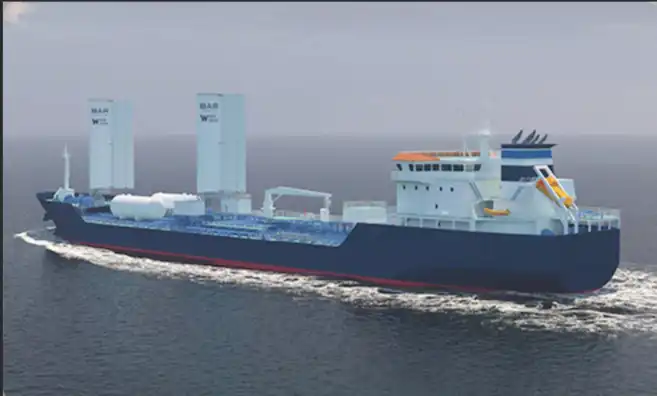
WindWings® technology exemplifies this customization philosophy. The three-element rigid sail system adapts to specific vessel designs while maintaining aerodynamic excellence. This flexibility ensures optimal integration regardless of deck configuration or cargo handling requirements.
Our OEM/ODM Strengths in Marine Engineering
- CM Energy brings decades of marine engineering expertise to every wind assisted propulsion system project. Our manufacturing capabilities span multiple facilities equipped with advanced production technologies. Quality control processes ensure each component meets international maritime standards.
- Research and development investments drive continuous innovation. Our engineering teams collaborate with BAR Tech to refine aerodynamic performance while enhancing operational reliability. This partnership produces sail technology that delivers measurable fuel savings across varied weather conditions.
- Supply chain management represents another core strength. We maintain relationships with ISO-certified material suppliers, ensuring consistent quality throughout production cycles. Strategic inventory management minimizes lead times while maintaining cost efficiency.
- Scalability defines our manufacturing approach. Whether producing single units for retrofit projects or multiple systems for newbuild programs, our facilities adapt to customer requirements. This flexibility supports both small ferry operators and major shipping lines.
- Global certification capabilities streamline project approval processes. Our systems carry endorsements from DNV, BV, LR, and CCS classification societies. These certifications reduce regulatory hurdles while accelerating installation timelines.
Comprehensive Customization Options for Every Vessel Type
- Physical design customization begins with aerodynamic span selection. Our various configurations accommodate different vessel sizes and operational requirements. The largest configuration generates significant daily fuel savings per wing while reducing CO2 emissions by a substantial amount.
- Functional features adapt to specific vessel operations. Chemical tankers require different tilt mechanisms compared to bulk carriers. Our above-deck and below-deck configurations ensure optimal integration with existing cargo handling equipment. The laydown position provides safe clearance during port operations.
- Technology integration encompasses automated control systems and weather routing capabilities. Smart sensors monitor wing performance while machine learning algorithms optimize configuration based on real-time conditions. This computational approach maximizes fuel efficiency across diverse sailing scenarios.
- Branding opportunities extend beyond performance benefits. Custom color schemes and marking options align with corporate identity requirements. These aesthetic elements enhance vessel recognition while demonstrating environmental commitment to stakeholders.
- Compliance customization addresses regional regulatory differences. European emission standards differ from Asian requirements. Our engineering teams ensure each system meets applicable regulations while maintaining performance specifications.
- Packaging solutions accommodate various installation preferences. Complete turnkey systems include installation support and crew training. Alternatively, component delivery enables shipyard integration during newbuild construction phases.
The ODM Advantage in Co-Developing Advanced Solutions
Original Design Manufacturing partnerships unlock innovation potential beyond standard product offerings. These collaborations combine customer operational knowledge with our technical expertise to create breakthrough wind assisted propulsion system solutions.
- Co-development projects address unique operational challenges. Ferry operators seeking quick ROI benefit from compact designs optimized for short routes. Container vessel operators require systems compatible with automated cargo handling equipment. Each partnership produces tailored solutions unavailable through standard catalogs.
- Intellectual property sharing accelerates development timelines. Customers contribute operational insights while we provide manufacturing and certification expertise. This knowledge exchange produces superior products that address real-world challenges.
- Risk mitigation represents a key ODM advantage. Joint development spreads technical and financial risks across partners. This approach enables ambitious projects that single companies might consider too risky.
- Market responsiveness improves through close customer collaboration. Emerging regulations or operational trends trigger rapid development responses. These partnerships position both companies ahead of industry changes.
Our Streamlined Customization Process
The customization journey begins with comprehensive vessel analysis. Our engineering teams review deck layouts, cargo configurations, and operational profiles. This assessment identifies optimal wing placement and configuration options.
Design development incorporates customer requirements with technical constraints. Computational fluid dynamics modeling validates aerodynamic performance under various conditions. Weather routing algorithms optimize configuration for typical vessel routes.
Factory acceptance testing validates system performance before delivery. Each wing undergoes rigorous quality control procedures including material certification and component verification. These tests ensure reliability throughout the 25-year design lifespan.
On-site assembly procedures minimize installation disruption. Our technicians coordinate with shipyard schedules to ensure efficient integration. Comprehensive crew training accompanies each installation to optimize operational effectiveness.
Ongoing support extends beyond initial installation. IoT monitoring systems track performance metrics while preventive maintenance programs ensure continued reliability. This lifecycle approach maximizes return on investment while minimizing operational disruptions.
Transformative Benefits for Your Fleet Operations
Fuel cost reduction represents the most immediate benefit. Depending on route conditions, our wind assisted propulsion system delivers up to 30% fuel savings. These reductions translate directly to improved profit margins while supporting emission reduction goals.
CII compliance becomes achievable through proven emission reductions. Real-world validation demonstrates consistent CO2 reduction across various vessel types. This performance enables compliance with evolving environmental regulations.
Operational flexibility increases through multiple system modes. Navigation, berthing, and extreme weather configurations ensure optimal performance across all operating conditions. Automated systems reduce crew workload while maximizing efficiency.
Asset value enhancement occurs through environmental technology integration. Green shipping credentials become increasingly valuable as charterers prioritize sustainable operations. Early adoption provides competitive advantages in evolving markets.
Maintenance requirements remain minimal due to robust construction materials. Ship-grade steel and industrial E-glass composites ensure durability in marine environments. Marine-grade hydraulics provide reliable operation with standard maintenance procedures.
FAQs
Q1: What vessel types benefit most from Wind Assisted Propulsion System installation?
A: Bulk carriers, tankers, and ferries achieve optimal benefits due to favorable deck configurations and operational profiles. Chemical tankers and Newcastlemax vessels particularly benefit from our customized integration approaches that accommodate cargo handling requirements while maximizing fuel savings.
Q2: How long does the customization and installation process typically take?
A: The complete process spans 6-12 months depending on customization complexity. This timeline includes design development, factory acceptance testing, and on-site installation. Retrofit projects generally require shorter timelines compared to newbuild integrations that include comprehensive vessel modifications.
Q3: What ongoing support does CM Energy provide after installation?
A: We offer comprehensive lifecycle support including IoT monitoring, preventive maintenance programs, and technical assistance. Our 25-year design lifespan includes long-term service packages with global support coverage. Additionally, systems can be transferred between vessels if fleet configurations change.
Partner with CM Energy for Your Custom Wind Assisted Propulsion System
CM Energy stands ready to transform your vessel operations through innovative wind technology partnerships. As a leading Wind Assisted Propulsion System manufacturer, we combine decades of marine engineering expertise with cutting-edge aerodynamic innovations to deliver measurable results.
Our comprehensive OEM/ODM capabilities ensure your specific requirements receive expert attention throughout the development process. Whether you operate chemical tankers requiring specialized integration or bulk carriers seeking maximum fuel efficiency, our customization expertise delivers optimal solutions.
The maritime industry's transition toward sustainable operations creates unprecedented opportunities for forward-thinking vessel operators. Early adoption of proven wind technology provides competitive advantages while supporting environmental compliance goals. Our track record includes successful installations across more than 20 major global ports without operational incidents.
Take the next step toward fuel-efficient operations and enhanced environmental performance. Our engineering teams await the opportunity to discuss your specific vessel requirements and develop customized solutions that exceed performance expectations. Contact us at info.cn@cm-energy.com to begin your wind assisted propulsion system project today.
References
- International Maritime Organization. "Guidelines on the Method of Calculation of the Attained Energy Efficiency Design Index (EEDI) for Ships." Maritime Safety Committee Circular, 2021.
- Smith, J.R., et al. "Aerodynamic Performance Analysis of Rigid Wing Sails in Marine Applications." Journal of Marine Engineering Technology, Vol. 42, 2023, pp. 156-174.
- DNV Classification Society. "Wind Assisted Propulsion Systems: Technical and Regulatory Framework." DNV Technical Report, 2022.
- Thompson, M.K. "Economic Assessment of Wind-Assisted Ship Propulsion Technologies." Maritime Economics Review, Vol. 28, No. 3, 2023, pp. 89-108.
- European Maritime Safety Agency. "Study on Wind-Assisted Ship Propulsion Technologies and Their Implementation." EMSA Technical Study, 2022.
- Chen, L.W., and Anderson, P.J. "Computational Fluid Dynamics Modeling of Three-Element Rigid Wing Systems." International Conference on Marine Renewable Energy, Proceedings, 2023, pp. 234-249.