To make smart investment decisions when trying to upgrade your ship's cargo handling system, you need to know how much it will cost all together. Recently, there have been big changes in the global market for specialized cargo handling systems. Prices vary a lot based on the type of ship and how complicated the system is. For very large gas carriers (VLGCs), very large crude carriers (VLCCs), and specialized gas carriers, advanced cargo handling solutions cost a lot of money. But, they improve operating efficiency and safety, so the costs are worth it. Modern systems have the most up-to-date mechanical technologies, stricter safety rules, and environmental compliance, all of which provide long-term value even though they cost more up front.
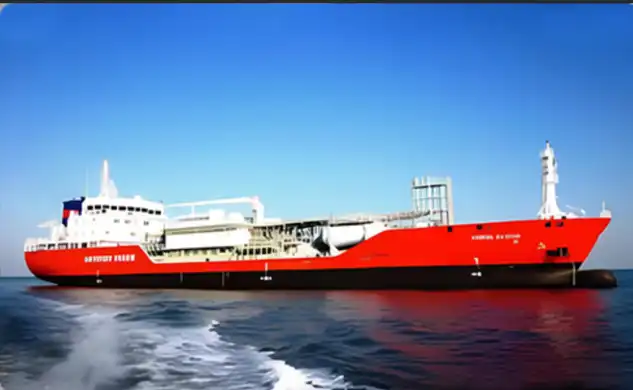
Understanding How Prices Change in the Global Market
Price ranges and market positioning at the moment
There is a lot of variety in the global market for marine cargo handling systems between types of ships. VLGCs and VLACs usually have higher prices, and full systems for them often cost a lot more than systems for chemical tankers and LPG carriers, which usually only need a modest investment. Most of the time, offshore support boats are less expensive.
Costs of making things vary by region
Asian makers, especially those in China and South Korea, can offer lower prices without lowering the quality of their products. European suppliers keep their high status by using advanced engineering, while cheaper options can be found in emerging countries. Changes in the exchange rate have a big effect on final prices; every year, changes in the exchange rate affect project costs by 10 to 15 percent.
Comprehensive Cost Analysis Framework
Factory Pricing Structure and FOB Terms
The price of a cargo handling systems normally includes important parts like pumps, compressors, piping networks, and control systems. Prices given in terms of "Free on Board" (FOB) vary a lot depending on how complicated and customized the system is. Configurations for beginners start out pretty cheap, but fully merged systems with a lot of advanced automation can cost a lot more.
Extra costs and expenses that aren't obvious
Logistics for shipping can add a big chunk to the base price, based on the ports of destination and the amount of handling that needs to be done. Different places may have different import taxes, and installation and activation services add to the cost. People often forget to include things in their budgets that can add to the total cost of a project, like insurance coverage, guarantee extensions, and training programs.
Minimum order quantities and discounts for large orders
Most makers tell you how many units you need to place an order before they'll ship it, not how many units you need. Most of the time, single-vessel installations don't qualify for volume price. However, fleet operators who negotiate for multiple systems can get discounts. Long-term partnership deals can also save you money by standardizing configurations and making the buying process easier.
Important Things That Affect System Prices
Price changes for raw materials and how they affect the supply chain
Price changes of 20 to 30 percent in steel have a direct effect on system prices over the past few years. Even bigger price changes happen for alloys that are specifically needed for gas handling uses. The supply line for electronic parts and automation hardware is always having problems, which causes delivery delays and price pressures.
Conditions in the job market and the ability to make things
Costs of making ships are going up everywhere because there aren't enough skilled welders and fabricators to do the work. Capacity utilization at specialized sites affects the ability to change prices, with higher prices during times of high demand. The cost of an engineering design depends a lot on how customized it needs to be and how hard it is to follow the rules.
Safety Standards and Following the Law
More safety rules for gas carriers mean that they need complex tracking systems and extra safety features. Environmental laws force the use of more advanced tools to control emissions, which makes the system more complicated and expensive. The approval steps for classification societies add time and money to project schedules.
Regional Market Comparison and Competitive Analysis
Asian Manufacturing Advantages
Chinese and Korean manufacturers offer compelling cost advantages through economies of scale and integrated supply chains. Quality standards of cargo handling systems have improved dramatically, with leading firms achieving international certification and recognition. Delivery times remain competitive despite recent supply chain disruptions.
European Premium Positioning
Norwegian, German, and Dutch suppliers command premium pricing through advanced technology and proven track records. Their systems often incorporate cutting-edge features and superior after-sales support. Higher labor costs and stringent manufacturing standards contribute to elevated pricing structures.
Emerging Market Opportunities
Southeast Asian manufacturers increasingly compete in specialized segments, offering attractive pricing for standard configurations. Quality improvements and technology transfers enable these suppliers to serve mid-market segments effectively. Due diligence requirements remain elevated when evaluating emerging market suppliers.
Strategic Procurement Optimization
Effective Negotiation Strategies
A thorough study of the market and an evaluation of the supplier's skills are necessary for successful buying. Multi-supplier bidding processes make the competition tough while also giving you backup choices. By negotiating payment terms, like early payment savings or longer terms, you can save a lot of money.
Customization for OEMs and cost control
Standard configurations are the most cost-effective choice when compared to solutions that are highly customized. Modular designs let you make upgrades in the future while keeping the original cost low. Collaboration in engineering cuts down on design costs and improves system performance.
Thoughts on Lifecycle Costs
Better operating efficiency justifies bigger original investments by lowering the cost of fuel and repairs. Improvements to reliability cut down on unexpected downtime and the money that is lost because of it. Updating technology keeps things from becoming obsolete and makes sure they can be used for a long time.
Market Predictions and Trends for the Future
Price Predictions for the Short Term
Market experts think that price pressures will continue through 2024 because of problems in the supply chain and rising costs of materials. Systems that are good for the earth cost more because people want them because of the demand for green technology. Uncertainty about the economy causes delays in purchases, which changes how suppliers set their prices.
Long-Term Changes in the Market
Cargo handling systems will be changed by digital transformation projects that use advanced automation and predictive repair. Sustainability standards push designers to come up with new ways to use less energy and make vehicles compatible with alternative fuels. When sellers join together to form a single market, it may change how competition works and how prices are set.
Effects of New Technology
Adding artificial intelligence improves working efficiency while lowering the need for human intervention. Predictive maintenance methods can be used with remote monitoring, which lowers the costs over the life of the product. Modular architectures make it easier to add new technologies and make changes in the future without having to replace the whole system.
Conclusion
When making a budget for advanced container handling systems, you need to look at a lot of different cost factors and how the market is changing. Even though the original costs may seem high, the long-term benefits to operations and safety make them worth careful thought. Procurement strategies that work well balance lowering costs with meeting performance and dependability standards. When the market is unstable, you need to be able to change how you buy things and have good relationships with your suppliers. As regulations change and technology improves, it creates both problems and possibilities for ship owners who want to find the best ways to handle cargo.
Questions People Ask Often
Q1: What are the main things that cause prices for goods handling systems to vary?
A: The main things that affect the cost are the complexity of the system, the type of vessel, the need for customization, and the need to meet governmental standards. The location of suppliers, the cost of materials, and the availability of workers all have a big effect on pricing structures.
Q2: How do the terms of payment affect the total cost of a goods handling system project?
A: Base prices usually go up by 2 to 5 percent if you pay later, but they can go down by the same amount if you pay early. Strategies for currency trading help deal with the risks that come with dealing with different currencies.
Q3: What hidden costs should people look out for when they buy tools for moving cargo?
A: Services like installation supervision, commissioning, user training, spare parts packages, and warranty extensions can add 25 to 40 percent to the base cost of a system. Transportation costs and insurance are two more big areas of costs.
Partner with CM Energy for Advanced Cargo Handling Solutions
CM Energy stands as a trusted cargo handling system manufacturer with proven expertise across diverse vessel categories including VLGCs, VLCCs, and specialized gas carriers. Our comprehensive portfolio encompasses fully pressurized, semi-refrigerated, and fully refrigerated systems designed to meet the most demanding operational requirements. With over 350 deck cranes and 180 self-elevating platforms utilizing our equipment worldwide, CM Energy demonstrates unmatched industry experience and reliability.
Our strategic partnership with Norwegian design firm WTC ensures cutting-edge technology integration while maintaining cost-effective solutions. From initial design through installation and ongoing support, our team delivers complete lifecycle services tailored to your specific operational needs. Advanced safety features, comprehensive monitoring capabilities, and customized configurations ensure optimal performance for your cargo handling operations.
Ready to discuss your cargo handling system requirements? Contact our expert team today to explore how CM Energy can optimize your vessel's performance and operational efficiency. For detailed technical specifications and pricing information, contact us at info.cn@cm-energy.com to discover our complete range of marine energy solutions.
References
1. Maritime Technology Review: "Global Cargo Handling Systems Market Analysis 2023-2024" - International Maritime Technology Association
2. "Cost Optimization Strategies for Marine Cargo Systems" - Journal of Maritime Engineering and Technology
3. "LPG Carrier Technology and Economic Trends" - Gas Carrier Research Institute Annual Report
4. "Supply Chain Challenges in Marine Equipment Procurement" - International Shipbuilding Industry Quarterly
5. "Regional Manufacturing Cost Analysis: Asia-Pacific Marine Equipment Sector" - Maritime Economics Research Foundation
6. "Regulatory Impact on Cargo Handling System Design and Pricing" - International Maritime Organization Technical Studies