As the industry deals with tougher environmental rules, Wind-Assisted Propulsion Systems (WAPS) are changing the way people work on the water. These new sail technologies, like the three-element stiff wing system, save a lot of fuel and reduce emissions while still meeting the rules set by the International Maritime Organization (IMO), the EU Emissions Trading Scheme (EU ETS), and FuelEU Maritime. Understanding the rules around the implementation of WAPS helps people in the marine industry make smart choices about long-lasting technology investments that are good for the environment and the bottom line.
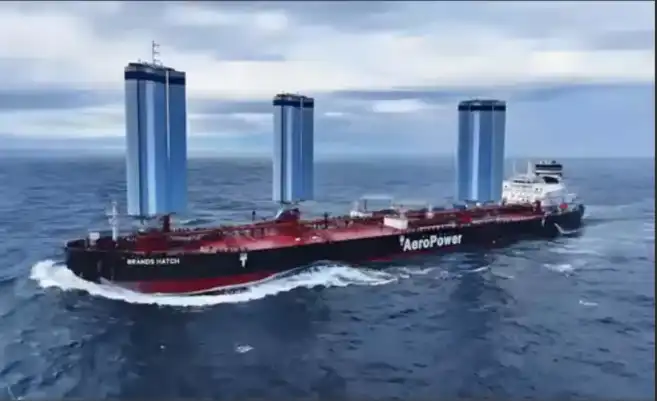
Understanding WAPS and Its Role in Maritime Operations
Today's marine activities need new ideas to deal with increasing environmental challenges and rules. Wind-assisted motion systems are a proven technology that use wind energy to make boats and other vehicles use less fuel and produce fewer emissions.
What Are WAPS and How Do They Work in Maritime Contexts?
Wind-assisted propulsion systems are new machines that are designed to use wind energy to make ships move forward. These systems use the newest technology ideas to make sure they work well in any weather and on any boat trip. Modern WAPS are different from the sails of the past because they have systems that instantly change how the sails are set up based on the wind and the needs of the ship.
WAPS keeps a close eye on wind patterns, vessel speed, and working factors to make the system as aerodynamically efficient as possible. New materials and building methods keep efficiency high, even in rough seas and for a long time. These methods work well with the way boats are already run. They make boats more powerful, so they don't need to use regular fuel sources as much.
Benefits of Deploying WAPS in Maritime Operations
WAPS watches wind patterns, vessel speed, and working factors closely to make the system as aerodynamically efficient as possible. Even in rough seas and for a long time, new materials and building methods keep things running smoothly. These methods fit well with how boats are already run. They make boats more strong, so they don't need to use as much normal fuel.
The primary operational advantages of WAPS deployment include:
- Big fuel savings: Ships with modern WAPS technology use a lot less fuel every day, but the amount saved depends on the route and the ship's features. This cut immediately leads to lower environmental effect and lower running costs.
- Better legal compliance: Wind-assisted power systems help owners meet pollution standards that are getting stricter and show that they are taking care of the environment. The technology helps you follow a lot of different rules at the same time.
- Operational versatility: New WAPS designs can handle a lot of different tasks, like moving goods and working at the port. It is possible to set up systems so that they don't get in the way of normal vessel operations too much while also making sure that they catch as much wind energy as possible.
- Long-term reliability: Robust construction and proven engineering ensure consistent performance over extended operational periods, supporting predictable operational planning and maintenance scheduling.
These advantages position WAPS as essential technology for forward-thinking maritime operators seeking sustainable operational solutions.
Overview of Key Maritime Regulations Affecting WAPS Procurement and Use
There are more and more rules for the sea industry that are meant to protect the environment and lower waste. If operators understand how these rules impact wind-assisted power systems, they can make smart technology purchases that keep them in compliance for a long time.
The IMO Regulatory Framework and Its Implications for Wireless Systems
The International Maritime Organization (IMO) makes rules about ships that are meant to reduce waste and improve energy economy. These rules change people's tools and ways of working. Vessels must follow some rules about pollution and the economy. This makes people use green tools.
Wind-assisted motion systems help boats follow IMO rules by lowering pollution and boosting energy economy. They provide real benefits to the environment and keep working well. Classification society approvals make sure that safety and performance standards are met.
EU ETS: Emission Trading Scheme Requirements and Technology Integration
The European Union Pollution Trading Scheme puts a price on moving carbon. This makes it cheaper to use tools that lower pollution. Ships that work in the EU have to keep track of how much carbon they pollute and join trade systems that give them rewards for being efficient.
WAPS technology helps ships meet the EU ETS rules by lowering carbon pollution and making ships more efficient. Operators can lower their carbon footprint and maybe even earn tradeable emission credits with wind-assisted power systems that boost efficiency. This leads to environmental and economic gains that encourage long-term ways of doing business.
FuelEU Maritime Initiative and Its Influence on Technology Choices
The FuelEU Maritime project says that ships must use less carbon gas and switch to sustainable fuel. These rules make it easier for new types of power to be used and reward creative ways to reduce carbon emissions in the marine industry.
Wind-assisted power systems make boats more environmentally friendly, which helps FuelEU Maritime reach its goals. The technology keeps the system open and cheap and lets staff set the strength to the right level. Based on this list of rules, using wind energy is a good way to do something good for the world at sea.
Comparing WAPS Solutions in the Context of Maritime Regulatory Compliance
When looking at wind-assisted transportation systems, it is important to think about both their technical performance and their ability to follow the rules. The best WAPS systems blend proven aerodynamic efficiency with full approval and regulatory compliance.
WAPS vs Traditional Access Points: Compliance and Performance Considerations
Modern wind-powered cars are faster and better at following the rules than old sails. Advanced WAPS designs use difficult control systems and other parts that make sure WAPS always works the same way, no matter what.
WAPS technology today has tools that automatically make wind energy collection better and keep things safe. These technologies work well with the vessel's processes and make it work better, which helps meet the requirements for legal reporting. This technology lets us keep track of and record very precisely how much waste is cut and how much money is saved.
Evaluating WAPS Brands and Models for Marine Applications
Choosing the right wind-assisted propulsion systems calls for a close look at the suppliers' skills, approval standards, and long-term support services. The best WAPS providers offer complete options that take into account both technology needs and the need to follow rules.
CM Energy's TSC brand uses modern wind-assisted power technology that meets the highest standards in the industry for performance and stability. WAPS works well with existing ship systems because the company has a long history of making military technology, and users have reported performance benefits. TSC technology has received full approval from the top rating groups. It also has lower emissions that help it stay in line with the rules.
Procurement Strategies for WAPS under IMO, EU ETS & FuelEU Maritime Regulations
Successful WAPS procurement requires strategic planning that considers both immediate operational needs and long-term regulatory requirements. The most effective procurement strategies emphasize supplier reliability, certification standards, and comprehensive support services.
Bulk Purchase and Supplier Selection Based on Regulatory Compliance
Maritime operators benefit from establishing relationships with WAPS suppliers that demonstrate proven regulatory compliance and comprehensive certification. Bulk procurement strategies enable operators to achieve favorable pricing while ensuring consistent technology standards across their fleets.
Supplier selection should prioritize companies with extensive marine industry experience and established relationships with classification societies. The most reliable WAPS suppliers provide comprehensive documentation and support for regulatory compliance while ensuring consistent product quality and performance standards.
Installation Services and Post-Sale Support in Maritime Context
Effective WAPS deployment requires specialized installation services and ongoing support that addresses the unique challenges of maritime operations. Leading suppliers provide comprehensive installation support and maintenance services that ensure optimal system performance throughout the operational lifecycle.
Post-installation support services should include performance monitoring, maintenance planning, and regulatory compliance assistance. The most effective WAPS suppliers offer comprehensive lifecycle support that maximizes technology benefits while minimizing operational disruption.
Future Trends and Strategic Recommendations for WAPS in Maritime Industry
The maritime industry continues evolving toward greater sustainability and efficiency, creating expanding opportunities for wind-assisted propulsion technologies. Understanding future regulatory trends enables operators to make strategic technology investments that provide long-term value.
Impact of Emerging Regulations and Technology Evolution on WAPS Design
In the future, marine rules will probably focus on carbon standards that are stricter and stricter and on the need for other kinds of fuel. Wind-assisted motion systems will be very important for helping workers meet these changing needs while still getting the job done.
Technology evolution continues advancing WAPS capabilities through improved materials, control systems, and integration capabilities. These developments enhance system performance while reducing operational complexity and maintenance requirements.
Strategic Procurement Tips for Long-Term Compliance and Operational Efficiency
Strategic WAPS procurement should focus on future regulatory changes and technological advancements to ensure long-term value and compliance. Operators should prioritize suppliers with proven innovation and comprehensive support services. Effective procurement strategies emphasize flexibility for future upgrades and strong supplier relationships to meet evolving operational and regulatory needs.
Conclusion
Wind-assisted propulsion systems represent essential technology for maritime operators navigating increasingly complex regulatory environments. The combination of proven performance benefits and comprehensive regulatory compliance makes WAPS investment strategic for sustainable maritime operations. Understanding the regulatory landscape surrounding IMO standards, EU ETS requirements, and FuelEU Maritime initiatives enables operators to make informed technology decisions that provide both immediate and long-term value. Strategic procurement approaches that emphasize supplier reliability, certification standards, and comprehensive support services ensure successful WAPS deployment and optimal operational benefits.
Frequently Asked Questions
Q1: What makes WAPS technology essential for compliance with IMO and EU ETS?
A: WAPS technology provides measurable fuel consumption and emissions reductions that directly support IMO energy efficiency requirements and EU ETS carbon reduction targets. The technology enables precise monitoring and documentation of environmental benefits while maintaining operational effectiveness, making it essential for regulatory compliance strategies.
Q2: How can procurement managers ensure WAPS models meet FuelEU Maritime's energy efficiency criteria?
A: Procurement managers should prioritize WAPS suppliers with comprehensive certification from recognized classification societies and proven performance validation. Selecting systems with established track records and comprehensive support services ensures compliance with FuelEU Maritime requirements while maximizing operational benefits.
Q3: What are the benefits of choosing certified WAPS suppliers for bulk purchases in maritime projects?
A: Certified WAPS suppliers provide comprehensive regulatory compliance support, consistent product quality, and established installation and maintenance services. Bulk purchasing from certified suppliers enables favorable pricing while ensuring consistent technology standards and comprehensive support across fleet deployments.
CM Energy: Your Trusted WAPS Solution Provider
CM Energy is a business that focuses on environmentally friendly marine energy options and is based on technology. They provide high-performance wind-assisted motion systems because they are experts in making naval tools and getting licenses. They have successfully delivered services to a range of vessel types, with assistance from planning, manufacture, and fitting. Better quality control and working with top classification groups make sure that systems meet tight rules. This guarantees that they work well for the entire lifetime of the operation.
Transform your maritime operations with proven wind-assisted propulsion technology from CM Energy. Our comprehensive WAPS solutions deliver substantial fuel savings and emissions reductions while ensuring complete regulatory compliance with IMO, EU ETS, and FuelEU Maritime requirements. As a leading WAPS manufacturer with extensive marine industry experience, we provide end-to-end support from initial consultation through ongoing maintenance. Contact us at info.cn@cm-energy.com to discover how our advanced wind-assisted propulsion systems can enhance your fleet's sustainability and operational efficiency.
References
- International Maritime Organization. "Guidelines for the Development and Management of IMO Instruments on Energy Efficiency for International Shipping." Maritime Environmental Protection Committee, 2023.
- European Commission. "Regulation on the Use of Renewable and Low-Carbon Fuels in Maritime Transport (FuelEU Maritime)." Official Journal of the European Union, 2023.
- DNV Classification Society. "Wind-Assisted Propulsion Systems: Technical and Regulatory Framework for Commercial Implementation." Maritime Technology Review, 2024.
- European Maritime Safety Agency. "EU Emissions Trading System Extension to Maritime Sector: Implementation Guidelines and Compliance Requirements." EMSA Technical Report, 2024.
- Lloyd's Register. "Alternative Fuel and Propulsion Technologies for Maritime Decarbonization: Regulatory Compliance and Performance Standards." Marine Technology Bulletin, 2023.
- Bureau Veritas. "Wind-Assisted Propulsion Systems Certification Requirements and Performance Validation Procedures." Classification Society Guidelines, 2024.