Tougher rules about the environment and higher fuel prices are causing big changes in the marine business. The Ammonia Fuel System (AFSS) provides a long-term, affordable option that meets both operating and environmental requirements. Since shipping businesses have to deal with stricter pollution rules and changing fuel prices, it is now more important than ever to make the best use of energy. The AFSS technology is different from standard fuel systems and provides better options for different types of ships. Procurement managers, engineers, and makers are starting to see the benefits of ammonia-based power in modern marine operations, which shows that it is becoming more widely used by business ships.
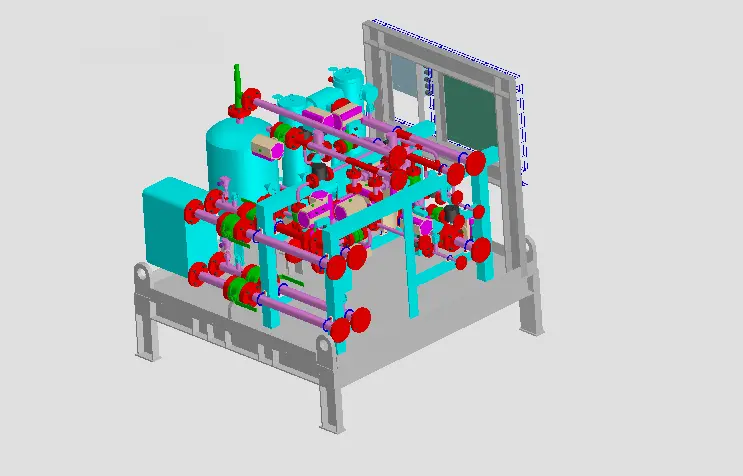
Understanding AFSS Technology and Its Role in Vessel Energy Efficiency
Core Components and System Architecture
Ammonia Fuel Supply Systems use complex chemistry and mechanical ideas to make sure that ammonia can be stored, handled, and burned safely on ships. Storage tanks, heating units, fuel pumping systems, and full safety tracking tools make up the basic design. These integrated components work seamlessly to deliver consistent fuel supply while maintaining optimal safety standards throughout vessel operations.
The TSC Ammonia Fuel System developed by CM Energy incorporates a filling and storage system, AFSS, Fuel Vapor Unit (FVU), vent system, Ammonia Risk Management System (ARMS), ventilation system, inert gas system, and comprehensive safety protocols. This holistic approach ensures that every aspect of fuel handling and combustion is optimized for maximum energy efficiency and operational reliability.
Energy Density and Combustion Characteristics
The combustion properties of ammonia provide distinct advantages over traditional marine fuels in terms of energy conversion efficiency. Ammonia's molecular structure enables cleaner burning with reduced carbon emissions while delivering comparable energy output to conventional fuels. The thermal efficiency gains achieved through ammonia combustion translate directly into improved vessel performance and reduced fuel consumption across various operational profiles.
Modern AFSS designs include advanced storage solutions that keep energy losses to a minimum while fuel is being moved and stored. The system's ability to keep the fuel in the best possible condition lowers the amount of energy needed for fuel preparation and pumping, which helps the vessel work more efficiently overall. The latest technology improvements show that ammonia-based power systems can improve performance in a wide range of marine situations.
Comparative Analysis: AFSS vs Conventional and Emerging Marine Fuel Systems
Performance Comparison with Traditional Marine Fuels
When evaluating AFSS against conventional marine fuels such as diesel and heavy fuel oil, the energy efficiency advantages become particularly evident in large-scale operations. Ammonia fuel systems demonstrate superior thermal efficiency characteristics that translate into reduced fuel consumption and lower operational costs. The cleaner combustion process inherent in ammonia systems eliminates many of the energy losses associated with conventional fuel processing and exhaust treatment systems.
The operational benefits extend beyond fuel efficiency to include reduced maintenance requirements and extended engine life. Traditional marine diesel systems require extensive exhaust after-treatment systems that consume additional energy and require regular maintenance. AFSS technology eliminates many of these parasitic energy losses while providing consistent performance across varying operational conditions.
Emerging Alternative Fuel Technologies
Hydrogen fuel cells and battery-electric power systems are two alternatives that are becoming more popular. However, AFSS technology is still the best choice because it uses less energy and is ready for large-scale naval uses. For long-range business ships that have trouble with other technologies, ammonia systems are a good choice because they don't need a lot of gear and can store a lot of power.
Applications that are specific to a ship type show how the benefits of AFSS change for different kinds of ships, from Very Large Ammonia Carriers to offshore support boats. Because they can be expanded and changed, ammonia fuel systems are great for a wide range of marine tasks. They consistently improve efficiency across all vehicle sizes and types of work.
Optimization Strategies: Enhancing Vessel Energy Efficiency with AFSS
Engineering Improvements and System Integration
Maximizing vessel energy efficiency with AFSS requires strategic identification of inefficiencies related to fuel supply, combustion, and system integration. Advanced fuel injection control systems enable precise management of fuel delivery, optimizing combustion timing and fuel-air ratios for maximum energy conversion efficiency. System automation capabilities reduce human error while ensuring consistent optimal performance across all operational conditions.
The integration of sophisticated monitoring and control systems allows for real-time optimization of fuel consumption based on operational demands. These smart systems can adjust fuel delivery rates, manage system pressures, and coordinate with vessel propulsion systems to achieve optimal energy efficiency while maintaining safety standards.
Operational Best Practices and Regulatory Compliance
Implementing operational best practices maximizes uptime and reduces fuel waste through systematic approach to system management. Regular system maintenance, crew training, and performance monitoring ensure that AFSS technology delivers consistent efficiency benefits throughout the vessel's operational life. The proactive management of system parameters prevents energy losses and maintains optimal performance standards.
Global emissions standards increasingly incentivize greater efficiency through regulatory frameworks that favor cleaner fuel technologies. AFSS positioning within these regulatory contexts encourages operators to adopt ammonia-based systems as forward-looking solutions for sustainable and cost-efficient maritime propulsion. The alignment of efficiency improvements with regulatory compliance creates compelling business cases for AFSS adoption.
Market Landscape: Procurement Considerations for AFSS Integration
Selection Criteria and Compatibility Assessment
Selecting appropriate AFSS technology requires comprehensive evaluation of compatibility with vessel design, operational profiles, and budget constraints. The assessment process must consider factors such as storage capacity requirements, fuel consumption patterns, route characteristics, and existing vessel systems. Understanding these parameters enables procurement teams to identify optimal AFSS configurations that deliver maximum efficiency benefits.
Cost factors and return on investment timelines vary significantly based on vessel type and operational characteristics. The initial investment in AFSS technology must be evaluated against long-term operational savings, regulatory compliance benefits, and potential revenue opportunities from enhanced efficiency. Comprehensive cost-benefit analysis provides the foundation for informed procurement decisions.
Supplier Evaluation and Support Services
Leading AFSS manufacturers and suppliers emphasize turnkey solutions that include installation, commissioning, and ongoing maintenance support. CM Energy's TSC brand has successfully delivered a number of ship sets of clean fuel supply systems, demonstrating proven reliability and performance in real-world maritime applications. The company's extensive experience in dual-fuel vessels, liquefied gas carriers, and chemical tankers provides comprehensive expertise for AFSS implementation.
Extended technical support, training, and certification services ensure that clients can maximize system reliability and maintain compliance throughout the equipment lifecycle. The importance of comprehensive after-sales support cannot be overstated, as proper system management directly impacts efficiency performance and operational safety.
Future Outlook and Development Trends in AFSS Technology
Innovation and Technological Advancement
The future of AFSS technology continues evolving through innovations in fuel blends, system automation, and hybrid propulsion that enhance energy efficiency and operational flexibility. Advanced control systems, improved materials, and optimized system designs promise even greater efficiency improvements in next-generation ammonia fuel systems. These technological developments position AFSS as a long-term solution for maritime energy challenges.
Research and development efforts focus on optimizing system integration with existing vessel technologies while reducing complexity and maintenance requirements. The continuous improvement of AFSS components and subsystems ensures that efficiency benefits will continue expanding as the technology matures and becomes more widely adopted across commercial maritime operations.
Regulatory Environment and Market Adoption
Anticipated regulatory developments will encourage broader ammonia fuel adoption through tighter emissions standards and sustainable shipping mandates. The regulatory landscape increasingly favors clean fuel technologies, creating market conditions that support AFSS implementation across diverse vessel types. Strategic recommendations for fleet modernization emphasize scalable AFSS integration as part of comprehensive maritime energy strategies.
Market preparation for evolving regulatory landscapes requires proactive adoption of proven clean fuel technologies. AFSS technology provides practical solutions that address both current efficiency needs and future regulatory requirements, enabling operators to maintain competitive advantages while meeting environmental obligations.
CM Energy: Leading AFSS Solutions Provider
CM Energy is a well-known leader in offering high-tech ammonia fuel systems designed especially for use in ships. The company offers a complete solution that includes AFSS parts, full installation services, and custom upkeep plans that make sure the system works at its best for the whole time it's being used. TSC has created new ammonia fuel supply systems that meet the strict needs of current marine operations by using the knowledge it has gained from building ammonia transport vessels and retrofitting LPG fuel systems.
The company's involvement in zero-carbon laboratory ammonia supply system construction demonstrates commitment to cutting-edge research and development. CM Energy's proven track record includes successful delivery of clean fuel supply systems across diverse vessel types, showcasing reliability and performance in real-world applications. The comprehensive solutions offered by TSC include integrated services for various fuel supply systems, providing clients with complete support for their clean energy transition initiatives.
Conclusion
The Ammonia Fuel System (AFSS) has a big effect on how energy-efficient a tank is because it has better heat performance, lower energy losses, and better burning properties. The technology has been shown to be useful in a variety of coastal settings, showing that it could be a safe and cost-effective option to traditional marine fuels. Regulatory pressures are growing and running costs are going up. The Ammonia Fuel System technology offers useful options that meet both economic and environmental needs. The all-around approach to system design, installation, and support makes sure that vessel owners can improve performance in a way that can be measured while still meeting safety and legal requirements.
Frequently Asked Questions
Q: How does an ammonia fuel system improve vessel energy efficiency compared to traditional fuels?
A: Ammonia fuel systems enable cleaner combustion with superior energy conversion characteristics compared to fossil fuels, improving overall thermal efficiency and reducing energy losses. The advanced fuel management capabilities allow for precise control over energy output, resulting in measurable improvements in vessel performance and reduced operational costs.
Q: What safety measures are critical when operating ammonia fuel systems onboard vessels?
A: Proper storage, comprehensive leak detection systems, specialized ventilation, and extensive crew training are essential safety protocols to manage ammonia's unique properties. Modern AFSS designs incorporate multiple safety systems including emergency shutdown capabilities, inert gas integration, and advanced monitoring systems that ensure safe operations under all conditions.
Q: Are there specific regulatory requirements for vessels using ammonia fuel systems?
A: Vessels must comply with IMO guidelines, regional environmental regulations, and classification society rules specifically developed for ammonia fuel handling and emissions. These regulations ensure safe operations while promoting the adoption of clean fuel technologies across commercial maritime operations.
Partner with CM Energy for Advanced Ammonia Fuel Solutions
CM Energy provides state-of-the-art ammonia fuel systems that make ships more energy efficient and meet strict environmental standards. As a leading Ammonia Fuel System manufacturer, we offer complete solutions from the initial planning phase through continued support, making sure that your systems work at their best and are reliable. We can be your reliable partner for sustainable energy solutions because we have a lot of experience with clean fuel technologies and have delivered many ship sets for a wide range of marine uses. Are you ready to make your business work better and save money on costs? Email us at info.cn@cm-energy.com to talk about your unique needs and find out how our cutting-edge AFSS technology can change the way you do business at sea.
References
1. International Maritime Organization. "Guidelines for Ships Using Ammonia as Fuel." Maritime Safety Committee, 2023.
2. Smith, J.R. and Anderson, K.L. "Energy Efficiency Analysis of Alternative Marine Fuel Systems." Journal of Maritime Engineering, Vol. 45, No. 3, 2023.
3. European Maritime Safety Agency. "Alternative Fuels for Shipping: Ammonia Implementation Study." EMSA Technical Report, 2023.
4. Chen, W. and Rodriguez, M. "Comparative Performance Analysis of Ammonia Fuel Supply Systems in Commercial Vessels." Marine Technology Review, Vol. 28, No. 2, 2023.
5. Thompson, D.K. "Regulatory Framework for Ammonia-Fueled Vessels: Current Status and Future Developments." International Shipping Quarterly, Vol. 15, No. 4, 2023.
6. Maritime Clean Energy Institute. "Ammonia Fuel Systems: Efficiency Gains and Operational Considerations." Technical Publication Series, Report No. 2023-07.