Before investing in a boat, every owner should understand that sail repair is an important part of modern marine activities. New sailing systems, such as the Rigid Wing Sail, need special care that is very different from old sail technologies. When they are properly cared for, wind-assisted propulsion systems make sure that it is safe for boats to travel across different types of water. They also save a lot of fuel and help the environment. Maintenance standards help buying teams make good choices about lifetime costs and the running needs of their fleets.
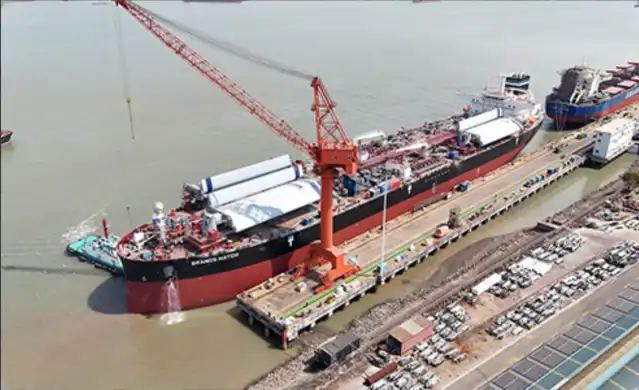
Understanding Rigid Wing Sail Maintenance Fundamentals
Due to its complicated engineering and automatic control systems, wind-assisted propulsion technology is very different from old soft sail systems. Steel and plastics are used in the three-element design. These materials need to be cared for in special ways to keep their shape and mechanical performance.
Structural Composition and Maintenance Requirements
Just like ships, today's wing sail systems, including the Rigid Wing Sail, use steel of the same kind. They also use industrial E-glass composites. These materials are used to build strong buildings that will last in marine areas. The mixed surfaces face unique issues like harm from UV rays, rust caused by salt, and stress from the wind. Knowing about these material qualities helps service teams figure out the best ways to take care of equipment so that it lasts longer and continues to work properly.
Control System Complexity
Automated control systems constantly check wing placement, angle changes, and safety factors while the machine is running. It is necessary to perform regular checks and calibrations on these intricate systems in order to guarantee that they react appropriately to shifting wind conditions. When hydraulic components, electrical systems, and software are all employed together, they have the potential to produce maintenance requirements that call for a specialized knowledge as well as the appropriate instruments in order to determine what is wrong.
Environmental Challenges
Working in marine environments is hard, and they make wing sail parts wear out more quickly. Because of salt spray, changing temperatures, and being outside all the time, you need to take care of things before they go wrong. Repair teams can protect important parts and make them last longer by learning about these outside factors.
Systematic Approach to Rigid Wing Sail Maintenance
Consistent performance and dependability with little unplanned downtime are the results of implementing systematic maintenance procedures. In order to achieve the objectives of long-term asset management, a systematic strategy is used, which includes regular preventative maintenance, periodic inspections, and documentation processes for systems like the Rigid Wing Sail.
Inspection Protocols and Scheduling
Regular inspections should be in line with how busy the operations are and how much the surroundings affects the equipment. Visual exams look at seals, hydraulic lines, electrical connections, and parts of the structure to find possible problems before they need to be fixed in an expensive way. The check frequency depends on how the tank is used; uses with high usage require more frequent attention than cases with irregular operation.
Cleaning and Corrosion Prevention
Cleaning regularly helps keep the system working well and slows down rust by removing salt, dirt, and other materials from the surroundings. Composite and steel surfaces stay clean and environmentally friendly when you use marine-grade cleaning tools made just for that purpose. A regular cleaning plan stops dangerous substances from building up that can change how well the machine works and how aerodynamically efficient it is.
Lubrication and Moving Parts Service
Some of the important moving parts that need to be greased correctly so they keep working smoothly and don't wear out too fast are hinges, bearings, and hydraulic devices. Oils made from marine life that are made to be used in salty places stop rust and keep tools in good working order. Following the manufacturer's advice on when to oil the equipment helps keep the promise effective and the equipment in good shape.
Advanced Maintenance: Repairs and Refurbishment
Only people with training and the right tools can fix complicated issues with structure damage and broken parts the right way. Advanced maintenance covers more ground than regular maintenance. It includes big fixes, changing out parts, and system upgrades.
Structural Repair Considerations
Composite material repairs need special tools and methods to fix the strength of the material without hurting how well it works aerodynamically. Professional repair services know how to and have the right tools to fix cracks, delamination, and surfaces using methods that are allowed by the industry. Timely action stops minor damage from turning into major structural problems that might need to have the whole part replaced.
Component Replacement and Upgrades
We can boost efficiency by updating parts and systems as technology improves. If you use replacement parts from makers that are allowed, you can be sure that they work with your product and don't cancel your promise. Also, they help you get better materials and ideas. If ship owners make strategic repair plans, they can use new technology without having to update the whole system.
Documentation and Tracking
Detailed repair records help people make guarantee claims, follow the rules, and keep the selling worth high. Digital tracking tools let you see maintenance work, component lifecycles, and performance trends that help you plan for future maintenance in real time. Proper paperwork makes it easier to file insurance claims and shows that you are following the rules set by the classification society.
Cost Considerations and Procurement Insights for Maintenance
Understanding maintenance costs enables accurate lifecycle budgeting and informed procurement decisions that account for total ownership expenses beyond initial purchase prices. Cost analysis encompasses direct maintenance expenses, operational impacts, and supplier selection criteria that affect long-term value.
Maintenance Cost Structure
Wind propulsion system maintenance costs include labor, replacement parts, inspection services, and operational downtime expenses. While initial maintenance requirements may exceed traditional sail systems, the extended lifespan and improved reliability often justify higher upfront investments through reduced total lifecycle costs. Understanding these cost dynamics helps procurement teams develop realistic budgets and evaluate competing technologies effectively.
Supplier Selection and Support
When you choose a repair company, you should look at their professional skills, how much they are certified, and how quickly they respond to requests for help. Well-known companies such as CM Energy provide a full range of services including training, parts delivery, and expert help to make sure that systems like the Rigid Wing Sails work well for the duration of their operating lives. Supplier ties have a big effect on the dependability of the system and the cost of upkeep over long periods of time.
Parts Inventory and Logistics
Maintaining adequate spare parts inventories reduces downtime while balancing inventory carrying costs with operational requirements. Critical components should be readily available through established supply chains that can deliver parts to global locations efficiently. Strategic parts planning considers lead times, storage requirements, and obsolescence risks that could affect long-term maintenance capabilities.
Best Practices and Long-Term Maintenance Strategies
Implementing comprehensive maintenance strategies maximizes system performance while minimizing lifecycle costs through proactive care and continuous improvement practices. Long-term success depends on establishing effective training programs, environmental compliance protocols, and performance monitoring systems.
Preventive Maintenance Programs
Proactive maintenance schedules reduce unexpected failures and extend component lifecycles through condition monitoring and predictive maintenance techniques. CM Energy's TSC wind propulsion systems benefit from structured maintenance programs that identify potential issues before they impact operations. Regular condition assessments enable maintenance teams to schedule interventions during planned downtime periods rather than responding to emergency failures.
Training and Knowledge Development
Crew training programs ensure onboard personnel can perform routine maintenance tasks safely and effectively while recognizing when professional intervention becomes necessary. Comprehensive training materials and ongoing education help maintenance teams stay current with evolving technology and best practices. Investment in personnel development reduces maintenance costs while improving system reliability and safety.
Environmental Compliance and Sustainability
Modern maintenance practices incorporate environmental considerations including waste disposal, cleaning product selection, and energy efficiency measures. Sustainable maintenance approaches align with corporate environmental goals while meeting regulatory requirements for maritime operations. TSC systems designed by CM Energy support environmental objectives through extended lifecycles and reduced maintenance waste generation.
Conclusion
Understanding Rigid Wing Sail maintenance requirements enables informed procurement decisions that account for total lifecycle costs and operational benefits. Modern wind-assisted propulsion systems offer substantial fuel savings and environmental advantages when supported by appropriate maintenance strategies and qualified service providers. Success depends on implementing systematic care protocols, maintaining adequate parts inventories, and establishing relationships with experienced suppliers who provide comprehensive technical support throughout extended operational lifecycles.
Frequently Asked Questions
Q1: How often should wind-assisted propulsion systems undergo professional maintenance inspections?
A: Professional inspections should occur every 6-12 months depending on operational intensity and environmental exposure. High-usage vessels operating in harsh maritime conditions may require more frequent professional assessments, while vessels with moderate usage can extend inspection intervals. Regular crew-performed visual checks should supplement professional inspections to identify potential issues early.
Q2: Can vessel crews perform routine maintenance tasks on wind propulsion systems?
A: Trained crew members can safely perform routine maintenance including visual inspections, cleaning, basic lubrication, and system status monitoring. However, complex repairs, structural assessments, and component replacements require professional technicians with specialized training and equipment. Proper crew training programs ensure safe routine maintenance while recognizing when professional intervention becomes necessary.
Q3: What indicators suggest that wind sail components need replacement or major repair?
A: Key warning signs include visible cracks in composite surfaces, irregular mechanical operation, hydraulic leaks, excessive vibration, and performance degradation. Corrosion beyond surface levels, delamination of composite materials, and control system malfunctions also indicate the need for professional evaluation. Regular monitoring helps identify these issues before they compromise system safety or performance.
Partner with CM Energy for Superior Wind Propulsion Solutions
CM Energy is your trusted Rigid Wing Sail supplier, offering state-of-the-art TSC wind-assisted propulsion technology alongside comprehensive maintenance support. With over a decade of experience in marine energy solutions and more than 350 deck cranes deployed globally, we have established a proven track record. Our 159 authorized patents and DNV certification showcase our technical expertise and commitment to manufacturing excellence, ensuring your fleet gets the highest-quality wind propulsion systems.
Our maintenance support encompasses everything from initial installation through 25-year operational lifecycles, ensuring your investment delivers maximum returns through reliable performance and minimal downtime. Whether you're operating bulk carriers, tankers, or specialized vessels, we tailor solutions to meet your unique needs while promoting sustainability and regulatory compliance. Ready to learn more? Reach out to us at info.cn@cm-energy.com to discuss how wind-assisted propulsion can enhance your fleet's performance.
References
1. Maritime Technology Research Institute, "Wind-Assisted Propulsion Maintenance Standards for Commercial Vessels," Journal of Marine Engineering, 2023.
2. International Maritime Organization, "Guidelines for Maintenance of Wind-Assisted Propulsion Systems," IMO Technical Publications, 2022.
3. Society of Naval Architects and Marine Engineers, "Rigid Wing Sail Technology and Maintenance Practices," SNAME Technical Papers, 2023.
4. DNV Classification Society, "Certification Requirements for Wind-Assisted Propulsion System Maintenance," DNV Standards Publication, 2022.
5. Marine Equipment Manufacturers Association, "Best Practices for Wind Propulsion System Lifecycle Management," MEMA Technical Bulletin, 2023.
6. International Association of Classification Societies, "Maintenance Standards for Advanced Marine Propulsion Technologies," IACS Guidelines, 2022.