Choosing a good wind assisted propulsion system means carefully considering many things, such as the type of craft, the routes it will take, how much fuel it could save, and how hard it will be to integrate. New technologies that use wind power have big benefits for business shipping. Some systems can cut fuel use by up to 30%, which helps ships follow new rules for protecting the environment at sea. Finding the right technology for your vessel needs and working features is the most important part.
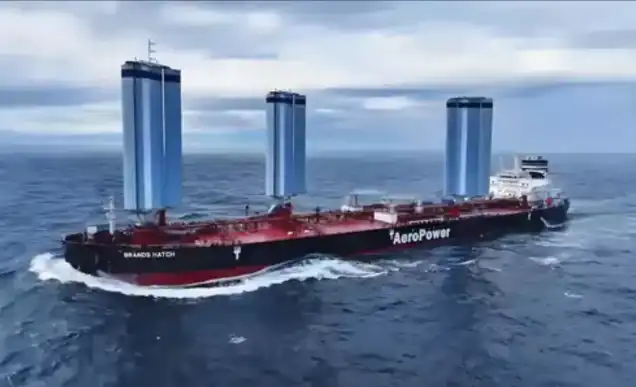
Understanding Wind Assisted Propulsion Systems
Wind assisted propulsion systems are a new way to make ships more fuel efficient. They use natural wind to help power the engine. These new technologies use a variety of mechanical methods to capture wind energy and turn it into power that makes things move forward. This makes propulsion systems less useful because they don't have to do as much work.
Core Technologies and Operating Principles
The marine industry uses several different wind-assisted moving methods, each of which saves energy in a unique way. The Magnus effect lets things go up when they're hit by moving spheres. Rotor sails use this effect. Rigid wing systems change airfoils for the best performance, and kite systems catch high-altitude winds.
Modern stiff wing technologies, like the WindWings® system made with BAR Technologies, offer new ways to solve problems. Unlike standard single-wing systems, these three-element sails have changeable slope and angle of attack, which improves their aerodynamic performance and makes more lift.
Benefits and Operational Advantages
Wind transportation systems provide many benefits beyond saving fuel. Vessel owners enjoy lower greenhouse gas pollution, better adherence to International Maritime Organization rules, and better social marks that eco-friendly charterers like. The methods lower the cost of fuel, which is good for the economy, especially when energy prices change quickly and it costs more to follow environmental rules.
Real-world operational data demonstrates the reliability of modern wind propulsion systems. Vessels equipped with advanced rigid wing technologies have successfully completed operations at major global ports without incident, proving the viability of these solutions for commercial shipping operations.
Key Criteria to Evaluate When Selecting a Wind Assisted Propulsion System
A thorough assessment of many performance and operating factors is needed to choose a good wind assisted propulsion system. To make sure the system runs well and the money spent on it is paid back, the evaluation method has to find a balance between scientific aspects and how it will be used in real life.
Vessel Compatibility and Route Analysis
The type and size of the vessel have a big impact on which wind power method is used. Bulk carriers, tanks, and cargo ships all have their own problems with fitting and ways they need to be used. The system must work perfectly with current deck gear, hatch covers, and goods handling equipment. Route analysis is very important because systems work differently based on the wind patterns, seasons, and geography that affect wind supply.
Trade route characteristics directly impact potential fuel savings and system utilization rates. Vessels operating on routes with consistent wind patterns achieve better performance than those with highly variable wind conditions. The frequency of port calls, typical voyage durations, and cargo operations schedules all influence system selection criteria.
Performance Metrics and Financial Considerations
Quantifying expected performance requires careful analysis of fuel savings potential, system reliability metrics, and maintenance requirements. Modern wind propulsion systems can achieve substantial fuel reductions, with some technologies delivering savings that significantly impact operational economics. The evaluation process must consider lifecycle costs, including initial capital investment, installation expenses, ongoing maintenance, and potential financing options.
When planning the investment payback time, one should consider possible changes in carbon and fuel prices, as well as the chance that eco-friendly ships may be more expensive to hire. If the fleet changes, the financial study needs to take into account that people need to be able to move systems from one ship to another and be able to handle changes.
Supplier Evaluation and Support Capabilities
Selecting the right technology partner involves assessing technical expertise, project experience, and long-term support capabilities. Suppliers should demonstrate proven track records with similar vessel types and operational profiles. Certification from recognized classification societies provides essential validation of system safety and performance claims.
CM Energy and its TSC brand bring extensive experience in marine energy solutions, with over 350 deck cranes deployed globally and comprehensive expertise in sustainable maritime technologies. The company's commitment to innovation, evidenced by 159 authorized patents, ensures access to cutting-edge wind propulsion solutions backed by reliable technical support.
Comparing Types of Wind Assisted Propulsion Systems: Which Technology Fits Your Needs?
Different wind assisted propulsion system technologies offer varying advantages and implementation considerations, making technology selection a critical decision point for vessel operators. Understanding the capabilities and limitations of each approach enables informed decision-making based on specific operational requirements.
Rigid Wing Systems vs. Alternative Technologies
When you use rigid wing designs, you get better thermal performance and more freedom because you can change them to fit different kinds of wind. The three-element method gives the most lift possible and keeps the frame solid in tough sea circumstances.
This is an example of an advanced design: WindWings® technology, which has automatic changes for tilt and angle that optimize in real time. Rotor sails, kite systems, and other technologies each come with their own pros and cons. Some might be less flexible or harder to maintain than others. It's important to think about these things in relation to the specific needs of the craft.
Integration Complexity and Operational Impact
Modern rigid wing systems are designed for seamless integration with existing vessel operations. Advanced positioning systems allow strategic placement between cargo holds, ensuring unimpeded hatch cover operations and cargo handling equipment functionality. The ability to rotate into laydown positions provides safe clearance during critical cargo operations.
Installation considerations vary significantly between retrofit and newbuild applications. Retrofit installations require careful structural analysis and may involve extended dry dock periods, while newbuild integration allows optimized design approaches that maximize system efficiency and minimize operational impact.
Implementation Considerations and Procurement Best Practices
Successful wind propulsion system implementation requires comprehensive planning that addresses technical, operational, and commercial considerations. The procurement process must ensure seamless integration with existing vessel systems while maximizing operational benefits and minimizing disruption.
Installation and Integration Planning
Implementation strategies differ significantly between retrofit and newbuild scenarios. Retrofit installations demand detailed compatibility analysis, structural assessments, and careful scheduling to minimize vessel downtime. The process involves comprehensive ship compatibility analysis, factory acceptance testing, and coordinated delivery and installation procedures.
Newbuild integration offers opportunities for optimized system design and installation processes. Early collaboration with shipyards and design firms enables integrated approaches that maximize system efficiency while minimizing structural modifications and installation complexity.
Maintenance and Lifecycle Support
Long-term system performance depends on comprehensive maintenance planning and ongoing support services. Modern wind propulsion systems incorporate advanced monitoring capabilities, including IoT sensors and remote diagnostics that enable condition-based maintenance strategies. These technologies reduce maintenance costs while ensuring optimal system availability.
Supplier support capabilities become crucial for sustained system performance. Comprehensive service packages should include regular inspections, component replacement programs, and technical support services. The ability to provide global support networks ensures reliable assistance regardless of vessel location.
CM Energy's Advanced Wind Propulsion Solutions
CM Energy has established itself as a technology leader in sustainable maritime solutions, combining extensive engineering expertise with proven manufacturing capabilities. The company's TSC brand represents cutting-edge innovation in marine energy systems, backed by comprehensive global support networks and proven project experience.
Technology Leadership and Innovation
CM Energy's wind propulsion solutions incorporate advanced three-element rigid wing technology developed through strategic partnerships with leading aerospace engineering firms. The systems feature fully automated control capabilities that continuously optimize wing configuration for maximum aerodynamic efficiency. Advanced weather routing systems provide intelligent course planning that maximizes wind utilization opportunities.
The company's commitment to innovation extends beyond individual technologies to comprehensive system integration approaches. CM Energy's solutions incorporate robust construction using marine-grade materials, ensuring reliable performance in challenging maritime environments. The systems are designed for extended operational lifespans, providing long-term value for vessel operators.
Comprehensive Support and Service Excellence
CM Energy provides end-to-end support services that ensure optimal system performance throughout the operational lifecycle. The company's global service network, built through decades of marine equipment deployment experience, provides reliable technical support regardless of vessel location. Comprehensive training programs ensure crew familiarity with system operations and maintenance procedures.
The company's proven track record includes successful equipment deployment across diverse marine applications, demonstrating the reliability and effectiveness of its engineering approaches. This experience translates into superior support capabilities for wind propulsion system implementations.
Conclusion
A thorough analysis of the vessel's individual needs, working limitations, and long-term strategy goals is necessary before choosing the best wind assisted propulsion system. The main factors are how well the technology works with other systems, the projected performance gains, the difficulty of merging, and the level of help the provider can provide. Modern fixed wing systems have great benefits for business boats, especially when they are backed up by strong service networks and proven technical knowledge.
CM Energy's advanced wind power options, provided through the TSC name, give ship owners the most modern technology, as well as a lot of knowledge and assistance from the company. The business's promise to new ideas and helping customers succeed means they can count on long-term relationships for marine operations that are environmentally friendly.
Frequently Asked Questions
Q1: What fuel savings can I expect from a wind assisted propulsion system?
A: Fuel savings typically range from 10-30% depending on vessel type, route characteristics, and wind conditions. Advanced rigid wing systems can achieve savings at the higher end of this range, particularly on routes with favorable wind patterns. The actual savings depend on factors such as vessel speed, cargo loading, and seasonal wind variations.
Q2: How long does it take to see return on investment for wind propulsion systems?
A: Most wind propulsion systems deliver return on investment within 3-7 years, depending on fuel prices, operational profiles, and system efficiency. Vessels operating on high-utilization routes with favorable wind conditions typically achieve faster payback periods. The investment analysis should consider both fuel savings and potential charter rate premiums for environmentally compliant vessels.
Q3: Which vessel types are best suited for wind assisted propulsion?
A: Bulk carriers, tankers, and cargo vessels with regular long-distance routes perform particularly well with wind propulsion systems. Vessels with consistent schedules and predictable wind exposure achieve optimal benefits. The system selection should consider factors such as deck space availability, cargo handling requirements, and typical voyage durations.
Partner with CM Energy for Advanced Wind Propulsion Solutions
CM Energy stands ready to help you evaluate and implement the ideal wind assisted propulsion system for your fleet requirements. As a leading wind assisted propulsion system manufacturer, we provide comprehensive assessment services that identify optimal technology solutions for your specific operational profile. Our technical experts can guide you through the selection process, ensuring maximum fuel savings and operational benefits. Contact us at info.cn@cm-energy.com to discuss your wind propulsion requirements and discover how our advanced systems can transform your vessel operations.
References
1. International Maritime Organization. "Guidelines for the Development and Management of the IMO Ship Fuel Oil Consumption Database." Marine Environment Protection Committee, 2019.
2. Windship Technology Association. "Wind Propulsion Technology Market Report 2024." Annual Industry Analysis and Technology Assessment.
3. Lloyd's Register Marine. "Alternative Fuel and Technology Assessment for Commercial Shipping." Technical Report on Sustainable Maritime Solutions, 2023.
4. Maritime Research Institute Netherlands. "Performance Analysis of Wind-Assisted Ship Propulsion Systems." Journal of Marine Engineering Technology, 2024.
5. Det Norske Veritas Group. "Classification Guidelines for Wind-Assisted Propulsion Systems." Technical Standards and Certification Requirements, 2023.
6. American Bureau of Shipping. "Guide for Wind-Assisted Propulsion Systems for Commercial Vessels." Technical Guidelines for Marine Applications, 2024.