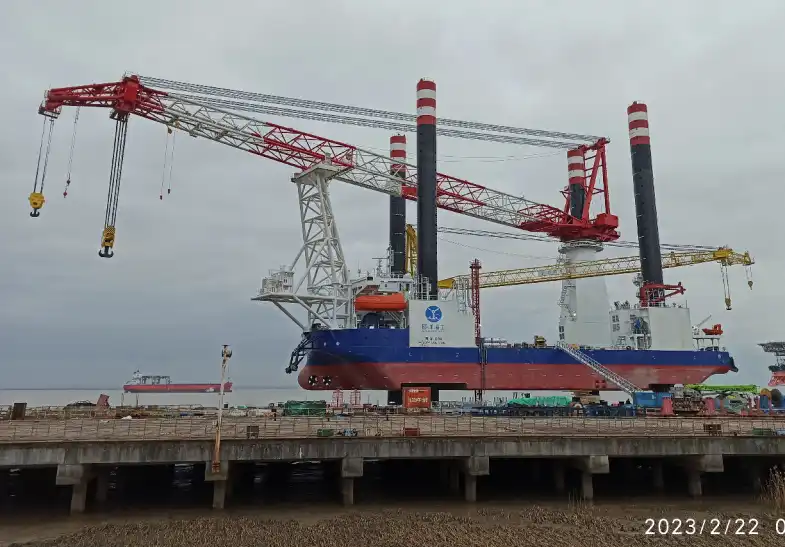
The offshore industry relies on two primary jacking system technologies: continuous and intermittent lifting mechanisms. Continuous jacking systems, like rack and pinion configurations, provide uninterrupted leg movement through constant gear engagement. Intermittent systems, such as yoke and pin mechanisms, operate through sequential lifting cycles with discrete positioning steps. Understanding these fundamental differences helps operators select the optimal jacking system for their specific marine platform requirements, whether for wind turbine installation vessels, drilling rigs, or offshore support platforms.
Understanding Continuous Jacking Technology
Continuous jacking systems represent the pinnacle of precision in offshore platform elevation. These mechanisms utilize rack and pinion technology to deliver smooth, uninterrupted movement of platform legs.
The rack and pinion principle involves climbing pinions that engage continuously with racks attached to platform legs. This design enables operators to raise or lower the hull relative to legs with remarkable precision. Each jacking unit contains multistage planetary gear systems within fully watertight steel casings.
Key advantages include:
- Precise height adjustment with minimal positioning errors
- Smooth operation reducing mechanical stress
- Real-time load monitoring through PLMS systems
- Enhanced safety through failsafe brake mechanisms
- Superior operational efficiency in dynamic conditions
CM Energy's continuous system demonstrates exceptional performance with a high normal jacking capacity and a rated speed suitable for efficient operation. Testing data indicates a significant design fatigue life under normal jacking conditions, showcasing remarkable durability.
If you need precise positioning for wind turbine installation or require frequent elevation adjustments, continuous systems offer superior control and operational flexibility.
Exploring Intermittent Jacking Mechanisms
Operational Mechanism
Intermittent jacking systems employ hydraulic cylinders with pin engagement technology for platform elevation. These mechanisms operate through sequential lifting cycles, positioning platforms in discrete height increments. The core of this Jacking System is the yoke and pin system, where single-acting hydraulic cylinders engage pins with leg holes. Each cycle involves pin engagement, controlled hydraulic extension or retraction, and system repositioning for the next sequence.
System Advantages
This Jacking System design offers distinct benefits. It features a simplified mechanical structure that reduces maintenance complexity and lowers initial investment costs. The robust construction is well-suited for harsh marine environments. Furthermore, redundant hydraulic systems ensure operational continuity, and the mechanism provides excellent load-holding capabilities during demanding storm conditions, enhancing overall platform safety and reliability.
Performance Specifications
The performance of a modern intermittent jacking system is exemplified by models like CM Energy's HSJ-4000TS. This system delivers a substantial normal jacking capacity per leg, along with an efficient hull jacking speed. Performance data suggests a design life that significantly exceeds typical lift cycles, demonstrating exceptional durability. For projects that require cost-effective solutions for accommodation platforms with simplified maintenance, intermittent systems provide proven value and reliable performance.
Operational Differences and Performance Analysis
The operational characteristics between continuous and intermittent systems reveal distinct performance profiles suited to different applications.
Continuous systems excel in applications requiring frequent position adjustments. The rack and pinion mechanism allows operators to stop at any desired height without discrete positioning limitations. This flexibility proves invaluable for wind turbine installation vessels requiring precise positioning relative to turbine components.
Speed characteristics differ significantly between technologies. Continuous systems typically operate at 0.45-1.5m/min, providing controlled elevation changes. Intermittent systems achieve higher speeds during lifting cycles but require positioning time between sequences.
Load distribution patterns also vary between technologies:
- Continuous systems distribute loads evenly across rack engagement points
- Intermittent systems concentrate loads at pin contact areas
- Dynamic loading responses differ during wave action
- Fatigue characteristics vary based on engagement mechanisms
Maintenance requirements reflect design complexity. Continuous systems require regular lubrication of gear systems and rack inspection. Intermittent systems focus on hydraulic component maintenance and pin wear monitoring.
If you need rapid deployment for temporary operations, intermittent systems offer quicker setup times and reduced complexity.
Safety Features and Risk Management
Both jacking system types incorporate comprehensive safety measures, though implementation methods differ significantly.
Continuous systems utilize electromagnetic failsafe brakes that engage automatically during power failures. These spring-applied brakes provide immediate load holding without operator intervention. Real-time brake monitoring systems continuously assess brake condition and performance.
Load monitoring systems in continuous mechanisms include:
- Pressure gauge monitoring for hydraulic systems
- Torque measurement at gear interfaces
- Position feedback through electronic sensors
- Overload protection preventing system damage
- Emergency stop capabilities at all control stations
Intermittent systems employ hydraulic brake systems mounted between motors and gearboxes. These spring-applied, pressure-released brakes provide reliable holding power during positioning cycles.
Safety valve systems in hydraulic circuits prevent pressure spikes that could damage components or compromise safety. Dual counterbalance valves control load during descent operations, ensuring controlled lowering speeds.
Stability control mechanisms differ between systems. Continuous systems maintain constant engagement, providing inherent stability. Intermittent systems rely on pin engagement strength and precise positioning for stability maintenance.
If you need enhanced safety for high-risk operations like offshore drilling, continuous systems offer superior real-time monitoring and failsafe capabilities.
Cost Analysis and Economic Considerations
Economic factors significantly influence jacking system selection, encompassing initial investment, operational costs, and lifecycle expenses.
Initial capital requirements favor intermittent systems due to simpler mechanical designs. Manufacturing costs for hydraulic cylinders and pin mechanisms typically run 20-30% lower than complex gear systems required for continuous operation.
Operational cost patterns reveal different economic profiles:
- Energy consumption varies based on operational frequency
- Maintenance intervals differ significantly between technologies
- Spare parts availability affects long-term costs
- Training requirements impact operational expenses
- Downtime costs vary based on system complexity
Lifecycle cost analysis shows continuous systems often provide better long-term value for high-utilization applications. The precision and efficiency of rack and pinion mechanisms reduce operational time and associated costs.
Insurance considerations may favor systems with proven safety records and comprehensive monitoring capabilities. Many operators find that advanced safety features justify higher initial investments through reduced risk premiums.
Equipment depreciation patterns differ between technologies. Continuous systems typically maintain higher residual values due to advanced technology and broader application ranges.
If you need to minimize upfront capital investment for pilot projects or limited-duration operations, intermittent systems offer attractive initial cost advantages.
Application-Specific System Selection
Platform type and operational requirements determine optimal jacking system selection for specific marine applications.
- Wind turbine installation vessels benefit from continuous system precision. The ability to make fine height adjustments during turbine component installation proves invaluable. Platform operators report 15-20% time savings during installation operations when using continuous systems.
- Jack-up drilling rigs often employ continuous systems for precise positioning relative to wellheads. The superior load-holding capabilities and real-time monitoring align with safety requirements in drilling operations.
- Accommodation platforms and liftboat operations frequently utilize intermittent systems. The cost-effectiveness and simplified maintenance procedures suit these applications well. Lower operational complexity reduces crew training requirements.
- FPSO mooring tower installation requires robust lifting capabilities with reliable positioning. Both system types serve these applications, with selection based on specific project requirements and budget constraints.
- Bridge construction vessels benefit from continuous system precision during piling operations. The ability to maintain exact positioning relative to bridge components enhances construction efficiency.
- Offshore substation installation demands precise positioning for electrical connections. Continuous systems excel in these applications, providing the accuracy required for critical infrastructure deployment.
- If you need versatile platforms serving multiple applications, continuous systems offer greater operational flexibility and adaptation capabilities.
CM Energy Jacking System Advantages
CM Energy leads offshore jacking technology through innovative engineering and proven performance across global marine operations.
Our rack and pinion systems incorporate advanced design concepts from cutting-edge gear industry technologies. The SJ series offers multiple capacity options from SJ220 to SJ1000, accommodating diverse platform requirements. Real-time load display through specialized PLMS provides operators with comprehensive system monitoring.
Failsafe electromagnetic brakes with continuous condition monitoring ensure maximum safety during all operations. Enhanced jacking unit design delivers superior safety, reliability, and operational durability under demanding offshore conditions. Optimized human-machine interface control systems simplify operations while providing intelligent diagnostic capabilities for preventive maintenance.
Our HSJ series pin-type hydraulic systems excel in wind power installation applications. Simple structural design enables easy operation and maintenance while delivering reliable performance at competitive costs. Quality control measures ensure every system meets international standards. Our manufacturing facilities maintain strict quality protocols throughout production and testing phases. Engineering support includes comprehensive installation services, on-site assembly, and operational trials. Our technical teams provide worldwide support ensuring optimal system performance throughout equipment lifecycles.
Conclusion
The choice between continuous and intermittent jacking systems depends on specific operational requirements, budget considerations, and performance expectations. Continuous systems excel in applications requiring precision positioning and frequent elevation adjustments. Intermittent systems provide cost-effective solutions for applications where simplicity and reliability take precedence. Both technologies offer proven performance in offshore environments when properly selected and maintained. Understanding these fundamental differences enables informed decisions that optimize platform performance and operational efficiency. Professional consultation ensures optimal system selection aligned with specific project requirements and long-term operational goals.
Partner with CM Energy for Advanced Jacking Solutions
Selecting the right jacking system manufacturer requires evaluating technical capabilities, industry experience, and long-term support commitments. CM Energy stands ready to provide comprehensive jacking system solutions tailored to your specific operational requirements. As a trusted jacking system supplier, we provide comprehensive lifecycle support from initial design through operational maintenance. Our commitment to customer success extends beyond equipment delivery to include training, technical support, and upgrade services.
Take the next step toward enhanced offshore operations. Contact us at info.cn@cm-energy.com to discuss your jacking system requirements with our technical specialists. Our team stands ready to provide detailed technical specifications, performance data, and customized solutions for your marine platform applications.
References
1. Marine Technology Society. "Offshore Platform Jacking Systems: Design Principles and Operational Considerations." Journal of Offshore Engineering, Vol. 47, 2024.
2. International Association of Drilling Contractors. "Safety Standards for Self-Elevating Platform Jacking Mechanisms." Technical Report IADC-2024-001, 2024.
3. Society of Naval Architects and Marine Engineers. "Comparative Analysis of Rack and Pinion versus Hydraulic Jacking Systems." Marine Technology Journal, Issue 3, 2024.
4. Offshore Engineering Association. "Fatigue Performance of Marine Platform Elevation Systems." Technical Publication OEA-2024-15, 2024.
5. American Bureau of Shipping. "Guidelines for Jacking System Certification and Performance Testing." ABS Technical Standards, Revision 2024.
6. Det Norske Veritas. "Risk Assessment Framework for Offshore Platform Jacking Operations." DNV Technical Report DNV-2024-078, 2024.