The effect of ammonia fuel on ship range shows a big change in marine power technology. By providing better energy efficiency compared to hydrogen and keeping zero carbon emissions at the point of use, modern ammonia fuel systems greatly improve vessel operating capabilities. These systems let ships get good range performance while also meeting strict environmental rules. This makes them more appealing to fleet owners looking for sustainable options that don't hurt working efficiency.
Understanding Ammonia Fuel Systems in Maritime Applications
Maritime ammonia propulsion systems are new and important technologies that change how ships can travel in an environmentally friendly way on shipping lines around the world. These advanced systems include specialized storage tanks, fuel delivery systems, and engines that are built just for burning ammonia or fuel cells.
Core Parts and Joining Technology
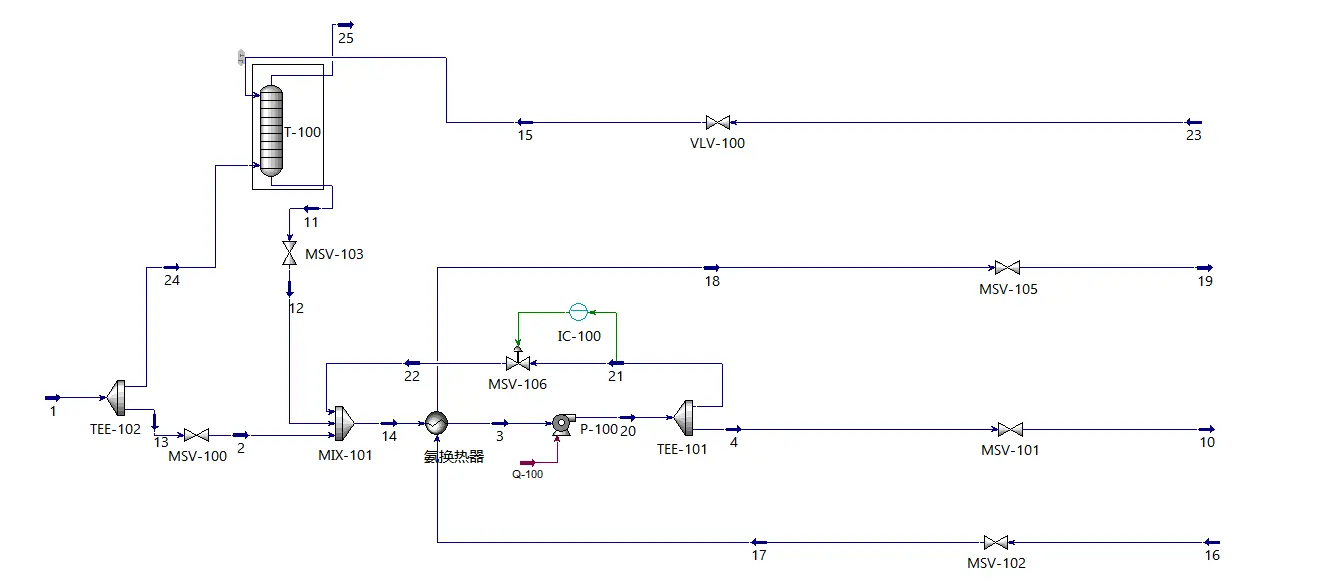
The ammonia fuel supply system is made up of several parts that work together perfectly. During bunkering activities, the filling and storage system safely handles ammonia. At the same time, the Ammonia Fuel Supply System (AFSS) makes sure that engines get the exact amount of fuel they need. The Fuel Vapor Unit (FVU) safely catches and handles ammonia fumes to keep the system working well. Ventilation mechanisms, inert gas systems, and extensive tracking equipment that makes sure the vessel's journey is safe are some of the other safety systems.
Environmental Gains and Following the Rules
Boats and ships driven by ammonia get great environmental benefits while still working well. When ammonia is burned instead of traditional marine fuels, it doesn't release any carbon dioxide, which directly helps the International Maritime Organization (IMO) reach its decarbonization goals. The technology helps shipping companies comply with environmental rules that are getting more strict. At the same time, it keeps the working range that is necessary for the business to stay profitable.
The Influence of Ammonia Fuel on Ship Range and Performance
The unique energy properties of ammonia create unique benefits for optimizing marine range. The fuel's bulk energy density is about three times higher than hydrogen's, which makes it easier to store more efficiently within the limits of the vehicle. This better storage economy means that the operating range is directly improved without having to make big changes to how the vessel is designed.
Benefits of Energy Density
Ammonia fuel has a higher energy density, which allows ships to stay in operation for longer periods of time and makes better use of the room that is available for goods. Ships that use ammonia as fuel can go just as far or farther than ships that use diesel, especially when they use a hybrid system that combines a fuel cell with a combustion engine to get the best possible performance.
Vessel Design and Storage Efficiency
Ammonia storage systems need less room than hydrogen ones. This lets vessel builders make the best use of internal space while keeping the fuel capacity. Because ammonia has pretty simple storage needs, it is easy to install power systems on current ships. This keeps the range of the ships and helps them meet environmental standards.
Measures of Operational Performance
Ammonia-powered ships have recently shown that they can compete in terms of range while also helping the environment. These examples from the real world show that ammonia fuel systems that are built correctly keep vessels of all kinds, from large cargo ships to specialized offshore support vessels, running smoothly.
Comparing Ammonia Fuel Systems with Alternative Marine Fuels
Maritime fuel options have different pros and cons when it comes to range, environmental effect, and practical issues. When gas, diesel, and battery power systems are compared to ammonia across a range of performance factors, ammonia stands out as a strong choice.
Ammonia vs. hydrogen-powered engines
Hydrogen is better for the environment, but ammonia has better storage density and is easier to handle operations. Ammonia storage uses mild temperatures and pressures. This makes the infrastructure simpler and allows it to be used more easily in a range of marine settings. The better storage efficiency leads to better working range.
Comparing Diesel Fuels
Ammonia systems offer zero-emission operating with competitive range performance, while traditional diesel fuel gives a well-known infrastructure and comfortable ways of working. Even though ammonia is handled differently, its benefits for the environment and ability to follow rules make it more and more appealing to fleet owners who think ahead.
Limitations of Battery Electricity
Using battery electricity to power a boat works great for short trips, but there are big problems with it for long-distance marine activities. The operating range is limited by weight and filling facilities. This makes ammonia fuel systems more useful for long trips and heavy-duty business uses.
Procurement and Implementation Insights for Ammonia Fuel Systems
When buying an ammonia fuel system, you need to carefully consider the supplier's skills, how mature the technology is, and the long-term support infrastructure. When choosing ammonia power systems for their ships, people in the maritime industry must think about a lot of things.
Criteria for Choosing a Supplier
By completing projects on time and meeting all approval requirements, leading ammonia fuel system providers show their experience in marine technology. Businesses such as CM Energy, which works under the TSC name, have a lot of experience building ammonia transport ships and modifying them for LPG. Their independently created ammonia fuel supply systems show that they're technically capable of making sure that marine uses are effective.
Installation and Integration: Things to Think About
Marine fuel system integration is a specialized field that is needed for proper fitting. The process follows strict naval standards to make sure the ship's design plans are correct, the tools for installation are ready, and the premade modules are put in the right place. When professionals install transfer pipes, control systems, and safety devices, they make sure that these new parts work perfectly with the vessel's current setup.
An Analysis of Total Cost of Ownership
While the original cost of ammonia systems may be higher than those that use conventional fuels, they are more efficient and better at complying with regulations, which makes them cheaper in the long run. When fleet managers buy something, they need to think about how much money they will save, how it will help the earth, and what future rules might be like.
CM Energy's Advanced Ammonia Fuel Solutions
CM Energy is a leader in the development of marine ammonia technology. They have been able to do this because they have a lot of experience building ammonia transport vessels and working on LPG fuel system upgrade projects. The TSC brand is the company's way of showing that they are committed to making new and better environmentally friendly methods for naval power.
A wide range of system services
CM Energy offers all of the parts needed for ammonia fuel, including devices for filling and storing fuel, as well as safety tools. Industry standards and IMO rules are followed by their systems, which work well in a wide range of marine settings. The company has earned a reputation for dependability and technical excellence by successfully delivering clean fuel supply systems to customers around the world.
These are the main benefits of CM Energy's ammonia fuel systems:
1. When it comes to designing and building dual-fuel vessels, we have the most knowledge in the industry, and we have a lot of experience working with liquid gas carriers and chemical ships.
2. A wide range of solutions for many different types of boats that use methanol, LNG, ammonia, or LPG as fuel.
3. A history of success in delivering clean fuel systems to many kinds of vessels.
4. An innovative way of working that combines knowledge of ammonia carriers with involvement in a zero-carbon laboratory
5. Full lifetime support from the first planning through installation and ongoing repair services
These benefits let CM Energy provide dependable ammonia-based marine power that meets strict standards while also improving overall performance..
Technical Innovation and Safety Features
CM Energy's ammonia systems have high-tech safety features like leak detection, emergency stop options, and built-in harmless gas systems. The heat oxidation and re-liquefaction devices make sure that ammonia is handled safely and that the best storage conditions are maintained during tank operations.
Conclusion
Ammonia fuel systems are a revolutionary new technology for marine power. They increase the operating range while also achieving zero-emission performance. Because of its high energy efficiency and ease of keeping, ammonia is the best replacement fuel for industrial ships. If ammonia fuel systems are used correctly, fleet managers can get good range data and follow environmental rules at the same time. CM Energy's broad options are based on a lot of experience with ammonia carriers and clean fuel systems. They offer dependable ways to decarbonize shipping without hurting operating performance.
Frequently Asked Questions
Q1: How does the ammonia fuel system's range compare to that of conventional diesel engines?
A: Ammonia fuel systems have similar or better range performance compared to diesel engines, especially when using improved hybrid setups. The high energy density of the fuel's volume allows for efficient storage while keeping the ability to do the things that are important for business marine uses.
Q2: How do safety issues affect the use of an ammonia fuel system?
A: Today's ammonia systems have a lot of safety features, like leak detection, emergency stop devices, and special air systems. As long as people get the right training and follow the safety rules, they can be sure that the equipment will work safely and within its range.
Q3: How long do parts of the ammonia fuel system usually last?
A: An ammonia fuel system that has been properly kept will operate reliably for long periods of time. The lifespan of a component depends on how the system is used and how much upkeep it gets, but systems that are built correctly will always work well for the average lifecycle of a vessel.
Partner with CM Energy for Advanced Ammonia Fuel Solutions
CM Energy asks people in the marine industry to look into new ammonia fuel systems that can help with the range of operations and environmental compliance.Learn how our cutting-edge ammonia fuel systems for sale can improve the performance of your vehicle while also meeting strict environmental standards. To talk about personalized solutions for your unique business needs and to learn about test project chances that show how good ammonia propulsion technology is, get in touch with our technical experts.
Contact us at info.cn@cm-energy.com to schedule a detailed consultation and learn more about our comprehensive ammonia fuel system offerings.
References
1. International Maritime Organization. "Fourth IMO GHG Study 2020 - Reduction of GHG Emissions from Ships." Marine Environment Protection Committee, 2021.
2. Ash, N. and Scarbrough, T. "Sailing on Solar: Could Green Ammonia Decarbonise International Shipping?" Environmental and Energy Study Institute, 2022.
3. Lloyd's Register and University Maritime Advisory Services. "Zero-Emission Vessels 2030: How do we get there?" Maritime Decarbonisation Research Report, 2021.
4. McKinsey & Company. "The Future of Maritime Fuel: Ammonia's Role in Sustainable Shipping." Global Energy Transition Report, 2023.
5. DNV GL. "Maritime Forecast to 2050: Energy Transition Outlook." Classification Society Technical Report, 2022.
6. International Energy Agency. "Ammonia Technology Roadmap: Towards More Sustainable Nitrogen Fertiliser and Fuel Production." Clean Energy Transitions Programme, 2021.