Rigid Sail Wind Propulsion System and Its Role in Modern Shipping Decarbonization
The maritime business is at a point where caring for the earth and running efficiently are both important of Rigid Sail. Wind-assisted propulsion systems, especially modern wingsail technology, can completely change the way ship owners find real ways to reduce their carbon footprint. By using natural wind currents to make power, these vertical aerodynamic structures reduce the need for dirty fuels while still being able to make money. Adding automatic wind propulsion to chemical tanker operators, Newcastlemax bulk ships, and LR2 tanker fleets that travel in foreign seas lowers emissions and saves money on fuel, making them more competitive in markets that care about the environment.
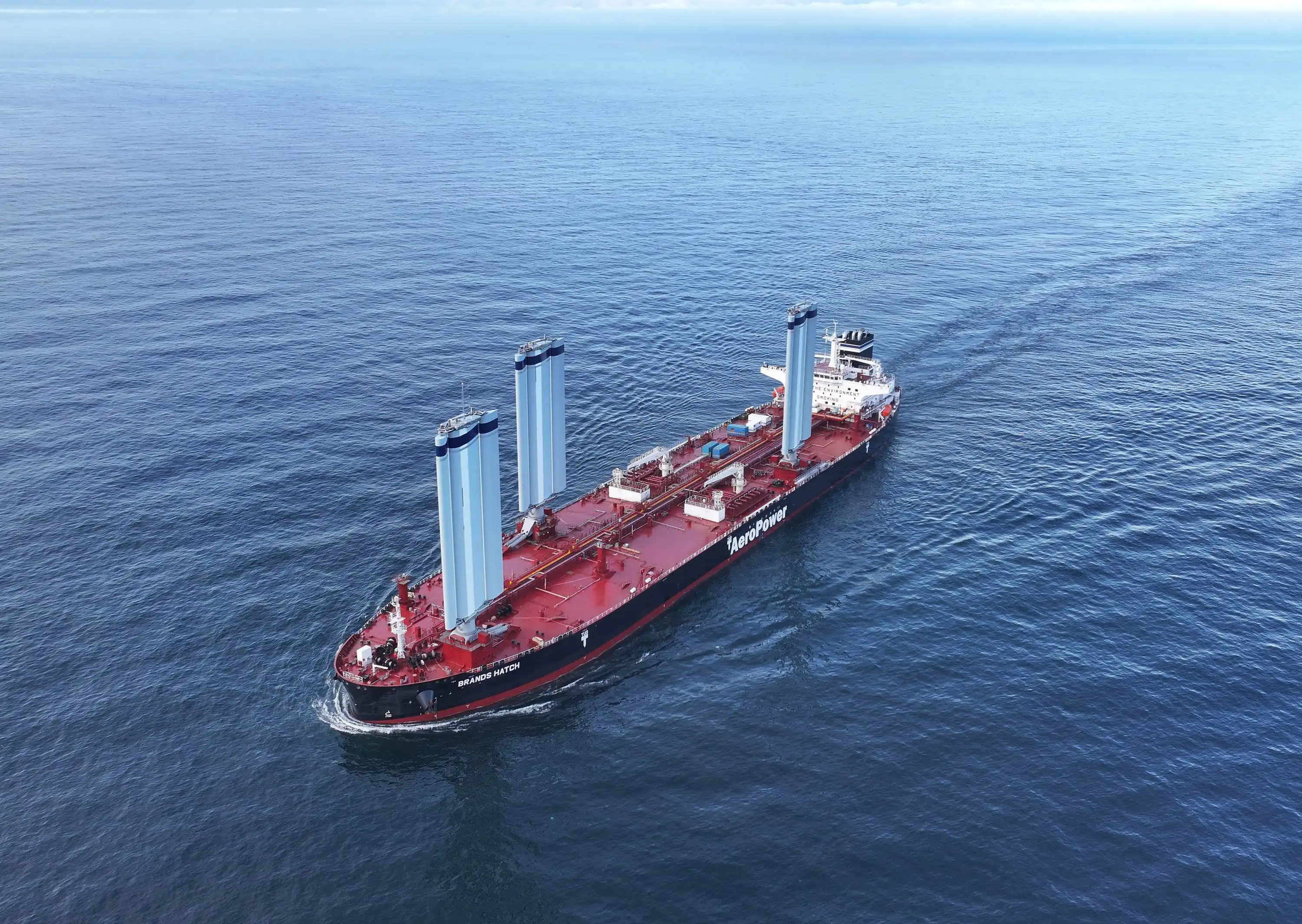
Understanding Rigid Sail Wind Propulsion Technology
A big change in the way ships move has happened since canvas rigging gave way to designed aerodynamic frames. Modern wind-assisted systems use solid aerofoil profiles made from composite materials and marine-grade steel. These profiles are designed to provide steady power in all kinds of weather without the need for deck crew to do anything.
How Advanced Wingsails Generate Propulsion
Traditional soft sails need to be adjusted and trimmed all the time. These vertical wing structures, on the other hand, are run by automated control systems that constantly find the best angle of attack and camber setup. Real-time sensors measure the perceived wind direction, the speed and heading of the ship, and the direction of the wind. Specialised software then figures out the best position for the wings to get the most efficient lift. This controlled response makes sure that ships always do a good job, even when they're going across the Pacific or along the coast, where the winds are quartering.
The three-element design architecture makes lift values that are ten times higher than those of single-surface layouts. The system is over 2.5 times more aerodynamically efficient than regular single-wing designs because the link between the leading edge, main body, and trailing parts is changed. This engineering method is similar to flight concepts that have been changed to work in the marine environment, where problems like salt corrosion, structural loads, and the need to be able to change operations quickly are unique.
Material Innovation and Structural Resilience
When you mix ship-grade steel frames with industrial E-glass composite surfaces, you get the sturdiness that business shipping needs. These materials can stand up to decades of UV light, saltwater soaking, and the mechanical stress of moving goods. The strong construction means you don't have to worry about the canvas wearing out, the fabric getting torn, or the weather-related problems that used to happen with sailing ships. The hydraulic and electrical actuation systems allow for exact control and the same level of dependability as well-known deck gear like cranes and winches.
Integration with Modern Vessel Operations
Strategic placement between the cargo holds on bulk ships shows how modern wind power adapts to the needs of business. During loading, the wing structures rotate into "laydown" positions that make room for hatch covers and tools used to move goods. Because they are so flexible, wind-assisted systems improve practical processes instead of getting in the way of them. Ships with these technologies have made port calls at more than twenty major global hubs without any problems, showing that they can work with the infrastructure that is already in place.
Advantages of Rigid Sails in Modern Shipping Decarbonization
Commercial vessel owners of Rigid Sail are under more and more pressure to show they care about the environment while also keeping fuel costs from going up too much. Wind power technology meets both needs at the same time, making strong business reasons for updating fleets.
Quantifiable Fuel Savings and Emissions Reductions
Performance claims that are often just theories with new technologies are backed up by real-world operating data from ships with improved wingsail systems. Depending on the route and the amount of wind that is available, setups can cut fuel use by up to thirty percent. When one wing saves 1.6 tonnes of fuel every day, it means that 5.12 tonnes less CO2 are released into the air every day. These savings add up to big effects on the environment and the bottom line over the course of a year that includes hundreds of journey days.
The efficiency changes depending on the trade route. Ships that travel on commodity routes from Brazil to China and are exposed to trade winds all the time get the most out of it, while ships that trade on routes in the North Atlantic have yearly changes in their performance. Weather routing software made just for wind-assisted ships helps operators plan passages in the best way to take advantage of natural wind. It does this by combining weather forecasts with journey planning to find the best conditions.
Carbon Intensity Indicator Compliance
The Carbon Intensity Indicator and the Energy Efficiency Existing Ship Index were created by the International Maritime Organization as rules for compliance. These rules encourage technologies that reduce pollution. By using less fuel per cargo-ton-mile, wind power systems directly raise CII ratings. This helps ship owners keep their ratings high, which has a bigger impact on charter choices. When choosing tonnage, charterers who put sustainable credentials first create market benefits for boats that show real gains in environmental performance.
Classification society approval from DNV, Bureau Veritas, Lloyd's Register, and the China Classification Society is an independent way to make sure that systems meet safety standards and perform as promised. This validation by a third party answers worries raised by procurement about the maturity of the technology and the dependability of its operations.
Operational Performance Across Conditions
Multiple operating modes allow wind power systems to work well in a wide range of sailing situations. During guidance, automatic systems are always finding the best way to set up the wings. When ships get close to port facilities or go through restricted seas, their wings spin to feathered positions. This reduces windage and keeps them manoeuvrable. During extreme weather events, automatic safety measures keep the structure safe while the crew stays focused on operating the ship.
This adaptability of Rigid Sail stands in stark contrast to other ideas that need human input or don't work as well outside of specific operating limits. The automated control systems don't require bridge teams to have any special sailing skills—using them is like using common deck tools, so crews don't have to learn standard seamanship skills. Because it is so easy to use, business teams don't have to worry about the training requirements that might stop them from adopting new technology.
Comparing Rigid Sails With Alternative Wind Propulsion Technologies
The world of wind-assisted propulsion is full of different technological methods, and each has its own pros and cons for business ships.
Performance Against Traditional Soft Sail Systems
Canvas and synthetic sails need a lot of deck space to rig, must be handled by hand, and may be hazardous in strong winds. In poor weather, the crew must operate outdoors on the deck with complex line systems, which might cause casualties and complicate operations. UV rays and muscle tension degrade fabrics, therefore they must be changed soon.
Engineered wingsail frameworks automate everything to eliminate these issues. During regular operations, the deck crew is not exposed, and structural pieces last 25 years without substantial replacement. Automated solutions have lower lifetime costs than soft sail systems since they need less manpower and can be repaired more regularly. Initial investment is greater.
Distinguishing Characteristics from Rotor and Flettner Designs
The Magnus effect generates propulsion in cylindrical rotor sails, which need continual power to spin and produce hydrodynamic forces. This added power utilisation reduces net efficiency advantages over passive aerodynamic lift. Because they only require power to place actuators, wingsail designs have a superior net energy balance.
Wingsail technology is superior than kite sail systems that employ aerofoils on tethers in front of boats because it is vertical and automated. Kite systems need a lot of deck area to set up. They may also become blocked with ship superstructures and be useless when approaching a port or when sea transit is restricted. These issues can't occur since vertical wing elements are automatically established and regulated. They suit all journey patterns.
Maintenance Requirements and Operational Complexity
Performance drives business use, but simplicity drives it more. Business ships' maintenance abilities complement wind propulsion technologies based on hydraulic systems, electrical controls, and structural steel manufacturing. Engineering project maintenance teams that can operate on deck cranes can also maintain wings.
Regular equipment maintenance includes examining hydraulic parts, lubricating slewing bearings, inspecting composite surfaces for impact damage, and testing the control system. Creators' long-term service packages provide global team owners additional support and trust. This power technology is simple to maintain, unlike others that need specialist expertise or proprietary service networks that hinder fleet-wide adoption.
Procurement and Implementation of Rigid Sail Systems for Shipping Fleets
Adopting wind power needs an organised look at how well it works with other technologies, how much it costs, and how well it fits into existing systems.
Vessel Suitability Assessment
Some vessels are unsuitable for repairs. Bulk carriers and tankers with vast open decks between the superstructure and forward living quarters offer fantastic storage. Newcastlemax bulk ships on long-haul commodities routes have excellent business reasons because to their well-shaped decks and wind-facing itineraries.
Chemical tanker personnel must consider hazardous area classifications and ATEX compliance while selecting gear for explosive settings. Marine tool manufacturers for certain boats are aware of these legal difficulties and provide legal solutions using non-sparking materials and certified electrical parts.
Financial Evaluation and Return on Investment
How difficult the installation, how many wings are selected, and how the system is connected with the vehicle determine wind propulsion system installation costs. People should consider overall lifespan expenses instead than simply the purchase price while buying. Fuel savings over decades of service add up to a lot of money. Fuel costs and road conditions determine the payback period, which is normally five to seven years.
Carbon credit pricing, greater charter fees for ecologically permitted tonnage, and cheaper governmental compliance expenses from improved CII ratings improve this ROI estimate. Financial models should include these additional value lines when comparing wind electricity to compliance techniques like slow steaming or biofuel uptake.
Manufacturer Selection and Certification Standards
Working with well-known wind propulsion system manufacturers gives you better technology, approval experience, and lifetime support. CM Energy (TSC) has extensive maritime equipment manufacturing expertise, which allows them deliver robust solutions and excellent service networks. The firm has traditionally made nautical systems and deck gear. Their wind propulsion devices feature proven technology and global support.
Separate fluid dynamics research institutes can verify performance claims. WindWings technology, developed with BAR Tech, proves this. Wolfson Unit and Lloyd's Register aerodynamic testing validated its performance. DNV clearance verifies sea structure and safety.
Installation Logistics and Integration Planning
Installs need structured phases, commencing with a vessel-specific compatibility analysis. Engineering teams evaluate construction demands, electrical system integration, hydraulic power availability, and operational process consequences. Factory acceptance testing ensures the system works before launch, reducing risk.
On-site installation is normally done during specified drydock dates, which cooperate with other repairs to limit ship downtime. Modern wind power systems are versatile, making installation simpler. On-board effort is reduced by pre-assembled pieces. After installation, the staff is trained, the control system is calibrated, and the system is tested before it goes back into commercial use.
Future Outlook and Trends in Rigid Sail Technology for Shipping
The technology of Rigid Sail behind wind power keeps changing as the market grows and operating experience leads to better designs.
Automation and Digital Integration Advances
Better sensor groups and machine learning algorithms in newer systems gather operational data and make judgements to increase performance. Smarter weather routing integration occurs over time. Fleet control centers on land now give trip optimisation options that maximise wind help and meet timetables. IoT offers remote tracking and proactive maintenance, preventing gadget failure.
Before investing, operators may digitally create and test proposed infrastructure with various ships and trade lines using digital twin technology. Simulation tools reduce adoption risk by providing data-driven confidence in predicted outcomes.
Regulatory Framework Evolution
Due to the International Maritime Organization's greenhouse gas reduction targets, wind power regulations are improving. By 2030, carbon intensity should be 40% lower than 2008 baselines, increasing to 70% by 2040, providing considerable incentives. Wind-assisted propulsion is one of the most reliable and fast methods to achieve these aims without redesigning the ship or using untested technology.
Flag state governments and port authorities increasingly see wind propulsion systems as nautical tools, not experimental technologies. This simplifies approval and speeds up usage. Normalising rules removes bureaucratic barriers to new technology use, speeding up up adoption.
Market Adoption Trajectories
Market penetration is minimal relative to the worldwide fleet. This indicates significant development potential as more individuals learn technology and build practical track records. Early users who care about the environment and save expenses have an advantage. Better technology and service ecosystems help later entrants.
New ships are increasingly adopting wind propulsion during planning to optimise structural fit and aerodynamic efficiency. Its inclusion into the planning phase prevents retrofitting issues and maximises system optimisation, making it the most cost-effective method. Shipyards and wind power manufacturers collaborate to provide turnkey solutions for charterers that desire green tonnage without the hassle of technology integration.
Hybrid Propulsion System Integration
Wind power complements battery systems, fuel cells, and alternative fuels, which minimise carbon emissions. Hybrid systems using wind-assisted power and hydrogen fuel cells or methanol engines may achieve zero-emission shipping. Wind power reduces base power demands, while alternative fuels offer zero-carbon supplementary power. Together, these solutions accelerate marine decarbonisation more than individual technologies.
Since CM Energy specialises on hydrogen energy tools and marine energy solutions, TSC is a comprehensive partner for ship owners using integrated decarbonisation tactics. This strategy considers propulsion, backup power, and goods-moving tools. Coordinated technological solutions replace point solutions.
Conclusion
Wind propulsion technology, including advanced solutions such as Rigid Sail, is a proven and widely adopted way to reduce carbon emissions in the marine sector, cutting emissions immediately and lowering operating costs. These systems are important for sustainable shipping because they feature automatic control systems, robust designs, and have been tested and proven effective across various ship types and trade routes. When ship owners are exploring solutions to meet stricter environmental regulations, they should prioritize wind-assisted power and other complementary technologies. This allows them to develop comprehensive decarbonisation plans that align with both regulatory requirements and business objectives. Wind propulsion is a key part of the marine industry's environmental transition because the technology is mature, practical, and easy to operate.
FAQ
1. What vessel types benefit most from wind propulsion installation?
Bulk carriers, tanks, and general cargo ships with large open decks and long-distance trade routes get the most out of this. It's especially good for Newcastlemax and Capesize bulk ships that trade on trans-Pacific lines. Chemical tankers, LR2 product tankers, and Ro-Ro vessels also save a lot of fuel. Ferry operators on coastal lines have an edge when they travel through open water, but they can still be flexible when they approach a port.
2. How do automated wing systems perform during severe weather?
Modern control systems have multiple safety modes that keep the structure strong even in the worst situations. Automated feathering moves the wings to reduce wind load, and flexible designs let the plane lay flat during hurricane-force winds. These safety modes turn on automatically based on sensors that measure wind speed and the way the ship is moving. The crew does not have to do anything. The strong building with marine-grade materials makes the structure more durable than normal deck equipment.
3. Can existing vessels accommodate wind propulsion retrofits?
Most business ships made in the last few decades have enough structural strength to support wind propulsion systems, but an engineering study is needed to make sure that each ship is suitable. For retrofit works, the main deck needs to be strengthened in places where loads are concentrated. This can be done during regular drydock repair times. The flexible system design makes installation easier without requiring major changes to the vessel, and the ability to move the system from one vessel to another protects the value of the investment over the equipment's service life.
Partner with CM Energy for Advanced Wind Propulsion Solutions
CM Energy has been making high-quality marine tools for decades and now they are using wind power to make safe systems with full global support networks. The TSC brand stands for our technical skills that have been tested and proven to help the marine industry find new ways to be more efficient and care for the environment. We are a top Rigid Sail maker with a lot of certifications from DNV, Bureau Veritas, Lloyd's Register, and CCS. We offer complete turnkey solutions, from checking for compatibility at the start to providing help throughout the duration.
Our wind power systems work with the way the ship is operated and save close to thirty percent on fuel on favourable routes. IoT tracking lets you see how things are working in real time and plan maintenance ahead of time. Weather route optimisation makes the most of wind advantage across your entire operational profile. Whether you need new setups or are looking at ways to make your current fleets more efficient, our tech teams can make solutions that are exactly what you need.
Get in touch with our technical experts at info.cn@cm-energy.com to talk about how wind power technology can help your decarbonisation plan and make your business more profitable. We'll do a full compatibility analysis, make performance predictions for your trade routes, and make execution plans that are specific to your fleet's needs.
References
1. International Maritime Organization. (2023). "Strategy on Reduction of GHG Emissions from Ships: Revised IMO Greenhouse Gas Reduction Strategy." Marine Environment Protection Committee.
2. Nelissen, D., Trinks, A., Huigen, T., and de Jonge, T. (2022). "Overview of Wind Propulsion Technologies and Their Potential for Commercial Shipping." CE Delft Maritime Research Institute.
3. Lloyd's Register and UMAS. (2023). "Wind-Assisted Ship Propulsion: Performance Validation and Operational Analysis." Maritime Decarbonization Research Partnership.
4. DNV Classification Society. (2024). "Technical Standards for Wind-Assisted Propulsion Systems: Design Approval and Certification Framework." Maritime Technology Division.
5. Traut, M., Gilbert, P., Walsh, C., Bows, A., Filippone, A., Stansby, P., and Wood, R. (2022). "Propulsive Power Contribution of Wind Assisted Ship Propulsion Systems: Analysis of Operational Data." Journal of Marine Engineering and Technology.
6. International Windship Association. (2024). "Wind Propulsion Technology Market Status Report: Commercial Adoption Trends and Performance Data." Annual Industry Analysis.