How do AHC cranes achieve precise load placement in rough seas?
AHC Cranes change the way offshore lifting is done by separating the movement of the ship from the movement of loads that are hung. This is done with real-time sensor input and automated winch control. Using Motion Reference Units, the AHC Crane system constantly checks the heave, pitch, and roll of the vessel. It then quickly changes the wire rope tension and payment speed to keep the load in the same place, no matter how the waves move. This technology lets operators get accuracy down to the millimetre level during important underwater installations. This stops dangerous snatch loads and opens up operating weather windows to include sea states that would stop normal lifting equipment in its tracks.
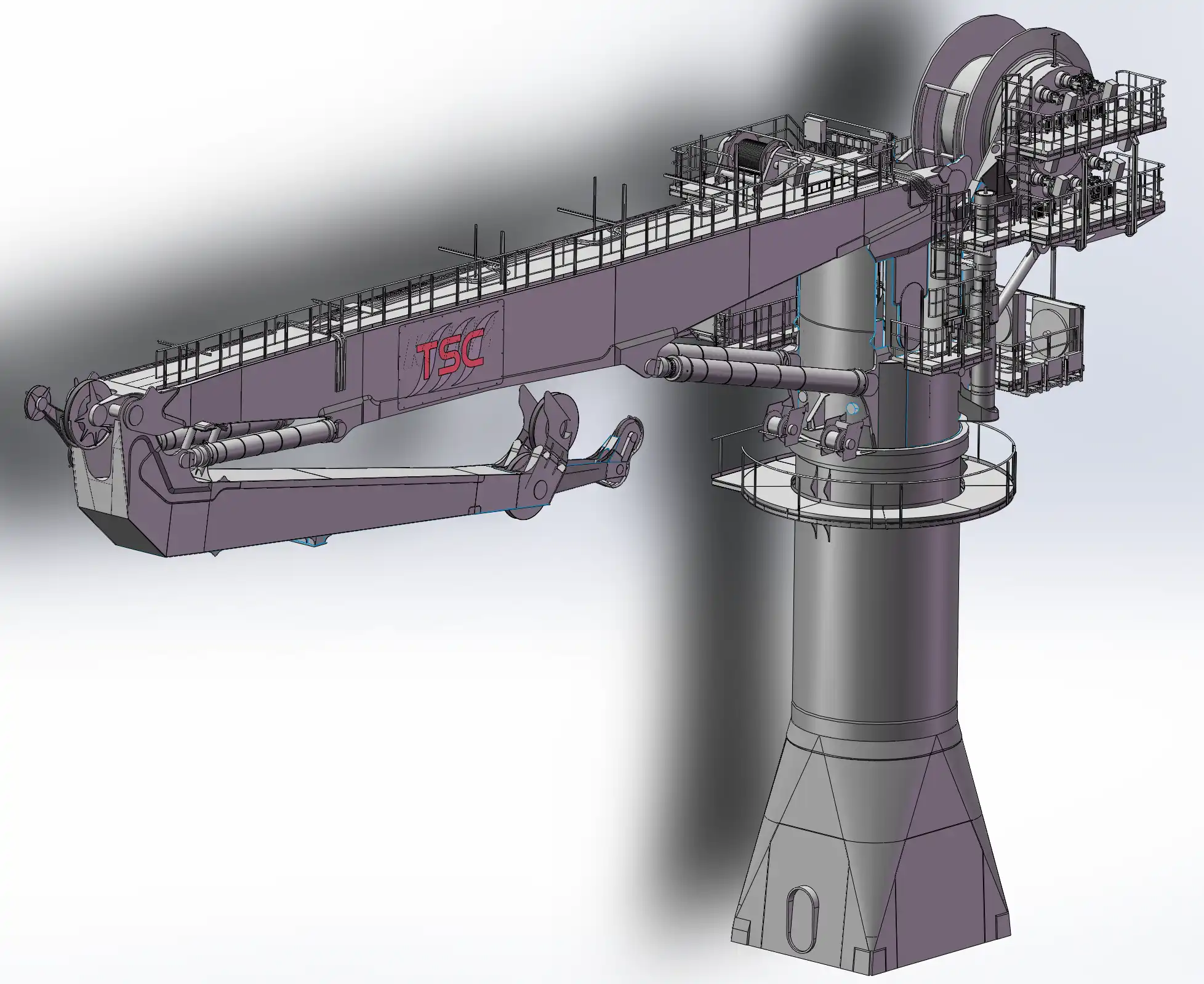
The Challenge of Precise Load Placement in Rough Sea Conditions
When lifting things offshore, there are problems that crane workers on land never have to deal with. When waves cause a ship to pitch and roll, traditional hoisting systems directly pass these movements to the load that is hung. This can cause dangerous oscillations and positioning mistakes.
Wave Motion and Vessel Instability
Ocean waves cause three-dimensional moves in ships: heave (movement up and down), pitch (tilting forward and backward), and roll (tilting side to side). When offshore wind turbines are being installed, a platform that works in 2-meter major wave heights can move more than 5 meters from peak to peak. Normal crane systems can't handle these sudden changes, which makes loads swing around randomly or crash into buildings. Damaged equipment isn't the only problem; project delays add up quickly when installation windows are limited to times when the sea is calm.
Limitations of Traditional Crane Technology
Standard marine cranes can only be placed correctly if the user is skilled and the weather is good. Without automatic ways to make up for mistakes, these systems have a hard time working. It gets harder and harder to place loads accurately as wave times get shorter. It's not possible to do precise work in Beaufort Scale 3 circumstances. FPSO units and offshore support boats with standard raising gear often have to wait days for good weather windows, which costs a lot of money. The effect on the economy is felt across the whole fleet, especially for jobs that need to be done quickly, like installing subsea manifolds or making emergency repairs on drilling sites.
When ships are transferring in open anchorages, both bulk carriers and tanker owners get irritated. Safety gaps need to get a lot bigger without active compensation, which means less effective pulling ability and longer operation times. Because of these inefficiencies, there is a need for advanced systems that can maintain accuracy no matter what the surroundings is like.
How AHC Cranes Function to Overcome Rough Sea Challenges
Active Heave Compensation technology changes offshore lifts by making a smart feedback loop between crane control systems and devices that measure how the ship is moving. Because of this combination, the equipment can predict and stop heave effects before they cause the load to move.
Real-Time Motion Sensing and Control Architecture
Accurate measurements are the first step to making heavy compensation work. Motion Reference Units are placed at the crane's slew bearing in modern systems. These units record acceleration and angular motion data at rates higher than 100 Hz. These sensors send data to programmable logic controls that run special programs that figure out what kind of immediate compensation is needed. Within milliseconds, the control system tells hydraulic or electric winch motors to change the length of the wire rope, which stops the vessel from moving.
TSC's AHC Crane systems combine electro-hydraulic power units with winch parts, making gearbox chains that are very sensitive. With a compensation speed of up to 60 meters per minute and heavy loads submerged, the system can follow the moves of ships across the normal wave patterns found in offshore activities. This quick reaction stops the load from following the vessel's vertical path, which stabilises it in relation to a stable point, like the seabed or a structure that stays in place.
Safety Integration and Operational Modes
Advanced systems have more than just basic compensation. They also have different operating modes that are suited to different lifting stages. Constant tension mode keeps the wire tension at a set level, no matter how fast it is paid out or retrieved. This stops slack wire conditions that could damage equipment or hurt people. When installing things underwater at depths greater than 500 meters, this feature keeps sensitive gear from being shocked as it moves through the splash zone.
Following emergency plans is another important part of safety. If sensors discover problems with the system or when mechanical limits are getting close, fail-safe brakes apply right away, and visual and audio alarms go off to warn operators. These extra steps make sure that the product meets foreign standards like DNV-ST-0378 and API Specification 2C. Certifications from companies like CCS, DNV, ABS, BV, and LR confirm that the product meets these standards.
The private computer systems that run these activities strike a balance between accuracy and dependability. Through decades of improvement, companies like CM Energy under the TSC name have created software structures that stay stable in harsh temperature ranges and corrosive sea environments. This means that the equipment will work without any problems for as long as it's supposed to.
Key Features and Advantages of AHC Cranes in Precise Load Placement
The practical benefits of Active Heave Compensation are many and varied, and have a direct effect on the safety and cost of the project. Knowing these benefits helps procurement professionals make investment choices that make sense and make sure that the capabilities of tools match the needs of operations.
Enhanced Positioning Accuracy and Weather Window Expansion
If the compensation efficiency is more than 95%, a ship that has a 3-meter heave will only move the hanging load by less than 150 millimetres vertically. This huge decrease makes it possible to do precise work in rough seas that would stop normal operations. Offshore wind farm developers really like this feature because installing transition pieces needs alignment errors of just a few millimetres. With AHC Cranes, ships can keep working even when the weather is bad for longer periods of time. This cuts down on downtime and speeds up project timelines.
When you look at system efficiency, the economic effects become clear. Active compensation systems have been added to FPSO units that are installing underwater infrastructure, which has led to 40–60% higher output. Deep-sea rescue operations also benefit because ROV deployment is now possible in situations that were not possible before. When these devices are added to platform supply boats and offshore support vessels, they can do more, so they command higher charter rates.
Multi-Industry Adaptability and Customization
Here are the main benefits that make Active Heave Compensation technology useful in a wide range of marine fields:
- Offshore Energy Infrastructure: When installing and maintaining underwater production equipment like manifolds, risers, and umbilicals, it is important to keep the mating surfaces safe. The compensation system stops damage from impacts during the final approach phases, when other ways could destroy expensive equipment. When moving cold equipment from one ship to another in dynamic placement mode, LNG carrier deck operations are also helped.
- Renewable Energy Sector: Installing wind turbine parts from jack-up ships and floating platforms needs perfect alignment, even though the platforms are always moving. The technology lets base work and nacelle installations happen during longer periods of time during the seasons, so there aren't any short building windows that drive up costs. Higher utilisation rates are reached by port service boats that help these systems.
- Maritime Emergency Response: Salvage activities often happen when the weather is getting worse and quick action is needed to avoid total loss. Active Heave Compensation cranes let you safely move broken equipment or people-evacuation pods when regular cranes would put too many people in danger. Shipyards also use the technology to put together heavy parts, especially when putting machines into ship sections with little room for error.
These applications show a huge range of abilities. TSC designs allow for customisation in terms of work area layouts, moving powers, and environmental conditions. Different types of projects, from harbour lifts in calm waters to underwater systems in areas with big waves, get solutions that are made to fit their specific needs.
Energy Efficiency and Sustainability Contributions
Modern electro-hydraulic systems have energy recovery features that store power in accumulator banks for later pulling cycles after the power is released. Compared to regular hydraulic systems that use steady power, this recycling feature uses less energy overall. As pressure mounts on offshore companies to leave smaller carbon footprints, these efficiency gains make a real difference in meeting environmental goals. Active Heave Compensation systems that are well-designed use little energy, which is in line with the industry's move toward cleaner operations. This helps companies meet their environmental goals without limiting their ability to do business.
Comparative Analysis: AHC Cranes vs Other Crane Types in Marine Context
Before making a purchase choice, it's important to know how well different lifting methods work in sea conditions. There are many different crane designs, but which one is best depends on the type of ship and the operation's needs.
Performance Differentiators in Dynamic Environments
With traditional pedestal cranes and knuckle boom types that don't have active correction, the operator has to be very good at their job to keep the load stable. These methods work well for moving cargo around in harbours and calm seas where ships don't move around much. But as sea levels rise, their restrictions become impossible to meet. Gantry cranes on bulk carriers and container ships have similar problems: they're great at lifting things over and over again between set places, but they can't handle the three-dimensional positioning problems that come up in offshore building work.
AHC Cranes, on the other hand, keep working well even when their working areas get bigger. The main difference between the two types of systems is closed-loop control: passive systems respond to load behaviour after movement has happened, while active systems try to stop motion before it happens. Because of this basic difference, safety margins and working efficiency are much better. VLCC crude oil tankers that are transferring from one ship to another have a lower chance of damaging each other in an accident, and offshore drilling platforms can change out equipment faster when they are mobilising.
Evaluating Supplier Capabilities and Certifications
When choosing a supplier, you need to look at their manufacturing history, certification portfolios, and help systems for after-sales service. Well-known companies keep in touch with major classification groups to make sure their plans meet changing government rules. This dedication is shown by CM Energy, which has product approvals from CCS, DNV, ABS, BV, and LR. This multi-society approval shows that the design is strong and that strict quality control measures were followed during production.
Aside from certificates, procurement workers should also look at how customisable the product is. Offshore projects don't usually follow standard layouts because of things like work radius limits, deck room limitations, and integrating with existing ship systems. Long-term, suppliers that offer full design services, plant acceptance testing, and installation support are more valuable than those that only sell equipment. It's possible to define auxiliary hoist capabilities, people lifting certifications, and specialised rigging arrangements. This makes sure that the end installation exactly meets the needs of operations.
Another important decision factor is the availability of technical help. Equipment that works in faraway offshore areas needs quick help with fixing problems and the movement of spare parts. When fixes or maintenance need to be done, suppliers with global service networks keep projects on track and keep the money coming in.
Procurement Considerations and Maintenance Tips for AHC Cranes
When you buy tools strategically, you weigh the needs of the current job against the prices and operational flexibility you'll need in the long run. A few important factors help people make the best buying choices.
Matching Equipment Specifications to Operational Profiles
Specifications for load capacities must take into account both lifting in harbour and lifting at sea. This difference is important because environmental derating lowers the useful capacity as sea levels rise. If the waves are 1.5 meters high, a crane that is rated for 100-metric-ton harbour lifts might only be able to handle 70 metric tonnes. Specifications for purchases should make it clear what abilities are needed across the expected operating range. This way, equipment can meet production goals without being over-specified, which would raise the cost of acquisition.
In the same way, work radius standards need to be carefully thought through. Offshore wind turbine platforms may need a 42-meter reach to move turbine parts, but underwater building ships focus on being able to lift things vertically and have a shorter horizontal reach. For deepwater activities, the hook travel depth is very important. To support installations deeper than 1,000 meters, equipment needs special wire rope setups and bigger drums. Knowing these factors early on in the buying process makes choosing a seller easier and cuts down on change orders during production.
Lifecycle Management and Preventive Maintenance Protocols
For accurate performance to last, maintenance methods that are specifically designed for marine conditions must be used. The frequency of wire rope inspections needs to take into account the faster wear cycles that come with active adjustment operations. Every three months, magnetic rope testing finds internal wire breaks before they put safety at risk, and visible checks find damage to the outside from corrosion or wear. Because pay duty cycles are very different from regular crane service, replacement criteria should be based on what the maker says instead of general industry standards.
How clean the hydraulic system is has a direct effect on how long control valves last and how accurately they respond. Servo valve degradation can be stopped by checking for contamination in line with ISO 4406 standards, aiming for cleanliness numbers of 16/14/11 or higher. Scheduled fluid analysis finds wear particles and chemical breakdown, which lets repair be planned ahead of time and saves breakdowns during important operations. Electro-hydraulic power unit filters should be inspected at times stated by the maker, and new cartridges should always be on board for quick service.
Verification of the Motion Reference Unit's tuning makes sure that the correction is accurate over time. By comparing MRU output to approved reference standards once a year, the drift that needs to be fixed is found. Manufacturers may release changes for control system software that improve performance or fix problems that have been reported in the field. This makes vendor contact channels useful for more than just buying equipment.
Through its TSC brand, CM Energy provides full lifecycle support, which includes training for operators, help with setup, and planned maintenance programs. These services make the equipment more reliable and increase the return on investment over the 25-year planned life of the AHC Crane. Spare parts can be bought through authorised distribution networks, which cuts down on wait times and the cost of keeping supplies on hand for ship owners.
Financial Considerations and Acquisition Structures
When investing in equipment, you need to look at more than just the purchase price. You need to look at the total cost of ownership as well. The difficulty of installation depends on the type of vessel. For example, retrofits on working FPSOs are harder to do than on jack-up platforms with special crane pedestals. The dates for procurement should include time for engineering reviews, plant acceptance testing, and installation windows that work with the times that the ship is being drydocked.
Different ways to buy things, like lease agreements or equipment-as-a-service models, give you options for project-specific deploys. These choices are good for workers whose workloads change often or for users who want to try out technology before buying it. It's important to carefully read the warranty terms, especially the parts that say what covers exposure to sea environments and how many hours the machine can run. Longer warranty options help you plan your budget for repair costs during the first few years of service.
Conclusion
Active Heave Compensation technology has completely changed offshore lifting operations, making it possible to be more precise than ever before in the rough seas. By using real-time motion sensors, advanced control algorithms, and responsive winch systems, these cranes separate the movement of the vessel from the placement of the load. This makes it possible to work in more weather conditions and increases safety gaps. The uses cover important maritime areas, from building underwater energy infrastructure to developing offshore wind farms. All of them gain from better service and positioning accuracy. The best purchasing choices are those that are based on practical needs, supplier capabilities, and lifecycle factors. This is especially true when working with experienced manufacturers who can customise products and provide full support throughout their service life.
FAQ
1. What makes Active Heave Compensation different from passive systems?
As a result, passive heave adjustment uses mechanical shock absorbers or spring devices that only work after the load starts to move. Active systems use predictive sensors and driven winch control to stop load movement before it happens. This makes them more effective than inactive systems, which are usually only 70 to 80% effective.
2. How often should wire rope be replaced on compensation cranes?
The service life of wire rope in active compensation varies from 6 to 18 months, based on the job cycles, operating depths, and the weather. Regular tests of the magnetic rope and following the manufacturer's guidelines for when to throw it away ensure correct replacement timing, which stops problems before they happen and saves money on early replacement costs. Regular inspections are critical for any AHC Crane.
3. Can existing cranes be retrofitted with active compensation?
A lot of regular ocean cranes can be retrofitted with motion sensors, better control systems, and stronger winch drives. It depends on how strong the structure is, how much deck room is available for hydraulic power units, and how well the electricity system works with the structure. Manufacturers like CM Energy do expert studies to see if retrofits are possible and if buying new equipment is more cost-effective.
Partner with CM Energy for Advanced AHC Crane Solutions
The TSC name from CM Energy offers tried-and-true Active Heave Compensation systems that are backed by 30 years of innovation in marine equipment. Our engineering teams work with clients from the first study of their needs all the way through plant acceptance testing and onboard commissioning to make sure that the equipment exactly meets their needs. We give you trust by showing that our over 350 deck cranes work reliably in tough offshore environments. These cranes have certifications from CCS, DNV, ABS, BV, and LR. Offshore wind platforms, FPSO units, underwater construction boats, and other specialised marine projects can all have their lifting capacities, work radius configurations, and environmental requirements changed to fit their needs. Get in touch with our expert sales team at info.cn@cm-energy.com to talk about your needs and find out why top operators choose CM Energy as their chosen AHC Crane manufacturer.
References
1. American Petroleum Institute. (2018). Specification for Offshore Cranes: API Specification 2C. Washington, D.C.: API Publishing Services.
2. Det Norske Veritas. (2021). Standard for Offshore and Platform Lifting Appliances: DNV-ST-0378. Høvik, Norway: DNV GL Group.
3. Johansen, T., & Nielsen, F. (2019). Motion Compensation Systems for Offshore Crane Operations. Journal of Marine Engineering and Technology, 18(3), 142-158.
4. Society of Naval Architects and Marine Engineers. (2020). Guidelines for Deepwater Lifting Operations. Alexandria, VA: SNAME Technical Publications.
5. Woodacre, J. K., Bauer, R. J., & Irani, R. A. (2015). A Review of Vertical Motion Heave Compensation Systems. Ocean Engineering, 104, 140-154.
6. International Organization for Standardization. (2017). Cranes—Offshore Cranes—Part 1: General-Purpose Offshore Cranes: ISO 19901-6. Geneva, Switzerland: ISO Standards Catalogue.