Are shale shakers reusable after heavy drilling?
Yes, Shale Shakers can be used again after heavy drilling, but how long they last relies on the quality of the parts, how well they are maintained, and how they are used. Heavy drilling puts a lot of stress on the screens, vibration motors, and structural frames. However, if you follow the right check procedures and repair parts when they wear out, these systems will last for years. By knowing which parts need to be replaced regularly and which ones can handle multiple drilling campaigns, procurement managers can make smart choices that balance the initial investment with long-term performance. This way, your solids control equipment will remain a reliable asset for demanding offshore platforms, land-based shale gas operations, and geothermal well projects.
Introduction
Management of drilling fluid is crucial for global drilling safety and efficiency. The Shale Shaker is this system's key solids control device. It separates drill waste from reclaimed fluid. Whether you're drilling for urban infrastructure, offshore platforms, or land-based shale gas, whether equipment can be reused after heavy drilling affects your budget and project timeline.
To address these difficulties, CM Energy, a technology business and innovator in renewable energy technology, created the HS270 Shale Shaker. Over 25% of offshore drilling equipment comes from our TSC brand, which is used on 180 self-elevating platforms worldwide. This article examines technical specifics, maintenance techniques, and purchase options to assist you in determining whether your solids control equipment can be used for several drilling operations, optimising ROI and decreasing downtime.
Knowing whether screening equipment can be reused and how long it will last helps make informed purchases. In the drilling environment, frequent shaking, abrasive mud mixes, and mechanical stress test every portion of the gear. By reviewing performance signals and best practices, procurement managers may pick equipment that works well season after season for complex drilling projects.
Understanding Shale Shaker Reusability
Reusability in solids control tools means that both individual parts and the whole system can keep working properly after being used for a long time in hard drilling conditions. The idea is more than just longevity; it also refers to how well machinery keeps its original separation efficiency, vibration characteristics, and structural stability over the course of several drilling campaigns.
Key Performance Indicators That Define Reuse Potential
The most obvious sign of efficiency is the purity of the screen. Screens come into close contact with rough cuttings and need to keep their mesh holes at the right size to separate things properly. How fast the drilling fluid moves through the screening surface, and the cuttings move to the output end is based on vibration efficiency. The frame, basket, and mounting system must be able to withstand constant motion without developing fatigue cracks or alignment problems. This is called structural resilience. When put together, these three signs will tell you if your drilling equipment is ready for another job or needs a lot of work.
Core Components and Their Typical Wear Patterns
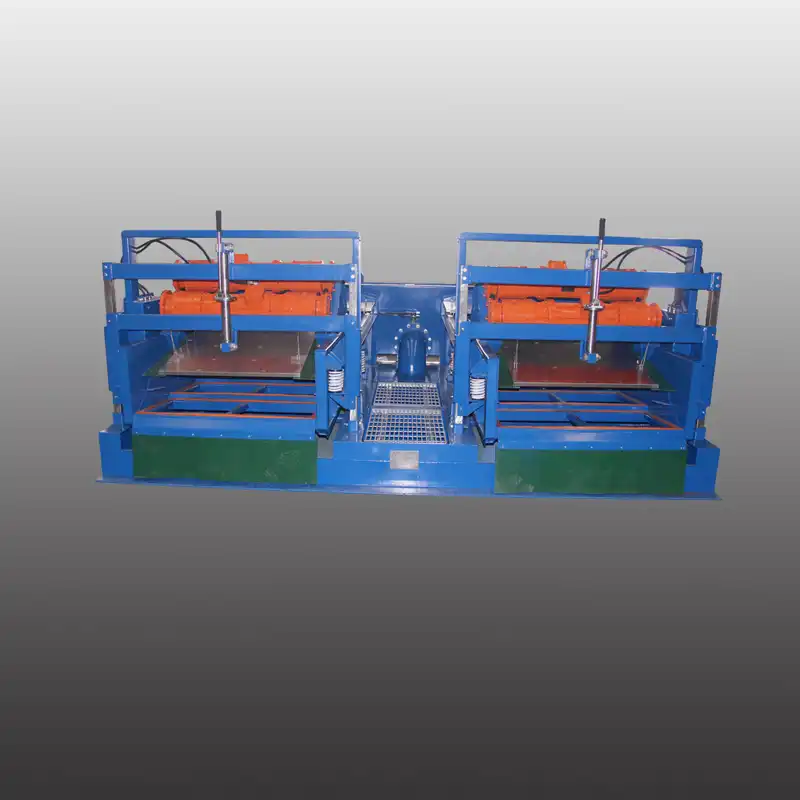
The Shale Shaker basket assembly, which is made of steel metals that have been heated, holds up the screens and absorbs vibrations. Even though they are strong, stress buildup at welding joints can cause tiny cracks to form after a while of use. Vibration motors, which are usually made up of two motors, create the undulating motion that is needed to move objects. Because these motors are always turning, the bearing systems wear out over time and need to be oiled and replaced eventually. The pre-tensioned screens are the part that wears out because they get scratched and blinded, but the support system can last for many screen repairs if it is kept in good shape.
How Drilling Conditions Influence Equipment Life
Abrasion and tiredness patterns are affected by the depth and type of mud in a big way. Barite-based muds that are heavy are often needed for deeper wells. This makes the abrasive load on screened surfaces higher. When compared to water-based systems, oil-based muds pose different problems because they change how solids stick to mesh holes. When you do geothermal drilling, the temperature changes quickly, which can speed up the breakdown of materials. On the other hand, horizontal directional drilling lasts longer and has lower loads. Knowing about these factors helps procurement managers set reasonable replacement and servicing plans that work for their business.
Causes Affecting Shale Shaker Reusability After Heavy Drilling
Heavy drilling puts a lot of mechanical stress on dust control equipment, which wears down parts and makes it less likely that it will be used again. By knowing how these things break down, buying teams can predict when repairs will be needed and look more closely at equipment specs.
Mechanical Stress and Component Fatigue
Welds, fasteners, and mounting places in structures are loaded and unloaded in cycles by continuous shaking. The most noticeable wear is on the screens, where the mesh wires get thinner from rough touch, and the holes get bigger than they should be. If repair times are missed, vibration motors can experience bearing wear and potential imbalance. Even though the basket frame is made to last, it can get tiny cracks where stress builds up, like where the deck fixing bolts connect to the main structure. As time goes on, these patterns of tiredness build up, making equipment less useful until it stops working at all.
Maintenance Practices That Determine Longevity
Regular checks are the key to making tools last longer. By looking at screens, you can see early signs of tears or heavy wear, so you can replace them before they cause more damage. When screens are replaced on time, torn mesh doesn't let large solids pass through, which protects equipment further downstream. Motor bearings won't break down before they're supposed to if they are oiled properly according to the manufacturer's instructions. Bolt torque verification makes sure that structural parts stay safely attached even when the building is vibrating all the time. When businesses use regular repair practices, their equipment lasts longer and can be used again more often than when they only fix problems as they happen.
External Factors Accelerating Wear
Offshore and remote digging activities are hard to do when the weather is bad. Metal surfaces that are exposed to saltwater rust faster, even if they have protective coats on them. Abrasive mud mixtures, especially those with formation sand or gravel-sized pieces, make screen wear rates go up by a huge amount. Running equipment past its rated capacity or not adjusting the deck angle to account for changes in the mud's properties are examples of bad operating practices that put extra stress on parts. These outside factors combine with design limitations in ways that make it important for procurement teams to think about both operating environments and repair culture when deciding what equipment to buy and how long it will last.
Principles and Best Practices for Extending Equipment Life
To make solids control tools last as long as possible, you need to follow specific operating rules that are made for your drilling conditions. The HS270 Shale Shaker from CM Energy is designed in a way that makes these best practices easier to use, but good operating discipline is still needed no matter how good the equipment is.
Proper Calibration and Load Management
Operators may rapidly respond to mud qualities by altering the deck angle without halting the machine. HS270's deck angle is adjusted via a simple handle mechanism that raises or lowers the front spring pedestal. This allows flow rate changes without interruptions. The deck angle is normally 1° to +5°. Higher angles accelerate flow, whereas shorter angles prolong fluid contact with the screening surface. Correct testing balances output and separation efficiency. This prevents overloading, which accelerates component wear.
Controlled vibrations at the correct amount for drilling safeguard screens and solid items. Higher G-force levels accelerate cuts but stress the basket and fixing mechanism. Lower G-force reduces structural stress, but high flow rates might pool fluid. The HS270's two motors provide consistent vibration patterns that personnel may adjust based on solids and mud. This optimises performance and reduces wear.
Regular Systematic Maintenance Protocols
Regular review times prevent minor issues from becoming catastrophic failures. Check for tears, wear, and strain at the start of each shift. Listen for unusual bearing sounds, make sure the deck shakes evenly, and check the electrical connections while checking the engine. Tightening the bolts prevents structural sections from shifting due to vibration-induced loosening.
Solids in the basket and frame are removed during cleaning. This prevents corrosion and checks structural integrity. Because the HS270 is sealed, solid particles can't go into the tank, but the exterior must be cleaned periodically to maintain protective layers and make inspections simpler. A service history helps procurement managers determine when to replace equipment and calculate its total cost of ownership during its lifespan.
Real-World Success Stories From the Oil Drilling Sector
Operators in the Permian Basin said HS270 facilities have been functional for over three years with just screen maintenance and motor bearing replacements. Disciplined maintenance and operation methods provide these benefits. Due to comprehensive inspections and spare parts for speedy component replacement, Gulf of Mexico offshore rigs have survived for years. Due to deck space constraints and environmental regulations requiring maximum fluid recovery.
All effective reuse examples emphasise preventative care over reactive repairs. Purchase managers should specify repair frequency, training requirements, and part availability while negotiating service arrangements. These contract terms convert purchasing tools into a long-term partnership where sellers maximise asset utilisation. TSC's 24x7x365 technical support lets operators seek professional advice on how to optimise equipment performance or repair unexpected issues. This immediately improves service life and reusability.
Comparing Equipment Types and Their Reusability
Different designs for solids control have different effects on how long they last. This makes choosing the right tools a very important decision for procurement workers who care about long-term value. CM Energy's HS270 Shale Shaker series has types with double motion, negative pressure, linear motion, and elliptical motion. Each has its own benefits based on the needs of the application.
Linear Motion Versus Elliptical Motion Designs
Linear motion models create a shaking pattern that runs parallel to the direction of discharge. This makes it easy to move the cuts and predict how they will wear. Linear systems have controlled forces that make attachment points less stressed and increase the life of the basket. Elliptical motion makes a circle shaking pattern that can help some mud systems keep fluids longer and separate them more efficiently, but the more complicated motion may make the machinery more difficult to use. Linear designs are often better for businesses that want to reuse parts for a long time and have simple service needs because they are easier to maintain and wear down parts in a more uniform way.
The Role of Automation in Extending Lifespan
Automated tracking systems keep an eye on the level of vibration, the amount of current drawn by the motor, and the position of the deck angle. These systems warn workers of situations that could speed up wear. Consistent operation cuts down on mistakes made by people, which can cause equipment to be overloaded or set incorrectly. The HS270's design allows it to work with automated control systems while still allowing human override, which balances user judgment with operational consistency. Automation-enabled equipment usually has more predictable wear patterns and longer service intervals between big repair events. However, manual units may be more cost-effective in places that don't have a lot of control infrastructure.
Energy Efficiency and Mechanical Strain Reduction
Modern designs of Shale Shaker utilise less energy and put parts under less mechanical stress due to superior gear systems and motor positioning. The HS270 uses explosion-proof motors for risky environments to provide reliability and safety. Energy-efficient operation reduces operating temperatures and thermal stress on structural elements, extending part life. Reduced noise and better shaking distribute stresses uniformly over the structure, avoiding stress clusters and fatigue crack formation.
Understanding these design variances helps procurement personnel balance initial purchase prices with ongoing maintenance expenditures. Small linear designs may be preferable for high output in a limited space. However, elliptical motion may aid projects that change mud characteristics. With its many motion kinds, the HS270 series may suit many demands. This allows procurement managers to choose equipment that meets practical demands without sacrificing its usability.
Procurement Considerations for Optimum Equipment Reuse
When choosing solids control equipment for heavy drills, you have to think about a lot of things that affect the total cost of ownership and how reliable the equipment is in the field. Aside from the initial buy price, procurement managers need to think about how the specifications of the equipment, the supplier's skills, and the help available after the sale all affect its long-term value.
Evaluating Capacity and Durability Specifications
Processing capacity should match the expected flow rates while also leaving room for extra capacity in case of a rush. The HS270's slightly curved hill deck design makes the screen tension and touch with the support structure better, which improves separation efficiency without the need for higher throughput rates. Specifications for durability include the types of materials used for the frame, the standards for coatings to prevent corrosion, and the motor rates for constant use. CM Energy uses marine-grade powder coating on structural elements and high-strength anticorrosion materials to build screens. This is because the company values longevity over low initial cost, which works well in tough situations like deepwater drilling offshore and high-pressure, high-temperature wells.
Supplier Quality Certifications and Service Networks
Manufacturers with a good reputation keep quality licenses that show they follow industry standards and are dedicated to organised quality management. CM Energy has 159 authorised patents, including 10 idea patents. These show that the company is continuing to invest in technology development and protecting intellectual property. When evaluating a supplier, you should look at their global service networks to make sure they can provide localised help no matter where the digging is happening. Equipment uptime and lifecycle costs are directly affected by how easy it is to get maintenance and repair services through established channels. This is especially true for remote operations where transportation issues make it harder to get parts and expert support.
New Equipment Versus Used Equipment Decisions
Because of limited funds, people often look at used tool options. Even though used units save money right away, buying teams need to carefully look at how they have been used in the past, how long the parts are still good, and what needs to be done to fix them up. If you don't keep up with motor maintenance or look for hidden wear on structural parts, what seems like a good deal could turn into an expensive problem. New equipment from well-known companies like CM Energy comes with a warranty, a history of known care, and meets the latest design standards. Customised solutions on the HS270 make it possible to integrate it in a way that meets the needs of unique operations that may not be met by general-purpose equipment.
OEM Replacement Parts and After-Sales Services
When you can get real OEM replacement parts, you can be sure that they will work with your system and meet the original performance standards. The HS270's PTS screen system has pre-tensioned plane screens that make sure fluids are distributed evenly and last a long time. This is an example of a private part where OEM buying keeps the equipment's integrity. Because CM Energy promises to base plans and bills of materials on technical agreements, parts will always be available, even as equipment gets older. Reliable service after the sale, such as expert help and fast delivery of parts, keeps things running smoothly and lowers business risks. During the procurement process, promises should be made about when parts will be available, how quickly expert help will be provided, and service level agreements that ensure continuous operations for the life of the equipment.
Conclusion
Reusing solids control equipment after heavy drilling is a goal that can be reached if procurement managers choose high-quality equipment, follow strict upkeep guidelines, and work with sellers who care about their customers' long-term success. The HS270 Shale Shaker from CM Energy is an example of how to build something that will last, be easy to fix, and work in a variety of drilling situations. By learning about wear trends, maintenance needs, and best practices for operations, you can make your equipment last longer and keep its separation performance across multiple drilling sessions. If you make strategic purchasing choices based on total cost of ownership instead of minimum first cost, your company will get better operating results and financial returns from investments in solids control.
FAQ
1. What determines screen replacement frequency during intensive drilling?
When to change the screens depends on how rough the mud is, how many solids are in it, and the mesh size that is chosen. When working with formation sand or a lot of cuttings, screens may need to be changed every day. When drilling conditions are better, screens can last for several days. Monitoring the quality of the flow and the drop in pressure across the screens tells you when to replace them so that the separation works as well as possible again.
2. Can equipment be refurbished to restore original performance capabilities?
A full repair that includes replacing worn screens and motor bearings, checking the structure for wear cracks, and re-coating the surface can get equipment back to working almost as well as it did when it was first bought. Whether it's cheaper to repair old equipment or buy new ones depends on how worn out core parts like the basket frame and motor housings are and how long they still have to work. Before agreeing to renovation projects, qualified service providers should do thorough reviews.
3. Which maintenance routines most effectively prevent costly downtime?
A basis for preventive maintenance is made up of daily eye checks to look for damage to the screen, weekly lubrication of the motor bearings, monthly checks of the torque on the bolts, and full structural checks every three months. Keeping detailed service logs of all repair activities allows trend analysis to predict when parts will need to be replaced before they break. This cuts down on unplanned downtime and improves the management of parts inventory.
Partner With CM Energy for Reliable Solids Control Solutions
CM Energy offers cutting-edge solids control technology and full support services for procurement managers looking for long-lasting equipment that works best in heavy drilling settings. Our TSC name is known for being reliable in offshore drilling platforms, land-based shale gas operations, geothermal well drilling, and directional drilling. We are a trusted Shale Shaker maker that makes more than 180 self-elevating platforms around the world. The HS270 Shale Shaker has both new and strong design features. It is backed by our world service network, which offers maintenance, repair, and technical help 24 hours a day, seven days a week. Contact our team at info.cn@cm-energy.com to talk about unique solutions that fit your business needs, to get access to our large collection of new parts, and to use our technical knowledge to get the most out of your investment in drilling equipment in terms of performance and life.
References
1. American Petroleum Institute (2021). Recommended Practice for Solid Control Equipment Testing Procedures, API RP 13C, Eighth Edition. Washington, DC: API Publishing Services.
2. Bourgoyne, A.T., Millheim, K.K., Chenevert, M.E., and Young, F.S. (2017). Applied Drilling Engineering, SPE Textbook Series Vol. 2, Third Edition. Richardson, TX: Society of Petroleum Engineers.
3. Darley, H.C.H. and Gray, G.R. (2019). Composition and Properties of Drilling and Completion Fluids, Seventh Edition. Houston, TX: Gulf Professional Publishing.
4. Gatlin, C. (2020). Petroleum Engineering: Drilling and Well Completions. Englewood Cliffs, NJ: Prentice-Hall Engineering Publications.
5. Mitchell, R.F. and Miska, S.Z. (2018). Fundamentals of Drilling Engineering, SPE Textbook Series Vol. 12. Richardson, TX: Society of Petroleum Engineers.
6. Rabia, H. (2022). Well Engineering and Construction, Second Edition. London, UK: Entrac Consulting Limited Publications.