Automated Sail System in Wind-Assisted Ship Propulsion: Complete Overview
Maritime transportation is changing because of wind-assisted power, and the Automated Sail System is at the forefront of this change. An Automated Sail System combines traditional sailing techniques with cutting-edge technology to let ships use wind power without any help from a person. This technology greatly drops the amount of fuel used, the amount of greenhouse gases released, and the need to follow stricter environmental rules like the IMO's Carbon Intensity Indicator. Adopting wind-assisted ship power is a smart way for business shipping companies that run chemical tankers, Newcastlemax bulk carriers, and LR2 tankers to save money and be better to the environment. This in-depth look at these systems' benefits, selection criteria, and how they can be used in real life is meant to help people make smart buying decisions.
Understanding Automated Sail Systems: Technology and Functionality
What Defines an Automated Sail System?
An Automated Sail System is a high-tech way to move with the help of the wind. It has customisable control units and aerodynamic surfaces. Unlike traditional rigging, which needs help from a crew, these systems work on their own thanks to sensors, motors, and smart software. The Automated Sail System constantly checks the direction, speed, and heading of the wind and the ship, making changes in real time to maximise power production. This cuts down on mistakes made by people and dangerous tasks that need to be done on the deck, while also saving the most fuel in all kinds of sea conditions.
The main parts are advanced control algorithms, hard wing structures or mechanised soft sails, and hydraulic or electric motors. These parts work together perfectly, adapting to changes in the surroundings in a matter of seconds to keep the ship's efficient performance at its best throughout the trip.
System Categories and Operation Modes
There are three main types of modern wind-assisted transportation systems: those that are electric-powered, those that are hydraulically-driven, and those that are a mix of the two. Electric systems are great for ships with strong electricity infrastructure because they are easy to handle and don't need as much upkeep. For bigger setups on bulk ships and tankers, hydraulic systems provide more force. Hybrid designs combine the pros of both types of systems to make them more useful in a variety of situations.
The Automated Sail System has different modes that work in different situations. When the ship is in open water, the system is fully deployed to get the most energy from the wind. It instantly retracts or feathers to keep safety limits when approaching port or while berthing. Extreme weather routines set off failsafe settings that protect both the equipment and the structure of the craft.
Evolution from Manual to Automated Solutions
From the days of canvas sails to today's smart rigid wing technology, the marine business has come a long way. Early mechanisation included simple furling systems, but it wasn't until sensors and microprocessors were added that things became truly automated. Classification groups like DNV, Bureau Veritas, and Lloyd's Register came up with rules for these new ideas, making sure they meet safety and dependability standards.
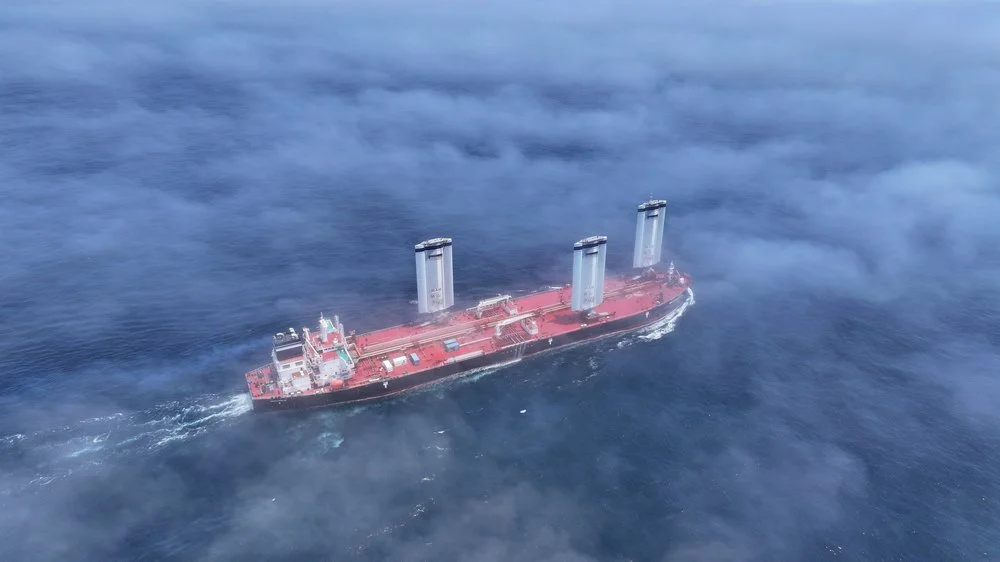
Modern Automated Sail Systems use high lift-to-drag ratios and modern materials science to build on decades of study in the aerospace field. This change can be seen in BAR Technologies' WindWings® technology, which is a three-element stiff sail system with fully changeable camber and angle of attack. The Wolfson Unit and DNV have approved this unique design, which creates more than 2.5 times the lift of typical single-wing layouts. This shows how far wind-assisted propulsion has come.
Benefits and Applications of Automated Sail Systems in Ship Propulsion
Operational and Economic Advantages
Depending on wind and travel, an Automated Sail System may save 5–30% on gasoline. For a typical ocean-going bulk ship, this offers large annual cost savings and decreased carbon intensity. Wind-assisted propulsion vessels may easily fulfil CII compliance regulations, avoiding penalties and satisfying charterers' green tonnage needs.
The Automated Sail System saves fuel and improves safety. The crew no longer handles sails by hand in severe weather, which is unsafe. Automatic controls prevent structural sections from overloading, and built-in tracking systems monitor health. The boats are more dependable, reducing insurance costs and unexpected repairs. This increases boat availability and lowers charter costs.
The technique reduces steady load, extending engine life. Main engines run at decreased power in windy conditions. Wear is reduced, and overhauls are delayed. Predictive maintenance information from IoT monitoring helps personnel plan repairs more effectively and reduce downtime.
Applications Across Vessel Types
Wind-assisted propulsion is effective in many nautical scenarios. Chemical trucks may follow their timetables and satisfy regulatory criteria in Emission Control Areas due to fewer emissions. Long-haul Newcastlemax bulk ships that transport iron ore and coal conserve fuel in trade winds.
LR2 ships employ the Automated Sail System to avoid bunker price fluctuations in unstable fuel markets. Ferry and coastal vessel owners receive their money back quickly—sometimes in less than five years—because they move regularly and follow regular routes. Using the technologies for newbuild integration and retrofitting allows organisations with ships to improve without replacing them.
Ro-Ro boats benefit from easy launch and storage. Automatic retractions before ship operations and bridge crossings help the Automated Sail System meet the tight port schedule. This practical flexibility ensures wind-assisted propulsion doesn't disrupt present processes.
Safety Features and Maintenance Requirements
Safety is still crucial in naval operations, and the Automated Sail System contains several safety elements. To prevent damage or instability, automatic furling activates in heavy winds. Load sensors continually monitor stress and adjust sail angles to distribute stresses evenly across mounting locations.
Human override ports allow the crew to assist. Health tracking examines hydraulic pressure, actuator function, and electrical systems. It then warns before issues arise. This proactive approach decreases crises and improves safety in many situations.
Deck cranes and other naval instruments need comparable upkeep. Electrical linkages, hydraulic seals, and composite surface stability are evaluated routinely. Long-term supplier service packages ensure ships get skilled dry docking assistance. Its ship-grade steel and industrial materials give it a design life of over 25 years, and parts may be relocated between ships if the fleet changes.
Choosing the Right Automated Sail System: Comparison and Decision-Making Guide
Traditional Sails Versus Automated Solutions
Knowing the distinctions between manual rigging and the Automated Sail System helps you appraise an investment. Traditional sails need experienced people, are dangerous to manage, and aren't flexible in bad weather. Automated Sail System solves these issues by operating uninterrupted without human assistance and changing configurations hundreds of times every voyage to maximise wind energy.
The initial expenditure is not the only cost element. Automated systems cost more upfront, but they save money over time since they don't require constant training, and work site accidents imply fewer insurance claims. The system's endurance means critical pieces won't need to be replaced for decades, saving fuel over time.
Smoother operations result from precision. Automated Sail System responds rapidly to wind changes and maintains the optimum sail angles that can't be obtained manually. Power generation and fuel movement depend on this responsiveness. Sea testing and on-board performance monitoring may corroborate this.
Electric Versus Hydraulic Configurations
Electric or hydraulic control depends on the vessel and purpose. Electric systems perform effectively in situations where weight or power production needs stability. Ferry operators and coastal ships that prioritise client comfort like them because they operate softly and are easy to repair.
For larger tanker and bulk ship systems, hydraulic layouts may increase force density. Marine-grade hydraulics can withstand harsh conditions and temperatures. Already-equipped vessels may install hydraulic systems more quickly and leverage their repair skills.
Hybrid techniques employ hydraulic power for major movement and electric accuracy for control. This method boosts speed and conserves energy. It's great for ships with fluctuating power or limited auxiliary engines.
Evaluating Market Solutions and Supplier Reliability
Many well-known wind-assisted transportation firms use proven methodologies. The best method is WindWings®. The three-element stiff wing features unique variable camber. DNV, Bureau Veritas, and Lloyd's Register verified its steel and composite construction. It works reliably in real-world testing.
Procurement managers should verify that an Automated Sail System seller is classified society-approved, review case studies from comparable boats, and assess the supplier's lifecycle support. Installations that perform properly on bulk ships that make multiple global calls without difficulties indicate maturity and reliability.
CM Energy has maritime tool knowledge and can aid with wind-assisted mobility. Over 25% of drilling equipment is TSC, and 350 deck cranes have been installed worldwide. This indicates the company's engineering skills. This foundation enables owners who seek dependable, verified technology and vast service networks to deploy the Automated Sail System.
Procurement and Installation: Practical Guide for Buyers and Engineers
Sourcing Options and Pricing Frameworks
Before you can buy an Automated Sail System, you need to make sure that it will work with your ship and what your tactical goals are. Authorised sellers offer complete packages that include design integration, class approval planning, and supervision of installation. Custom OEM partnerships are good for new construction projects or teams that need specific setups that work with their specific operating profiles.
Prices are based on how complicated the system is, how long the aerodynamic span is, and how the vessel needs to be integrated. Larger sites naturally require more money, but when you prepare more than one ship, you can save money. Hardware, control systems, installation labour, testing, and initial training are all covered by transparent cost models. This makes it possible to accurately plan budgets and figure out returns on investments.
Capital expenditures are spread out over a longer period of time by financing options like marine banks or leasing agreements. Some suppliers offer performance-based contracts where payments are based on how much fuel is saved. This aligns the interests of both the seller and the operator while lowering the risk of the buying process.
Installation Process and Commissioning Steps
Professional fitting makes sure that the product is safe, works well, and stays under guarantee. Starting the process is a study of compatibility, which includes looking at deck structures, stability estimates, and operating clearances. Engineers work with classification groups to get permission for changes to structures and the addition of equipment.
Factory acceptance testing makes sure that the equipment works before it is sent out. After that, the parts are put together on-site by skilled workers who place mounting structures, connect control systems, and install motors. The Automated Sail System goes through a full setup process that includes calibrating the sensors, setting up the software, and running tests while being watched.
Sea acceptance tests compare results to readings taken at the start. Data on fuel use, thrust production, and system response are checked, which sets standards for ongoing performance tracking. After successfully completing the course, operators get training in basic fixing, emergency procedures, and normal operations. This gives the team confidence and skill.
Post-Installation Support and Upgrade Pathways
Long-term value goes beyond the initial installation and includes full assistance services. Warranty protection against flaws in the manufacturing process and broken parts. Usually, it lasts for several years, but you can choose to get extra protection if you need it. With remote tracking, suppliers can keep an eye on the health of a system and suggest repair and software changes before they become necessary.
As technology changes, update paths keep the system competitive. Better control algorithms, sensors, or mechanical improvements can be added to systems that are already in place. This protects the initial investment while taking advantage of the benefits of innovation. Because good Automated Sail Systems are flexible, these changes can be made without replacing the whole system.
CM Energy's dedication to lifecycle services makes sure that users get steady help for as long as the equipment lasts. The TSC brand has decades of experience making marine equipment. They offer repair packages, spare parts, and expert support that keep downtime to a minimum and make the most of your investment.
Troubleshooting and Optimizing Automated Sail System Performance
Common Issues and Diagnostic Approaches
Knowing how to deal with common problems helps workers keep their performance at its best. Sensor calibration drift can lead to less-than-ideal sail positioning, which can be fixed by recalibration on a regular basis according to the manufacturer's instructions. Slower actuation speeds may be caused by a failing hydraulic seal. This can be found by watching the pressure and fixed at regular maintenance times.
Control system mistakes can happen when program bugs or communication problems occur. Diagnostic processes find where the problems are, and resetting the system or updating the software can fix many of them. Keeping thorough operational logs helps with fixing by connecting system behaviour with external conditions. This lets you find patterns and make preventative changes.
Physical checks show signs of wear before they become problems. A normal routine includes checking for crazing on the composite surface, tightness of the actuator mounting bolts, and the stability of the electrical connections. Taking care of small problems before they get worse stops failures from spreading and keeps operations running continuously.
Performance Tuning and Software Optimization
To save the most fuel, routes and operating methods must be constantly optimised. Integration of weather guidance is a big improvement that lets the Automated Sail System work with tools for planning trips. This collaboration finds the best routes by weighing wind availability, distance, port plans, and weather systems.
Through fleet-wide data analysis, speed gains are made to the software through updates. As more operations are done, machine learning systems improve control strategies based on that information. This makes thrust production more efficient over time. Operators gain from constant improvement without having to change the gear, which helps them stay ahead of the competition as technology advances.
Crew feedback helps with optimisation in important ways. Operators who know how to handle a vehicle well can notice changes in performance, which adds context to monitor data. Crew and expert support teams work together to fine-tune system settings for each vessel, maximising benefits while still respecting practical preferences.
Future Trends Shaping Wind-Assisted Propulsion
Regulatory forces are getting stronger, and the IMO wants to see big drops in emissions by the middle of the century. The Automated Sail System puts ships ahead of compliance curves so they don't have to make expensive changes or follow strict rules for operations. New ways of pricing carbon around the world make fuel savings more valuable, which makes return-on-investment estimates for wind-assisted propulsion better.
The next big thing is smart ship connectivity. The Automated Sail System will work perfectly with self-driving guidance systems, making the most of not only the position of the sails but also the whole trip. Predictive maintenance is moving toward making prescriptions, which means that extra parts are automatically ordered and service is scheduled before problems affect operations.
New developments in material science point to designs that are lighter, stronger, and better at reducing drag. New versions will be able to get more energy from the wind while also making them lighter. These improvements keep the Automated Sail System at the forefront of reducing carbon emissions in the marine sector, making sure that early users continue to benefit from the technology gets better.
Conclusion
The Automated Sail System is a stable technology that has been used for a long time and has been shown to improve operations and the environment on a wide range of vessel types. From chemical trucks to bulk carriers, boats to brand-new designs, wind-assisted propulsion can help save money on fuel, make companies more environmentally friendly, and meet government regulations. To choose the right system, you need to carefully look at the features of the vessel, its working profile, and the supplier's abilities. Professional installation, full training, and ongoing optimisation all work together to get the best return on investment. As rules about shipping get stricter and the price of fuel stays unstable, the Automated Sail System goes from being a new idea to a must-have for forward-thinking shipowners who want to make money while being responsible.
FAQ
1. What investment range should operators expect for commercial installations?
Costs vary a lot depending on the physical size, the difficulty of integrating the vessel, and the way the system is set up. Full installs that include gear, installation, commissioning, and training need a lot of money, but financing choices and contracts based on results help keep costs down. Return on investment times are usually between three and seven years, but can be longer or shorter based on the route and the price of fuel. Systems are made to last for decades.
2. How long does installation require for retrofit projects?
Putting in retrofits depends on which vessels are available and how big the project is. Before any actual work is done, there is usually a compatibility study and a classification society approvals process that takes several months. During dry docking, the actual installation process usually takes weeks and includes making changes to the structure, placing equipment, and starting up the ship. Different plans are used for newbuild integration, which works with building schedules to make sure that integration goes smoothly during vessel assembly.
3. Can wind-assisted propulsion integrate with existing navigation systems?
Modern Automated Sail Systems talk to each other using standard marine protocols. This makes sure that they can work with systems for tracking, navigation, and controlling the engines. The combination lets all the systems work together, adjusting the power to take into account the sail thrust and get the best fuel use across all of them. During procurement, technical details should be checked to ensure that the process works with the vessel's equipment to make sure everything runs smoothly.
Partner with CM Energy for Advanced Wind-Assisted Propulsion Solutions
CM Energy is ready to help you switch to more environmentally friendly and cost-effective marine activities by using tried-and-true Automated Sail System technology. As a reliable provider of Automated Sail Systems with decades of experience in marine equipment, we know how to meet the specific needs of chemical tankers, bulk carriers, tankers, and other types of business boats. Through our partnerships with top makers, we can offer certified, class-approved products that come with full lifecycle support.
Whether you work with builders on newbuild projects or run current fleets looking for ways to retrofit them, our expert teams can help you from the initial feasibility study through installation and ongoing optimisation. Get in touch with us at info.cn@cm-energy.com to talk about how the TSC brand's wind-assisted propulsion options can help you save money on fuel, meet CII requirements, and put your fleet at the forefront of reducing carbon emissions in the marine sector. We provide the knowledge, quality, and assistance that make clean technology usage work.
References
1. International Maritime Organization. "Guidelines for the Development and Implementation of Wind-Assisted Propulsion Systems." IMO Maritime Environmental Protection Committee, 2023.
2. Smith, T.W.P., et al. "Third IMO Greenhouse Gas Study 2014." International Maritime Organization, London, 2015.
3. DNV. "Wind Assisted Propulsion: Rules and Certification Framework for Maritime Applications." Det Norske Veritas Classification Standards, 2022.
4. Traut, M., et al. "Propulsive Power Contribution of a Kite and a Flettner Rotor on Selected Shipping Routes." Applied Energy, Vol. 113, 2014.
5. Lloyd's Register and UMAS. "Zero-Emission Vessels 2030: How Do We Get There?" Lloyd's Register Marine, 2019.
6. Bureau Veritas. "Wind Propulsion Solutions: Technical and Operational Guidance for Ship Owners." Bureau Veritas Marine & Offshore Division, 2021.