Durable Leg Material Suppliers for Heavy Industry
Procurement managers have to make a big choice when they're looking for structural parts for offshore platforms, jack-up rigs, and wind turbine installation vessels: which Leg Materials will last in harsh marine environments? Leg Materials support the weight of self-elevating platforms and can withstand salty corrosion, wave impact, and repetitive stress while carrying enormous loads. Specialised parts like main chords, racks, and scales need to be very strong when pulled apart, have exact measurements, and be welded together very well. Finding skilled sources who know how heavy industry applications work is what makes the difference between uptime that costs a lot and uptime that works every time.
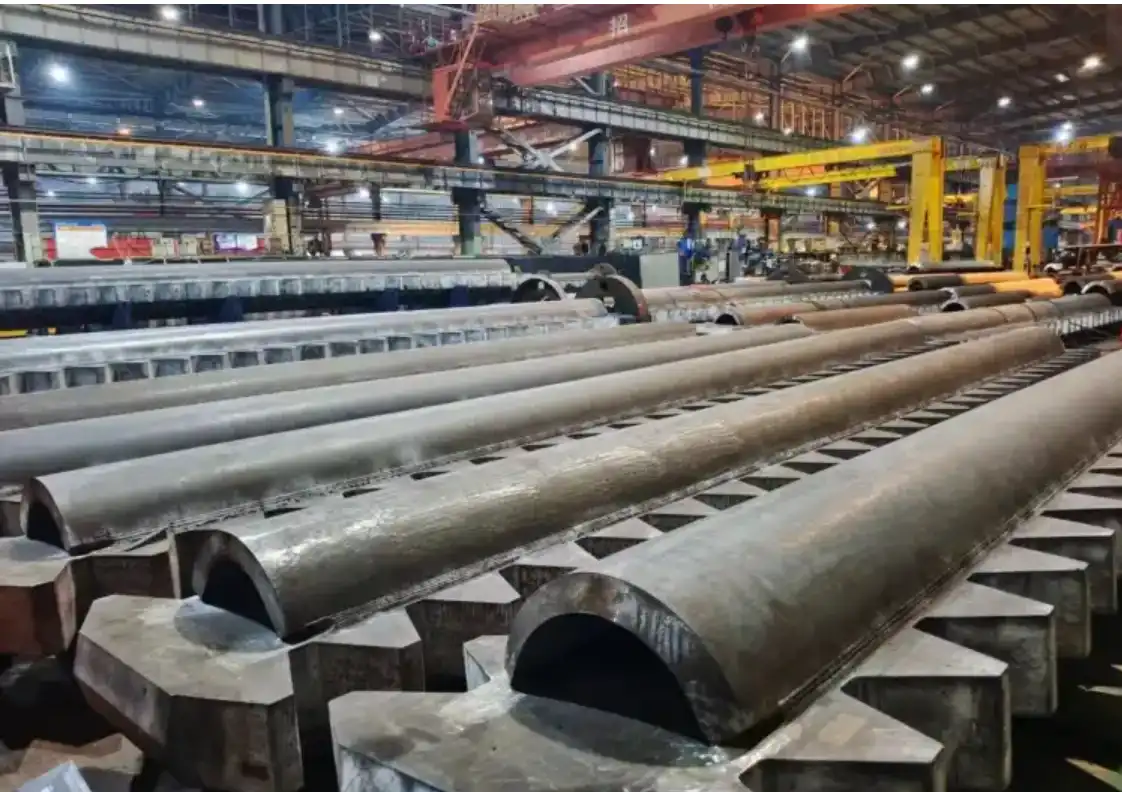
Understanding Durable Leg Materials for Heavy Industry
Any self-elevating offshore platform is built on three structural parts that are all linked to each other and work together to support heavy loads in tough circumstances.
Core Components of Industrial Leg Structures
In pile leg structures, the main links are what hold the weight of the legs together. Lifting forces from the platform deck are sent down through the leg system by these tubular supports, which also fight pressures from the sides. To make these parts, high-strength steel types like EH690, A514, or EQ70 must be used to weld rack plates to semicircular scales. Because these materials aren't easy to weld, they need to be carefully heated before they can be used and must be strictly controlled during fabrication to avoid warping.
In raising systems, rack components are the most important safety part. Precision-machined teeth on the sides of steel plates work with gearboxes to move platforms up and down. There are strict technical requirements: pitch errors must stay within ±0.5mm, and flatness across eight-meter lengths cannot be more than 3mm. The purity of the material is very important, and the amounts of sulphur, phosphorus, and hydrogen must be carefully managed to keep the welding performance and toughness.
Scale parts make the horizontal support strength stronger all over the leg structure. When put together with the main chords and racks, these parts make an arch-frame that supports the weight of the platform and protects it from wind, wave, and current forces. For manufacturing scales, the metal is heated and then quenched and tempered to get yield strengths higher than 690 MPa.
Material Performance in Marine Environments
Offshore activities are very tough, so materials need to be able to keep their shape even when they are constantly exposed to saltwater corrosion, changes in temperature, and mechanical stress. High-strength steel metals are most common in this area of use because they have the right amount of strength and durability to handle heavy loads. In contrast to regular structural steel, these special types go through a lot of heat treatment steps to get the right mix of strength and toughness.
Corrosion resistance is more than just protecting the surface. The chemicals that make up Leg Materials must not contain too many impurities that speed up rusting or encourage hydrogen embrittlement. Protective coatings and regular inspection routines work together with the natural qualities of the material to make a complete defence against damage from the environment. When ordered and cared for properly, high-quality Leg Materials can last for decades in some of the harshest environments on Earth.
How to Choose the Right Leg Materials for Heavy Industry Applications
When buying parts for an offshore platform, you need to carefully consider a lot of factors and find the best mix between technical performance and practical limitations.
Load-Bearing Capacity Assessment
Material choice is based on knowing the exact weight and stress patterns of your application. Self-elevating wind turbine installation boats need different rules than mobile drilling units or platforms for emergency action. When the platform's vertical load is added to the side forces from wind and currents, complicated stress patterns are created in the leg structure.
The minimum yield strength that should be listed in the material specs is usually 690 MPa or higher for marine uses. When holding platforms that could weigh thousands of tonnes, tensile strengths above 790 MPa make sure that there are enough safety gaps. Managers in charge of buying things should ask for specific certifications of a material's mechanical properties to make sure it meets international standards for use in heavy-duty marine applications.
Environmental Compatibility Evaluation
The operating conditions for heavy industry use are very different. Corrosion patterns are different for coastal building projects than for deep-sea diving. Tidal energy platforms go through ongoing immersion cycles, while monitoring platforms may work in places where ice is common.
When choosing materials, temperature ranges, salt levels, and contact times must all be taken into account. Corrosion resistance test results based on neutral salt spray methods should be included in the specifications. Instead of depending only on generic material certifications, procurement teams should make sure that providers do stress tests in settings that are similar to real-life working conditions.
Supplier Capability Verification
Technical specs don't mean much if your supplier can't supply quality parts on time every time. By checking a vendor's manufacturing skills, you can tell the difference between qualified partners and those who just say they are experts. Look for suppliers who have the right kind of specialised equipment for your project size. For example, they might have high-tonnage forming presses that can shape thick-section scales or multiple submerged arc welding stations for making main chords.
Credentials for certification show that quality control methods work. Approvals from classification societies like ABS, CCS, DNV, and BV show that suppliers meet standards for making naval tools that are known all over the world. Production history is also important; suppliers with a lot of experience making platform components bring process knowledge that lowers the number of defects and increases the trustworthiness of delivery.
Comparing Leading Leg Material Solutions in the Market
There are different ways to make Leg Materials in the offshore equipment supply chain, and each has its own benefits based on the needs of the project.
Standard High-Strength Steel Solutions
Most sellers sell Leg Materials that are made from standard types of high-strength steel. For uses with modest load needs and standard size requirements, these options offer reliable performance at a reasonable price. This method works well for projects with limited funds or short deadlines because the materials are easy to find and the manufacturing processes are well-known.
The trade-off is less freedom to make changes. Standard options might need design changes to fit the sizes and lengths of stock that are available. When welding, the process follows set rules that work well for most setups but may need to be changed for odd shapes or specific performance needs.
Engineered Advanced Alloy Systems
Leg Materials from premium sources are made with advanced metalworking techniques that are designed to work in harsh offshore environments. These systems use special heat treatment methods that find the best mix between strength, toughness, and the ability to weld. The end result is parts that stay the same size during manufacturing and have better wear resistance when they're in use.
Teams in charge of buying things should look at the success data from projects that have already been finished. Case studies that show how advanced materials can be used successfully in harsh settings give people faith that they work. Even though they cost more at first than normal choices, they often pay for themselves in important applications because they last longer and need less upkeep.
Integrated Component Systems
Some companies have come up with combined methods that let them make main chord, rack, and scale instruments all at the same time and control the quality all at once. This plan makes sure that all the leg material parts work with each other and speeds up the building process. Because the same production team handles tolerances across parts that are linked, teamwork in terms of dimensions gets better.
The benefit is especially clear in big platform projects where issues with how parts from different sources work together can cause delays that cost a lot of money. Integrated providers take on the risk of coordination and usually offer performance guarantees that cover the whole leg system instead of just a few parts.
Procuring Durable Leg Materials: Tips for Purchasing Managers and OEMs
Smart buying strategies find a balance between a number of goals, such as lowering costs, ensuring quality, ensuring reliable service, and managing relationships with suppliers.
Cost-Value Analysis Framework
Comparing prices must include more than just stated rates; they must also include the total cost of owning. Leg Materials that are less expensive might need to be inspected more often, given extra protection, or replaced earlier. Making financial models that predict the costs of repairs and downtime over the life of an object shows how material choices really affect the economy.
Bulk buying deals can save a lot of money, especially for businesses that are planning projects on more than one site. When producers make volume promises, they can plan production and get raw materials more efficiently, which saves them money that they can share with customers. By negotiating outline deals that set prices for future orders, you can plan your budget more accurately while still allowing for project-specific customisation.
Quality Verification Protocols
Setting clear acceptance standards before materials are shipped keeps disagreements from happening and lowers the chance that low-quality parts will get into your supply chain. The standards for dimensional checking should list the sampling rates, measurement methods, and accepted tolerance ranges. Certifications for materials must be based on mill test results that show the materials' chemical make-up and mechanical qualities.
For welded assemblies, non-destructive testing methods need extra care. Radiographic testing, ultrasonic testing, and magnetic particle testing are all good ways to find different kinds of defects. Specifications for purchases should spell out which testing methods work best for certain weld setups and set acceptable standards that are in line with the rules of the classification society.
Supplier Partnership Development
Building long-term ties with reliable Leg Materials sources gives you an edge over other businesses that only do one-time deals. Preferred suppliers learn a lot about your technical needs and practical tastes. This cuts down on the time it takes to communicate and speeds up response times for urgent needs. When engineering problems come up during the project's completion, collaborative connections let everyone work together to solve them.
Metrics for performance should keep track of more than just on-time supply and failure rates. Check to see if suppliers are ready to offer technical help, make changes to designs, and share ways to make the process better. The best partnerships work like extra engineers on your own team, adding their own unique skills to improve the results of the project.
Maintaining and Extending the Lifecycle of Heavy Industry Leg Materials
Proactive repair plans will protect your investment in high-quality Leg Materials and keep your operations safe for the entire lifetime of the asset.
Corrosion Prevention Programs
High-risk areas where Leg Materials are exposed to the worst weather conditions should be the focus of regular inspections. Visual inspections can find early signs of rust before they damage the structure. Ultrasonic thickness readings count the amount of material loss, which lets you guess how long something will last and plan maintenance tasks.
Protective protection systems need to be renewed every so often to keep working well. Surface preparation standards have a direct effect on how well coatings stick and how long they last. By working with providers who know about marine coating requirements, you can be sure that repair work will return the rust protection your Leg Materials need. Some more modern suppliers make coating systems that work well with the base metal chemistry they use in their leg material goods.
Structural Integrity Monitoring
Over time, operating processes that put stress on Leg Materials cause damage called fatigue. Crack detection programs that use magnetic particles or dye penetrants find problems before they get worse and cause the system to fail. Extra care should be taken in critical weld zones because they are places where stress builds up and may still have flaws from the original manufacturing.
Leg Materials continue to meet performance standards thanks to regular load testing. Degradation trends can be found by comparing observed deflections and strain patterns to data from the beginning. Recording what was found during inspections, repairs, and tests produces a maintenance history that helps with following rules and guides future purchasing choices.
Supplier Collaboration for Asset Management
Forward-thinking providers offer help services that last longer than just delivering the parts. Technical advisory support helps workers understand the results of inspections and figure out the best ways to fix problems. Suppliers who have a lot of experience with different platforms can bring data that shows how similar Leg Materials work in a variety of settings.
When making big repairs, it's important to know how easy it is to get replacement parts. If suppliers keep making old component designs, it's possible to fix things for a low cost instead of having to change the whole leg assembly. As part of the original decision process, procurement plans should check to see how committed suppliers are to long-term parts support.
Conclusion
Technical specs, supplier capabilities, and total ownership costs must all be carefully considered when choosing durable Leg Materials for heavy industry uses. Main chords, racks, and scales make up the structural backbone of self-elevating platforms. They must be very strong and not rust in harsh sea settings. A good buying process combines short-term cost concerns with long-term needs for dependability, all while building relationships with suppliers that offer technical knowledge beyond basic manufacturing. Checking the quality thoroughly, doing regular maintenance, and keeping an eye on how things are working all the time will protect your investment and keep them safe for decades to come.
FAQ
1. What kinds of materials are the most durable for offshore platform legs?
Due to their excellent load-bearing ability, toughness, and resistance to corrosion, high-strength steel alloys like EH690, A514, and EQ70 are very popular in offshore uses. When properly made and cared for, these materials keep their structural integrity even in harsh sea conditions. Yield strengths above 690 MPa make sure that platforms that hold thousands of tonnes have enough safety reserves.
2. How can I be sure that the supplier's Leg Materials parts are of good quality?
Ask for proof of approval from well-known classification groups like ABS, CCS, DNV, and BV. Check out what the production plant can do, especially the specialised tools like high-tonnage presses and multiple welding stations. Look over case studies that show how helpful it was to supply parts for projects like yours. Ask for paperwork that shows how finished parts can be linked to mill test reports for raw materials.
3. What kinds of changes can be made to the platform Leg Materials?
Suppliers you can trust will be able to meet the unique size needs, material grade choices, and testing methods of your project. Rack tooth shape, scale radius requirements, and width ranges can all be changed to fit different platform designs. Talk to providers about your technical needs as early as possible in the buying process to make sure they can meet your needs without affecting delivery times.
Partner with CM Energy for Reliable Leg Material Solutions
The company CM Energy (TSC) is an expert at making high-performance Leg Materials for marine energy uses and offshore platforms. We can make things with a 10,000-ton making press that meets all the current standards for self-elevating platform scales and ten submerged arc welding stations that make main chords. With certificates from ABS, CCS, DNV, and BV, we have shipped parts to almost 50 platforms around the world since 2008. These platforms have helped mobile drilling units, wind turbine installation boats, and jack-up barges work in harsh marine environments. Get in touch with us at info.cn@cm-energy.com to talk about your project needs and find out how TSC can be your reliable provider of Leg Materials.
References
1. Maritime Engineering Standards Institute. (2021). Structural Steel Specifications for Offshore Platform Components. Technical Publication Series.
2. Offshore Platform Research Consortium. (2022). Material Selection Guidelines for Self-Elevating Marine Structures. Industry Best Practices Manual.
3. International Association of Classification Societies. (2023). Quality Standards for Jack-Up Platform Leg Materials. Certification Requirements Handbook.
4. Coastal Engineering Journal. (2020). Corrosion Resistance Performance of High-Strength Steel Alloys in Marine Environments. Volume 45, Issue 3.
5. Society of Naval Architects and Marine Engineers. (2022). Load-Bearing Requirements for Offshore Wind Installation Vessels. Technical Conference Proceedings.
6. Marine Equipment Manufacturers Association. (2023). Procurement Guidelines for Heavy Industry Platform Components. Buyer's Reference Guide.