Leading Centrifugal Pump Suppliers for the Oil Industry
China has become a major player in the oil industry's centrifugal pump making, providing solutions for bases at sea, activities on land, and unique uses. By using cutting-edge technology, strict quality control, and low prices, Chinese makers make world-class, reliable equipment that can compete with traditional providers and meet the growing need for high-performance pumping systems that can work in a wide range of conditions.
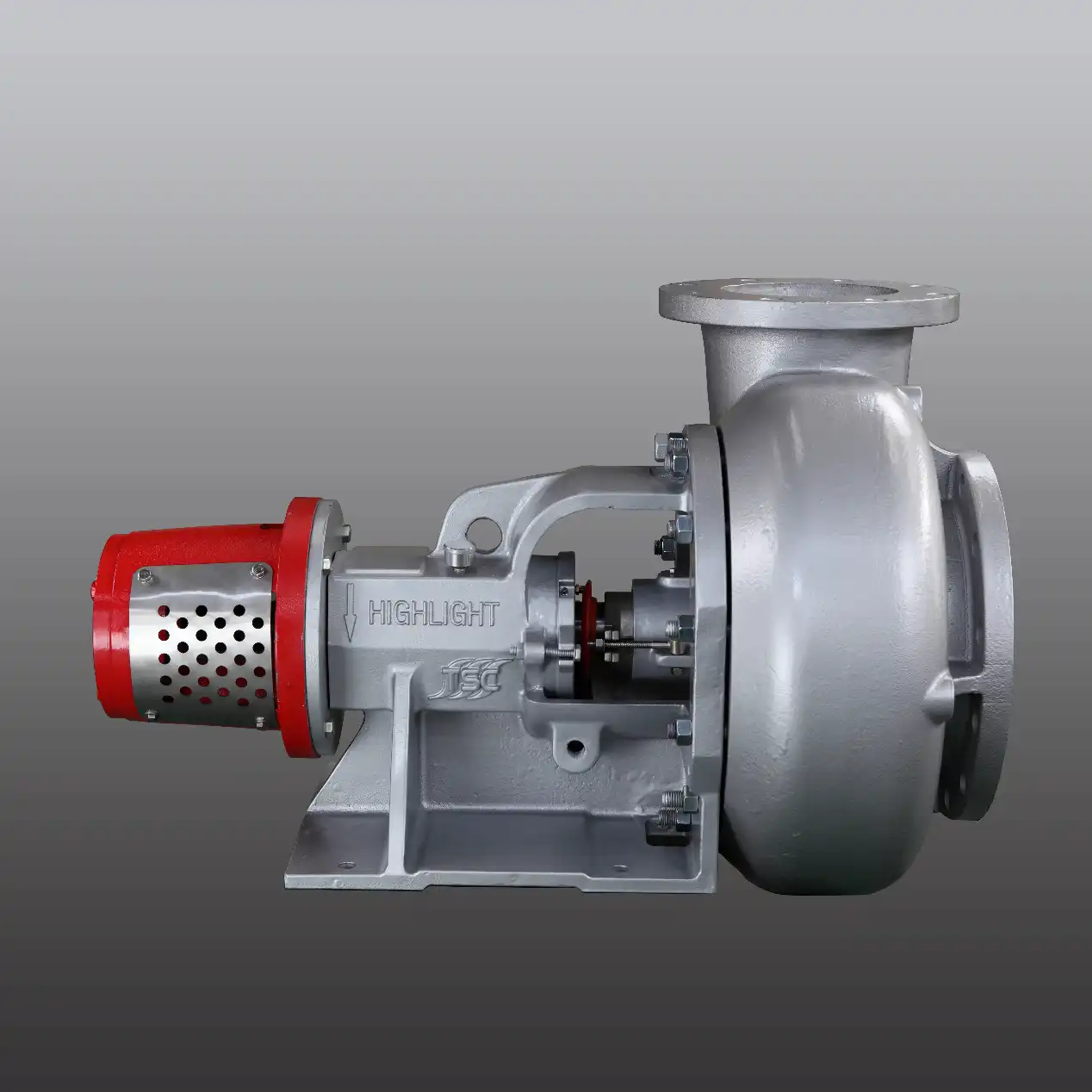
China's Manufacturing Excellence in Centrifugal Pump Production
Advanced Manufacturing Infrastructure
China's centrifugal pump factories have state-of-the-art equipment for precise cutting, casting, and automatic assembly. When CAD tools and current methods are combined, customizing can be done quickly. Flow measuring and cavitation testing are done in dedicated testing labs to make sure that pumps for marine and geothermal activities work well.
Technological Innovation and R&D Capabilities
Leading Chinese makers put a lot of money into research and development to make pumps more efficient, less maintenance-intensive, and able to last longer. Advanced rotor designs improve hydraulic performance while reducing wear in rough environments, which is common in mine core sample and drilling for environmental cleanup.
New discoveries in material science have made things more resistant to rust and better at holding together. High chrome metals and special finishes make equipment last longer in harsh settings, and improved bearing systems cut down on the time between upkeep checks so that equipment can be used continuously.
Strategic Approaches to Manufacturer Selection
Comprehensive Technical Assessment
Look at a manufacturer's technical skills, output ability, and quality control methods to judge them. Look at info on pump curves, hydraulic specs, and NPSH needs. For quality control, look at the casting, machining, and assembly methods, as well as the choices of mechanical seals, bearings, and motor couplings.
Quality Management System Evaluation
Check out the business's quality management system. It should have rules for how to do things, ways to review them, and standards for tests. Suppliers you can trust have strict quality control programs that check the raw materials, keep an eye on the work that's being done, and test the end product.
Check out how they handle controlling documents, methods for tracking things, and efforts to make things better all the time. Companies that care about quality keep careful records of the conditions of production, test results, and performance data that help with evaluating long-term dependability.
Supply Chain and Production Capacity Analysis
Check out how stable the manufacturer's supply chain is, how they find raw materials, and how flexible their output schedule is. Knowing how well they can handle changing order numbers and shipping needs helps make sure that supplies are always available.
Consider doing an analysis of the inventory management procedures that they use for essential components such as bearings, impellers, and shaft seals. The reduction of downtime and the simplification of maintenance planning for operating locations are both supported by suppliers that have comprehensive spare parts programs.
Essential Certification and Compliance Standards
International Quality Certifications
ISO 9001 certification provides fundamental assurance of quality management system implementation. However, specialized applications often require additional certifications such as API standards for petroleum industry equipment or ATEX certification for explosive atmosphere applications.
If something has a CE mark, it means it meets European safety standards. If it has a RoHS mark, it means it meets environmental standards for dangerous chemicals. These certificates show that the maker is committed to meeting foreign standards and government rules.
Industry-Specific Standards Compliance
When it comes to centrifugal pumps used in the petroleum sector, compliance with API 610 requirements is something that is often required for oil and gas applications. Classification society approvals from organizations like as ABS, DNV, or Lloyd's Register may be necessary for marine applications for certain purposes.
Certain material certifications are often required for environmental applications, notably for stainless steel components that are used in water treatment or remediation operations. Having an understanding of these standards makes it easier to locate manufacturers that possess certification portfolios that are suitable.
Testing and Validation Requirements
Validation of pump performance under specified operating circumstances is accomplished via the use of comprehensive testing methodologies. The capabilities of pressure containment are validated by hydrostatic testing, while performance testing validates flow rate and head pressure parameters over the whole working range.
The purpose of endurance testing is to verify the long-term dependability of a system under circumstances of continuous operation. The objective of advanced manufacturers is to forecast the performance of their equipment over longer service periods by conducting accelerated life testing.
Effective Sourcing Channels and Platform Utilization
Digital Procurement Platforms
To facilitate the process of sourcing, contemporary business-to-business platforms include verified manufacturer profiles, product specifications, customer feedback, and communication tools. It is possible to conduct focused searches and improve supplier verification for essential applications via the use of specialized industry platforms for oil and gas equipment.
Trade Shows and Industry Events
OTC and Pump & Valve World Expo are two examples of international exhibits that provide opportunities for direct connection with manufacturers, demonstrations of equipment, and technical talks. Through the use of technical seminars and workshops, regional trade exhibitions in China provide attendees with the opportunity to get access to rising producers and significant industry insights.
Direct Manufacturer Engagement
The creation of individualized solutions and improved technical assistance are both made possible via the establishment of direct ties with manufacturers. When it comes to particular application needs and performance goals, direct involvement makes it easier to communicate things more effectively.
Long-term relationships often lead to better price, earlier ordering of production, and better help after the sale. Building these kinds of connections takes time and work to help both sides understand each other and trust each other.
OEM/ODM Partnership Considerations
Design and Development Collaboration
Clear sharing of technical, performance, and quality needs is key to OEM relationships that work. Reviewing, trying, and giving comments on prototypes on a daily basis is good for collaborative design. It's important to protect intellectual property and have clear deals about who owns what, what rights are granted, and how technology is transferred.
Manufacturing Process Integration
ODM partnerships balance quality and flexibility by incorporating customer needs into standard processes. Timely delivery and efficient operations are ensured by coordinating production plans, and clear communication helps set standards and solve problems before they happen.
Quality Control and Inspection Protocols
Product quality is always the same because everyone agrees on the quality control steps. Regular checks and reports keep standards high and find ways to make things better. Third-party checks provide independent confirmation, which is important for mission-critical tasks where equipment failure could cause major problems.
MOQ and Pricing Negotiation Strategies
Volume-Based Pricing Optimization
Understanding cost structures aids negotiation strategies. Fixed costs can be amortized across larger orders, lowering unit costs. Long-term agreements with volume commitments often secure better pricing and priority production scheduling.
Payment Terms and Risk Management
Flexible payment terms, like letters of credit and milestone payments, offer protection and strengthen partnerships. Currency hedging manages exchange rate risks, while understanding local banking relationships ensures smooth transaction execution.
Total Cost of Ownership Considerations
A comprehensive cost analysis of a Centrifugal pump includes purchase price, transportation, installation, and long-term maintenance. Energy efficiency and extended maintenance intervals can offset higher initial costs. Spare parts availability and pricing, especially in remote locations, should be addressed during negotiations to manage future maintenance expenses.
Factory Audit and Quality Assurance Best Practices
Pre-Audit Preparation and Planning
Effective factory audits require reviewing quality management documents and production processes. Timing audits during active production periods allows observation of manufacturing practices and quality control, ensuring a more accurate assessment of standards and practices.
Manufacturing Process Assessment
Examining manufacturing processes and equipment maintenance provides insight into quality practices. Observing operations, assembly, and testing reveals true capabilities, with well-maintained facilities reflecting a commitment to consistent quality and process control.
Quality Control System Verification
Reviewing quality records, test data, and calibration logs ensures effective quality control. Interviewing staff reveals their understanding and commitment, with well-trained personnel typically delivering more consistent and reliable results.
Leading Supplier Characteristics for 2026
Technology Integration and Innovation
Advanced manufacturers integrate digital technologies like Industry 4.0 for real-time monitoring, predictive maintenance, and quality traceability. AI in design optimization and analytics enhances performance, speeds development, and improves product reliability.
Sustainability and Environmental Responsibility
Environmental focus drives the development of energy-efficient centrifugal pump designs and sustainable manufacturing. These designs emphasize repairability, recycling, and extended service life, aligning with the growing industry commitment to resource conservation and environmental responsibility.
Global Service Network Development
Top manufacturers set up global service networks to enhance support and reduce response times. Remote monitoring helps optimize performance, schedule maintenance, and minimize downtime, extending equipment life and improving customer satisfaction.
Conclusion
To choose the best centrifugal pump maker in China, you need to carefully look at their technical skills, quality standards, and customer service. Doing your research and being clear about what you want from the partnership are the keys to its success. China's makers are offering more and more world-class products that are backed by strong quality systems and new technologies. Finding sellers whose skills match the needs of a particular application while also offering long-term help and chances to keep getting better is key to success.
FAQ
1. What are the most important factors when selecting a Chinese centrifugal pump manufacturer?
Technical expertise, quality certifications, manufacturing capabilities, and service support represent the most critical selection factors. Evaluate their experience with similar applications, quality management systems, and ability to provide ongoing technical support throughout the equipment lifecycle.
2. How can I verify the quality standards of Chinese pump manufacturers?
Check the company's ISO certificates, compliance with industry norms, and quality records. Do surveys of the plant, look at the testing options, and ask current customers who have used similar products for examples. Third-party screening services add another layer of proof.
3. What certifications should I look for in Chinese centrifugal pump suppliers?
ISO 9001 quality management certification provides fundamental assurance. Industry-specific certifications like API 610 for petroleum applications, CE marking for European markets, and classification society approvals for marine applications may be required depending on your specific needs.
Partner with CM Energy for Superior Centrifugal Pump Solutions
CM Energy stands at the forefront of centrifugal pump manufacturing, combining decades of engineering expertise with cutting-edge production capabilities. Our comprehensive range includes HCP, HCP-S, and PF series pumps specifically designed for demanding oil and gas applications. With substantial global offshore drilling equipment coverage and numerous authorized patents, CM Energy delivers proven reliability for critical operations. Contact us at info.cn@cm-energy.com to discuss your specific pumping requirements and discover how our advanced centrifugal pump solutions can optimize your operational performance.
References
1. International Energy Agency. "Global Energy Review 2024: Oil and Gas Infrastructure Development Trends." Energy Infrastructure Analysis, 2024.
2. American Petroleum Institute. "API 610 Standard: Centrifugal Pumps for Petroleum, Petrochemical and Natural Gas Industries." Technical Standards Publication, 2023.
3. Offshore Technology Magazine. "Advances in Pump Technology for Deep Water Applications." Marine Equipment Review, Vol. 45, 2024.
4. China Machinery Industry Federation. "Annual Report on Pump Manufacturing Industry Development." Industrial Equipment Statistics, 2024.
5. World Pumps Magazine. "Global Pump Market Analysis: Regional Manufacturing Capabilities and Technology Trends." Industrial Pump Survey, 2024.
6. International Association of Drilling Contractors. "Equipment Reliability Standards for Offshore Operations." Safety and Equipment Guidelines, 2023.