Marine LNG Fuel Gas Supply System for Ships Explained
The Marine LNG Fuel Gas Supply System is a completely new way for ships to move, and it changes how ships handle and use natural gas fuel. These complex systems are the key link between cryogenic storage tanks and dual-fuel engines. They bring compressed natural gas from a storage temperature of -163°C to the exact temperatures and pressures needed by modern naval propulsion systems. The technology solves important marine problems like meeting emission standards, getting the most out of fuel, and making sure operations are safe in rough ocean settings.
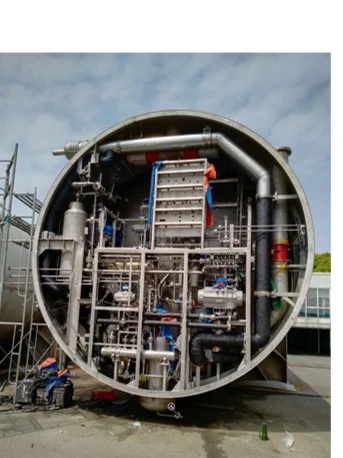
Understanding Marine LNG Fuel Gas Supply Systems
LNG Fuel Gas Supply System technology includes special equipment made to store, prepare, and safely deliver liquefied natural gas for use as fuel on business ships. Traditional fuel systems deal with liquid gasoline products at room temperature. These systems, on the other hand, deal with cryogenic conditions that need high-tech protection and strict safety rules.
Core System Components and Functionality
Modern fuel gas supply systems are made up of a number of linked units that work together to make sure fuel gets to where it needs to go reliably. LNG is kept at very low temperatures in cryogenic storage tanks, and liquid natural gas is turned into gas by specialized heaters. Pressure regulation units adjust the fuel supply pressure based on the engine's needs, and full monitoring systems keep an eye on the temperature, pressure, and flow rates along the whole fuel path.
Ingenious solutions from TSC have been created that combine these parts into small, space-saving designs. Our engineering team has successfully put in place systems where tools and pipes are kept within the Tank Cooling System (TCS). They have made turnkey solutions that make the best use of vessel space while still meeting strict safety standards.
High-Pressure vs Low-Pressure System Variants
For marine uses, two different system configurations are used based on the needs of the engine and the operational factors. Using Pressure Vessel Units (PVU), high-pressure versions pressurize natural gas to more than 300 bar. This makes them perfect for MAN GI engines, where reducing methane slip is very important. Traditional GA engines release about ten times as much methane as these systems, which means that these systems produce about tenth as much pollution.
Low-pressure designs are used for Otto-cycle gas engines that need pressures below 16 bar. These methods work great in situations where room is limited and installation options are important. TSC's low-pressure products have shown amazing operating stability, with systems on business ships working nonstop for long periods of time without requiring major repair.
Benefits and Performance of LNG Fuel Gas Supply System in Marine Use
Environmental Advantages and Emission Reduction
Putting in place advanced fuel gas supply systems has big environmental benefits and directly addresses the growing legal stresses the maritime business is facing. Compared to regular naval diesel operations, these systems make it possible for huge drops in sulfur oxides (SOx), nitrogen oxides (NOx), and carbon dioxide (CO2) emissions. Natural gas burns cleanly, so it doesn't release any sulfur-based pollution. It also greatly reduces the release of particulate matter and warming gases.
The environmental performance benefits go beyond reducing main emissions and include benefits throughout the whole lifetime. Modern systems use gas boilers and Gas Combustion Units (GCU) to effectively burn naturally evaporating fuel instead of releasing it to the atmosphere. This is called Boil-Off Gas (BOG) control. This method makes the best use of energy while reducing waste, which helps the ship be more efficient and responsible to the earth.
Operational Performance and Economic Benefits
Commercial owners say that their operations have gotten a lot better since the LNG Fuel Gas Supply System was put in place. Because natural gas has a higher energy density, it can be used in more efficient ways, and when prices are right, it can also lead to big cuts in operating costs. Gas turbine cycles are naturally efficient, and when they are paired with advanced fuel cooling systems, they produce the same amount of power even when the load changes.
TSC methods have been used a lot in the real world and have been shown to be reliable. Our low-pressure methods have kept their performance parameters fixed over long periods of time, which proves that our engineering approach is strong. With full tracking capabilities, predictive maintenance plans can be made to cut down on unplanned downtime and boost business efficiency.
Safety Protocols and Maintenance Considerations
Modern methods for supplying fuel gas have many safety features made especially for marine settings. Automatic cleaning systems remove flammable gases from vital paths and emergency shutdown features cut off fuel lines right away. For extra isolation security, double-block-and-bleed valves are used, and full gas detection systems check the whole installation for any possible leaks.
Cryogenic pumps, heat exchangers, and pressure control tools are some of the most important parts that need to be maintained. Regular inspections usually check the usefulness of valves, the stability of the insulation, and the calibration of the control system. TSC's modular design theory makes it easier for maintenance workers to get to parts that need fixing. This results in less service complexity and less time spent shutting down the ship.
Comparing LNG Fuel Gas Supply Systems with Alternative Solutions
Performance Analysis Against Traditional Marine Fuels
When compared to regular naval diesel systems, LNG Fuel Gas Supply System technology has clear benefits. Burning natural gas creates much cleaner emissions while still giving the same amount of power and operating freedom. The lack of sulfur content takes away any worries about following the rules for IMO sulfur, and the lower NOx emissions help with Tier III compliance in places with emission controls.
When comparing storage efficiency, LNG systems come out on top, even though they have to be handled in a very cold way. Because natural gas has a higher energy density and holding tanks that use less space, they can often go farther than diesel systems of the same size. Modern shielding techniques lower the amount of fuel that boils off, and advanced BOG management systems collect and use the melted fuel instead of throwing it away.
Technology Differentiation and Market Positioning
Leading providers in the marine LNG field set their products apart by using new technical methods and giving a wide range of services. TSC stands out because it has practical experience, with systems on business ships that have consistently shown excellent performance. Because we work with top engine makers, we can make sure that our products work with a wide range of power systems while still meeting the highest standards of efficiency.
Technology has come a long way since fuel cooling systems were first added to Tank Cooling System designs. This method simplifies installation while making better use of space on ships, where valuable deck room is in high demand. Modular building methods allow for quick installation times and can be used for future system changes or additions.
Procurement Considerations for Marine LNG Fuel Gas Supply Systems
Supplier Evaluation and Selection Criteria
When procurement professionals look at fuel gas supply systems, they need to think about more than just the original buy price. Total ownership costs and operating success are greatly affected by the technical knowledge, manufacturing skills, and after-sales support infrastructure of the supplier. TSC has a lot of experience designing and building dual-fuel vessels, and they help their clients through the whole project process, from the original idea to the vessel being put into service.
Compliance with certification is another important rating factor. Systems have to meet strict safety standards for the sea and show that they can work with certain types of ships and their intended uses. TSC keeps certificates from the world's largest classification societies. This makes sure that our systems meet the high safety and performance standards needed for ships to operate around the world.
Installation and Integration Planning
For system execution to go smoothly, shipyards, equipment providers, and vessel operators must work together carefully. Prefabricated modular building methods can cut down on installation times by a lot while also improving quality control. TSC uses modular production methods that allow building work to go on at the same time. This cuts down on critical path delays while still meeting high quality standards.
Integration planning has to take into account the ship's current systems while making sure the whole power system works at its best. In detailed interface engineering, electrical links, integrating control systems, and coordinating other systems are all looked at. Comprehensive commissioning processes check how well the system works across all operational factors and set standard performance metrics for ongoing tracking.
Total Cost of Ownership Analysis
When making a purchase choice, you should include full total cost of ownership estimates that go far beyond the cost of the equipment itself. Lifecycle economic performance is affected by differences in fuel costs, the need for upkeep, the cost of following rules, and changes in operating efficiency. Natural gas prices are often lower than other fuels, which can save a lot of money on operations and balance out the higher costs of installation over the life of a normal vessel.
TSC offers full lifecycle support, which includes planning upkeep, making sure spare parts are available, and offering expert help programs. Our world service network allows us to respond quickly, and the standard designs of our parts mean that we don't have to keep as much material on hand. Advanced tracking systems and predictive maintenance help to find the best service times and avoid unexpected breakdowns that could affect the availability of the vessel.
Future Trends and Innovations in Marine LNG Fuel Gas Supply System Technology
Technological Advancement and Digital Integration
Digital tracking tools and automated control systems are being added to the marine LNG field so that it can keep changing. Predictive analytics help with proactive repair plans, and new monitor technologies let you improve performance in real time. In the future, systems will have artificial intelligence built in that will figure out the best way to use fuel based on operating profiles and the surroundings.
TSC's research and development efforts are aimed at making systems work better while making them simpler and less needing to be maintained. Working with top technology partners gives us access to the newest ideas while still upholding the highest standards of reliability. Continuous improvement programs use practical feedback from systems that are already in use to make the next generation of products better.
Regulatory Evolution and Market Dynamics
International marine rules are still changing to make emission standards tougher and environmental protection requirements stronger. As a way to reach its decarbonization goals, the International Maritime Organization is continuing to back the use of LNG. Even tighter pollution standards are expected to be required by future regulations. This means that advanced fuel gas supply systems will have to be built into all compliant vessel designs.
Environmental rules, better business costs, and easier access to fuel are all factors that are driving the market to continue adopting LNG. Increasing the world's LNG bunkering infrastructure eases operating problems and encourages more types of ships to use LNG. TSC's strategy planning looks ahead to these changes in the market to make sure that our product path keeps up with changing customer needs and government rules.
Conclusion
Marine LNG Fuel Gas Supply System technology is a tried-and-true way to make ship operations safer and more efficient while also meeting stricter environmental rules. As a result of its many benefits, such as lower emissions, lower operating costs, and better performance, LNG is becoming a popular fuel choice for forward-thinking ship owners. Procurement experts who are looking at this game-changing technology can be confident in TSC's track record in system design, manufacturing, and operation. Because we care about innovation, quality, and customer service, we can guarantee successful execution and long-term operating success in a wide range of marine uses.
FAQ
1. What safety standards apply to LNG Fuel Gas Supply System selection?
Marine fuel gas supply systems must comply with comprehensive safety standards established by international maritime organizations and classification societies. These standards address cryogenic handling, gas detection, emergency shutdown procedures, and fire protection systems. Systems must demonstrate compliance with IGF Code requirements while meeting specific classification society rules for the intended vessel class and operational profile.
2. How does maintenance differ from traditional fuel systems?
LNG Fuel Gas Supply System maintenance encompasses specialized procedures for cryogenic equipment including vacuum-insulated tanks, low-temperature pumps, and vaporization equipment. Maintenance intervals typically focus on valve functionality, insulation integrity, and control system calibration. While some components require specialized expertise, modular system designs often simplify access and reduce maintenance complexity compared to traditional fuel systems.
3. Can these systems adapt to various ship classes and sizes?
Modern fuel gas supply systems are very flexible and can be used on a wide range of vessels, from small support boats for offshore work to big container ships. System scalability can adapt to different fuel consumption needs, and flexible design lets you change the way the system is set up. TSC systems have been successfully installed on a number of different types of ships, showing that they can be adjusted to meet different operating needs and room limitations.
Partner with CM Energy for Advanced Marine LNG Solutions
CM Energy is ready to help you make the switch to maritime fuels with their tried-and-true LNG Fuel Gas Supply System technology, along with their many years of operating knowledge and wide range of service offerings. Our TSC brand stands for innovation, dependability, and top-notch performance in a wide range of naval settings. As a top provider of LNG Fuel Gas Supply Systems, we offer complete solutions, from the initial planning phase to ongoing operational support, making sure that the system is set up correctly and continues to work at a high level.
Contact our expert team at info.cn@cm-energy.com to talk about your unique needs and find out how our advanced fuel gas supply systems can help your vessel run more efficiently while also meeting environmental compliance goals. Check out our full range of marine energy options at cm-energy.com, and become one of the growing number of users who trust CM Energy for their LNG fuel system needs.
References
1. International Maritime Organization. "IGF Code: International Code of Safety for Ships Using Gases or Other Low-flashpoint Fuels." IMO Publishing, 2016.
2. Maritime and Port Authority of Singapore. "Technical Requirements for LNG Bunkering and LNG Fuelled Vessels Operations." MPA Guidelines, 2020.
3. DNV GL Maritime. "Alternative Fuels for Shipping: LNG Fuel Gas Supply Systems Design and Operation." DNV GL Technical Standards, 2019.
4. American Bureau of Shipping. "Guide for Gas Fueled Ships: LNG Fuel Gas Supply System Requirements." ABS Classification Rules, 2021.
5. Society of Naval Architects and Marine Engineers. "LNG as Marine Fuel: Technology and Safety Considerations." SNAME Technical Publications, 2020.
6. Lloyd's Register. "LNG Bunkering Study: Technical and Operational Assessment of LNG Fuel Systems." Lloyd's Register Marine Technical Report, 2018.