Benefits of Methanol Fuel Conveyance System in Shipping
The shipping sector is under more pressure than ever to reduce carbon emissions while still making money. Technology called the Methanol Fuel Conveyance System is a game-changing answer to both of these problems. By lowering sulfur oxides, nitrogen oxides, and particulate emissions and making sure that marine operations can handle fuel reliably, these specialized systems do a lot of good for the environment. Advanced methanol conveyance systems can be easily integrated with existing vessel infrastructure. This gives shipowners low-cost ways to meet regulatory requirements and improve working efficiency across a wide range of fleet designs.
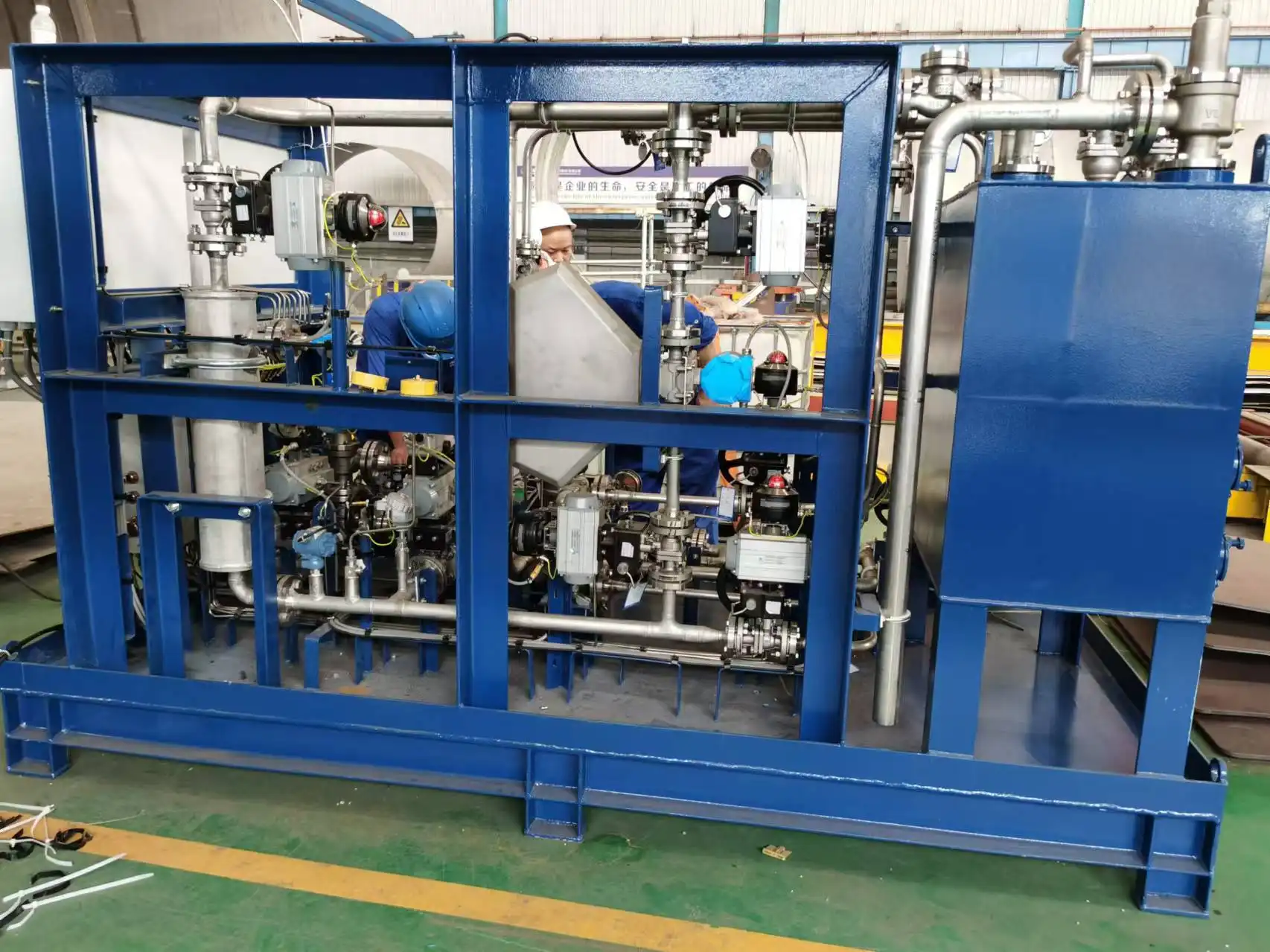
Understanding Methanol Fuel Conveyance System in Shipping
Maritime activities need advanced fuel management systems that can safety and effectively deal with the unique chemical properties of methanol. A Methanol Fuel Conveyance System is made up of special parts that are meant to hold, move, and control methanol fuel while the ship is running. These systems have pumps, valves, control units, and tracking gear that are all set to work with methanol, which has a low viscosity and is corrosive.
Core System Components and Architecture
Modern methanol fuel systems are made up of four main parts that work together to make sure they work properly. The methanol delivery unit keeps the pressure, temperature, flow rate, and cleanliness levels that engine makers demand. This unit works correctly during different stages of operation, such as starting the engine, stopping it, changing the load, and moving between fuels.
According to the SOLAS-IBC Code, the filling and transport system meets the strict standards of chemical vessel rules. This part of the system handles the bunkering, storage, and movement of methanol while taking into account its low temperature, corrosive qualities, and toxicity. International naval rules are followed because these tools have safety protocols built in.
Integration and Retrofit Capabilities
Vessel integration strategies make it possible to use current ship fuel infrastructure for retrofit uses while requiring as few structural changes as possible. The modular design method gives you a lot of installation choices that can work with different types of vessels. Different types of ships, such as bulk carriers, tankers, and specialty ships like PCTCs and offshore support units, can use these devices for both new builds and retrofits.
System design concepts are based on safety standards and following the rules. Fire protection systems, advanced leak detection systems, and following international marine laws all work together to lower operational risk and keep certification readiness across all global shipping routes.
Key Benefits of Methanol Fuel Conveyance Systems for Shipping
Utilizing methanol fuel technology has clear benefits in terms of the climate, operations, and the economy. Environmental benefits include big drops in dangerous pollution, which prepares ships to follow IMO rules that are getting stricter all the time.
Environmental and Regulatory Advantages
When methanol is burned, it releases a lot less sulfur fumes, nitrogen oxides, and particulate matter than other marine fuels. These cuts in emissions are in line with the IMO's decarbonization goals for 2030 and 2050, and they also help meet area environmental standards. Due to its clean burning properties, methanol helps clean up the air around ports and the coast, where pollution control rules are very strict.
Operational improvements show up as more reliable systems and better fuel economy. The Methanol Fuel Conveyance System technology uses modern materials engineering to deal with the corrosive nature of methanol. This makes the system last longer and requires less repair downtime. Because these systems have precise control built in, they can supply the right amount of fuel in a variety of operational situations.
Economic and Lifecycle Benefits
When you look at the costs of fuel, upkeep, and following the rules, a lifecycle cost study shows that this system is more cost-effective than standard gasoline systems. The simpler fuel makeup of methanol makes the processes for treating and purifying fuel easier, which lowers the costs of doing business. Also, the fact that methanol infrastructure is available all over the world helps keep fuel supply lines stable along major shipping routes.
These systems are investments that look to the future and offer strong compliance standing and cost savings. Shipping companies that use methanol fuel technology have an edge over their competitors because they are early adopters of environmentally friendly practices and meet stricter environmental goals.
Technology and Design Principles Behind Methanol Fuel Systems for Ships
Methanol fuel control systems are being made using advanced engineering principles so that they can successfully handle the unique properties of this alternative fuel. Precision control valves, corrosion-resistant pumps, and high-tech sensors made just for marine uses that work in harsh conditions are all part of modern systems.
Advanced Control and Monitoring Technologies
Smart flow control systems make it possible to precisely handle fuel supply even when the engine is running at different loads and conditions. Real-time leak detection systems let you know right away if something is wrong with the system, and automated safety tracking improves workplace safety and risk management. These technology advances make sure that performance stays the same and that strict safety standards for the marine industry are met.
Customizing the design takes into account the different needs of different types of ships, their missions, and trade routes. Chemical ships that serve regional markets need different system setups than bulk carriers that travel transpacific routes. Modern Methanol Fuel Conveyance System designs are very flexible, so they can meet a wide range of operating needs while still following standard safety rules.
Material Engineering and System Reliability
The choice of materials is very important for how long a system lasts and how well it works. Specialized metals and coats can stand up to the corrosive effects of methanol while still keeping the structure strong in coastal environments. Adding modern control systems makes it easier for propulsion engines to talk to each other. This helps the ship work better and meet changing fuel standards for marine use.
Temperature control systems make sure that the methanol stays within the best range for engine performance, even when the weather and seasons change. Pressure control keeps fuel supply steady no matter how the ship is moving or the weather, so the propulsion system works reliably.
Comparative Insights: Methanol Fuel Conveyance vs Other Marine Fuel Systems
To properly evaluate an alternative fuel, it is important to look at its energy output, safety features, ability to work with existing infrastructure, and operational costs. Compared to other alternative fuels like ethanol, hydrogen, and ammonia-based systems, methanol has a fair number of benefits.
Infrastructure and Retrofit Considerations
When it comes to retrofit flexibility, methanol systems usually do a better job than hydrogen infrastructure needs. The way liquid fuel is handled makes it easier to store and move, and it doesn't need the complicated pressurization and cold systems that hydrogen does. This benefit of compatibility lowers the costs and time needed to perform fleet change projects.
As environmental standards around the world get stricter, traditional naval fuel systems are coming under more and more legal pressure. The Methanol Fuel Conveyance System technology gives operations more freedom while also meeting requirements to cut down on emissions. The maturing machinery for making methanol makes fuel readily available along major shipping routes.
Performance and Operational Factors
When commercial vessel owners choose fuel systems, they have to think about a lot of things, such as availability, durability, upkeep needs, and the trustworthiness of the source. The fact that methanol is a liquid at room temperature makes it easier to handle than other fuels that are gases. The world methanol supply chain is well-established and secure, which makes long-term operations planning easier.
The longevity of a system is improved by using advanced materials engineering and designing specific parts. Maintenance routines for methanol systems are similar to what is already done in marine maintenance, but they also include safety processes for handling methanol.
Procurement and Implementation Guide for B2B Shipping Clients
When making strategic buying choices, it's important to carefully look at suppliers, technology providers, and delivery partners. To buy a methanol fuel system successfully, you need to find makers with good track records, lots of certifications, and strong customer service after the sale.
Supplier Evaluation and Selection Criteria
Leading producers have a lot of experience designing vessels that can carry both gas and oil, as well as chemical ships, liquefied gas carriers, and other naval systems that are linked. The TSC brand from CM Energy is a star in its field because it offers complete solutions that include methanol fuel supply systems as well as LNG and ammonia fuel technologies. As proof of their track record, the company has successfully installed methanol fuel supply systems on a number of different types of vessels.
Professional construction services and following upkeep procedures ensure that operations continue to run smoothly and safely. Long-term system stability is improved by offering full after-sales support, such as warranties, expert help, and the ability to easily obtain spare parts. These things have a big effect on how fleet companies figure out the total cost of ownership.
Cost Analysis and Implementation Planning
Besides the initial purchase price, other things to think about when investing include how to send the goods, how to put them, and whether retrofit kits are available for fleets that are already in use. To make sure that the Methanol Fuel Conveyance System works well with other ship systems, suppliers, shipyards, and vessel owners must work together carefully during installation.
TSC's modular design method gives customers a choice of shipping options, including the ability to get single parts or full, integrated packages. This flexibility accommodates different project needs while quality and performance standards are kept the same across all vessel uses.
Conclusion
The Methanol Fuel Conveyance System is a major step forward in reducing carbon emissions in the marine sector. It has been shown to help the environment while keeping operations reliable. These systems meet important needs in the industry by using cutting-edge tech to handle methanol's special features in a safe and effective way. The fact that methanol fuel technology cuts down on pollution, follows the rules, and is good for business makes it an important part of environmentally friendly shipping. Investing in methanol transportation systems helps shipping companies stay competitive as environmental rules change, and it also helps them save money on long-term costs across a variety of fleet setups.
FAQ
1. Is methanol fuel safe for large commercial vessels?
International safety rules make sure that methanol can be used safely in marine uses. Modern systems have containment walls with two walls, automatic tracking, and emergency shut-down processes that go beyond the safety standards for naval fuel. The IGF Code has detailed rules for using low-flashpoint fuels, which makes sure that all kinds of business ships can do this safely.
2. How does maintenance differ from traditional diesel fuel systems?
Because of how methanol reacts with other chemicals, it needs special care and upkeep. Maintenance methods include checking for rust, making sure seals are intact, and following rules for cleaning the system. But because the fuel composition is simpler, the processes used to treat it are often simpler, which means that repair plans are often shorter than for heavy fuel oil systems.
3. Can existing vessels be retrofitted with methanol fuel systems?
Retrofitting has been used for a long time on many types of ships, such as bulk carriers, tankers, and container ships. Modern methanol fuel systems are made up of separate modules that can be put together to fit with current infrastructure with as few structural changes as possible. Complete retrofit packages take into account the needs of each craft while keeping operational freedom during conversion projects.
Partner with CM Energy for Advanced Methanol Fuel Solutions
CM Energy's TSC brand delivers cutting-edge Methanol Fuel Conveyance System options backed by a lot of maritime technical knowledge and a history of successful application. Our all-around method includes planning, production, installation, and support services throughout the lifecycle of a business vessel. With the successful delivery of several methanol fuel supply systems and DNV approval, we offer safe ways for maritime activities to continue for a long time.
Get in touch with our marine technology experts at info.cn@cm-energy.com to talk about how we can help your fleet with custom methanol fuel conveyance system options. As a top maker of methanol fuel conveyance systems, we offer reasonable pricing, professional installation support, and full after-sales service to make sure that systems work well and meet all regulations for shipping operations around the world.
References
1. International Maritime Organization. "Guidelines for Low-Flashpoint Fuels." Maritime Safety Committee, 2023.
2. Maritime Research Institute. "Alternative Marine Fuels: Technical and Economic Assessment." Journal of Maritime Technology, Vol. 45, 2024.
3. Global Shipping Council. "Methanol as Marine Fuel: Implementation Strategies and Best Practices." Industry Report, 2023.
4. European Agency for Maritime Safety. "Safety Assessment of Alternative Marine Fuels in Commercial Shipping." Technical Report, the year 2024.
5. International Association of Classification Societies. "Fuel System Design Standards for Alternative Marine Fuels." Technical Guidelines, 2023.
6. World Maritime Organization. "Decarbonization Pathways: Technology Assessment for Commercial Shipping." Research Publication, 2024.