A Simple Guide to Centrifugal Pump Maintenance on Rigs
Centrifugal pump maintenance for drilling rigs necessitates a methodical strategy to prolong equipment life and avoid expensive downtime. From slurry transfer to high-volume fluid management throughout land-based operations, offshore platforms, and specialised drilling settings, these workhorses have it covered. Maintaining hydraulic performance under stressful circumstances, protecting mechanical seals, and ensuring appropriate flow rates are all made possible by proper maintenance procedures. Operators may optimise pump performance and reduce operational interruptions that may affect project budgets and schedules by being aware of fundamental maintenance concepts.
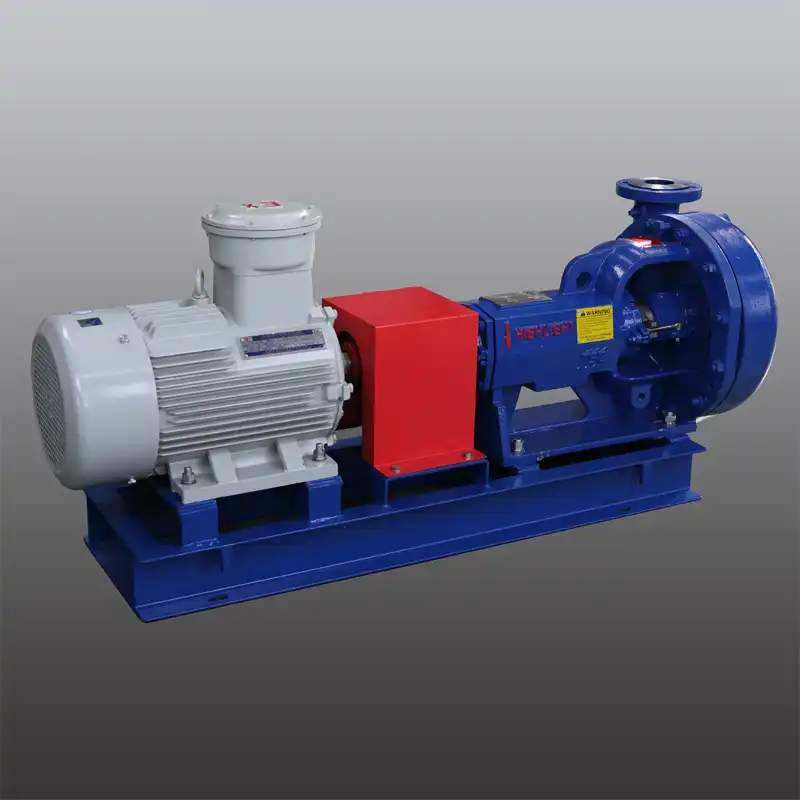
Understanding Your Rig's Centrifugal Pump System
Strong pumping systems are essential to drilling operations in order to manage a variety of fluids throughout the extraction process. The foundation of fluid management is the centrifugal pump, which efficiently moves everything from drilling mud to completion fluids.
Pumps that can handle abrasive materials and yet work consistently are essential in today's oilfield situations. How successfully your centrifugal pump handles various fluid types is largely dependent on the impeller design. While allowing difficult slurries that might harm other pump designs, open impeller topologies lower axial thrust loads.
The volute casing transforms kinetic energy into pressure head and guides fluid flow. To spot wear patterns that might point to alignment problems or cavitation damage, this component has to be inspected often. Maintenance teams may identify early warning indicators before significant breakdowns happen by having a solid understanding of these basic components.
Operational lifespan is directly impacted by shaft protection measures, which include bearing configurations and sleeve designs. Protective sleeves on heavy-duty shafts help them withstand damage from abrasive particles that are often encountered in drilling operations. This design strategy increases overall dependability while lowering the frequency of maintenance.
Daily Inspection Routines That Prevent Major Failures
The basis for dependable centrifugal pump operation is established by implementing regular daily inspection procedures. Every morning, a brief yet comprehensive walk-around enables operators to identify small problems before they become more serious. This methodical approach creates a strong preventative mentality that safeguards machinery and production timelines.
Visual checks should concentrate on temperature fluctuations that point to emerging issues, odd vibration patterns, and evident leaking. Detecting a little leak or experiencing an unanticipated increase in temperature often indicates deeper problems. These little findings subsequently save thousands of dollars in maintenance expenses since they act as early warnings.
When assessing the integrity of a centrifugal pump mechanical seal, paying attention to small weepage as opposed to significant leaking is necessary. Operators are trained to differentiate between continuous pouring that portends danger and the thin mist that lubricates seal faces. Carefully documenting these findings enables maintenance teams to identify subtle trends of deterioration and accurately schedule treatments.
The temperature of the bearing housing offers important information on alignment and lubrication efficacy. Quick, non-contact monitoring is provided by an infrared thermometer, which never interferes with operating machinery. Usually occurring a few days before to catastrophic failure, temperature spikes provide enough notice for planned, systematic maintenance measures.
Readings of the suction and discharge pressures show actual trends in pump performance. Internal wear or impeller damage is probably at play when the discharge pressure decreases while the suction conditions remain constant. These measures eliminate conjecture and make it evident how pump concerns vary from more general system problems that impact performance.
Unusual noise patterns often signal the onset of mechanical issues before other symptoms show up. While irregular vibrations indicate impeller imbalance or misalignment, grinding noises hint to bearing deterioration. Every team member becomes a watchful equipment guardian when operators are trained to identify these auditory clues.
Essential Weekly Maintenance Tasks
Comprehensive inspections that extend beyond daily tasks should be included in weekly maintenance plans. Appropriate oil levels and grease consistency inside bearing housings are guaranteed by a comprehensive lubrication system inspection. By keeping up this routine lubrication, you may greatly increase the time between major repairs and successfully avoid premature bearing failure.
In order to avoid excessive shaft tension and bearing overload, coupling alignment verification is an essential responsibility. The main factor causing harmful vibration, component wear, and energy losses that lower overall pump efficiency is misalignment. Accurate information is provided for making the required changes by using precision instruments like laser alignment systems or dial indicators.
Measuring impeller clearance facilitates the tracking of wear's natural course in situations using abrasive materials. Overly high clearance lowers pumping efficiency and may cause cavitation-causing situations. Maintaining a record of these measures provides useful baseline information for performance optimisation and replacement planning.
It is crucial to check the torque on foundation bolts in order to stop pump movement, which will unavoidably cause misalignment and vibration. Mounting hardware may eventually loosen as a result of normal usage and heat cycling stressors. Regularly checking the torque contributes to preserving the original installation's integrity.
Finally, sufficient heat removal from bearing housings and mechanical seals is ensured by a comprehensive examination of the water cooling system. Inadequate flow rates or blocked cooling lines may soon lead to important components overheating and failing. The maintenance of ideal operating temperatures depends critically on the cleanliness of these channels.
Monthly Deep Maintenance Procedures
Comprehensive system assessments that spot emerging problems and long-term trends are made possible by monthly maintenance intervals. It may not be required to disassemble everything, but thorough component inspections provide useful performance information.
Measurements of wear ring clearance monitor internal pump deterioration. Efficiency and NPSH standards are directly impacted by these approvals. Maintaining performance criteria and forecasting replacement time are made easier by recording clearance changes.
Centrifugal pump mechanical loading conditions and the health of the electrical system are revealed by motor current analysis. Growing current draw indicates that there are electrical or mechanical faults that need to be fixed. By trending these metrics, one might see subtle changes that could otherwise go overlooked.
Portable analysers for vibration analysis give precise frequency information that identifies certain issues. Unbalance, misalignment, and bearing problems all result in distinctive frequency patterns. Accurate problem detection is made possible by this analytical approach.
Pump curve performance is checked to manufacturer specifications using discharge head testing. Relationships between flow rate and pressure reveal the general health of the pump. Performance declines may indicate system modifications impacting operation or internal wear.
Reliable starter capabilities are ensured by priming system functionality. To ensure correct pump priming, check valves, vacuum pumps, and related pipework must be verified. Cavitation and possible damage at starting are caused by inadequate priming.
Troubleshooting Common Performance Issues
Cavitation represents one of the most destructive conditions affecting centrifugal pump operation. Insufficient NPSH causes vapor bubble formation and collapse, creating erosion damage and performance degradation. Identifying cavitation through sound, vibration, and performance changes enables corrective action before serious damage occurs.
Low flow conditions can result from various system or pump problems. Blocked suction strainers, closed valves, or impeller wear all reduce flow capacity. Systematic troubleshooting procedures help isolate the root cause and guide repair decisions.
Excessive power consumption often indicates mechanical problems or system changes. Bearing deterioration, misalignment, or increased system resistance all contribute to higher energy usage. Monitoring power consumption trends helps identify developing problems.
Seal failure patterns provide insights into operating conditions and maintenance effectiveness. Frequent mechanical seal replacement might indicate improper installation, inadequate cooling, or excessive system pressure. Understanding failure modes guides improvement efforts.
Bearing noise and temperature increases signal lubrication problems or alignment issues. Different bearing defects produce characteristic frequencies that trained technicians can identify. Early intervention based on these symptoms prevents catastrophic failures.
Optimizing Performance Through Preventive Care
Frequent performance evaluation provides baseline information for trend analysis. Establishing reference points for comparisons in the future is made possible by recording flow rates, pressures, and power consumption under typical circumstances. This information aids in detecting slow performance deterioration.
Reliability is increased by lubrication regimens that are determined by operational circumstances rather than calendar intervals. More frequent lubricant changes are necessary in settings with high temperatures or contaminants. Objective scheduling criteria are provided by sampling to monitor the condition of the oil.
Inventory control for spare parts like those for a Centrifugal Pump guarantees that essential parts are always accessible for last-minute repairs. To reduce downtime, bearing assemblies, mechanical seals, and impellers should be easily accessible. Carrying costs and availability are balanced by strategic inventory levels.
Maintenance staff training programs enhance the quality of inspections and the identification of issues. Improved maintenance choices are made possible by an understanding of pump operating principles and failure mechanisms. Putting money into training lowers mistakes and increases dependability in general.
Documentation systems that monitor performance trends and maintenance actions provide useful historical data. This data is arranged by digital maintenance management systems to facilitate analysis and retrieval. Future maintenance planning is guided by historical trends.
Conclusion
Effective centrifugal pump maintenance on drilling rigs requires systematic attention to daily inspections, weekly procedures, and monthly deep maintenance activities. Understanding pump components, recognizing failure patterns, and implementing preventive care strategies significantly extend equipment life while reducing operational costs. Proper maintenance practices ensure consistent performance under demanding conditions while minimizing unexpected downtime. Success depends on training qualified personnel, maintaining adequate spare parts inventory, and documenting all maintenance activities for trend analysis and future planning decisions.
Why Choose CM Energy for Your Centrifugal Pump Solutions
CM Energy stands as a leading centrifugal pump manufacturer with proven expertise in demanding rig applications. Our TSC brand delivers reliable pumping solutions backed by comprehensive global support networks and technical expertise. With coverage exceeding 25% of global offshore drilling equipment, CM Energy understands the unique challenges facing drilling operations. Contact our technical team at info.cn@cm-energy.com to discuss customized solutions for your specific requirements.
References
1. American Petroleum Institute. "Centrifugal Pumps for Petroleum, Petrochemical and Natural Gas Industries." API Standard 610, Eleventh Edition, 2010.
2. Hydraulic Institute. "Pump Maintenance Guidelines for Rotodynamic Pumps." ANSI/HI 1.6-2012 Standard, American National Standards Institute, 2012.
3. Karassik, Igor J., et al. "Pump Handbook: Fourth Edition." McGraw-Hill Professional Engineering Series, McGraw-Hill Education, 2008.
4. McNaughton, Kenneth J. "Pump Selection and Application: A Comprehensive Guide to Centrifugal Pump Technology." Industrial Press Inc., Third Edition, 2005.
5. Offshore Technology Conference. "Reliability-Centered Maintenance Practices for Drilling Equipment." OTC Technical Papers Database, Houston, Texas, 2019.
6. Society of Petroleum Engineers. "Drilling Equipment Maintenance Best Practices for Offshore Operations." SPE Technical Publication Series, Richardson, Texas, 2020.