Methanol Fuel Feed System Guide: Components & Operation
A Methanol Fuel Feed System is a complex piece of engineering meant to safely send methanol fuel from storage tanks to engines that use both gasoline and diesel in industrial and marine settings. The low flashpoint, corrosive, and poisonous qualities of methanol make this assembly very difficult to make. However, it meets the high standards of dependability needed by bulk carriers, tankers, and specialized vessels. Unlike regular fuel systems, these specialized units have advanced safety measures, temperature management, and exact flow control to make sure the engine works at its best in all kinds of situations.
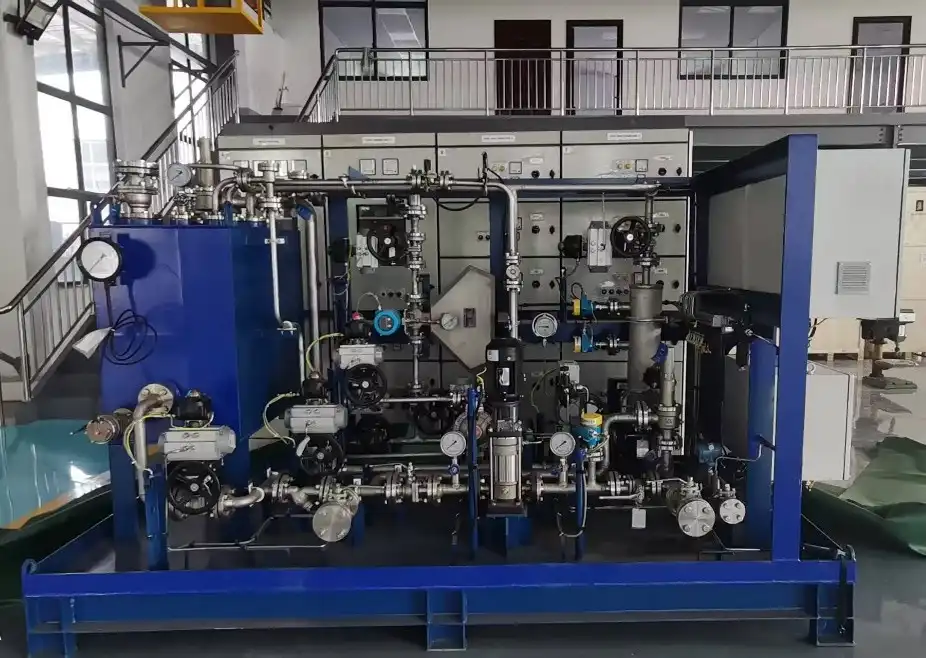
Understanding the Methanol Fuel Feed System
The fundamental architecture of modern methanol fuel delivery systems revolves around four important parts that work together to make sure the fuel is delivered safely and efficiently. These linked parts deal with the specific problems that come up because of methanol's special chemical traits while still following international safety rules for the sea.
Core System Components and Their Functions
Any methanol fuel delivery system needs special pumps that can handle low-lubricity fuels, accurate flow meters to measure how much fuel is being delivered, and high-tech filtering systems to keep the fuel clean. Temperature control modules keep the fuel in the best condition, and pressure regulation equipment makes sure that the fuel is delivered consistently even when the engine is under different loads.
Operational security is based on safety valves and emergency shutdown systems, which stop fuel flow automatically when certain conditions are met. Double-wall pipe with built-in leak detection adds an extra layer of protection, which is especially important because methanol is poisonous and has a low temperature.
Operational Principles and Temperature Management
Because methanol's viscosity and flow properties change a lot with temperature changes, it is still important to keep the temperature under control for the system to work at its best. The system keeps the fuel's temperature within certain ranges to make sure that it is atomized and burned efficiently, and to stop phase changes that could stop the engine from working.
Keeping the pressure above the gas saturation points stops cavitation, which is a common problem that can leave engines without enough fuel. Advanced control algorithms constantly check and change working settings to keep things running at their best, even if the sea level or engine load changes.
Comparing Methanol Fuel Feed Systems with Other Fuel Systems
Modern Methanol Fuel Feed Systems are much better than older heavy fuel oil and marine gas oil systems, especially when it comes to lowering emissions and giving you more options for how to run your business. The comparison shows big differences in how complicated the systems are, how safe they need to be, and how they should be maintained, which buying teams need to think about.
Operational Efficiency and Performance Characteristics
Because methanol is toxic and doesn't naturally lubricate, it needs special materials and parts to work. Methanol fuel delivery systems need better filtering and water separation than regular diesel systems because methanol easily draws water from the air.
Because methanol has a lower energy density than most marine fuels, it needs higher volumetric flow rates. This changes how pumps are sized and how pipes are designed. This feature is balanced, though, by better combustion qualities that make it easier to maintain engine parts further down the line.
Cost-Benefit Analysis for Maritime Applications
Usually, investing in methanol fuel supply technology costs more at the start than investing in regular fuel systems. The difference in price is because of the need for special materials, better safety systems, and following the rules set by the IGF Code and SOLAS.
Operational cost benefits come from lower costs for pollution compliance, the possibility of carbon credit chances, and less need for engine upkeep. When environmental rules and carbon tax plans get stricter, long-term value ideas become even more appealing to business owners.
Maintenance, Troubleshooting & Safety in Methanol Fuel Feed Systems
Complete repair plans make sure that the system works well and safely throughout its entire life. These steps take into account the special problems that come up when working with methanol while still following international safety rules.
Essential Maintenance Routines and Preventive Measures
Seal strength is checked on a regular basis, especially in spinning equipment where methanol's low lubricity can speed up wear patterns. Because methanol is a solvent, it can move sediments around in storage tanks and fuel lines, making it very important to keep an eye on the filter elements.
Monitoring systems for temperature and pressure need to be calibrated and checked to make sure they give accurate results across all of their operating ranges. Nitrogen purge systems need to be tested on a regular basis to make sure they can shut down in an emergency and find leaks effectively.
Safety Protocols and Leak Detection Methods
Continuous airflow tracking and gas detection are built into double-wall pipe systems so that potential leaks can be found before dangerous amounts form. When safety limits are passed, emergency shutdown processes cut off the flow of fuel automatically within set timeframes.
Personnel safety rules stress the right way to handle things, including wearing the right protective gear and making sure that tight areas have enough air flow. Training programs make sure that operating staff know how to handle emergencies and the dangers of methanol.
Troubleshooting Common System Issues
The most common problem in operations is pump cavitation, which is usually caused by not enough feed pressure or too many changes in temperature. To find the root reasons, diagnostic methods carefully look at differences in pressure, temperature, and flow characteristics.
Problems with filter blockages are often caused by contamination that is moved around by methanol's liquid qualities. Monitoring of progressive pressure lets you plan repair ahead of time, before flow limits affect how the engine works.
Procurement Guide: How to Choose and Buy the Right Methanol Fuel Feed System?
For the buying of a methanol fuel feed system to go well, technical standards, provider skills, and long-term support infrastructure must all be carefully looked at. The selection process has to find a balance between the need for efficiency and the practical limits that come with the type of vessel and the way it trades.
Key Selection Criteria and Performance Specifications
Engine compatibility testing makes sure that the fuel supply system and propulsion tools work together properly in terms of pressure, temperature, and flow rate. How much capacity is needed depends on the highest engine load profiles and how much fuel is used in different operating scenarios.
Because methanol is corrosive, it's important that the material specs are exact. Wetted parts must be made of stainless steel and suitable elastomers. Modular design features allow for flexible fitting setups and make it easier to do upkeep in the future.
Supplier Evaluation and Certification Requirements
Suppliers that have been around for a while have a past of delivering methanol fuel systems, including experience with marine projects and following the rules. To get certified, you should show that you follow international safety standards and have been approved by a classification group.
Technical support includes expert help, services for setting up equipment, and ongoing upkeep support for the whole lifetime of the equipment. Global service networks are especially important for international ship owners who need help all over the world.
Customization Options and After-Sales Support
Standard system setups might need to be changed to fit the shape of a vessel or its working needs. Customization should include the ability to add or change safety systems, integrate control systems, and change capacity.
The availability of spare parts and the time it takes to send them have a direct effect on the continuity of operations. This is why global distribution skills and how well the seller manages their inventory are important decision factors. Complete documentation packages help train operating staff and plan for upkeep.
Future Trends and Environmental Impact of Methanol Fuel Feed Systems
The maritime industry's transition toward sustainable fuels positions methanol delivery systems at the front of attempts to cut down on carbon emissions. As technology keeps getting better, it solves practical problems and makes it possible to use more types of vessels.
Environmental Benefits and Sustainability Impact
When methanol is burned, it releases a lot less carbon gas and particulate matter into the air than other marine fuels. This helps clean up the air in port areas and along the coast. Depending on how the methanol is made, lowering its carbon intensity can vary. Green methanol has the most significant lifetime pollution benefits.
As environmental rules get stricter, the methanol fuel feed system, the lack of heavy metals and lower production of nitrogen oxides make it easier to follow them. When compared to petroleum-based options, biodegradability features lessen the damage to the environment in the event of accidental leaks.
Innovation in System Design and Control Technologies
Advanced control systems use AI algorithms to find the best fuel supply settings based on the engine's current conditions and what it needs to do its job. Predictive maintenance uses data from sensors to figure out when parts need to be replaced before they cause problems with operations.
Integration with the ship's energy management systems lets the engine and backup power systems work together to get the best results. Technical help and efficiency optimization services that are based on land are supported by remote monitoring.
Market Growth Drivers and Commercial Opportunities
Alternative fuel sources are used because of rules and regulations, such as the International Maritime Organization's greenhouse gas reduction plan. Pricing systems for carbon and trading systems for pollution make using methanol fuel more cost-effective.
Fleet renewal cycles are times when new installations can be made, and fix solutions are used to change the way current vessels work. As the infrastructure for supplying methanol grows, it can be used on more major shipping lines and in more places.
Conclusion
The Methanol Fuel Feed System is an important piece of technology that helps the marine industry switch to more environmentally friendly fuels. Knowing the parts of the system, what it needs to do, and how to keep everyone safe helps you make smart purchasing choices that will support long-term operating success. Following the right repair procedures and choosing the right provider will ensure that the system works well and meets all safety requirements. As environmental rules change, these specialized fuel delivery systems put ship owners in a good position to meet future requirements while keeping operations running smoothly in a wide range of marine situations.
FAQ
1. What makes methanol fuel delivery different from conventional marine fuel systems?
Because methanol is poisonous, has a low temperature, and corrodes metals, it needs special materials and more safety features in its fuel systems. The systems have double-walled pipes, the ability to purge nitrogen, and better leak detection compared to regular fuel systems.
2. How often do maintenance intervals occur for methanol fuel systems?
How often maintenance is done depends on how many hours the machine is used and the quality of the fuel. Usually, filter parts need to be checked every 1,000 to 2,000 hours of use. During the initial startup times, more frequent tracking may be needed because methanol's solvent qualities can move existing tank contamination around.
3. What safety certifications are required for maritime methanol fuel systems?
Systems need to follow the IGF Code rules for low-flashpoint fuels and the SOLAS rules for handling chemicals. Classification society approvals from groups like DNV, ABS, or Lloyd's Register are another way to make sure that safety rules are being followed.
Partner with CM Energy for Advanced Methanol Fuel Solutions
CM Energy is a leader in making Methanol Fuel Feed Systems and has a lot of experience designing dual-fuel vessels and clean fuel supply systems. We stand behind our TSC brand with 19 successful ship installations and years of experience with chemical tanks and carriers for liquid gases. As a top provider in our field, we offer full lifecycle support, from the initial planning phase to installation and ongoing upkeep. Get in touch with our expert team at info.cn@cm-energy.com to talk about your methanol fuel system needs and find out how our creative solutions can help your ship make the switch to a more environmentally friendly fuel.
References
1. International Maritime Organization. "Guidelines for the Development of Low-Flashpoint Fuel Systems." Maritime Safety Committee, 2021.
2. Classification Societies Joint Working Group. "Methanol as Marine Fuel: Safety and Technical Considerations." International Association of Classification Societies, 2022.
3. Maritime Research Institute. "Alternative Fuel Systems in Commercial Shipping: Performance Analysis and Operational Guidelines." Journal of Marine Engineering Technology, 2023.
4. European Maritime Safety Agency. "Study on the Use of Methanol as Ship Fuel: Environmental and Safety Assessment." EMSA Technical Report, 2022.
5. Society of Naval Architects and Marine Engineers. "Design Considerations for Methanol Fuel Supply Systems in Commercial Vessels." Marine Technology Journal, 2023.
6. International Energy Agency. "The Future of Methanol in Maritime Transport: Technology Roadmap and Market Analysis." IEA Clean Energy Transitions Programme, 2023.