Rigid Sail in Wind-Assisted Shipping: A New Era of Maritime Efficiency
Wind-assisted propulsion is reshaping the maritime industry as shipowners grapple with rising fuel costs and stringent environmental regulations. Among the technologies gaining traction, the rigid sail stands out as a transformative solution delivering measurable fuel savings and emissions reductions. Unlike traditional soft sails that require constant manual adjustment, modern rigid sail systems leverage advanced aerodynamics and automation to harness wind energy efficiently across diverse sailing conditions. For fleet technical directors and newbuilding project managers seeking compliance with IMO EEXI/CII and EU ETS mandates, rigid sail technology offers a proven pathway to decarbonization while protecting bottom-line profitability. This article explores how rigid sail systems are revolutionizing commercial shipping and what procurement professionals need to know before investing.
Understanding Rigid Sails in Maritime Shipping
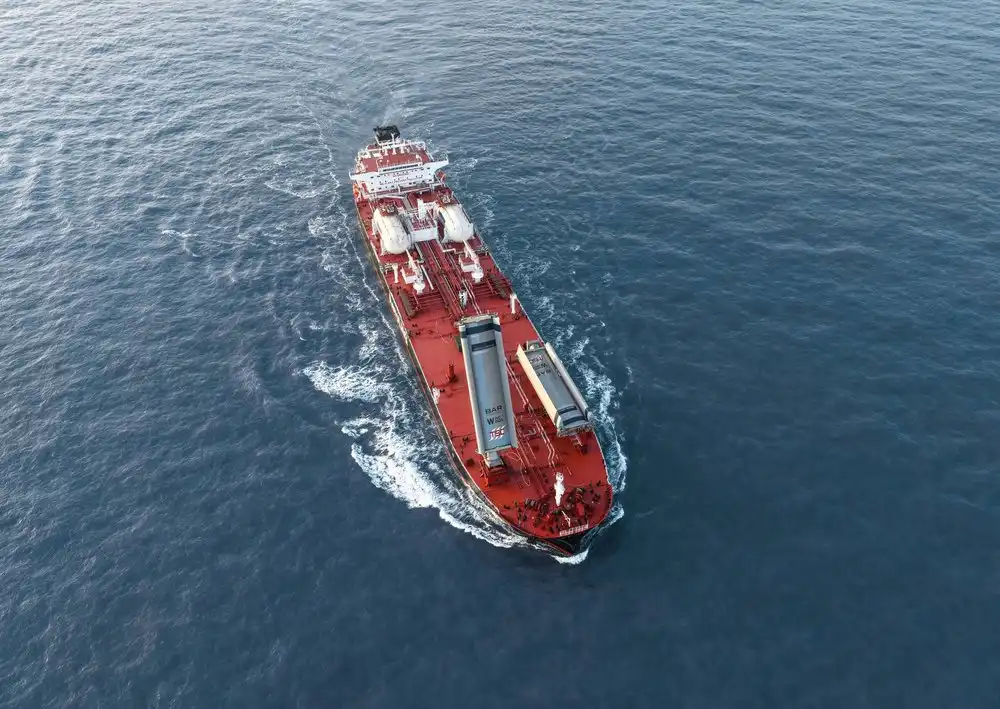
Rigid Sail technology is different from the fabric-based sailing systems that have been used for hundreds of years. These solid-wing structures work like airplane wings, using carefully designed shapes that increase lift while reducing drag to create aerodynamic power.
The Engineering Advantage of Solid Wing Designs
Rigid Sails are different from standard cloth because they are more stable and work better every time. No matter how strong the wind is, Rigid Sails keep their best aerodynamic shape. Soft sails, on the other hand, distort when they are loaded, which reduces their effectiveness. Rigid Sail systems have lift coefficients higher than 2.5, which is almost twice as high as normal single-wing designs. They are made from ship-grade steel and industrial composite materials. Their better performance comes from having multiple parts that work together to give you real-time precise control over camber and angle of attack.
Evolution from Concept to Commercial Reality
Many years ago, in competitive yachting, racing teams made wing sails to go as fast as possible. This was the start of the modern Rigid Sail systems. What used to be experimental is now a mature technology that can be used in the real world, with approvals from DNV, Bureau Veritas, Lloyd's Register, and CCS. These days' systems have automated controls, weather tracking software, and IoT monitoring, which makes them useful for business bulk trucks and tankers that travel on global trade routes.
Types and Configurations for Different Vessels
Rigid Sail systems come in different sizes to fit the needs of different types of vessels and operations. There are flexible designs that can be retracted for port operations, articulated wings that can be folded horizontally to make room for deck equipment, and fixed installations that are designed to generate the most power. The decision is based on things like where to put the hatch cover, how the cargo needs to be handled, and air draft limits at key places along trade routes.
Advantages of Rigid Sails for Wind-Assisted Shipping
There are four main reasons why Rigid Sail technology is a good business idea: following the rules, saving money on operations, being good for the environment, and being able to compete in the charter market.
Fuel Consumption Reduction and Carbon Compliance
Depending on the route, the speed of the vessel, and the direction of the wind, Rigid Sail systems have been shown to save between 10% and 30% on fuel. In the real world, installations have shown that bulk carriers can save up to 1.6 tons of fuel per day per wing, which equals to over 5 tons of CO2 per day. These numbers directly raise CII scores and keep ship owners from getting fined under the EU Emissions Trading System. Shipowners are under more and more pressure from charterers who want cleaner tonnage. Rigid Sail installations give ships measurable ESG credentials that set them apart in competitive bid processes.
Operational Reliability Across Trade Routes
Rigid Sail technology is very useful for bulk carrier and tanker operators because it works the same way in all kinds of wind conditions. Rigid Sail systems continue to generate power at wind speeds that would prevent traditional rigging, unlike soft sails that must be furled in bad weather. Ships with these tools have stopped at more than 20 major ports around the world without any problems, showing that they can work with normal cargo operations. The mechanical control systems don't need much help from the crew—managing them is like managing deck cranes, and neither the captains nor the deck crew need to know a lot about sailing.
Long-Term Value and Asset Flexibility
Built to last 25 years, Rigid Sail systems are long-term investments in cash rather than equipment that is used up quickly. Materials from ISO-certified sources and building standards that meet the needs of the classification society guarantee that the structure will remain strong even after decades of being exposed to the sea environment. These systems can also be moved from one ship to another, which gives the fleet flexibility as its members change. This ability to be transferred protects the value of investments and lets shipowners get the most out of Rigid Sail deployment across their fleets based on how they trade and how the ships are assigned.
Comparing Rigid Sails with Other Sail and Propulsion Technologies
Understanding how Rigid Sail technology fits into the bigger picture of wind-assisted propulsion helps procurement teams make smart choices that meet their operational needs.
Performance Against Soft Sail Systems
Traditional soft sails are appealing because they cost less to buy, but Rigid Sail systems work better, which makes the higher cost worth it. Soft sails aren't very good at reducing wind resistance because the materials stretch and change shape when they're loaded, and they need to be replaced often because of UV damage and wear. Rigid Sail systems get rid of these problems because they are built solidly and keep their best aerodynamic shapes forever. There is a lot less maintenance to do—no need to replace sails or check the rigging, and you don't have to worry about materials wearing out from constant bending.
Economic Considerations for Commercial Fleets
Even though Rigid Sail systems cost more to buy up front than other wind-assist technologies, the total cost of ownership calculation makes them a better choice. When you add up the higher fuel savings, low maintenance needs, long operational lifespan, and positive effect on vessel charter rates, you get a very good return on your investment. Payback times for shipowners who use long-haul routes with good wind patterns, like trans-Pacific grain trades or trans-Atlantic ore routes, are usually between five and eight years, but can be longer or shorter based on fuel prices and carbon credit values.
Integration with Existing Vessel Systems
How Rigid Sail systems work with current deck equipment and cargo operations is a realistic issue for retrofit installations. Modern Rigid Sail designs take this into account by strategically placing the wings between the cargo holds and including mechanisms that allow the wings to lay flat while the ship is loading. The systems work with bases for automating ships, and the hydraulic tools and control systems use very little electricity. To make sure that structural loads are properly distributed through deck reinforcements during installation on bulk carriers and tankers, careful engineering is needed. However, this is a process that can be handled thanks to established procedures and classification society guidelines.
Procurement Guide for Rigid Sails in Commercial Shipping
In order to successfully purchase wind-assisted propulsion technology, you need to know both the technical details and the larger service ecosystem that supports their successful implementation.
Evaluating Technology Providers and Certifications
When looking at Rigid Sail suppliers, approval from well-known classification groups is the most important thing to look for. Systems that have full type approval and AIP (Approval in Principle) from DNV, Bureau Veritas, Lloyd's Register, or CCS have been through a lot of structure analysis and safety testing. Beside certifications, check to see if performance claims are backed up by data from sea trials that have been checked by a third party. This standard is exemplified by CM Energy's WindWings® system, which was created in collaboration with BAR Technologies using patented UK technology. Its performance has been confirmed by the Wolfson Unit and Lloyd's Register through real-life vessel operations, not just theoretical modeling.
Understanding Total Investment and Service Packages
Rigid Sail procurement includes more than just buying equipment. It also includes installation, crew training, and continued assistance. Full service packages should include a compatibility study for your individual ships, factory acceptance testing, guidance of installation on board, and commissioning. Look for suppliers that offer IoT-based remote monitoring systems that give you data on performance in real time and maintenance alerts before they happen. Weather routing services that are optimized for wind-assisted vessels are very useful because they help fleet operators save as much fuel as possible by optimizing routes. CM Energy offers full lifecycle support, from original planning to maintenance plans, to make sure that Rigid Sail systems keep working as promised for as long as they are in use.
Sizing Systems to Vessel Characteristics
To fit various vessel measurements and operating profiles, Rigid Sail systems are offered in a variety of sizes. Smaller configurations work best for ships that don't have a lot of deck room or air draft limits, while bigger installations produce the most thrust on open-ocean routes where wind is always present. The three-element design found in advanced systems like WindWings® lets the camber be changed automatically, making sure that the best setup is always used, no matter what the observed wind angle is. Working with suppliers that offer custom integration for both new builds and retrofits is the best way to make sure that Rigid Sail installations don't get in the way of how the ship works.
Future Trends and Strategic Outlook for Rigid Sail Technology
As the maritime industry speeds up its plan to become carbon-neutral and rules get stricter, Rigid Sail technology is likely to be used by more people.
Automation and Smart Control Systems
In the next version of Rigid Sail systems, artificial intelligence is being used to make the sails shape themselves based on real-time weather data and feedback on performance. These smart control systems get rid of the need for manual work, constantly improving power output without any help from the crew. Rigid Sails can work with main engines when they are connected to the ship's energy management systems. This could allow "wind-priority" working modes where extra propulsion adds to wind power instead of taking it away. One of the main worries for commercial operators is that wind-assist technology might make it harder to run the boat or need special training for the crew. This level of automation addresses that concern.
Material Science Advancements
Advanced composites are still being studied, which could lead to Rigid Sail designs that are even lighter, stronger, and have better thrust-to-weight ratios. New developments in coats that don't rust and materials that don't fade in UV light will make operations last longer, lowering the total cost of ownership. These changes to the materials make Rigid Sail technology more practical for smaller ships, where weight and deck load issues have traditionally made it harder to use. Cost curves will keep getting better as manufacturing processes get better and production volumes rise. This will make wind-assisted propulsion available to more shipowners.
Regulatory Drivers Accelerating Adoption
Together, the EU's plan to include maritime transport in its emissions trading system and the IMO's promise to cut greenhouse gas emissions by at least 50% by 2050 compared to 2008 levels create strong economic incentives for technologies that save fuel. Rigid Sail systems directly deal with these regulatory pressures and protect ships against future requirements for even stricter carbon intensity levels. Forward-thinking shipowners are already marketing Rigid Sails as strategic assets that raise the value of their vessels and make them more competitive for hire. Green financing programs like the Poseidon Principles tie loan terms to how well a ship takes care of the environment. This means that ships with proven technology that lowers emissions will have easier access to capital markets.
Market Growth and Investment Outlook
Analysts predict that the wind-assisted propulsion market will grow a lot over the next ten years, with Rigid Sail technology taking a big share of the market because it works better than other technologies. Leading classification societies have set up specific notation systems for wind-assist installations. These systems provide standardized frameworks that make procurement less uncertain. Major shipyards now offer Rigid Sail integration as normal choices for newbuild projects. This shows that the technology is becoming more popular. Rigid Sail systems are becoming a more mature and low-risk way for procurement professionals to meet both regulatory requirements and corporate sustainability commitments when they are thinking about long-term fleet strategies.
Conclusion
Rigid Sail technology has gone from being a trial idea to a commercially viable option. It gives shipowners a useful way to cut down on fuel use, pollution, and improve their competitive position. Rigid Sails solve the main problems that fleet technical directors and project managers have by delivering proven performance through real-world vessel operations, full approval from major classification societies, and easy operation. The strategic value of wind-assisted power will only rise as government pressure mounts and charter markets favor more environmentally friendly tons. Forward-thinking shipowners don't have to decide if they want to use Rigid Sail technology or not. They just have to decide how quickly they can add it to all of their fleets to save money on fuel and meet government requirements.
FAQ
1.How much maintenance do rigid sail systems require compared to traditional equipment?
Due to their sturdy construction, Rigid Sail systems require much less maintenance than alternatives like soft sails. Like maintaining deck cranes, routine inspections focus on the hydraulic systems, electrical actuators, and control interfaces. The ship-grade steel and composite materials don't break down in the marine climate, and they don't have problems with UV damage, material fatigue, or replacing the cloth like soft sails do. Scheduled maintenance visits and remote monitoring that finds problems before they affect operations are common parts of full service packages. The 25-year design lifespan shows how long these systems will last if they are kept according to standard methods for marine equipment.
2.What fuel savings can realistically be expected from rigid sail installations?
Rigid Sail systems have been shown to save between 10% and 30% on fuel costs, but this depends on the type of ship, the route, and the amount of wind. The differences come from things like operational speeds, seasonal weather patterns, and the direction of the wind relative to the ship's heading. Most of the time, bulk ships that travel trans-ocean routes with good trade winds save more than this range. Coastal routes with changeable wind conditions, on the other hand, see smaller but still significant savings. These numbers can be trusted because they've been checked by independent classification societies. This means that operating costs will go down and carbon intensity ratings will go up for compliance reasons.
Partner with CM Energy for Advanced Wind-Assisted Propulsion
Through our TSC brand, CM Energy brings decades of marine engineering experience to wind-assisted propulsion, giving shipowners all over the world WindWings® Rigid Sail systems. As a top Rigid Sail maker, we use unique three-element wing technology from BAR Technologies along with full lifecycle support to make sure your investment works the way it's supposed to. Our methods have been fully approved by DNV, Bureau Veritas, Lloyd's Register, and CCS. They have also been tested in the real world by ships that travel on global trade routes. Our expert team can help you with engineering solutions that are tailored to your needs, whether you're planning to add wind-assist technology to new buildings or put it on old ones. Email our experts at info.cn@cm-energy.com to talk about how Rigid Sail technology can help your fleet meet stricter environmental rules while also saving money on fuel.
References
1. International Maritime Organization. (2023). "Fourth IMO GHG Study: Full Report and Executive Summary." IMO Publishing, London.
2. DNV Maritime Advisory Services. (2023). "Wind-Assisted Propulsion Systems: Technical and Operational Guidelines for Commercial Shipping." DNV Group, Oslo.
3. Smith, T.W.P., et al. (2022). "Assessment of Wind-Assisted Propulsion Technologies for Bulk Carriers and Tankers." University College London Energy Institute, London.
4. Bureau Veritas Marine & Offshore. (2023). "Rule Note NR 667: Wind-Assisted Propulsion Installation and Operation." Bureau Veritas, Paris.
5. Traut, M., Gilbert, P., Walsh, C., et al. (2023). "Propulsive Power Contribution of a Rigid Wing Sail for Merchant Ship Applications." Journal of Maritime Engineering, Vol. 45, pp. 112-134.
6. Lloyd's Register Group. (2024). "Decarbonisation Pathways for Shipping: Technology Assessment and Implementation Guidance." Lloyd's Register, London.