Review of Wind-Assisted Propulsion Systems in Maritime Transport
The maritime industry faces unprecedented pressure to reduce carbon emissions while managing escalating fuel costs. Wind Assisted Propulsion System technology offers shipping operators a proven pathway to achieve both objectives simultaneously. By harnessing natural wind forces to supplement traditional engines, these Wind Assisted Propulsion Systems deliver measurable fuel savings and emission reductions across diverse vessel types, from chemical tankers to Newcastlemax bulk carriers, making them essential components in the transition toward sustainable maritime operations.
Understanding Wind-Assisted Propulsion Systems in Maritime Transport
The Evolution from Sail to Modern Wind Power
Wind has always been linked to maritime transportation, albeit that relationship has evolved throughout time. Engine-powered ships supplanted sailing ships during the Industrial Revolution. Today's environmental issues make wind more vital than ever. Modern wind-powered propulsion systems vary from textile sails. These technical solutions are more complicated. These solutions function well with existing power systems, allowing hybrid ships to consume free green energy without affecting operation or scheduling.
Wind technology has recovered due to regulations and commercial conditions. The International Maritime Organisation's Carbon Intensity Indicator standards require ship owners to monitor and reduce emissions. Running expenses are unknown because to variable bunker fuel prices, which lowers earnings. Wind energy solves both challenges, providing demonstrable advantages for money- and environment-conscious consumers.
Core Technologies Powering Wind Propulsion
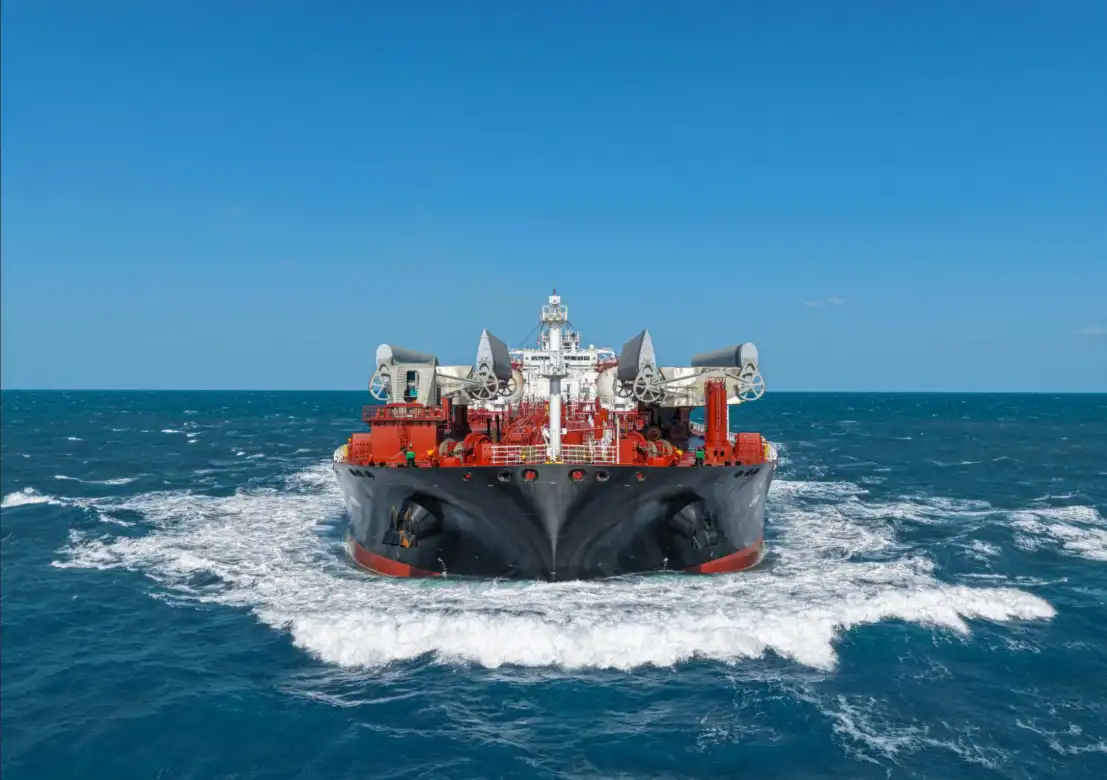
The Wind Assisted Propulsion System category contains many technologies with advantages. Flettner rotors generate force independent of wind direction via the Magnus effect. This involves rotating spheres. Like vertical aeroplane wings, rigid wing sails provide lift to propel boats. Kite systems employ large traction wings high above the deck where the wind is strongest, whereas soft sail systems set up sails automatically.
The most promising technology for corporate cargo ships is rigid wing. Advances in three-element rigid sail engineering include WindWings®. UK-based BAR Technologies helped make it. This innovative design allows camber and angle of attack adjustments. This keeps the system aerodynamically optimal regardless of wind speed. DNV certification and Wolfson Unit and Lloyd's Register inspections support this technology's claims.
Ship-grade and industrial steel E-glass composites are combined with construction components to create marine-resistant, aerodynamic structures. Standard single-wing designs provide 2.5 times less lift than three-element designs. This immediately increases power and fuel displacement. Newbuild integration and retrofit usage are possible on tankers, bulk carriers, and LR2 vessels due to installation flexibility.
Environmental and Economic Benefits
The cost of fuel is the biggest running expense for most commercial ships, so any decrease has a direct effect on their bottom line. Wind-assisted propulsion system installations save minor percentages on less-than-ideal routes and large savings on trade lanes with loads of wind. The quantity of gasoline chemical trucks and bulk carriers use daily has dropped by up to 30% on certain routes.
Fuel savings reduce carbon dioxide emissions, meeting regulatory requirements and helping the firm fulfil sustainability objectives. The Carbon Intensity Indicator calculates wind propulsion as an energy-saving technique. Ship owners may improve ratings by installing it. This legal permission offers advantages beyond immediate fuel savings. Charter fees might be competitive and vessel lifespans extended.
Many corporate shipping enterprises get a return on investment in five years or less, depending on system size, vessel type, and utilisation. Due to consistent wind patterns and heavy utilisation, ferry and seashore vessel owners enjoy strong economics. Adoption of a wind-assisted propulsion System is financially justified by the savings in fuel used, the reduction in emissions, and the possibility for carbon credits.
Comparative Analysis: Wind-Assisted Versus Traditional and Alternative Propulsion Systems
Evaluating Efficiency Across Propulsion Options
Commercial ships mostly use diesel engines that burn heavy fuel oil or marine gas oil. These traditional systems have been shown to be reliable and flexible in how they work, but they are getting more attention because of their emissions and the fact that fuel prices change all the time. Electric transportation systems are an option for some situations, but they need large batteries or access to power from the shore. Solar panels provide extra power for support systems, but they don't have enough energy density to have a real effect on how big cargo ships move.
A distinctive place in this environment is held by wind assisted propulsion System technology. Instead of removing current engines, wind power adds to them, lowering load and fuel use without affecting their ability to do their job. This mixed method lets ships stick to their schedules while also collecting free green energy when the conditions are right. The system works on its own, with little help from the crew, and is always finding the best arrangement based on the wind and the direction of the ship.
Wind-assisted propulsion System retrofits are cheaper and don't have the fuel supply chain issues of pure electricity or other fuels. The technology works with existing engine control systems, so power doesn't need to be changed, and installation takes weeks instead of months. This practical feature makes wind power interesting to fleet operators who wish to reduce emissions while maintaining their operational systems.
Selecting Optimal Technology for Vessel Profiles
Wind-assisted propulsion system technology depends on vessel type, trade route, and cargo handling demands. Bulk ships have spacious decks that can carry several rigid wing installations between hatch covers. Modern systems may be folded to accommodate cargo and increase sail area. Tankers provide comparable prospects, but their larger windage area and bulk need careful planning to be stable.
Oceangoing ships that are usually windy benefit from rigid wing systems. The automated control systems shape the wings to maximise performance without operator assistance. Business operators that need to track planned repairs and know their costs would benefit from this service. Its sturdy construction ensures its longevity. The design standards suggest it can be used for 25 years without significant repairs.
Smaller coastal vessels and ferries may consider Wind Assisted Propulsion System designs based on bridge clearance and operating profiles. Deck room, route wind conditions, cargo handling equipment compatibility, and ROI are the primary evaluation variables. Procurement teams may estimate product performance based on real-world data when working with experienced sellers.
Technical Insights and Installation Considerations for Wind-Assisted Propulsion
Retrofit Challenges and Newbuild Integration
It takes careful structural study and integration planning to add wind-assisted propulsion System technology to a current vessel. The mounting on the foundation must properly spread loads throughout the body of the vessel, taking into account the dynamic forces that are created during operation. Before finishing installation plans, engineering teams look at how strong the deck is, where current equipment is placed, and how that affects stability. Modern stiff wing systems can be mounted above or below the deck, and they have tilt devices that can be used with a variety of placement restrictions.
Most retrofit installations occur during scheduled drydocking, ensuring seamless operations. The procedure includes compatibility investigation, base preparation, system assembly, and testing. Factory acceptance testing ensures system functionality before shipment, easing installations. Experienced suppliers assist with planning, sea testing, and team training.
Incorporating Wind Assisted Propulsion System requirements into vessel design enhances newbuild integration. This strategy maximises construction, electrical, and control integration from the outset. Shipyards that collaborate with technology suppliers during planning may provide class society-compliant systems with easy installation. Ship owners and charterers are more confident in wind power as more ships are ordered.
Maintenance Protocols and Operational Practices
Like all deck gear, Wind Assisted Propulsion System systems require maintenance. Automatic control systems monitor component health and warn teams of potential issues. Regular checkups and fluid changes are essential for hydraulic systems and electrical actuators. Marine-grade materials and sturdy construction make Wind Assisted Propulsion System maintenance simpler, and most systems have five-year drydocking cycles.
Operating the system is like operating a deck crane—you don't require construction knowledge or complex physical labour. The crew doesn't have to lower, angle, or store sails in emergencies since automation handles it. There are human override controls, but operations are usually totally automated and depend on wind, vessel direction, and performance optimisation formulae. Web-based monitoring technologies help land and marine teams monitor system performance and fuel savings in real time.
- Automated Operation: The wing control and safety system constantly checks the conditions and adjusts the setup for the best performance without any help from the crew. This makes the job easier for them while still capturing the most performance in all wind conditions and vessel directions.
- Weather Routing Integration: Specialised routing software made just for wind-assisted boats helps operators find the best passages that get the most wind. It works with current trip planning tools and gives accurate predictions of how much fuel will be saved.
- Safety Features: An automated survival mode makes sure that the system stores safely during extreme weather, saving both the installation and the structure of the vessel without the need for an emergency team to respond in difficult conditions.
These attributes allow Wind Assisted Propulsion System technology to be deployed on commercial ships with limited personnel and plan flexibility. The hands-off function records performance without adding complexity that would deter typical transportation businesses from adopting it.
Long-term service arrangements from credible suppliers reassure procurement decision-makers about repair requirements. Agreements frequently include preventive maintenance, component replacement, and expert support. This allows operators to plan their budgets to estimate long-term costs. Quality systems endure 25 years and may be transported across ships. The overall cost of ownership drops further.
Market Overview and Procurement Guide for B2B Clients
Leading Suppliers and Product Differentiation
Many well-known wind-assisted propulsion System businesses have their own technologies. Norsepower installs Flettner rotors, and SkySails creates automated kites. VentiFoil and others sell suction sails. Each vendor has different vessel types, performance, and installation experience.
After decades of developing maritime equipment, CM Energy brings several technological capabilities to this sector. The Wind Assisted Propulsion System is built by our TSC brand using electric drive and control technology. We install WindWings® to demonstrate our commitment to approved, performance-tested solutions endorsed by well-known categorisation organisations.
Besides performance claims, procurement assessment should highlight major disparities. Multi-classification society certification proves the design is sturdy and lawful. Validation in real life provides individuals with confidence that fuel savings will occur. Full lifetime support ensures systems perform properly throughout their lifespan. These distinguish marketing promises from proven procedures with a verifiable ROI.
Total Cost of Ownership Considerations
Wind-assisted propulsion system acquisition requires further research above the initial purchasing price. Vessel type and project complexity determine installation costs. Most repair projects need more structure than newbuild integration. Even while excellent systems have modest ongoing maintenance expenses, total cost models should include them. Finance and leasing options help maritime companies meet their financial requirements and operate quickly.
The economic maths compares these expenses to the fuel savings during the machine's lifetime. Ships that sail windy tracks save more money, speeding up payback and increasing ROI. Carbon price mechanisms like the EU ETS make compliance cheaper, adding value. Business strategies may involve greater employment rates for environmentally friendly ships.
Better outcomes are achieved when procurement managers request comprehensive operational modelling based on actual route data instead of broad performance promises. Reliable vendors analyse each vessel's factors and trade lane weather data. Savings predictions that are more likely to come true help consumers make sensible choices and budget effectively. The investigation should include seasonal and operational aspects that impact actual performance capture.
Future Trends and Challenges in Wind-Assisted Propulsion Systems
Emerging Technologies and Innovation Directions
Through material advancements, automation improvements, and digital integration, wind assisted propulsion System research keeps moving forward. Power-to-weight ratios will be better with new hybrid materials that claim to reduce weight while keeping structural strength. Artificial intelligence programs improve real-time performance by predicting how wind patterns will change and making changes to setups before they happen. Connectivity to the Internet of Things allows for remote tracking and planned repair, which cuts down on working interruptions and raises system availability.
It might inspire new ideas by being combined with other propulsion systems. Wind-assisted propulsion System installations with battery storage may gather and store surplus electricity for backup power or propulsion when the wind isn't blowing. Multiple low-emission power systems that fulfil the tightest environmental criteria might be developed using hydrogen fuel cells or methanol engines.
Technology will enable larger systems to manage more thrust per unit, greater automation to simplify operations, and better materials to last longer and need less maintenance. These adjustments will attract investors and enable new vessel kinds. As customers get more experienced with Wind Assisted Propulsion System technology, modular designs that enable capacity development become more popular.
Addressing Performance Variability and Regulatory Evolution
Weather dependence distinguishes Wind Assisted Propulsion System technology from other propulsion systems. Fuel savings depend on wind speed, ship direction, and route terrain. This variance makes success predictions and ROI calculations tougher. Probabilistic models and portfolio strategies that average performance over multiple boats and itineraries help smart managers solve this dilemma.
Current maritime government regulations are being updated to accommodate wind propulsion. Safety, stability, and structural criteria are regulated by classification groups. The IMO's approval of wind power as an energy-saving technology allows CII calculation advantages. Future rules may offer advantages or establish performance criteria, changing markets and technology adoption.
Through bodies like the International Windship Association, industry stakeholders develop best practices and advocate for supportive regulations. This cooperative effort addresses common issues including crew training and insurance. Many unknowns will be resolved via shared learning and experience as installations and operational track records increase.
Conclusion
With measured fuel savings and emission reductions across a wide range of vessel types, wind assisted propulsion System technology has grown from an experimental idea to a proven business option. When you put together regulatory pressure, economic benefits, and progress in technology, you get strong conditions for broad adoption. By strategically implementing a wind-assisted propulsion System, operators of chemical trucks, bulk carriers, and tankers can make significant practical gains. Tough evaluation of a supplier's skills, performance verification, and lifespan support promises can help with purchasing choices. The marine industry needs realistic ways to reduce carbon emissions that don't hurt operations and help the environment at the same time. Wind propulsion clearly meets this need.
FAQ
1. What fuel savings can I expect from Wind Assisted propulsion System installations?
The actual savings depend a lot on the route and how much wind it gets. Trans-oceanic routes that follow steady trade wind trends tend to save more money than shore or variable-route operations. Installations that have been checked by a third party show savings range from small single-digit numbers to close to thirty per cent in the best cases. The yearly average for good roads is usually somewhere between 10 and 20 per cent. Reliable suppliers use past weather data to make route-specific models that make accurate predictions for your unique operational profile.
2. How does installation affect vessel stability and operations?
Installations of the wind-assisted propulsion System increase the windage area and the mass, which must be checked for safety. A thorough study makes sure that the heeling moments stay within the safe limits set by IMO weather standards. Modern systems have automatic stowage for harsh circumstances, which lowers the risk. There aren't many effects on operations because rollout and optimisation are done automatically, without any help from the team. Folding mechanisms make sure there is enough space for cargo handling equipment and bridge control, which is good for port operations. Vessels keep doing what they normally do; the only change is that they use less fuel.
3. What maintenance requirements should I budget for?
Installations of the Wind Assisted propulsion System must be maintained in the same way that deck gear is. Hydraulic systems, electrical motors, and structural parts are all checked regularly. Most systems align repair plans with normal drydocking cycles that happen every five years, so you don't have to make extra trips to the yard. Automated health tracking finds possible problems before they happen, so failures don't happen out of the blue. Long-term service agreements let you plan ahead for costs that cover things like preventative repair and replacing parts. Operational experience shows that the systems are very reliable and always available. They are intended to last 25 years, which is the average length of time that a vessel is used.
Partner with CM Energy for Advanced Wind Propulsion Solutions
With decades of experience in marine building, CM Energy offers a wide range of wind assisted propulsion System options. Our TSC brand blends tried-and-true technology with full lifecycle support, from figuring out compatibility at the beginning to installation, commissioning, and ongoing upkeep. We sell the WindWings® stiff sail system, which has a patented three-element design, is certified by DNV, and has been shown to save fuel. Our systems work reliably at big global ports and serve bulk carriers, tankers, and commercial ships all over the world. We offer specialised integration for both new builds and retrofits as a well-known wind-assisted propulsion System supplier, backed by our large patent collection and top-notch manufacturing capabilities. Get in touch with us at info.cn@cm-energy.com to talk about how wind power technology can help your fleet use less fuel and produce less pollution while still following the rules. We are ready to make solutions that are unique to your vessel types, operational patterns, and performance goals.
References
1. International Maritime Organisation, "Resolution MEPC.328(76): 2021 Guidelines on the Method of Calculation of the Attained Energy Efficiency Existing Ship Index," Marine Environment Protection Committee, 2021.
2. DNV GL, "Alternative Fuels and Technologies for Greener Shipping: Technology Qualification and Certification Requirements," Position Paper Series, 2020.
3. Smith, T.W.P., et al., "Third IMO GHG Study 2014: Reduction of GHG Emissions from Ships," International Maritime Organization, London, UK, 2015.
4. Royal Institution of Naval Architects, "Wind-Assisted Propulsion for Merchant Ships: Proceedings of the International Conference," London, 2019.
5. Traut, M., et al., "Propulsive Power Contribution of a Kite and a Flettner Rotor on Selected Shipping Routes," Applied Energy Journal, Vol. 113, 2014.
6. Lloyd's Register and UMAS, "Zero-Emission Vessels 2030: How Do We Get There?" Maritime Decarbonization Report, 2019.