What Pressure Requirements Are Needed for Methanol Fuel Supply Systems?
The answer to the question of what pressure is needed for methanol fuel supply systems is that they need to keep working pressures between 2 and 8 barG, based on the type of engine and tank. A Methanol Fuel Supply System needs to have accurate pressure control to meet the temperature, flow rate, and cleaning requirements set by the engine maker. It also needs to make sure that safety standards like IGF Code and SOLAS-IBC are met. Proper pressure management stops leaks, improves combustion efficiency, and shields important parts from methanol's corrosive qualities. This is why pressure control is so important for ship fuel operations that you can rely on.
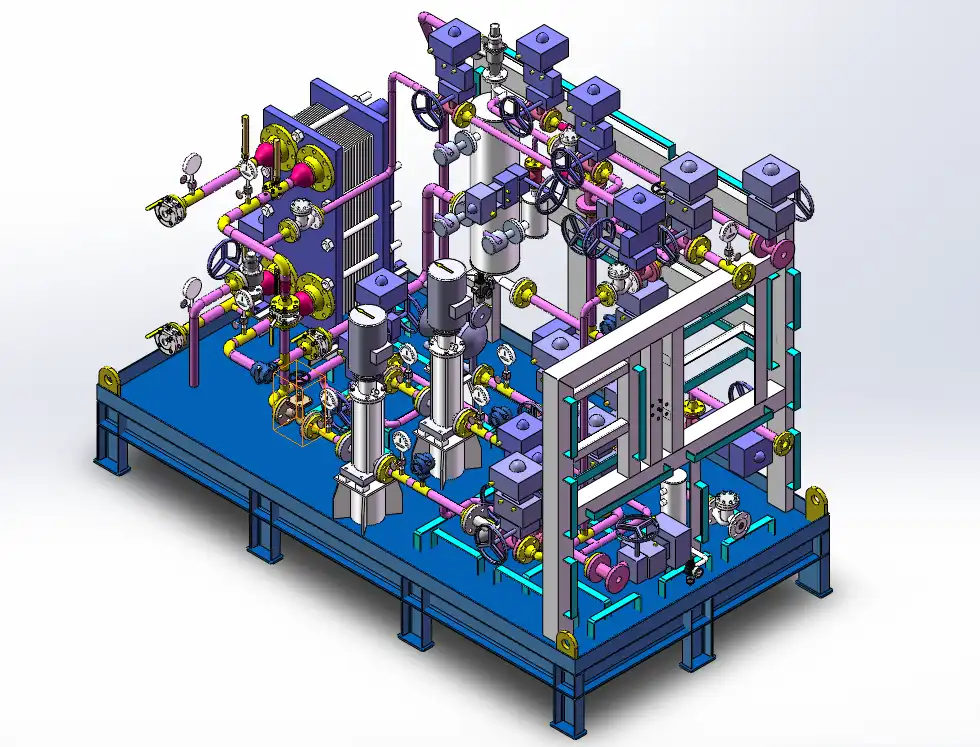
Understanding Pressure Requirements in Methanol Fuel Supply Systems
Controlling the pressure is the key to getting methanol fuel to marine uses that work well. Unlike regular marine gas oil systems, methanol systems have their own problems that need special engineering solutions. Methanol's chemical qualities, such as its low flashpoint, corrosive nature, and lower energy density, mean that it needs strict rules for managing pressure that can't be used with regular fuel systems.
Why Methanol Demands Stricter Pressure Control?
Methanol's lower viscosity than diesel affects flow behavior, requiring adjusted pressure parameters for uniform delivery. With about half the energy density of conventional diesel, engines need 2.2 times the volumetric flow for equivalent power. Methanol's toxicity also impacts pressure system design, as material incompatibility can damage seals, valves, and pipes, weakening pressure stability. Engineers must account for these chemical interactions when setting operating ranges and safety margins for Methanol Fuel Supply Systems.
Operating Pressure Parameters Explained
Three pressure levels control methanol fuel flow. Operating pressure is the normal stable range. Maximum pressure sets the upper limit before safety relief devices activate. Safety pressure margins protect against transient spikes from engine load changes or pump cycling. Marine methanol supply units typically operate between 2 and 8 barG, though specific values vary by engine type, tank size, and application. Large container ships often need higher pressure limits than coastal vessels.
Relationship Between Pressure and Combustion Performance
Sufficient pressure ensures proper fuel atomization at injection points, directly affecting combustion efficiency. Insufficient pressure creates larger droplets that burn incompletely, hurting engine performance and increasing emissions. Excessive pressure stresses injectors and lines while wasting energy on unnecessary pump work. The pressure-atomization link is critical during engine load changes. During acceleration, the system must maintain stable pressure to prevent combustion problems that could damage engines or compromise vessel safety.
Key Components Impacting Pressure in Methanol Fuel Supply Systems
During methanol fuel processes, a number of integrated parts work together to set and keep goal pressure levels. Knowing how each part works helps buying teams choose the right tools and guess when it will need to be maintained.
Fuel Pumps and Pressure Generation
In the Methanol Fuel Supply System, pumps are the main way that pressure is created. Unlike gasoline or diesel pumps, methanol pumps have to deal with lubricity problems because methanol doesn't naturally have those qualities. To keep parts from wearing out too quickly, some specialized pump designs use forced-lubrication systems or materials with low friction coefficients.
Due to its lower energy density, methanol needs a bigger pump. For example, a ship that needs 100 kilowatts of power needs about twice as much methanol as gasoline. As a result, pump specs must include enough flow rates while keeping pressure within acceptable ranges when the engine is under different loads.
Pressure Regulators and Control Valves
Pumps are the primary pressure generation method in Methanol Fuel Supply Systems. Unlike gasoline or diesel pumps, methanol pumps must address lubricity deficiencies since methanol lacks those natural properties. Specialized pump designs use forced-lubrication systems or low-friction materials to prevent premature wear. Methanol's lower energy density requires larger pumps. A ship needing 100 kilowatts requires about twice as much methanol as gasoline, so pump specifications must include adequate flow rates while maintaining acceptable pressure ranges.
Pressure Sensors and Monitoring Systems
Regulators maintain steady delivery pressure despite changing pump output or engine demand. Modern methanol systems use electrically controlled regulators that respond within milliseconds to sensor input, adjusting valve positions to correct pressure variations before they affect engine performance. Material selection for regulators is critical. Methanol degrades certain metals and elastomers, so valve components require austenitic stainless steel (typically 316L grade) and fluoropolymer seals that resist methanol degradation. Poor materials cause pressure control failures that can stop operations.
Fuel Lines and Material Compatibility
Pipeline configuration significantly affects flow stability. Methanol's chemical reactivity demands specific pipe materials, primarily stainless steel with walls thick enough to handle working pressures plus safety margins. Double-walled pipe designs provide secondary containment with annular space monitoring to detect primary barrier breaches. Pipe sizing must accommodate higher volumetric flow requirements while avoiding excessive flow velocities that cause turbulence and pressure losses. Proper routing minimizes turns and elevation changes that induce pressure variations.
Comparing Methanol Fuel Supply Pressure Requirements with Other Fuels
Knowing how the pressure needs for Methanol Fuel Supply System are different from those for other marine fuels makes it clear why special systems are needed. This study sheds light on the design issues that make methanol setups different from regular fuel installations.
Methanol Versus Marine Gas Oil
Traditional marine gas oil systems operate at low pressures around 3-5 barG. Diesel's higher viscosity and lubricity simplify pump designs and allow broader material compatibility. Although methanol operates at similar pressure levels, it needs more complex pressure control. Diesel tolerates pressure variations better than methanol without combustion degradation. Methanol's lower viscosity directly translates pressure changes into flow rate variations, requiring tighter control tolerances for consistent engine operation.
Ethanol and Alcohol Fuel Comparisons
Ethanol has about 30% more energy than methanol, allowing lower volumetric flow rates and less pumping power. Ethanol systems typically operate at slightly lower pressures. Both alcohols degrade similar materials, but methanol's higher toxicity and invisible flame impose stricter safety rules affecting pressure system design. Leak detection is more critical for methanol, driving pressure monitoring approaches that might seem excessive for ethanol applications.
Application-Specific Pressure Considerations
Large crude oil ships converted to methanol need stronger supply systems than coastal ferries. VLECs and VLACs already handle chemicals, making them suitable for methanol fuel management. Offshore support vessels in dynamic positioning mode experience frequent load changes challenging pressure control. PCTCs with auxiliary engine configurations need adaptable pressure control. Inland river boats have limited space affecting component selection and pressure system layout on the Yangtze or Pearl River.
Maintenance and Troubleshooting of Pressure Systems in Methanol Fuel Supply
Maintaining the best pressure performance for the Methanol Fuel Supply System requires regular upkeep and the ability to quickly figure out what's wrong when it does happen. Proactive management stops expensive breakdowns before they happen and increases the life of equipment.
Routine Pressure System Inspections
Regular inspections should check pressure gauge accuracy, look for leaks around fittings and valve glands, and compare pump performance to baseline measures. Quarterly pressure sensor calibration ensures control systems receive correct feedback. Annual hydrostatic fuel line testing verifies structural integrity before failures occur. Seal condition inspection is especially important because even minor methanol-induced seal damage can rapidly worsen into major leaks within weeks, requiring more frequent inspection than diesel systems.
Calibration Procedures for Pressure Control
Calibration maintains measurement accuracy essential for pressure management. Sensor calibration checks readings against known standards and adjusts output signals to eliminate service-induced drift. Pressure regulator calibration ensures control valves respond properly across their operating range. Documenting results creates historical records showing component degradation before failure. When sensors consistently need increasing adjustments, replacement is needed before accuracy falls below acceptable levels, transforming calibration into predictive maintenance.
Common Pressure-Related Issues
Pressure drops typically indicate leaks, worn pumps, or clogged filters. Systematic troubleshooting checks pressure at multiple points against design specifications. Sudden drops suggest valve or line rupture needing immediate repair. Gradual decline suggests seal wear or contaminant accumulation. Pressure spikes usually result from malfunctioning valves, pump control problems, or water hammer. Relief valves prevent catastrophic overpressure, but frequent cycling indicates control issues needing correction through pattern analysis.
Upgrading Pressure Control Components
Adding electronic pressure regulators to older systems improves stability and reduces energy consumption compared to mechanical versions. Additional pressure transmitters at strategic locations enhance monitoring coverage and enable earlier problem detection. Component upgrades must consider compatibility with existing design to avoid integration problems. Modular designs allow incremental improvements without complete replacement, enabling managers to enhance performance as budgets permit while maintaining operational continuity during upgrades.
Procurement Considerations for Methanol Fuel Supply Systems with Optimal Pressure Control
To choose the right tools and providers, you have to look at a lot of technical and business factors. When making procurement choices, it's important to weigh the original costs against the long-term value of the item while also making sure that it meets all regulations and works reliably.
Evaluating Supplier Capabilities
When evaluating a supplier, it's important to check their design knowledge with low-flashpoint fuels, their manufacturing quality systems, and their certification qualifications. Suppliers who give DNV product certificates and AIP (Approval in Principle) documents show that they work with classification societies that check the integrity of designs. This approval by a third party gives you peace of mind that the pressure control features meet industry standards.
Track records are very important. Suppliers who have turned the Methanol Fuel Supply System into working systems know things that engineers who only study theory can't. Asking possible providers for examples of installations they've done and performance data from ships in use shows what they can really do, not just what they say they can do.
Custom Design Versus Standard Solutions
Standard products are cheaper and can be delivered faster, but they might not perfectly meet the needs of a particular vessel. Customized systems are made to fit specific placement restrictions, operating profiles, and integration needs that can't be met by standard equipment. The choice between the two methods relies on how well the standard requirements match the needs of the program.
CM Energy is an example of a company that offers both options. Our modular Methanol Fuel Supply System designs allow for a variety of fitting arrangements while keeping standard core parts that make the systems reliable. This hybrid method lets you customize things without sacrificing the speed of parts that have already been tried. Procurement teams get custom solutions without the risks that come with building something from scratch.
Pressure Performance Verification
By requiring plant acceptance testing before shipping, you can be sure that the pressure control works as expected in a controlled environment. When systems are being tested, they should be put through the same kinds of load changes, temperature changes, and flow rate changes that they will see in real life. Being able to see tests gives you faith that the tools will do what it's supposed to do.
Pressure performance charts, component specs, and compliance documents should all be in documentation files. During vessel classification studies, these records are very helpful, and they also serve as baselines for future fixing. Documentation that isn't full shows that the quality systems aren't good enough, which could affect the availability of long-term support.
Installation and Commissioning Support
Professional installation services make sure that systems work the way they were meant to. When placed wrongly, even well-designed equipment doesn't work well. Suppliers who offer installation guidance or full package services lower the risks of launching and get the ship into service faster. This help is especially helpful for companies that have never worked with a methanol system before.
As part of the commissioning help, the crew should be trained in regular operations, upkeep, and how to fix problems. When problems happen, operators who understand how pressure control works can fix them more quickly and effectively, cutting down on downtime and keeping small problems from turning into big fails.
Lifecycle Support and Service After the Sale
Total ownership costs are more affected by ongoing expert assistance, the availability of spare parts, and ways to upgrade the system than the original purchase price. When problems happen, suppliers with global service networks can fix them faster. This is especially important for ships that travel between countries. Parts inventory and technical paperwork are usually kept longer by established sellers than by newer companies that just got into the market.
CM Energy offers full lifetime support, which includes remote diagnosis, faster sending of spare parts, and retrofit engineering for ships that need to increase their capacity or get better technology. We have successfully delivered 19 ship sets of clean fuel systems, including a Methanol Fuel Supply System to Stena RoRo. This shows that we are committed to long-term customer partnerships that go beyond the sale of equipment.
Conclusion
Managing pressure is the most important thing that determines the safety, dependability, and efficiency of a Methanol Fuel Supply System. Working pressures must stay fixed between 2 and 8 barG even when the engine load changes, and parts must be able to handle methanol's corrosive qualities. Choosing the right pumps, regulators, monitors, and pipes is important for keeping the pressure stable throughout the duration of a system. When you compare the needs for methanol to those for regular fuels, you can see why you need specialized engineering, even when the pressure levels look similar at first glance. Maintenance, testing, and fixing done on a regular basis keep pressure control working well and find problems before they break. Instead of just looking at the original cost, procurement choices should look at the qualifications of the seller, the pressure performance verification, and the lifecycle support capabilities. Companies that follow these steps will be able to benefit from methanol's environmental benefits while dodging the problems that early users have had.
FAQ
1. What is the typical operating pressure range for marine methanol fuel supply systems?
Marine Methanol Fuel Supply System commonly operate between 2 and 8 barG depending on engine requirements and vessel type. Smaller inland river vessels might function at the lower end around 2-5 barG, while larger ocean-going ships with high-capacity engines often require 6-8 barG. These ranges ensure adequate fuel atomization and flow rates while maintaining safety margins below maximum design pressures.
2. How does improper pressure control affect engine performance?
Insufficient pressure reduces fuel atomization quality, creating incomplete combustion that decreases power output and increases emissions. Pressure instability causes combustion irregularities that stress engine components and reduce operational lifespan. Excessive pressure wastes energy and can damage injectors or fuel lines. Maintaining target pressure ranges ensures optimal combustion efficiency and protects mechanical systems from premature failure.
3. Can existing diesel fuel systems be converted for methanol service?
Direct conversion rarely succeeds because diesel and methanol systems require different materials, pressure control approaches, and safety features. Methanol's corrosiveness attacks standard diesel system components while its lower energy density demands higher flow capacities. Successful conversions require replacing pumps, lines, seals, and control systems with methanol-compatible equipment—essentially installing a new Methanol Fuel Supply System rather than modifying existing infrastructure.
Partner With CM Energy for Advanced Methanol Fuel Supply System Solutions
CM Energy (TSC brand) brings extensive expertise in marine energy solutions and pioneering innovation in alternative fuel technologies. As a leading Methanol Fuel Supply System manufacturer, we've successfully delivered methanol supply units for diverse vessel types—from chemical tankers to Pure Car/Truck Carriers—demonstrating our capability to meet stringent pressure control requirements across applications. Our systems feature modular designs with precise pressure regulation, DNV certification, and comprehensive safety compliance meeting both SOLAS-IBC and IGF Code standards.
Choosing CM Energy means accessing proven technology backed by real-world performance. Our engineering team combines deep knowledge of dual-fuel vessel systems with hands-on experience from actual methanol installations. We provide complete lifecycle support—from initial design through manufacturing, installation supervision, and ongoing after-sales service—ensuring your pressure control systems maintain optimal performance throughout their operational lives.
Contact us at info.cn@cm-energy.com to discuss your vessel's specific pressure requirements and explore how our customized methanol fuel supply solutions can enhance your fleet's performance and environmental compliance.
References
1. International Maritime Organization. "International Code of Safety for Ships Using Gases or Other Low-flashpoint Fuels (IGF Code)." IMO Publishing, 2017.
2. DNV GL. "Alternative Fuels for Shipping: Methanol as Marine Fuel." DNV Classification Notes, 2021.
3. MAN Energy Solutions. "Methanol-Fuelled Two-Stroke Engines: Technical and Operational Considerations." MAN Technical Papers, 2020.
4. Society of Naval Architects and Marine Engineers. "Design and Operation of Methanol Fuel Supply Systems for Marine Applications." SNAME Transactions, Vol. 129, 2022.
5. Lloyds Register. "Fuel Flexibility on the Pathway to Decarbonisation: Methanol as a Marine Fuel." LR Marine Technical Report, 2021.
6. WinGD. "Methanol Combustion Engines: System Integration and Pressure Management Best Practices." Winterthur Gas & Diesel Technical Documentation, 2023.