Renewable Hydrogen: A Bridge Between Clean Energy and Storage
Renewable hydrogen is reshaping how industries think about energy. Produced by running electricity from solar or wind sources through a water electrolysis system, it offers a zero-emission path to storing and transporting clean energy at scale. A modern alkaline hydrogen generator sits at the center of this process — converting surplus renewable power into hydrogen gas that can be stored, transported, or fed directly into industrial processes. As decarbonization targets tighten globally, understanding how these systems work and what to look for during procurement has never been more relevant.
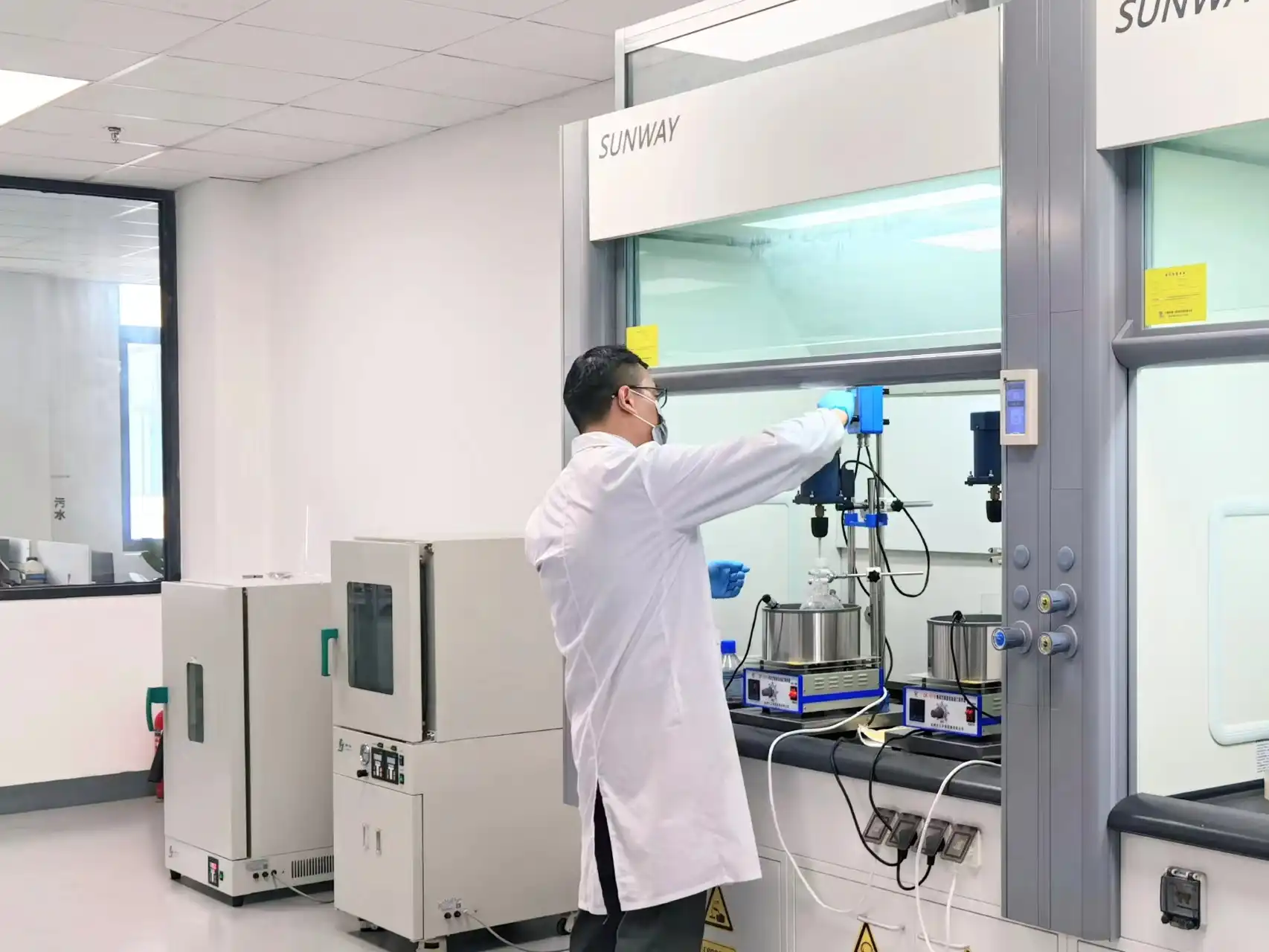
Understanding Renewable Hydrogen and How Electrolysis Systems Work
What Is Renewable Hydrogen?
natural hydrogen, also known as "green hydrogen," is made by using energy from natural sources to split water into hydrogen and oxygen. Gray hydrogen comes from reforming natural gas. Green hydrogen, on the other hand, doesn't directly release carbon into the air. The International Energy Agency (IEA) says that the production of green hydrogen needs to be scaled up a lot in order to meet net-zero goals by 2050. This means that reliable electrolysis equipment is a must-have for anyone planning a serious project.
How an Alkaline Electrolysis System Operates
To split water molecules, an alkaline water electrolysis machine runs direct current through a solution of potassium hydroxide (KOH). When you put together an electrolyzer stack with a Balance of Plant (BOP) system and a power source unit, the cathode makes hydrogen gas and the anode makes oxygen gas. The porous diaphragm, which is usually made of Zirfon or a polyphenylene sulfide membrane, keeps the two gas streams separate and stops them from crossing over in a dangerous way.
ALK vs. PEM: A Practical Comparison
For proton exchange membrane (PEM) devices to work, they need solid polymer electrolytes and valuable metal catalysts like platinum and iridium. Alkaline systems, on the other hand, use electrodes made of nickel and a liquid electrolyte, which keeps the costs of the materials much lower. PEM reacts more quickly to changes in load, but alkaline electrolyzers have a more stable supply chain and stacks that last longer (usually 60,000 to 90,000 hours). Alkaline technology is still the best way to make green hydrogen on a large scale and continuously.
Advantages of Using a Hydrogen Generator for Clean Energy Storage
It has always been hard to store energy from the sun and wind. Batteries get worse over time and have trouble when used on a large scale. When there is extra output, hydrogen can be made on-site and stored as a gas. This is a different type that can be used when needed.
Energy Conversion and Storage Efficiency
Modern hydrogen that is alkaline Generators can handle a wide range of power inputs, which makes them a good match for variable renewable energy sources. For example, CM Energy's TSC ALK hydrogen generator can handle power levels between 20% and 150% of its average load. This means it can handle changing solar or wind output without shutting down. A third party confirmed that it uses 15% to 20% less DC power than the average in the home industry. This means that it will cost less to run over the life of the project.
Long-Term Operational Stability
To make alkaline electrolysis a good long-term investment, here are the main things that make it work well:
- Extended service life: The TSC ALK hydrogen generator is designed for a 20–25 year operational lifespan with minimal performance degradation, reducing capital replacement frequency.
- Rapid cold start: The system achieves operational readiness quickly, minimizing hydrogen production losses during intermittent renewable power availability.
- Broad ambient compatibility: With a containerized, compact design, the unit can be installed both indoors and outdoors across a range of temperatures — essential for projects in the Gobi Desert, the Middle East, or Northern Europe.
These performance traits directly address the two biggest concerns for people who are working on green hydrogen projects: the levelized cost of hydrogen (LCOH) and the durability of equipment under changing load conditions.
Safety and Certification Assurance
The TSC hydrogen generator is approved by CNAS, CE, ISO 22734, and ASME. The pure gas output is 99.8%, and with normal filtration units, it can be raised to 99.999%. The system's control design keeps an eye on the hydrogen-in-oxygen crossing levels all the time, making sure they stay well below the 2% explosive level.
Comparing Hydrogen Generators With Alternative Storage Technologies
Compressed Gas and Liquid Hydrogen Storage
Both high-pressure storage tanks and liquid hydrogen cryogenic systems need a lot of extra equipment and energy to run. When storage is compressed at 350–700 bar, it needs strong containment and frequent check processes. On-site electrolysis production, on the other hand, makes hydrogen where it is needed, which cuts down on the cost of shipping and the need for pipelines. Over a 20-year period, this on-site model repeatedly shows that projects that combine wind, solar, and hydrogen have a lower overall cost of ownership.
Scalability in Industrial Applications
Battery energy storage doesn't work well after four to six hours of charging. Hydrogen storage is not limited in this way; cavern storage, above-ground vessels, and pipeline injection can all store hydrogen for more than one day or for a season. The TSC alkaline electrolysis system is designed to be modular, which means that it can have its output capacity increased by adding more electrolysis units at the same time without having to change the BOP infrastructure. This flexibility is a very important factor in the feasibility studies that EPC companies and design institutes make for big wind-solar-hydrogen projects.
Application Scenarios Across Sectors
The TSC ALK hydrogen generator can be used for many different things, such as:
- Chemical synthesis: Green hydrogen as feedstock for ammonia and methanol production, displacing grey hydrogen in existing processes.
- Hydrogen metallurgy: Direct reduction of iron ore using hydrogen instead of coking coal, supporting decarbonization in steel manufacturing.
- Grid balancing: Absorption of curtailed renewable electricity for peak shaving and frequency regulation services.
- Transport fuels: Production of green aviation fuel, green ammonia, and synthetic alcohols for the maritime and aviation sectors.
In all of these situations, a hydrogen generator that can work constantly at a high current density and adjust to areas with varying energy supplies from natural sources would be helpful.
Procurement Guide: What to Evaluate Before You Buy
There are several steps to choosing the right electrolysis tools. Possibility, skill scores, and the ability to deliver all play a role in the final choice.
Key Technical Criteria
Teams in charge of buying things should look at how much DC power is needed for each unit of hydrogen output, the production capacity of a single stack, the modular growth potential, and performance data that has been confirmed by a third party. The TSC system's performance indicators meet or beat the U.S. Department of Energy's 2026 technical targets. This is an objective standard that makes it easier to compare proposals from different suppliers.
Certifications and Quality Control
Factory Acceptance Tests (FAT) and Site Acceptance Tests (SAT) make sure the system works well before and after delivery. As part of their quality control, look for suppliers whose stacks go through hydrostatic pressure testing, cell voltage uniformity checks, and continuous gas crossover monitoring. The TSC hydrogen generators from CM Energy are backed by these procedures and have certifications that are known around the world.
After-Sales Support and Spare Parts
A project that is meant to last 20 years needs more than just tools. It also needs a way to get electrodes, membranes, and electrolytes. CM Energy helps with assembly on-site, checks for compatibility before shipping, and offers direct expert support during testing. This end-to-end delivery model lowers the chance that there will be long periods of downtime after installation.
Future Trends: Green Hydrogen and the Evolving Energy Economy
Market Growth Projections
BloombergNEF thinks that by 2050, green hydrogen could meet up to 24% of the world's energy needs. Electricity generators and project creation are getting billions of dollars from government programs in China, the EU, and the US. When project pipelines grow, procurement teams that lock in long-term ties with suppliers now will be in a better situation.
Smart Integration and Industry 4.0
More and more modern alkaline electrolysis systems come with digital monitoring platforms that keep real-time records of stack health, electrolyte concentration, and power use. Predictive maintenance schedules use this data to cut down on unplanned downtime and increase the time between equipment service visits. As part of its line of hydrogen devices, CM Energy is still working to improve these tracking features.
Strategic Procurement Timing
Working with an electrolysis equipment provider early on, ideally during the feasibility and process design phase, lets project managers make sure that the equipment fits with the process package right from the start. This cuts down on expensive redesigns during the bid stage and speeds up the whole project.
Conclusion
Alkaline electrolysis makes renewable hydrogen, which is one of the most useful ways to store and use clean energy on an industrial scale. The CM Energy TSC ALK hydrogen generator has been tested and proven to use little power, be useful in many areas, and last a long time. It comes in a flexible, certified package.
FAQ
1. Can an alkaline hydrogen generator handle fluctuating renewable power inputs?
Yes. Modern alkaline systems include a turndown ratio that allows operation at partial load. The TSC system operates between 20% and 150% of nominal power, making it compatible with variable solar and wind generation profiles without compromising gas quality or stack integrity.
2. What maintenance does the electrolyte require?
The KOH solution requires periodic monitoring for concentration and carbonate accumulation. Annual checks and top-up are standard practice. Full electrolyte replacement is infrequent when the system is properly isolated from atmospheric CO₂.
3. How does alkaline electrolysis compare to PEM in terms of cost?
Alkaline systems avoid the precious metal catalysts required by PEM technology. This reduces both initial procurement cost and long-term supply chain exposure to volatile iridium and platinum pricing.
4. What certifications should I require from a hydrogen generator supplier?
ISO 22734, ASME, CE, and CNAS are the primary certifications to request. These cover safety, performance, and pressure vessel integrity — all critical for bankable project financing and regulatory approval.
5. How long does stack refurbishment take on an alkaline electrolyzer?
Stack overhaul is typically required after 60,000 to 90,000 operational hours. Planned refurbishment windows, coordinated with the supplier, minimize production loss and are factored into long-term operations and maintenance budgets.
Partner With CM Energy for Your Next Green Hydrogen Project
Are you searching for a dependable solution for efficient and sustainable green hydrogen production? CM Energy’s innovative Hydrogen Generator systems serve industrial, power and transportation sectors with great efficiency and long term stability. Our TSC ALK Hydrogen Generator uses patented electrode and membrane technology to provide low power consumption, fast cold start and flexible operation over a broad power range. Our hydrogen generating solutions are CNAS, CE, ISO22734 and ASME certified, and have shown performance from over 50MW of systems supplied globally. CM Energy’s customised integration solutions, including its experienced technical support and full-service assistance from installation to operation, enable clients expedite their sustainable energy transformation. Contact info.cn@cm-energy.com today to discuss your hydrogen project and explore the right Hydrogen Generator solution for your needs.
References
1. International Energy Agency (IEA). Global Hydrogen Review. 2023.
2. BloombergNEF. Hydrogen Economy Outlook. 2023.
3. U.S. Department of Energy (DOE). Hydrogen Shot: Pathways to Commercial Liftoff. 2023.
4. International Renewable Energy Agency (IRENA). Green Hydrogen Cost Reduction: Scaling Up Electrolysers to Meet the 1.5°C Climate Goal. 2020.
5. Hydrogen Council. Hydrogen Insights: A Perspective on Hydrogen Investment, Market Development, and Cost Competitiveness. 2023.
6. International Journal of Hydrogen Energy. "Performance Benchmarking of Large-Scale Alkaline Water Electrolysis Systems for Green Hydrogen Production." 2022.