Why Use an Automated Sail System on Bulk Carriers?
Deploying an automated sail system on a bulk carrier is one of the most practical steps a shipowner can take right now to cut fuel costs and meet tightening carbon regulations. Unlike traditional manual sails, a modern automated sail system adjusts its angle and camber in real time, responding to live wind data without requiring crew intervention on deck. The result is consistent auxiliary propulsion that reduces main engine load, lowers bunker consumption, and helps vessels meet IMO CII and EEXI requirements — all without disrupting cargo operations.
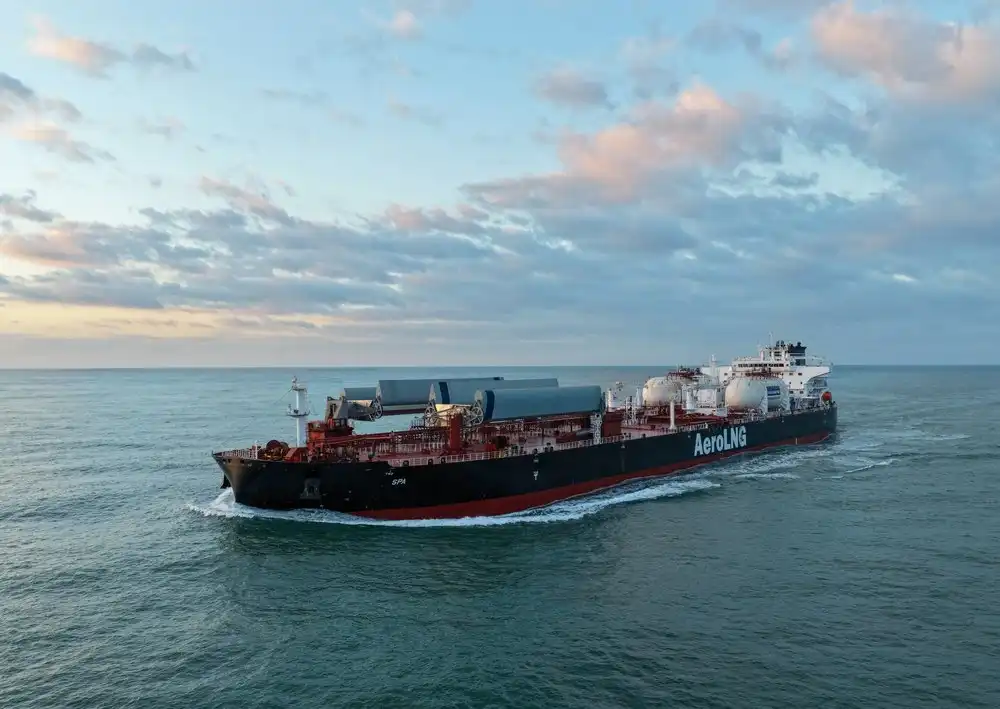
Understanding Automated Sail Systems for Bulk Carriers
What an Automated Sail System Actually Does?
An automated sail system uses stiff wings that are made in a way that makes them more aerodynamic to take in wind energy and turn it into forward thrust. Onboard sensors constantly check the apparent wind speed and angle. They then tell the control unit to turn the wing and change its slope to get the most lift. No one touches any of the lines or handles during this whole process.
How the TSC WindWings® System Works?
The TSC WindWings® from CM Energy is a three-element stiff sail made with unique technology that was created with BAR Technologies in the UK. The three-element wing shape creates more than 2.5 times as much lift as a normal sail with only one wing. The automated sail system can change both the camber form and the angle of attack, so the sails are always in the most aerodynamic position for the weather.
Electric Actuation and Operational Modes
The TSC automated sail system is powered by electricity and can work in three different modes: normal navigation, port berthing, and storm survival. The wing turns into a laydown position, which takes up very little deck room, when the ship gets close to a berth or needs to clear hatch covers. This folded cord is just over half a meter long, so it doesn't get in the way of moving goods.
Why Bulk Carriers Benefit from an Automated Sail System?
Fuel Savings Backed by Real Data
The biggest cost for most bulk carriers is their fuel, which makes up 40 to 60 percent of their voyage costs. DNV has separately confirmed that the TSC automated sail system works on real ships. Depending on the route wind conditions, it can save up to 30% on fuel. Each wing can save up to 1.6 tons of fuel every day, which quickly adds up for a fleet of ships.
Regulatory Compliance Made Practical
Every year, the IMO's Carbon Intensity Indicator (CII) gives each ship a grade between A and E. If a ship gets a D or E rating for two years in a row, it has to take appropriate action. Putting in an automated sail system directly lowers carbon intensity, which helps ships keep their A or B grades. Ships that operate in EU waters also have to pay EU ETS carbon costs, and for every ton of CO2 that is avoided, permit purchases are saved directly.
Crew Safety and Operational Simplicity
With traditional wind propulsion, crews had to work outside on decks in bad weather, which was a real safety risk. That risk is completely taken away by the TSC automated sail system. It's operated like a deck crane: the crew uses a standard interface, they don't need to know a lot about ropes, and the system has built-in alarms that check on its own health. This means that current crew can easily adopt without having to go through a lot of training again.
Comparing Automated and Traditional Sail Systems on Bulk Carriers
Responsiveness and Control Accuracy
Moving trade winds or squalls can't be dealt with quickly enough by a commercial bulk carrier's manual sail. An automated sail system responds in seconds and keeps improving thrust output. Specialized software figures out the best way to position the wings and sends real-time information about thrust performance to both the bridge and shore teams via the web. You can't get this level of accuracy by touching things by hand.
Total Cost of Ownership
An automated sail system has a big up-front cost, and shipowners are right to look closely at the payback period. But if you compare the fuel savings of up to 1.6 tons per wing per day to the present price of bunker, you'll see that most sites get a return on investment that's good enough for board approval. The TSC automated sail system is made to last for 25 years and can be moved from one ship to another. This spreads the cost of the initial purchase across the whole fleet.
Maintenance Burden Compared to Manual Rigs
Commercial ships with manual sail systems have standing ropes, running gear, and cloth or membrane parts that break down quickly in saltwater. Ship-grade steel and industrial E-glass composites are used in the TSC automated sail system, which also has marine-grade electrical and hydraulic parts. CM Energy offers long-term service packages that include IoT-based remote tracking that finds problems before they cause downtime. Routine repair is timed to match standard dry-docking plans.
How to Choose the Right Automated Sail System for Bulk Carriers
Match System Size to Vessel Type and Route
The TSC automated sail system from CM Energy comes in three sizes that are good for aerodynamics. These sizes can be used on bulk ships and tankers with different deck layouts. To pick the right model, you need to do a compatibility study that looks at how the deck is set up, how much space there is between hatch covers, and the usual wind paths the ship goes through. A road with steady trade winds saves a lot more money each year than one that is mostly hit by gusts or calms.
Verify Certification and Third-Party Validation
It's important to note that not all wind-assisted propulsion goods have the same amount of independent proof. DNV and BV have given the TSC automated sail system type approval and AIP certification. LR and CCS have also given it certification. WindWings®'s aerodynamic ability has been proven by tests done by the Wolfson Unit and Lloyd's Fluid Dynamics. This certification stack clears up the approval process for procurement teams that answer to class surveyors and charterers.
Evaluate Lifecycle Support Capability
A company that sells automated sail systems should offer more than just hardware. CM Energy provides full lifetime support, including compatibility analysis, on-site assembly, factory acceptance testing, installation on board, and ongoing upkeep. The IoT tracking platform lets technical superintendents on land see how each wing is doing in real time, and the built-in weather routing tool helps journey planners make the most of every wind advantage.
Installation, Maintenance, and Future Trends
The TSC Installation Process
CM Energy has an organized five-step installation process that includes a vessel suitability analysis, assembly on-site, factory acceptance testing, delivery of the product, and installation on board. All of the parts come from sources that are ISO-certified, and when the automated sail system is finished, it leaves the yard with all of the paperwork needed by the classification society already in order.
Scheduled Maintenance and IoT Monitoring
Checking the hydraulic fluid, inspecting the seals and bearings, and updating the software are all part of the TSCautomated sail system's preventative maintenance. All of these tasks are scheduled to happen during normal dry-dock windows so that the system doesn't have to be taken off-hire for longer than planned. The Internet of Things (IoT) sensors on board constantly check for vibrations, motor draw, and structure loads, sending alerts before a small problem turns into a repair event.
AI-Assisted Weather Routing
The built-in weather routing module, which can be accessed from both the ship and the shore via a web interface, uses forecast data to plan passages that line up the ship's course with the wind. As AI-assisted planning tools get better, the automated sail system will make it even more efficient by mixing real-time weather data with the ship's sailing performance profile.
Conclusion
There has never been a better time for business to use an automated sail system on bulk ships. Fuel prices are still unstable, rules on carbon emissions are getting stricter every year, and charterers are using CII ratings to screen fleets more and more. The TSC WindWings® automated sail system from CM Energy has saved DNV-verified amounts of fuel, is certified by four major classification societies, and has made more than 20 major port calls around the world without any problems. It has a planned life of 25 years and full lifecycle support, so the money you spend on it will pay off over the whole life of the ship.
FAQ
1. Does an automated sail system interfere with cargo handling?
No. The TSC automated sail system is positioned between cargo holds and rotates into a laydown position during hatch cover operations. The folded profile clears all standard hatch cover machinery, and bulk carriers in service have completed port calls at over 20 global ports without any cargo-handling incidents.
2. What fuel savings can we realistically expect?
Savings depend on the specific route and seasonal wind patterns. DNV-verified real-world data shows the TSC automated sail system saves up to 1.6 tonnes of fuel per wing per day, with total vessel savings reaching up to 30% on favorable routes. Your CM Energy technical team can model expected returns based on your actual trading pattern.
3. How long does installation take, and will it affect trading schedules?
Installation is planned around existing dry-dock windows to minimize off-hire impact. CM Energy manages the full process from compatibility analysis through onboard commissioning, coordinating with your scheduling team to keep disruption to a minimum.
4. Which classification societies certify this system?
The TSC automated sail system carries type approval and AIP certification from DNV and BV, plus certification from LR and CCS — covering virtually every major flag and class requirement in international shipping.
5. Can the system be moved to another vessel?
Yes. The TSC automated sail system is designed for transfer between vessels, which makes it a long-term fleet asset rather than a single-ship expenditure.
Partner with CM Energy for Your Automated Sail System
The TSC brand from CM Energy sells a tried-and-true automated sail system that meets the needs of serious shipowners. TSC is an automated sail system provider with the technical depth to help your fleet reach its decarbonization goals. Its products are widely certified and come with full lifecycle service, from installation to IoT tracking. Get in touch with our team right away to ask for a route-specific fuel savings analysis or to set up a technical consultation. You can email us at info.cn@cm-energy.com or go to cm-energy.com.
References
1. International Maritime Organization. IMO Strategy on Reduction of GHG Emissions from Ships. IMO, 2023.
2. DNV. Wind-Assisted Propulsion: Operational Experience and Fuel Saving Verification. DNV, 2023.
3. Wolfson Unit for Marine Technology and Industrial Aerodynamics. Aerodynamic Performance Assessment of Rigid Wing Sail Systems. University of Southampton, 2022.
4. Bureau Veritas. Guidelines for Wind-Assisted Ship Propulsion Systems: Classification and Certification. BV, 2022.
5. International Windship Association (IWSA). Wind Propulsion Technology: Market and Technology Status Report. IWSA, 2023.
6. Lloyd's Register. ShipRight Design and Construction: Wind-Assisted Propulsion Design Appraisal Guidance. LR, 2022.