How to Select a Methanol Fuel Feed System for Ships
Selecting the right methanol fuel feed system for your vessel is one of the most consequential technical decisions in a dual-fuel newbuild or retrofit project. A methanol fuel feed system controls the pressure, temperature, flow rate, and cleanliness of methanol delivered to the main engine — and getting this selection wrong can affect safety, regulatory approval, and operational reliability across the ship's entire service life. This guide walks you through every major consideration, from system architecture to supplier evaluation, so your procurement team can move forward with confidence.
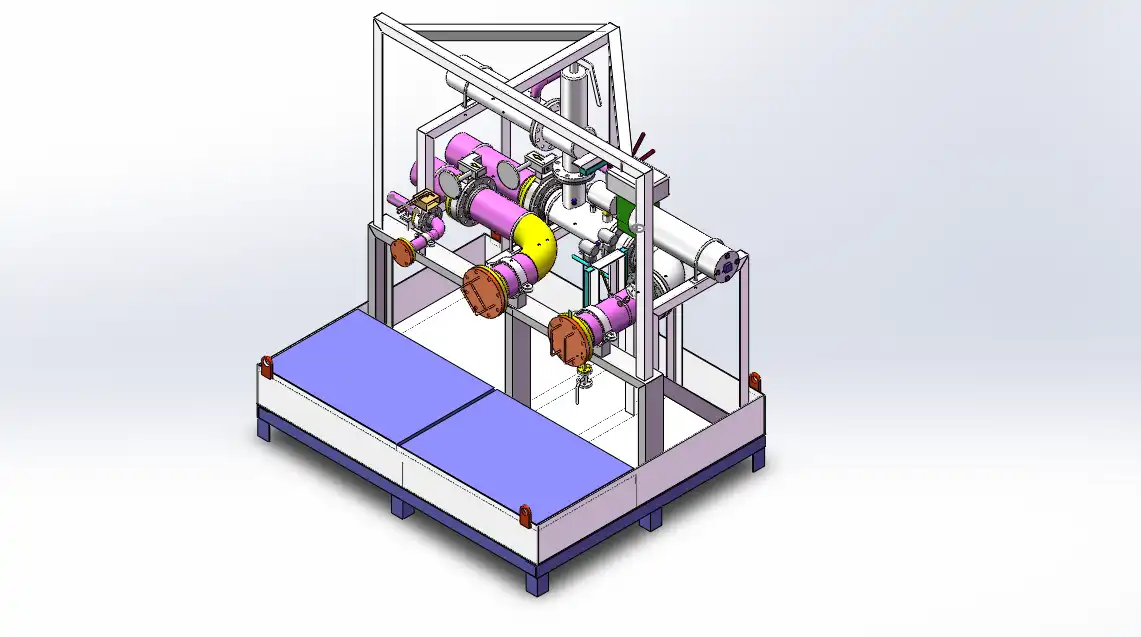
Understanding Methanol Fuel Feed Systems: Components and Working Principles
The methanol fuel feed system is a carefully designed part that is made to deal with methanol's special features, which include its low temperature (below 60°C), low viscosity, high gas pressure, and inherent toxicity. In contrast to regular heavy fuel oil circuits, every wet part needs to be made of 316L stainless steel or a suitable metal, and the seals need to be made of PTFE or EPDM to protect them from chemical attack.
Core Subsystems
There are four main parts that make up a full methanol fuel feed system. The methanol supply unit makes sure that the fuel meets the exact pressure and flow requirements set by the engine manufacturer. It also makes sure that these conditions stay the same during all load changes, such as starting up, switching loads, and emergency shutdown. Under the rules of the SOLAS-IBC Code, the filling and distribution section handles loading, storing, and moving methanol as a chemical cargo. The extra block has lines for removing nitrogen, circuits for controlling temperature, and management for drains. The control and safety system keeps an eye on all of the parameters in real time and automatically cuts off power within seconds of a fault signal.
Materials and Safety Design
Because methanol doesn't lubricate like diesel does, choosing the right pump is very important. Magnetic-drive or surface-treated pump internals make the pump last longer and lower the chance that the seal will break. It is common to use double-walled pipes with an annular space that is constantly watched. If fugitive vapor is found above the warning level, an automatic block-and-bleed valve closes. If you want to get DNV, ABS, or CCS class approval, you have to make these design choices.
Maintenance Fundamentals
A methanol fuel feed system works as it should by checking the mechanical parts every 4,000 to 8,000 hours of operation and following strict ISO 4406 cleanliness standards for filtering. Checks for corrosion should be made on all stainless steel joints, and regular nitrogen purge tests should be written down as part of the repair plan.
Comparing Methanol Fuel Feed Systems with Alternative Fuel Systems
They now have a real menu of decarbonization choices for shipowners. Knowing how a methanol fuel feed system compares to other options helps technical leaders make the case for the investment both within the company and to classification groups.
Methanol vs. LNG Feed Systems
LNG systems work at very low temperatures and need vacuum-jacketed pipes, special management for boil-offs, and reliquefaction units. A methanol fuel feed system works at room temperature, which makes insulation easier, lowers the cost of piping, and speeds up the installation process. Methanol is also easier to handle in ports because it is liquid at room temperature, which makes it easier to set up bunkering equipment.
Methanol vs. Ammonia Feed Systems
Pressure tanks suitable for storing chilled liquids are needed for ammonia because it is more dangerous. When made from green energy, ammonia has a zero-carbon footprint, but it has a much bigger safety impact on a working vessel. In the short run, a methanol fuel feed system is easier to implement, especially since green methanol is already readily available from businesses in Asia, Europe, and the Middle East.
Regulatory Position
The IMO's Carbon Intensity Indicator (CII) and EEXI rules, which have been in effect since January 2023, are directly costing ship owners money. Well-to-wake carbon reductions can be measured with methanol, especially green methanol made from biomass or sustainable hydrogen. These reductions are used directly in CII ratings and EU ETS compliance estimates.
Practical Procurement Considerations for Methanol Fuel Feed Systems
For a new build, the procurement process for a methanol fuel feed system usually starts 18 to 30 months before delivery. For a retrofit, it starts 6 to 12 months before delivery. It's cheaper and faster to fix mistakes in the process if they are caught early on in the technical design stage.
Supplier Qualification
Three things are more important than others when choosing a methanol fuel feed system seller. First, make sure the delivery history is correct. Ask for written references on real ship installations, not just prototype units. Second, links with classification societies: a provider who already has DNV AIP certificates and product certificates can cut the time it takes to get your plan approved by a huge amount. Third, the ability to integrate: suppliers who also make ammonia fuel supply systems (AFSS) and LNG fuel gas supply systems (FGSS) know how to build multi-fuel ships at the system level. This lowers the risk of problems at the interface between fuel handling and engine control.
Modular vs. Custom Configurations
Because it is built on modular skids, the methanol fuel feed system can be put together, checked for pressure, and made sure to work before it even gets to the port. This method cuts down on the time workers spend on the dock tasks and provides a safe area for the classification inspector to observe tests. When the machinery room measurements aren't standard or when the vessel has to follow two sets of rules at the same time, like an asphalt tanker that also burns methanol as fuel, custom configurations are needed.
Total Cost of Ownership
The cost of the tools up front is only one part of the equation. It's important to think about the installation scope, commissioning help, extra parts stocking, and global after-sales coverage. A methanol fuel feed system with strong OEM support cuts down on unplanned downtime costs over the life of a ship by a lot more than a slightly cheaper unit with weak service support.
Key Selection Criteria: How to Choose the Right Methanol Fuel Feed System for Your Fleet
The evaluation framework below can be used for most types of fleets, including container ships, chemical tankers, RoRo ferries, and bulk carriers.
Engine Compatibility and Response Precision
It is important to make sure that the methanol fuel feed system works with the right engine platform, like MAN ME-LGIM or WinGD, because each engine family has different fuel rail pressure needs and injection timing windows. Make sure the seller has recorded experience with joint commissioning the type of engine you want to buy. As the fuel changes from pilot fuel to full methanol mode, load-response accuracy is very important. Even a short drop in pressure can cause a misfire.
Safety System Architecture
Look for automatic emergency shutdown (ESD) reasoning that cuts off the fuel supply in less than two seconds if gas levels rise above 20% LEL, there is a loss of air, or the control power goes out. The nitrogen purge sequence should be fully automated, and the ship's built-in automation system should keep track of it. When the plans are approved, DNV and CCS surveyors look at these traits immediately.
After-Sales and Training Support
The competence of the crew is a real practical risk. Pick a methanol fuel feed system provider that gives chief engineers and rates organized training, not just a paper manual. Before you sign the contract, you should get written confirmation of the warranty coverage, documented wait times for spare parts, and access to field service engineers in your trade area.
Troubleshooting and Maintaining Your Methanol Fuel Feed System
Even a methanol fuel feed system that is well-designed will have problems at some point during its life. The crew and the working plan are both safe when people know how to act quickly.
Diagnosing Pump and Flow Faults
If the flow rate drops suddenly when the engine is running at full load, start by taking readings of the filter difference pressure. It's most often caused by filter elements that are clogged, which is also the easiest fix. If the filters are clean, check the pressure at the pump's input to make sure there isn't cavitation. If the suction head drops, methanol's high vapor pressure can cause vapor lock. The best way to avoid this problem is to replace worn seal parts at the times suggested by the OEM.
Sensor and Control System Faults
The manufacturer's instructions should be followed to set the methanol vapor sensors in the double-wall annular space every set amount of time. An unwelcome ESD event will happen if a drifted sensor sends out a false warning. Regular calibration stops these shutdowns. If the control system records repeated changes in pressure at a certain load point, talk to the OEM about the PID tuning settings. This can usually be fixed remotely.
Conclusion
To pick the best methanol fuel feed system, you need to make sure that the technical capabilities match the needs of the engine, that the safety architecture meets the standards of the class societies, and that you choose a source that has a history of working on real ships. In the long run, what sets one company apart from another is its modular design, DNV-certified parts, and real lifecycle support. The date for decarbonization has been set, and your fleet will stay ahead of it if you choose the right fuel system.
FAQ
1. Can a methanol fuel feed system switch back to MGO without interrupting engine power?
Yes. Most production-ready systems include automated changeover valves and purge logic that allow smooth transitions between methanol and marine gas oil without a power interruption. The nitrogen purge cycle clears residual methanol from the lines before the engine switches fuel modes.
2. What safety certifications should I require from a supplier?
At minimum, require a DNV Approval in Principle (AIP) certificate and a product certificate from a recognized classification society. Verify that the system has been type-tested to the IGF Code for low-flashpoint fuels and the SOLAS-IBC Code where methanol is also carried as cargo.
3. How does a methanol fuel feed system handle methanol's low lubricity?
Reputable suppliers use magnetic-drive pumps or pumps with Diamond-Like Carbon (DLC) coated internals to compensate for methanol's low lubricating properties. Strict micro-filtration upstream of the high-pressure stage also protects injectors and pump faces from particulate wear.
4. Is the system suitable for retrofit projects on older vessels?
Yes, provided the machinery space layout and structural supports are assessed early. A modular skid configuration is particularly well-suited to retrofit scenarios because it minimizes onboard fabrication work and allows the bulk of commissioning to happen off-ship.
5. What is the typical maintenance interval for the main supply pumps?
Mechanical seal inspection is typically recommended every 4,000–8,000 operating hours, depending on fuel cleanliness and filtration quality. Magnetic-drive pump designs can achieve significantly longer intervals under clean operating conditions.
Get Your Methanol Fuel Feed System from CM Energy (TSC)
CM Energy, doing business as TSC, offers certified methanol fuel feed system options. They have 19 ship sets of experience with clean fuel and cargo handling, and they have successfully delivered two Stena RoRo methanol fuel feed system skids. TSC was one of the first companies in the United States to make a verified methanol fuel feed system. They offer both stand-alone supply units and fully integrated packages that include LNG, ammonia, and methanol fuel supply all in one contract. To get a technical consultation today, whether you are planning a new build or a retrofit, please email our engineering team at info.cn@cm-energy.com or go to cm-energy.com.
References
1. International Maritime Organization. IGF Code: International Code of Safety for Ships Using Gases or Other Low-Flashpoint Fuels. IMO, 2015.
2. DNV. Rules for Classification: Ships — Low-Flashpoint Fuel Systems. DNV, 2023.
3. MAN Energy Solutions. MAN B&W ME-LGIM: Methanol Engine Design and Operating Manual. MAN Energy Solutions, 2022.
4. International Maritime Organization. MEPC.328(76): 2021 Revised MARPOL Annex VI and CII Regulations. IMO, 2021.
5. Society of Naval Architects and Marine Engineers (SNAME). Methanol as a Marine Fuel: Technology Readiness and Adoption Pathways. SNAME Transactions, 2023.
6. Stopford, Martin. Maritime Economics, 4th ed. Routledge, 2023.