Real Voyage Results of Rigid Sail: Fuel Reduction and CO₂ Impact
Rigid sail technology has moved from theoretical promise to proven performance on the world's oceans. Real-world voyage data now confirms what engineers and shipowners hoped: wind-assisted propulsion systems using rigid wing structures deliver measurable fuel savings and substantial CO₂ reductions. These results are changing how the maritime industry approaches decarbonization, especially for bulk carriers and tankers operating under increasing regulatory pressure from IMO EEXI/CII standards and EU ETS mandates.
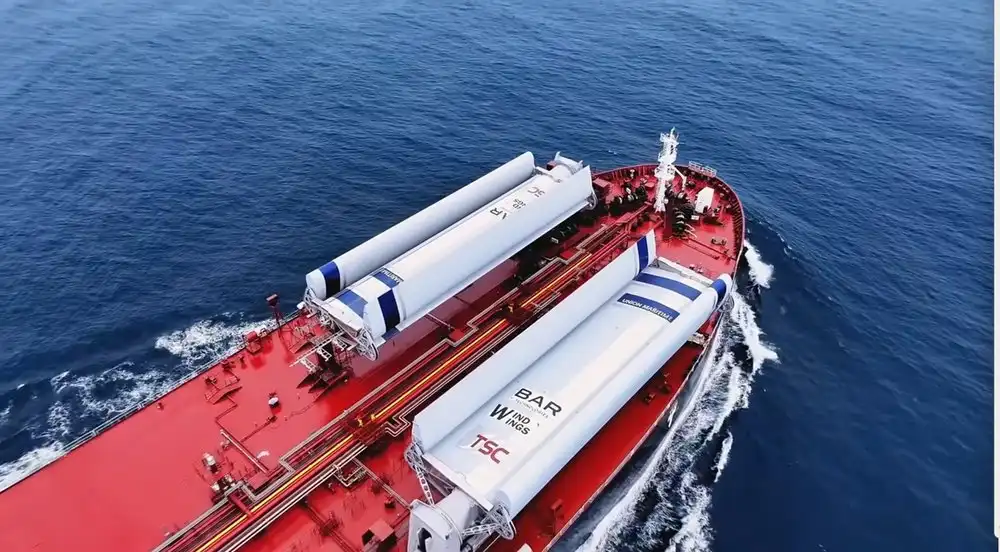
Understanding Rigid Sails and Their Environmental Benefits
One of the most realistic ways to reduce carbon emissions in the marine sector is to use wind-assisted propulsion. Modern Rigid Sail systems use aerodynamic principles like aircraft wings, which are different from traditional soft cloth sails that need to be adjusted by hand all the time and don't work well when the weather changes. These structures create thrust by precisely controlling the shapes of airfoils, which lowers the load on the main engines and lowers the amount of fuel used.
How Rigid Wing Technology Works
The main benefit comes from how well it handles air flow. Unlike fabric sails, which bend when they're loaded, a well-designed Rigid Sail stays in the best shape no matter how strong the wind is. The advanced systems use a three-element design that lets the camber (the wing's curved shape) and angle of attack to the wind be precisely changed. Because it is flexible, the system gets the most power from the wind in a wide range of sailing situations, from light breezes to strong following winds.
Quantifying Environmental Impact
Real voyage data shows that modern installations with Rigid Sails use a lot less fuel every day. Owners of ships say that on good trade lanes, they can save anywhere from 10% to 30%, depending on the route and the amount of wind. Lower CO2 emissions are a direct result of using less fuel. For every ton of fuel saved, about 3.2 tons of carbon dioxide are kept from entering the atmosphere. Even a 15% drop in fuel use would save over 14 tons of CO2 each day at sea for a ship that burns 30 tons of fuel every day.
Alignment with Regulatory Requirements
The IMO's Carbon Intensity Indicator system now rates ships every year on how well they use carbon. The grades range from A to E. Ships with low CII scores can't do as many things and are less appealing to charterers. Adding wind-assisted propulsion systems is a tried-and-true way to raise these ratings without switching to expensive alternative fuels or making major changes to the engines. This makes Rigid Sail technology very appealing for ships that are nearing the end of their useful lives and need to become more efficient in order to stay competitive in the market after 2030.
Real Voyage Case Studies Demonstrating Fuel Savings and CO₂ Reduction
When fleet technical directors look at capital assets, operational validation is more important than computer models. A number of cutting edge installations have now been in the water long enough to provide reliable performance data that has been checked by independent classification societies.
Bulk Carrier Installation Performance
The first commercial ship to use the WindWings® system was a bulk carrier that sailed transpacific lines. The system was created by working together with BART technology in the UK. After more than a year of nonstop service, stopping at more than 20 important places around the world without any problems, the ship has consistently performed as expected by its designers. Under good wind conditions, the installation saved 1.6 tons of fuel per day per wing, which equals a daily reduction of over 5 tons of CO₂.
The variety of working situations seen in this case study is what makes it so useful. The ship has been used during the monsoon season in the South China Sea, during winter storms in the Pacific, and in places with light and changeable winds. DNV separately checked how well the fuel-saving feature worked during normal operation. This is the kind of third-party confirmation that procurement groups need when they're looking at technologies that cost millions of dollars.
Operational Transparency and Crew Feedback
The ship's crew said that daily operations don't take much extra work. The automated control system changes the wing's orientation and camber based on real-time wind data and the ship's direction. It's about as hard to use as a modern deck crane. When loading cargo, the wings rotate into a laydown position to make room for hatch covers and other equipment. Once the ship is moving, the wings are raised again.
This ease of use addresses a common concern among shipowners: will the technology make maintenance harder or need special training for the crew? There is evidence that regular marine engineers can operate and maintain Rigid Sail systems using well-known hydraulic and electrical control principles, without having to know a lot about sailing.
Multi-Route Performance Analysis
Weather routing software is made to make the most of the fact that performance varies by route. In the winter, crossings to the west of the North Atlantic get less wind help than crossings to the east. In tropical places, trade wind paths work better all year. Advanced routing systems designed for wind-assisted vessels help shore teams and bridge officers plan trips that make the most of the wind's benefits. These systems treat the Rigid Sail as an essential part of the ship's propulsion system, not just an extra.
Rigid Sail vs Traditional and Other Advanced Sail Technologies
When shipowners think about wind-assisted propulsion, they have a number of technology choices. Each has its own performance, cost, and operational effects.
Performance Comparison Across Technologies
Soft sail systems usually cost less at first, but they need more deck room, produce less power per unit area, and need to be replaced more often because the materials wear out faster. Rotor sails, which are turning vertical spheres that use the Magnus effect, work well in beam winds but need a lot of electricity and aren't as useful in head or following winds. Kite systems can use higher-altitude winds, but they raise safety issues near ports and when the weather is bad.
Rigid Sails are the best in terms of performance. Their multi-element design gives them over 2.5 times the lift of traditional single-wing designs. They also work automatically at all points of sail and can last for decades in harsh marine environments. WindWings® systems use a patented three-element design that changes the slope and angle of attack in real time. This makes sure that the aerodynamic efficiency is at its best no matter what angle the wind is blowing at.
Total Cost of Ownership Analysis
Spending money on capital is only one part of choosing technology. More and more, fleet technical directors look at the total cost of ownership over the projected life of the business. In this case, Rigid Sail technology has clear benefits: it has a 25-year design lifespan during which major parts don't need to be replaced; it can be moved from one ship to another if the make-up of the fleet changes; and it requires less upkeep than soft sail systems, which need to be replaced every so often.
The choice of route and the price of fuel have a big impact on the return on investment. At the current price of fuel, systems can pay for themselves in three to six years on roads with a lot of wind. The prices of carbon will go up under the EU ETS, and the program could be expanded to other countries. This will speed up these returns, as will any future rises in the cost of bunker fuel.
Durability and Maintenance Requirements
Marine equipment has to be able to handle harsh conditions like UV light, temperature changes, toxic saltwater, and mechanical loads that would quickly destroy systems made for other uses. These needs are met by Rigid Sails made of ship-grade steel and industrial composite materials. The structural parts are made to meet the standards of the maritime classification society. They also have marine-grade hydraulics and control systems that meet the high standards for dependability that are expected of important deck machinery.
Regular maintenance is like regular preventative care for hydraulic systems. It includes checking the electrical system, lubricating moving parts, and inspecting the seals on a regular basis. Type approval has been given by classification societies like DNV, Lloyd's Register, Bureau Veritas, and the China Classification Society. This means that the technology meets the high safety and dependability standards needed for full world operation.
Procurement Guide: Buying, Installing, and Maintaining Rigid Sails
Adding wind-assisted propulsion needs careful planning on all levels, including the technical, operational, and business sides. This part lists the most important things that expert managers and buying teams should think about.
Vendor Evaluation Criteria
When looking at possible suppliers, there are a few things that set trustworthy ones apart from those with new technology that hasn't been tested yet. Classification society recognition is the best. Systems that have full type approval from recognized groups have been thru a lot of testing and engineering analysis. Another layer of trust comes from performance proof from reputable institutions that are not part of the company.
It's important to work with well-known naval technology makers. Working with BART on the WindWings® system is helpful because they know a lot about high-performance sailing and making boats more efficient because they race yachts at the top levels. This heritage means that it will work in the real world in the same way that computers predicted it would.
Vessel Compatibility Assessment
Not every ship is a good candidate for installing Rigid Sails. The best platforms are bulk carriers and tankers with open deck space between the cargo holds. The system needs to work with the deck's current tools, especially the hatch covers and cargo handling equipment. Above-deck installations need enough structural support to handle aerodynamic loads. Below-deck tilt mechanisms are an option for ships that don't have a lot of deck space.
Technical feasibility studies usually look at how well the structure works, how it affects stability, how easy it is to get power, and how well it fits in with other bridge systems that are already in place. These studies take a few weeks and involve the ship's classification society, the company that makes the wind power system, and the ship's original builders working together to see if any structural changes need to be made.
Installation Process and Timeline
Adding wind-assisted power to older ships needs to be carefully coordinated with their current plans of operations. A lot of installations happen during planned drydocking, which means the ship is already out of business for repair and survey work. In preparation, the system is tested at the factory before it is shipped, and there are full instructions for putting it together. Onboard installation is watched by expert technicians.
For a first installation, the time between signing the contract and having the system up and running usually takes six to twelve months. This includes technical analysis, manufacturing, and installation work. Installations on sister ships go faster after the first one because technical documentation is already complete and yard workers have more experience.
Long-Term Service and Support
Professional providers are different from equipment vendors because they offer full lifecycle support. The full package should include not only the hardware, but also IoT-based remote monitoring that checks on the health and performance of the system, weather routing software that works best for vessels that use wind power, and ongoing technical support for any questions that come up during use. Long-term service agreements help shipowners plan their repair costs and get extra parts thru global networks that are already in place.
Officers and engineers on a ship usually get training during commissioning. The training lasts a few days and covers normal operation, routine maintenance tasks, and how to fix problems. The goal is for people on board to be able to confidently use the system without needing help from experts on land every day.
Future Trends and Strategic Advantages of Adopting Rigid Sails in B2B Maritime Operations
Right now, the marine business is at a turning point. There is more pressure from regulators, alternative fuels are still expensive and don't have a lot of infrastructure, and operating costs keep going up. With the technology we have now, wind-assisted propulsion is one of the few options that cuts down on both prices and pollution.
Regulatory Trajectory and Compliance Strategy
The IMO's first greenhouse gas plan calls for a 40% drop in carbon intensity by 2030 compared to levels in 2008, and a 50% drop in all emissions by 2050. The European Union has gone even further by adding marine transport to its Emissions Trading System and putting in place FuelEU marine rules that require fuel carbon intensity to decrease over time. These frameworks give shipowners who act quickly a competitive edge and compliance risks to those who don't.
Ships with wind-assisted propulsion systems may be able to move from C or D grades to B or A grades in their CII ratings. This changes charter rates because some charterers now include CII performance standards in contracts. It may also change the order of port calls as governments set up programs to reward ships that are better.
Technology Development Roadmap
The Rigid Sail systems we have now are mature technologies, but more are being made. In the future, improvements could include longer wings to create more power, new materials that make the Rigid Sails lighter while keeping their strength, and the ability to connect to new digital tools for optimizing the fleet. Some companies are looking into hybrid methods that use wind power, battery storage, and hotel load optimization to get the most out of total efficiency gains.
The number of factories that make these systems is growing. As more installations happen, unit prices and delivery times will go down due to economies of scale. This will make the technology available to more shipowners than just early adopters who care a lot about the environment.
Strategic Positioning for Fleet Operators
When ship owners add wind-assisted power, they get more strategic benefits than just saving money on fuel. Better ESG credentials let you use green financing tools with better terms, which is becoming more important as banks consider climate risk when deciding who to lend money to. When cargo owners and charterers have to report their own scope 3 emissions and are under pressure from shareholders and customers to cut down on supply chain emissions, marketing advantages are important.
There is also the idea of "fleet asset future-proofing." As rules get stricter, ships with lower carbon intensity can still be used for business for longer, while ships that aren't as efficient are quickly becoming obsolete. This changes the prices of leftover materials and the chances of finding good jobs in a world with limited carbon emissions.
Conclusion
The results of real voyages have confirmed what engineers thot would happen: Rigid Sail technology saves a lot of fuel and CO2 in a variety of working situations. Independent classification groups have confirmed that ships with modern multi-element wing systems use less fuel every day, as measured in tons, and their emissions are also lower. When these systems are used in harsh marine environments, they work reliably, don't need much help from the crew, and work well with cargo operations on tankers and bulk carriers. As government regulations get stricter and operating costs rise, wind-assisted power has gone from being an experiment to a proven way to cut down on carbon emissions. Now that fleet technical directors have access to operational data and independent verification, they can confidently present Rigid Sail installations as sound capital investments that protect the environment and make money.
FAQ
1.What fuel savings can realistically be expected from rigid wing installations?
Performance depends on the route and how much wind there is, but it's usually between 10% and 30% less fuel use. This range shows that ships that travel on routes with steady trade winds save more money, while ships that travel on routes with changing winds save less, but still a lot. Under ideal conditions, each Rigid Sail can save around 1.6 tons of fuel every day, which means that more than 5 tons of CO₂ are saved every day per wing.
2.How does installation affect vessel operations and cargo handling?
Modern Rigid Sail systems are made to cause as little trouble as possible for operations. During port operations, the wings fold or rotate into laydown positions that make room for hatch covers and cargo gear. Using automatic control systems like those used to run deck cranes, deployment and storage can be done in minutes instead of hours. Over 20 of the world's busiest ports have let ships with these devices dock without any problems.
3.What is the expected lifespan and can the system be moved between vessels?
It is designed so that Rigid Sails can be used for 25 years without needing major component replacements. This is the same or longer than the working lifespan of the vessels they're placed on. The systems can be moved from one ship to another if the make-up of the fleet changes. This gives shipowners who are worried about how to best allocate their assets in the long term more options. Marine-grade materials and building methods make things last in saltwater environments that are corrosive with little upkeep needed.
Partner with CM Energy for Proven Wind-Assisted Propulsion Solutions
CM Energy brings decades of experience with marine equipment to the quickly changing field of wind propulsion. They offer shipowners tried-and-true technology backed by operational data from real-life situations and full classification society approvals. Our WindWings® systems use a patented three-element Rigid Sail design that was created with the help of BART technology experts. These systems help bulk carriers and tankers save fuel and reduce pollution. As a reliable Rigid Sail supplier with more than 180 installations around the world in marine settings, we offer full lifecycle support, from the initial compatibility analysis to installation, commissioning, IoT-based performance monitoring, and ongoing technical service. Our technical teams work directly with the fleet technical directors to look at performance on particular routes, do financial analyzes that include ROI forecasts for different fuel price scenarios, and plan installation schedules that cause as little disruption to operations as possible. Talk to our experts at info.cn@cm-energy.com about how wind-assisted propulsion can help your fleet meet IMO CII requirements and cut costs at the same time. You can find full technical paperwork, case studies, and performance verification reports at cm-energy.com. These show why top shipowners trust TSC brand solutions for their decarbonization plans.
References
1. International Maritime Organization. (2023). Guidelines on the Method of Calculation of the Attained Energy Efficiency Existing Ship Index (EEXI). MEPC.1/Circ.900.
2. DNV Maritime. (2024). Wind Assisted Propulsion Systems: Performance Validation and Classification Requirements for Commercial Shipping Applications.
3. European Commission Directorate-General for Climate Action. (2023). FuelEU Maritime Regulation: Implementation Guidelines for Carbon Intensity Reduction in Shipping.
4. Lloyd's Register and University College London Energy Institute. (2024). Wind-Assisted Ship Propulsion: Techno-Economic Analysis and Fleet Deployment Scenarios to 2035.
5. Wolfson Unit Marine Technology. (2023). Independent Aerodynamic Performance Verification of Multi-Element Rigid Wing Propulsion Systems Through Computational Fluid Dynamics and Full-Scale Trials.
6. International Chamber of Shipping. (2024). Practical Implementation Guide: Integrating Wind Propulsion Technologies into Commercial Fleet Operations and Charter Party Agreements.