Hydrogen Generators for Storing Surplus Renewable Energy
Hydrogen generators for storing surplus renewable energy represent a transformative approach to managing excess power from solar and wind installations. These systems convert otherwise wasted electricity into hydrogen through water electrolysis, creating a storable, transportable energy carrier. As renewable capacity expands globally, the challenge of intermittency grows more acute—wind turbines halt when breezes die, solar panels go dark after sunset. A hydrogen generator addresses this fundamental limitation by capturing surplus energy during peak production periods and transforming it into green hydrogen, which can later power industrial processes, fuel transportation, or generate electricity during shortages. This technology bridges the gap between variable renewable generation and consistent energy demand, making large-scale decarbonization economically viable.
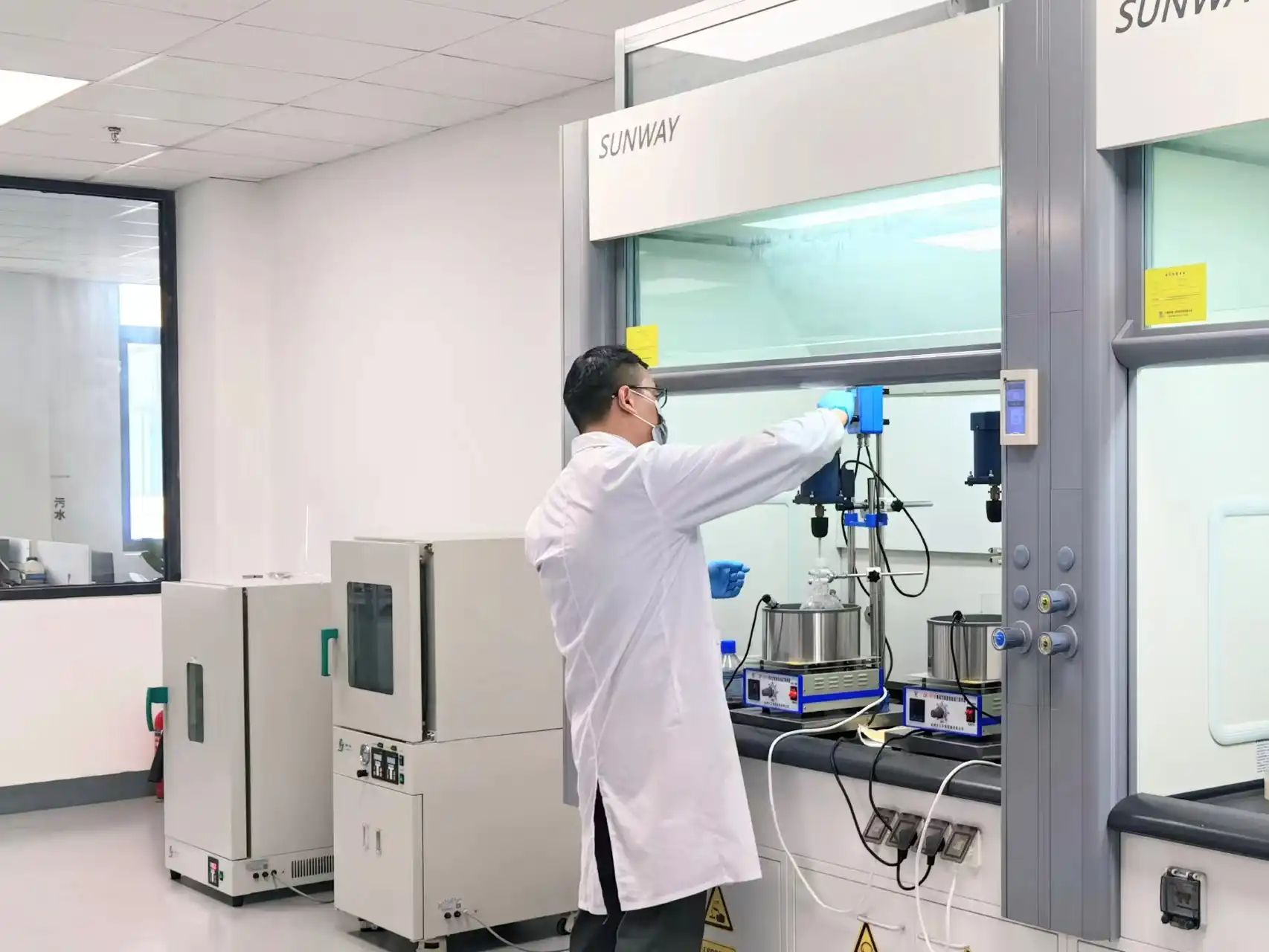
Understanding Hydrogen Generators and Their Role in Renewable Energy Storage
The basic idea behind these systems is electrolysis, a process in which electricity breaks apart water molecules into hydrogen and oxygen. When green energy sources make more electricity than the grid can use, the extra energy powers chemical processes inside special machines. Instead of turning down wind turbines or disconnecting solar panels, operators use extra power to make hydrogen.
Alkaline Electrolysis Technology
Alkaline water electrolysis is the most well-known and generally used way to make hydrogen on a large scale. To speed up the electrolytic process, this method uses a liquid alkaline solution, which is usually potassium hydroxide. This tried-and-true method is used by the TSC ALK Hydrogen Generator, which turns water and KOH into H₂ and O₂ using direct current. When compared to other methods, nickel-based electrodes have much lower startup costs because they don't need expensive precious metals. Because the technology is so reliable, it can be used continuously in harsh industrial settings. This makes it perfect for projects that need MW-scale capacity.
Integration with Renewable Energy Infrastructure
These days, alkaline systems have changed to be able to handle the varying output of solar and wind farms. These units can work with a lot of different power levels because they use advanced control methods. Some systems can work well from 20% to 150% of their stated capacity. This adaptability is very important when using off-grid renewable energy sources that change quickly. The Balance of Plant systems control the temperature, clean the gas, and compress it, making sure that the quality of the hydrogen stays the same even if the power changes. Containerized designs make it easy to quickly set up wind farms in remote areas or solar sites in dry areas. This lets energy be stored in places where transport infrastructure isn't practical.
Efficiency Metrics That Matter
For people who make purchasing decisions, the most important performance indicator is the amount of energy used per unit of hydrogen produced. Testing by a third party shows that the best alkaline systems use as little as 3.75 kWh of DC power per normal cubic meter of hydrogen when the current densities are just right. This efficiency has a direct effect on running costs. Every kilowatt-hour saved over many years of use adds up to big financial gains. It's important to think carefully about the relationship between current density and efficiency. Higher densities allow equipment to be smaller, but they may also use more energy. Independent testing labs that have validated performance data give us the clear information we need for accurate project economics modeling.
Key Benefits of Using Hydrogen Generators for Surplus Renewable Energy
Putting electrolysis systems in places that use green energy has many practical benefits that go beyond just storing energy. These benefits show up in practical, environmental, and financial areas.
Maximizing Renewable Asset Utilization
When grid congestion or low demand forces wind and solar developers to cut back on generation, they lose a lot of money. By adding the ability to make hydrogen, electrons that were previously lost are turned into useful chemical energy. This method works especially well for projects in places with lots of green energy but not a lot of transportation capacity. Instead of spending a lot of money to upgrade the grid, operators turn extra energy into hydrogen that can be used in local industries or sent abroad. This plan increases the overall return on investments in renewable energy while speeding up the process of decarbonization in areas that are hard to change.
Decarbonization Pathways for Heavy Industry
At the moment, industrial processes use a lot of hydrogen that comes from fossil fuels, which releases a lot of carbon into the air. This "gray hydrogen" can be replaced directly with "green hydrogen" made from renewable energy in a wide range of processes, from making ammonia to making steel. Chemical plants can add electrolyzer systems to the equipment they already have, switching to different fuel sources gradually as the amount of green energy they can use grows. Customers in the oil refining, semiconductor manufacturing, and metalworking industries can't do without TSC brand solutions when they need hydrogen that is pure and reliable. Installations in the real world show that alkaline electrolysis technology can handle the strict needs of industrial users and is flexible enough to be used in multi-MW systems.
Grid Services and Energy Arbitrage
In addition to saving extra energy, these systems help keep the power grid stable, which is a useful service. Operators can change how much hydrogen they make in reaction to changes in frequency or power. This helps keep the grid stable and makes money for them in other service markets. Energy arbitrage strategies include making hydrogen when the price of electricity is low and lessening production when the price of electricity goes up. Modern equipment has a lot of operating flexibility, like fast reaction times and wide turndown ratios, which lets it take part in these money-making activities while still storing energy.
How to Select the Best Hydrogen Generator for B2B Renewable Energy Storage Needs
When procurement teams look at electrolysis systems for using green energy, they have to think about a lot of technical and business issues. The decision process should match the features of the tools to the needs of the individual project.
Capacity Planning and Scalability
To find the right system size, you need to look closely at the profiles of renewable energy sources, the patterns of power cuts, and predictions for hydrogen demand. Progressively adding capacity is possible with modular designs as projects progress, which lowers the original capital needs while keeping the ability to grow. Large utility-scale wind farms or solar installations can use equipment with a capacity of several megawatts (MW), while smaller units are better for distributed generation. Customizing configurations based on site conditions, such as pressure needs, purity standards, and temperature ranges, is important for getting the best performance and value for money.
Efficiency and Operational Cost Analysis
The main cost of running electrolysis devices is the energy they use, so speed is the most important technical factor. Benchmarks for comparison can be found in performance data that has been checked by independent testing groups. Systems that use 15 to 20 percent less power than the average in their industry save a lot of money over their lifetime, which could justify charging more. In addition to big numbers for efficiency, procurement teams should look at performance across the entire working range, rates of degradation over time, and repair needs that affect availability. Third-party testing shows that the TSC ALK Hydrogen Generator uses 3.75 kWh/Nm³H₂ at 2000 A/m², which is a high level of performance that meets or beats the U.S. government's technology plan goals. Energy Department for the year 2026.
Supplier Credentials and Project Experience
The history of the maker gives important risk information that can't be found in paper specs. Companies that have provided more than 50MW of capacity and have been in business for more than five years and done well show that they have the technical maturity and production quality to provide solid long-term performance. International safety and performance standards are met when products get certifications from well-known groups, such as CNAS, CE, ISO22734, and ASME approval. Having patent portfolios that cover electrodes and membranes shows that you own proprietary technology, which is a sign of real innovation rather than mass production. After-sales support infrastructure, such as local service teams and the availability of spare parts, determines whether equipment lasts the 20–25 years that manufacturers say it will or breaks down before that time.
Total Cost of Ownership Considerations
Purchase price is only one part of the costs of a project over its whole life. When doing a procurement analysis, you should include things like installation costs, commissioning times, expected maintenance intervals, replacement part costs, and financing terms. Equipment that is easy to maintain, with parts that are easy to get to and repair methods that are clear, has less downtime and lasts longer. Risk-adjusted cost comparisons take into account things like warranty terms, performance guaranties, and how stable the manufacturer's finances are. For big projects that need hundreds of millions of dollars in capital, a supplier's ability to help with financing or make project financing arrangements may be very important.
Installation, Safety, and Maintenance of Hydrogen Generators
Proper execution practices decide whether electrolysis systems reach their full performance potential while still being safe to use over long periods of time.
Site Preparation and Installation Best Practices
Industrial-scale equipment needs a lot of site preparation, like supports strong enough to hold multi-ton sections, electrical infrastructure that can deliver MW-level power, and water treatment systems that meet purity standards. Containerized designs make installation easier because the units come already put together and only need to be connected to utilities. Professional engineering services make sure that local rules, industry standards, and environmental laws are followed. As part of their installation support, CM Energy does a site compatibility study, coordinates the delivery of equipment, and helps with setup on-site. This "turnkey" method cuts down on commissioning times and makes sure that systems work at their full potential from the start.
Safety Systems and Regulatory Compliance
Because hydrogen is flammable, strict safety rules must be followed when designing and running Hydrogen Generator systems that use it. Multiple layers of safety include gas detection systems, automatic shut-off mechanisms, and electrical equipment that can't explode. Pressure testing according to ASME standards makes sure that the structure is solid before it starts to work. Dangerous gas mixes can't happen because of constant tracking. For example, when the amount of oxygen in hydrogen streams goes over 2%, the system automatically shuts down. Checks of the diaphragm's stability stop gas crossing, which could lead to an explosion. Certification to ISO22734 shows that the safety design meets international standards for tools used to make hydrogen. Operations staff who have been properly trained will know what to do in an emergency and how to do regular tracking.
Maintenance Protocols for Long-Term Reliability
Alkaline electrolysis systems work better with tried-and-true maintenance methods that have been developed over many years of use in industry. Electrolyte content needs to be checked on a regular basis, and most well-designed systems need to be refilled once a year. Electrode performance slowly decreases over tens of thousands of hours of use, and major repairs need to be done every 60,000 to 90,000 hours, depending on the conditions of use. Performance trend analysis is used by predictive maintenance programs to plan repairs before they happen. Since there are no valuable metal catalysts, there are no weaknesses in the supply chain, and repair costs are lower. Operators should keep working with manufacturers that can provide original parts. When parts need to be replaced, proprietary electrode and membrane technology created by companies like CM Energy guaranties the best performance.
Future Trends and Innovations in Hydrogen Generator Technology
The electrolysis business is still making progress in many areas, which means better economics and more ways to use electrolysis in green energy storage projects.
Efficiency Improvements and Cost Reduction Pathways
More efficiency gains are the goal of ongoing research into new electrode materials and membrane technologies. The goal of new catalyst mixtures and surface processes is to lower overpotentials that cause energy to be lost. As manufacturing scales up and the supply chain matures, equipment costs go down. As global capacity grows, the industry predicts that capital costs will drop by 30 to 50 percent by 2030. With these changes, hydrogen storage will be more competitive with battery systems, especially for long-term uses that need to shift energy between days or weeks. As technology leaders like TSC keep pushing the limits of performance, it will become standard for equipment to use less than 4 kWh/Nm³H₂ of power across a wide range of operating conditions.
Enhanced Flexibility for Grid Applications
The next version of systems will be able to react even faster to changes in power, letting them enter fast-frequency reaction markets that alkaline technology couldn't reach before. Advanced control systems with AI will make operations run more smoothly in real time, combining goals for hydrogen production with signs about the price of energy and chances for grid service. Combining different electrolyzer technologies into a hybrid setup may combine the cost benefits of alkaline systems for baseload generation with the flexibility of complementary methods for peak shaving.
Offshore and Remote Application Development
New project ideas include putting hydrogen production platforms at offshore wind farms. This would eliminate transmission losses and allow the use of marine resources that are far from load centers. Adapting technologies for marine environments, such as making them less likely to rust, able to handle movement, and small, will open up these possibilities. In the same way, remote desert solar installations in places with a lot of sunlight but not much demand for energy will benefit from ruggedized systems that can run without a person and need little upkeep. These cutting-edge uses open up huge new market possibilities for companies that are ahead of the curve in technology.
Conclusion
To lower carbon emissions while keeping energy systems reliable, we need new storage solutions that can handle the intermittent nature of renewable energy. Electrolysis technology turns extra electricity from the sun and wind into hydrogen that can be stored. This makes it possible for the power, transportation, and industrial sectors to cut emissions by a lot. Alkaline water electrolysis has been shown to work reliably, is cost-effective, and can be scaled up to meet the needs of large-scale climate change operations with Hydrogen Generator. As time goes on and prices keep going down, hydrogen storage will become an even more important part of complete renewable energy plans. Companies that invest in these technologies now will be in a better situation when it comes time to switch to carbon-neutral energy systems.
FAQ
1.What distinguishes a hydrogen generator from a fuel cell?
Both technologies use electrochemical reactions with hydrogen, but they do different things. Electrolyzers use electricity to turn water into hydrogen, which stores energy in chemical bonds. This process goes the other way in fuel cells, which use hydrogen to make energy. In sustainable energy systems, electrolyzers store extra power, and fuel cells could later use that saved hydrogen to make electricity when power is needed. Both methods are used together in many green integration projects, but they do different things.
2.Can alkaline electrolysis systems handle fluctuating renewable power inputs?
Modern alkaline systems work well over a wide range of power levels, from 20 to 30 percent of their nominal capacity at low load to 100 or even 150 percent of their nominal capacity for short periods of time. Control systems change the operating parameters to keep the system running safely and efficiently even when the input changes. In the past, alkaline technology was mostly used for steady-state baseload operation. But new technical improvements have made it possible for them to work well with wind and solar generation patterns, which means they can be used for off-grid green installations.
3.How long do electrolyzer stacks operate before requiring major maintenance?
Quality alkaline systems can work for 60,000 to 90,000 hours before they need to be reconditioned. This means that it will run nonstop for about seven to ten years. The actual lifespan varies on how it is used, how often the power is cycled, how well it is maintained, and how pure the liquid is. The total cost of ownership is lower with preventive maintenance programs that make parts last longer than with run-to-failure methods.
Partner with CM Energy for Your Renewable Hydrogen Storage Project
With our modern TSC ALK Hydrogen Generator systems, CM Energy is ready to help you make the switch to sustainable energy storage. Our technology has been tested and proven to use very little power, which has a direct effect on the cost of your project. It is backed by certifications from CNAS, CE, ISO22734, and ASME that confirm safety and performance standards. We have already put more than 50MW of capacity into successful projects around the world, so we know how to handle difficult issues related to integrating green energy.
Our engineering team works with you from the first feasibility study to commissioning and beyond to make sure that your hydrogen production system works at its best in your unique operating setting. We offer solutions that are tailored to your needs, whether you need to replace industrial feedstock, store energy on a large scale, or make clean fuel for transportation. As a top Hydrogen Generator maker, we keep a full support system in place, with spare parts readily available and expert service teams ready to help you get the most out of your system's uptime.
Contact our specialists today at info.cn@cm-energy.com to talk about how our alkaline electrolysis technology can turn your extra renewable energy into useful green hydrogen. We'd love the chance to look over your project details and show you why leaders in the industry trust CM Energy for their most difficult hydrogen production jobs.
References
1. International Renewable Energy Agency, "Green Hydrogen Cost Reduction: Scaling up Electrolysers to Meet the 1.5°C Climate Goal," 2020.
2. U.S. Department of Energy, "Hydrogen and Fuel Cell Technologies Office Multi-Year Research, Development, and Demonstration Plan," 2023.
3. International Energy Agency, "The Future of Hydrogen: Seizing Today's Opportunities," 2019.
4. National Renewable Energy Laboratory, "Hydrogen Production: Electrolysis Technical and Economic Assessment," 2022.
5. European Commission, "A Hydrogen Strategy for a Climate-Neutral Europe," 2020.
6. Journal of Power Sources, "Performance Analysis of Alkaline Water Electrolysis for Large-Scale Hydrogen Production," Volume 485, 2021.