Price Considerations for Hydrogen Fueling Stations
A thorough examination of various cost elements and market factors is necessary to comprehend the pricing environment for hydrogen fueling stations. Depending on capacity needs, location, and technological requirements, the investment in hydrogen infrastructure is a substantial commitment that varies greatly. Advanced compression systems, intelligent dispensing equipment, and safety procedures are all features of modern hydrogen fueling stations that have an impact on overall pricing structures. Global suppliers continue to use competitive pricing strategies due to market demand from industrial applications, urban networks, and highway corridors.
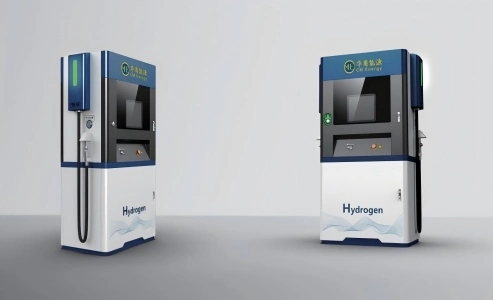
Global Hydrogen Fueling Infrastructure Investment Overview
Market Dynamics Shaping Infrastructure Costs
Global investment in infrastructure for refueling is accelerated by the growth of the hydrogen economy. Demand is stimulated in a number of sectors by government incentives and carbon neutral policies. Because of their remote locations and difficulties with grid connectivity, highway hydrogen refueling corridors require significant capital investment. Although they have access to pre-existing infrastructure, urban fuel cell electric vehicle networks must pay more for land acquisition. Hydrogen-powered haul trucks are becoming more common in mining operations, which is driving up demand for specialized refueling depots. Port facilities incorporate hydrogen infrastructure for heavy-duty machinery and straddle carriers. Higher capacity systems with improved safety features are frequently needed for these industrial applications.
Regional Investment Patterns
Driven by ambitious clean energy targets, Asia-Pacific markets are leading the way in the deployment of hydrogen infrastructure. Sustainable transportation networks that link major cities are the main focus of European initiatives. Projects in North America prioritize industrial applications and freight corridors. Due to labor costs, material availability, and regulatory requirements, investment costs differ greatly between regions. Local content requirements have an impact on project economics and equipment sourcing tactics.
Cost Structure Analysis for Hydrogen Refueling Systems
Primary Equipment Investment Components
The development of a hydrogen fueling station involves several cost categories that impact the overall project investment. Compression systems are the most expensive piece of equipment, usually making up a large percentage of hardware expenditures. Modern diaphragm compressors maintain high efficiency standards while guaranteeing zero leakage operation. The cost of dispensing equipment varies according to pressure requirements and throughput requirements. While lowering operational bottlenecks, multi-gun configurations serve multiple vehicles at once. Capital requirements are influenced by the specific materials and safety equipment needed for storage systems. Control systems combine transaction processing, remote diagnostics, and safety monitoring. By using automated processes and predictive maintenance, these intelligent platforms lower operating costs.
Installation and Infrastructure Expenses
The location's features and current utilities have a significant impact on site preparation costs. Because of space limitations and utility relocations, civil works costs are higher for urban installations. Extensive electrical infrastructure and communication systems are necessary in remote highway locations. Although they vary by jurisdiction, permitting costs are significant project expenditures. Specialized knowledge is needed for safety evaluations, environmental assessments, and compliance documentation. Appropriate system integration and performance validation are guaranteed by construction management and commissioning services.
Operational Cost Considerations
Over the course of system lifecycles, ongoing operating costs have a substantial impact on project economics. Contracts for maintenance guarantee peak performance while reducing the likelihood of downtime. Compression operations' energy consumption results in significant ongoing expenses. Because hydrogen facilities have different risk profiles than conventional fuel stations, they have higher insurance requirements. Programs for staff certification and training guarantee both regulatory compliance and safe operations.
Factors Influencing Hydrogen Infrastructure Pricing
Technology Selection Impact
The initial investment and ongoing costs are impacted by various technological strategies. Although electrolysis-based systems offer independence from hydrogen supply chains, they do require a significant electrical infrastructure. Delivered hydrogen systems lower the initial cost but result in continuous reliance on logistics. Decisions about compression technology have an impact on operational dependability, efficiency, and maintenance needs. Compared to other technologies, PDC diaphragm compressors have better performance characteristics but cost more up front.
Capacity and Throughput Requirements
Infrastructure needs and equipment costs are directly correlated with facility size. Systems with a moderate capacity and high reliability are usually needed for highway hydrogen refueling corridors. Higher throughput capacities supporting various vehicle types are advantageous for urban fuel cell electric vehicle networks. Large vehicles and long operating hours necessitate special configurations for industrial applications such as mining haul truck hydrogen refueling depots. In order to minimize equipment downtime, port hydrogen infrastructure for straddle carriers requires quick refueling capabilities.
Geographic and Market Variables
Location-related factors, such as labor availability, material transportation, and utility access, have a major impact on project costs. Although they may have lower land costs, remote locations need more infrastructure investment. Urban locations have advantages in terms of infrastructure, but they also come with higher acquisition and permitting costs. Equipment availability and competitive pricing are impacted by market maturity. While emerging regions may have fewer vendor options and higher costs, established markets benefit from supplier competition.
Global Market Price Comparison Analysis
Regional Cost Variations
Prices for similar hydrogen fueling station configurations vary significantly across international markets. Because of their large manufacturing capacity and government assistance initiatives, Asian markets frequently offer competitive equipment prices. European suppliers have an impact on pricing structures by emphasizing cutting-edge safety features and environmental compliance. North American markets strike a balance between competitive international sourcing and domestic content preferences. While promoting domestic manufacturing capabilities, local assembly requirements have an impact on project costs overall.
Supply Chain Considerations
Hydrogen equipment supply chains around the world continue to face difficulties that impact pricing stability. The demand from various industrial sectors affects the cost of materials for specialized components. Project budgets are impacted by the cost of transportation for large equipment, especially for remote installations. Project scheduling and carrying costs are impacted by lead times for essential components. Delivery schedules and pricing structures are more predictable when suppliers have established manufacturing capacity.
Currency and Trade Impacts
The cost of purchasing equipment abroad is impacted by changes in exchange rates. Currency hedging techniques reduce exposure to volatility, which is advantageous for long-term projects. The choice of suppliers and the overall cost of a project are influenced by trade policies and tariff structures. While local content requirements in different markets may raise overall costs, they also present opportunities for domestic suppliers. In addition to sharing technology and financial advantages, joint venture partnerships frequently offer market access.
Cost Optimization Strategies for Hydrogen Infrastructure
Procurement Best Practices
Investment requirements for hydrogen fueling stations are greatly reduced by effective procurement strategies. Value engineering opportunities for system configuration optimization are made possible by early supplier engagement. Standardized specifications guarantee performance requirements and allow for competitive bidding. Across several locations, volume procurement generates economies of scale that lower costs per unit. Technical assistance and special pricing may be obtained through strategic alliances with equipment suppliers. Supplier financing agreements can enhance cash flow management and project economics.
Design Optimization Approaches
Phased deployment that keeps up with demand growth is made possible by modular system designs. Standardized configurations simplify operations and maintenance while lowering engineering costs. Equipment that is appropriately sized ensures sufficient capacity for anticipated demand while preventing overinvestment. Utility connections and civil works requirements are decreased by integration with current infrastructure. Innovative design decisions allow for future growth without requiring significant system changes.
Technology Partnership Benefits
Working together with tech companies gives you access to cutting-edge systems and continuous support. Long-term service contracts guarantee peak performance and cost stability. While developing local capabilities, technology transfer agreements may lower licensing costs. Research collaborations offer access to cutting-edge technologies and possible cost savings. Technology development and demonstration projects are frequently supported by government-sponsored initiatives.
Future Pricing Trends and Market Outlook
Technology Development Impact
Through increased efficiency and streamlined systems, ongoing technological advancements continue to lower the cost of hydrogen fueling stations. All market segments gain from economies of scale created by mass producing standardized components. Automation in manufacturing lowers labor costs while increasing consistency in quality. Improved dependability and less maintenance are promised by alternative compression technologies. Higher pressure operation is possible with less weight and expense thanks to advanced materials. Installation and commissioning processes are made easier by integrated system designs.
Market Maturation Effects
As suppliers increase their manufacturing capacity, competitive pricing is driven by growing market adoption. The need for custom engineering and related expenses are decreased by standardization initiatives. System availability and maintenance cost predictability are enhanced by service network development. Better terms are available for hydrogen infrastructure projects when the financing market matures. Specialized products that lower risk premiums for hydrogen facilities are developed by insurance markets.
Policy and Regulatory Influences
Through grants, tax breaks, and loan guarantees, government support programs have a substantial impact on project economics. By valuing environmental benefits, carbon pricing mechanisms increase the returns on hydrogen infrastructure projects. Streamlining regulations lowers project timelines and permitting costs. Global suppliers' compliance costs are decreased through international collaboration on standards harmonization. Tariffs on imports of hydrogen equipment may be lessened by trade agreements.
Conclusion
Pricing for hydrogen fueling stations is a reflection of the intricate relationships between regional variables, market conditions, and technological decisions. Knowing these dynamics makes it possible to make wise investment choices that promote the development of successful projects. Careful evaluation of equipment selection, procurement tactics, and operational needs is necessary for cost optimization. While technological advancement lowers overall investment requirements, market maturation continues to improve price predictability. Strategic alliances with seasoned vendors give access to tried-and-true fixes and continuous assistance. Policy awareness is crucial for the successful development of projects since government policies and incentive programs have a substantial impact on project economics.
FAQ
1. What drives the cost variations in hydrogen fueling stations?
The main factors influencing costs are location, equipment capacity, and technology choice. Significant price differences are caused by regional labor costs, material availability, and regulatory requirements. Market maturity influences equipment availability and supplier competition, which in turn affects the total amount of investment needed.
2. How do operational costs compare to initial investment?
Operational expenses, which include staffing needs, maintenance, and energy consumption, are usually significant ongoing costs. Additional ongoing costs are generated by insurance and regulatory compliance. Long-term operational cost structures are greatly impacted by supplier selection and system design.
3. What financing options exist for hydrogen infrastructure projects?
The development of hydrogen infrastructure is supported by government grant programs, tax breaks, and loan guarantees. Alternative funding sources include private financing from specialized lenders and equipment suppliers. For large-scale projects, public-private partnerships allow for shared investment and risk distribution.
4. How does hydrogen fueling station capacity affect pricing?
Although they require more infrastructure investment, higher capacity systems benefit from economies of scale in key components. Phased deployment that keeps up with demand growth is made possible by modular designs. Effective capacity planning ensures sufficient future expansion capability while avoiding overinvestment.
5. What maintenance requirements affect operational costs?
For compression systems to operate at their best and be safe, routine maintenance is necessary. Periodic calibration and component replacement are necessary for dispensing equipment. Programs for preventive maintenance lower unplanned failures while managing ongoing operating costs.
Partner with CM Energy for Advanced Hydrogen Fueling Solutions
CM Energy stands as a leading hydrogen fueling station manufacturer delivering comprehensive infrastructure solutions worldwide. Our TSC brand stands for tried-and-true technology that supports urban networks, highway corridors, and industrial applications worldwide. We offer comprehensive EPC services that satisfy a range of capacity requirements using cutting-edge PDC compression systems and intelligent dispensing equipment. Our hydrogen fueling station solutions include zero-leakage technology and cutting-edge safety features to guarantee dependable operations. With more than 159 approved patents and a wealth of experience with marine equipment, CM Energy offers unparalleled knowledge in the development of hydrogen infrastructure. TSC systems support distribution centers, port facilities, and mining operations that need a steady supply of hydrogen. Get in touch with our staff at info.cn@cm-energy.com to talk about your needs for a hydrogen fueling station and look into solutions that are tailored to your particular needs. Our all-inclusive strategy ensures successful project completion and peak operational performance by providing equipment, installation services, and continuing support.
References
1. International Energy Agency. "Global Hydrogen Review 2024: Hydrogen Infrastructure Investment Trends." IEA Publications, 2024.
2. Fuel Cells and Hydrogen Joint Undertaking. "Hydrogen Refueling Infrastructure Cost Analysis Report." European Commission, 2024.
3. U.S. Department of Energy. "Hydrogen Station Cost Estimates: Technology Assessment and Market Analysis." DOE Office of Energy Efficiency and Renewable Energy, 2024.
4. McKinsey & Company. "Hydrogen Economy Outlook: Infrastructure Investment Requirements and Cost Projections." Energy Insights, 2024.
5. BloombergNEF. "Hydrogen Infrastructure Market Report: Global Pricing Trends and Regional Analysis." New Energy Finance, 2024.
6. Wood Mackenzie. "Hydrogen Fueling Station Economics: Capital Costs and Operational Considerations." Energy Research Division, 2024.