By combining several power sources to achieve maximum efficiency, lower emissions, and increased operational flexibility, marine hybrid power system integration offers a revolutionary approach to vessel propulsion and energy management. To produce a single propulsion platform, these sophisticated systems combine conventional diesel generators, battery storage, renewable energy sources, and cutting-edge power electronics. To guarantee dependable performance across a variety of maritime applications, from offshore wind turbine installation vessels to opulent superyachts, the integration process necessitates meticulous planning, accurate engineering, and skilled execution.
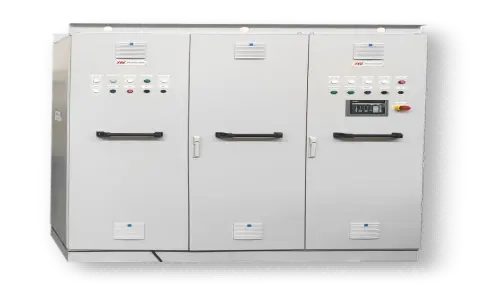
Understanding Marine Hybrid Power Integration Fundamentals
Recognizing Marine Hybrid Systems' Energy Source Integration
The key to implementing a successful maritime hybrid power system is knowing how different energy sources may coexist peacefully. Sophisticated energy management systems that can adjust to shifting operational needs while maintaining optimal efficiency are becoming more and more necessary for modern vessels.
Power Electronics and Battery Storage's Function
The majority of hybrid setups are built around battery storage systems, which provide load balancing during times of high demand and provide instantaneous power delivery. By integrating these energy storage devices with diesel generators, a versatile power management system that maximizes fuel efficiency and lessens pollution control issues is created. Managing the intricate relationships between various energy sources is a critical function of power electronics. Smooth power mode transitions are ensured by sophisticated inverters, converters, and control systems, which also preserve system dependability and shield delicate equipment from voltage swings.
System Architecture and Component Selection
Knowing the Elements of Marine Hybrid Power Systems
For marine hybrid power integration, choosing the right components necessitates a thorough comprehension of how each component affects the overall performance of the system. Multiple power sources must be supported by the architecture in order to guarantee smooth operation under a range of sea conditions and operational demands.
Shaft generators and generator sets: their roles
Because they provide dependable baseline power and act as backup systems during prolonged operations, generator sets continue to be crucial parts of the majority of hybrid arrangements. Contemporary generator control systems use advanced monitoring features that interact with energy management systems to automatically optimize performance. Additionally, by capturing energy from main engines during regular operations, shaft generator systems provide special benefits for vessels with conventional propulsion arrangements. This energy is transformed into electrical power that can either directly feed auxiliary loads or charge battery systems.
Increasing Efficiency with Renewable Energy
On appropriate vessels, energy harvesting technologies such as solar integration and wind power capture systems can augment primary power sources. These renewable energy sources make a significant contribution to overall energy efficiency and carbon reduction goals, even though they might not be able to power big commercial boats. Operators can improve sustainability and reduce dependency on fossil fuels by integrating renewable technologies.
Using Smart Grid Technologies for the Best Possible Power Management
By automatically directing energy from the best sources based on real-time demand monitoring, smart grid technologies enable advanced power distribution management. To maximize efficiency while preserving safety margins, these intelligent systems adapt power allocation tactics based on their understanding of operational patterns. Additionally, isolation transformers and frequency converter equipment protect delicate electronic equipment and provide for flexible power routing across the vessel's electrical distribution network by guaranteeing electrical compatibility between various power sources and load needs.
Integration Planning and Design Considerations
Planning for Hybrid Power Systems by Examining Operational Profiles
A thorough examination of vessel operational characteristics and power requirements is the first step in the planning of an efficient marine hybrid power system. Engineers may create systems that maximize performance under all operating situations by having a thorough understanding of how energy demands change over typical trips. This fundamental phase guarantees that the system can effectively satisfy the vessel's changing needs.
Resolving Space Allocation Design Challenges
Allocating space is a crucial design difficulty, especially for retrofit applications where new equipment must be accommodated in existing arrangements. In order to preserve vessel stability and provide accessibility for maintenance procedures, battery storage systems, power electronics, and control panels must be positioned carefully. In the cramped spaces of marine boats, appropriate spatial layout is crucial for both functionality and safety.
Applying Reliability and Power Optimization Techniques
Strategies for power optimization need to take the dynamic nature of maritime operations into consideration. Load balancing algorithms minimize generator working hours, save battery life, and maintain optimal efficiency by continuously monitoring energy demand and automatically adjusting power source contributions. Furthermore, system reliability concerns include redundancy design and failure mode analysis in addition to individual component specifications. Strong designs are necessary in marine environments to ensure safe and continuous operation even in the event that primary systems encounter unforeseen problems.
Implementation Process and Best Practices
Careful Integration Phase Planning
Marine hybrid power system integration requires careful attention to detail and adherence to tried-and-true installation procedures during the implementation phase. In order to reduce downtime and ensure thorough testing and validation, successful projects usually adhere to standardized approaches. In order to achieve smooth integration and optimal performance of the hybrid systems, this planning is essential.
Overcoming the Difficulties of Integrating Electrical and Propulsion
The first step in electrical integration is to carefully examine the current power distribution systems and determine the best locations for connections. Bidirectional power flow and complex control interfaces frequently necessitate major adjustments for modern installations. Furthermore, marine propulsion integration necessitates careful coordination with current equipment systems and has an impact on basic vessel parameters. Hybrid engine setups must incorporate new features for electric drive modes while still being compatible with conventional controls.
Providing Efficient Commissioning and Training Methods
Commissioning methods verify that every system component operates as a cohesive unit and as an individual. Before vessels are put back into service, thorough testing procedures confirm performance under simulated operating conditions. Additionally, training programs guarantee that ship crews are able to respond effectively to a variety of operational events and comprehend the operation of hybrid systems. In the end, proper training contributes to the success of the hybrid power system by minimizing the risk of equipment damage and optimizing the advantages of advanced power management skills.
Operational Benefits and Performance Optimization
Marine Hybrid Power Systems' Complete Advantages
Effective maritime hybrid power systems provide significant operational benefits that go well beyond just reducing fuel consumption. For ship owners and operators in a variety of maritime industries, these advantages build up over time to create attractive value propositions. Incorporating hybrid systems improves both operational effectiveness and long-term sustainability.
Operational Flexibility and Compliance with the Environment
Hybrid systems' achievements in reducing emissions boost corporate sustainability objectives while assisting vessels in meeting ever-tougher environmental laws. Significant competitive advantages come from the capacity to operate in zero-emission modes during port operations or in environmentally sensitive areas. Hybrid power integration also significantly improves operational flexibility, enabling vessels to choose the best power source based on environmental factors, fuel prices, and operational needs. This flexibility guarantees that vessels can adjust to changing conditions without sacrificing performance.
Improved Monitoring Capabilities and Maintenance Benefits
Reduced working hours on conventional diesel generators, longer repair intervals, and less wear on vital parts all result in maintenance benefits. While primary engines are unavailable during prolonged port visits, battery storage systems supply quiet, clean power for hotel loads. Furthermore, improved system monitoring capabilities provide previously unheard-of insight into the patterns of vessel energy usage. The total performance and dependability of maritime hybrid systems are further improved by data analytics, which allow for ongoing optimization of power management techniques and the discovery of chances for further efficiency gains.
Future Developments and Technology Trends
Developing Patterns in Marine Hybrid Power Systems
As new technologies develop and innovation is spurred by regulatory restrictions, the maritime hybrid power environment is still fast changing. Stakeholders can make well-informed decisions regarding system specs and upgrade paths by having a thorough understanding of emerging trends. Making the most of hybrid systems' potential advantages requires staying up to date with these advancements.
Fuel Cell Technology and Energy Management Innovations
Using hydrogen or other alternative fuels, fuel cell integration offers the possibility of genuine zero-emission operation, making it an intriguing prospect for marine applications. While offering routes to full decarbonization, these technologies enhance current hybrid systems. Furthermore, sophisticated energy management algorithms automatically optimize system performance by utilizing machine learning and artificial intelligence. Without the need for human interaction, these intelligent systems continuously increase efficiency by adapting to environmental conditions and operational patterns.
Modular Design and Predictive Maintenance Improvements
Modular system designs simplify upgrades and maintenance while lowering the complexity of initial installation. As operational requirements change, system growth and component switching are made possible via standardized interfaces. Additionally, by enabling thorough system modeling and predictive maintenance plans, digital twin technologies minimize downtime and maximize component lifecycles through data-driven insights. In addition to increasing operational effectiveness, this technological integration guarantees that marine hybrid power systems can adjust to new developments and needs.
Conclusion
Integration of marine hybrid power systems is a crucial step toward sustainable maritime operations while providing immediate operational advantages. The key to success is meticulous planning, careful component selection, and skilled implementation that takes operational profiles and vessel-specific requirements into account. Hybrid systems will become more crucial for competitive maritime operations as technology develops and regulatory demands rise. Vessels are positioned for long-term success in a changing industry context that prioritizes efficiency and environmental responsibility by investing in appropriate integration today.
Partner with CM Energy for Advanced Marine Hybrid Solutions
CM Energy stands as a leading marine hybrid power system manufacturer with over two decades of engineering excellence in maritime applications. We provide a wide range of TSC products, including integrated packaging solutions with shaft generator technology, power management platforms, energy storage systems, and generator control systems. With 159 approved patents and more than 25% worldwide coverage for offshore equipment, we provide shown dependability for WTIVs, hybrid-electric cruise ships, and specialty vessels. For a discussion about your particular integration needs, reach out to our knowledgeable staff at info.cn@cm-energy.com.
References
1. Smith, J.R. and Anderson, K.M., "Advanced Marine Power Systems: Integration Strategies for Commercial Vessels," Maritime Engineering Journal, vol. 45, no. 3, 2023, pp. 78-92.
2. Thompson, L.K., "Hybrid Propulsion Technologies for Offshore Wind Service Vessels," Ocean Engineering Review, vol. 28, no. 7, 2024, pp. 156-171.
3. Chen, W.H. and Rodriguez, M.A., "Energy Management Systems in Modern Marine Applications," International Maritime Technology Conference Proceedings, 2023, pp. 245-260.
4. Williams, D.P., "Battery Integration and Safety Considerations for Marine Hybrid Systems," Ship Technology Research, vol. 71, no. 2, 2024, pp. 89-104.
5. Kumar, S. and Johnson, R.T., "Power Electronics Design for Marine Hybrid Propulsion Systems," IEEE Maritime Electronics Symposium, 2023, pp. 312-327.
6. Martinez, A.C., "Operational Experience with Hybrid Power Systems in Commercial Ferry Applications," Maritime Operations Quarterly, vol. 12, no. 4, 2024, pp. 203-218.