The key differences between automated sail systems and conventional sails are operating efficiency and technological sophistication. Advanced sensor fusion, machine learning algorithms, and real-time data analysis are used by automated sail systems to maximize performance without the need for human involvement. Depending on the wind, the speed of the vessel, and the needs of the route, these systems automatically modify the sail angle and camber. Even though they have been tested for centuries, traditional sails still need to be operated by hand and constantly monitored by the crew in order to function at their best. Your vessel type, operational needs, and long-term sustainability objectives will determine which of these technologies you should choose.
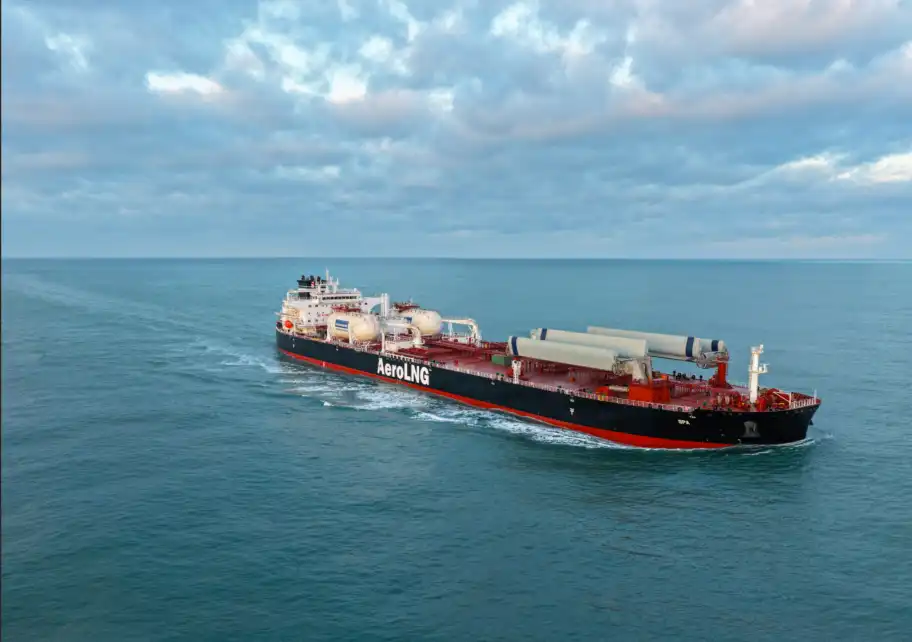
Understanding Automated Sail Technology
Revolutionizing Maritime Propulsion with Automated Sail Systems
A significant advancement in maritime propulsion technology is represented by contemporary automated sail systems. To provide reliable performance under a variety of circumstances, these intelligent systems incorporate wind sensors, GPS integration, and predictive maintenance capabilities. Automated sail systems, in contrast to traditional methods, use adaptive algorithms that continuously analyze vessel parameters and weather circumstances.
Self-Driving Navigation for Increased Productivity
Their ability to navigate independently is their main asset. To find the best sail configurations, these systems combine real-time data analysis with complex path planning algorithms. Crew members can override automatic functions when needed thanks to voice command integration and human-machine interface features, guaranteeing that safety is always the top priority.
Data-Driven Fuel-Saving Optimization
These systems' environmental monitoring components keep tabs on weather forecasts, wind patterns, and sea conditions. Vessels may maximize fuel savings while preserving schedule reliability thanks to this data-driven optimization strategy. The mechanical activities are guided by maritime robotics concepts, which provide seamless transitions between various operating modes. Because of its predictive maintenance characteristics and signal processing capabilities, automated sail systems offer quantifiable benefits whether you run chemical tankers or LR2 tankers that need constant fuel cost reduction.
Traditional Sail Systems: Time-Tested Maritime Solutions
The Traditional Sail Systems' Legacy
For thousands of years, ships have traveled across seas using traditional sail systems that depend on crew skill and human adjustments. These systems rely significantly on the expertise of sailors, their ability to assess the weather, and their ability to physically manipulate sail configurations. Traditional sails are efficient, but they need a lot of crew training and ongoing care.
Difficulties with Manual Sail Control
Sail angle, tension, and position in relation to wind direction are all simultaneously adjustable when using manual sail control. Particularly aboard sailing vessels built for wind propulsion, skilled crews can attain remarkable efficiency. Nevertheless, this strategy restricts operating flexibility in inclement weather and requires significant human resources.
The Benefits of Human Expertise and Simplicity
Conventional systems perform well in certain situations where dependability and simplicity are crucial. Because of their mechanical simplicity, they don't require electrical systems or automated steering components, which simplifies maintenance. This simple method is appreciated by many owners of coastal vessels and ferry operators, particularly for short-route efficiency applications. In traditional sailing, context awareness is derived from crew experience rather than automated technologies, enabling sailors to recognize environmental cues, predict weather changes, and make necessary adjustments. Although this human component offers flexibility, crew skill levels cause performance unpredictability.
Performance Analysis: Efficiency and Reliability Metrics
Comparative Efficiency of Conventional and Automated Sail Systems
Automated sail systems and conventional methods differ significantly, according to comparative performance analysis. While traditional sails exhibit performance variances based on operator expertise, automated systems provide constant performance metrics regardless of crew experience levels.
Automated Systems' Key Performance Indicators
Among the key performance indicators are:
- Fuel Reduction Capabilities: By optimizing sail positioning, automated systems consistently save fuel.
- Response Time: When conditions change, automated modifications take place in a matter of seconds.
- Operational Consistency: There is little difference in performance between crew shifts.
- Weather Adaptability: Automated systems perform well under shifting circumstances.
- Maintenance Predictability: Rather than using estimates, scheduled maintenance is based on consumption statistics.
Automated sail systems maintain optimal efficiency under a variety of operating situations, as demonstrated by real-world testing. Through the development of vessel-specific optimization patterns, these systems use machine learning to gradually increase performance.
Automation's Advantages
Automated methods have enhanced schedule reliability and decreased crew workload. Crew members can concentrate on other operational objectives because the systems automatically handle routine changes. Automated sail systems offer uniform efficiency regardless of human factors if you require consistent performance across several vessels with different crew experience levels.
Installation and Integration Considerations
Installation Needs for Conventional vs. Automated Sail Systems
Automated sail systems and conventional arrangements have quite different installation needs. Electrical integration, control system connectivity, and sensor installation are all necessary for automated systems. These installations necessitate careful planning during retrofitting operations and demand cooperation across several ship systems.
Traditional Sail Installations' Complexity
The main components of traditional sail installations include rigging systems, human control mechanisms, and mechanical mounting points. Traditional systems still require less installation complexity, but they require far more operational training. To guarantee best performance, crew members must become proficient in sail handling skills, weather interpretation, and manual adjustment procedures.
Modern Automated Systems' Benefits
GPS integration and automated steering interfaces allow modern automated systems to smoothly connect with current marine navigation equipment. Comprehensive vessel management from centralized control locations is made possible by this link. During crucial maneuvering circumstances, hands-free operation is made possible by speech recognition capabilities. In order to maximize integration with vessel architecture, newbuild shipyards are progressively specifying automated systems throughout design phases. Although it still requires structural analysis and electrical system changes, retrofitting existing boats is still possible for the majority of commercial vessel types. Comprehensive staff training programs, compatibility analysis, and manufacturing acceptance testing are all part of the integration process. Manufacturers usually offer continuous assistance via remote diagnostics and IoT monitoring devices. Automated solutions provide better integration flexibility and scalability if you run a variety of vessel types that need consistent operations.
Maintenance and Operational Requirements
Methods of Maintenance: Conventional vs. Automated Sail Systems
Automated and conventional sail systems have quite different maintenance strategies. Predictive maintenance algorithms, which track component wear patterns and plan service intervals based on real usage data, are advantageous for automated systems. This proactive strategy minimizes unplanned malfunctions and maximizes maintenance expenses.
Operational Maintenance Requirements
These essential distinctions are reflected in operational requirements:
Automated Mechanisms:
- Regular system calibrations and software updates
- Procedures for cleaning and verifying sensors
- Upkeep of electrical systems and inspections of backup power
- Evaluation of data analysis and performance enhancement
- Verification of remote monitoring systems
Conventional Systems:
- Inspections and modifications of manual rigging
- Procedures for sail material inspection and repair
- Mechanical upkeep and lubrication of hardware
- Updates on crew training and skill development
- Drills involving manual operation and weather interpretation
Automated Systems' Long-Term Cost Effectiveness
Automated systems have lower long-term operating costs since they require fewer workers and have better performance consistency. These systems save training expenses and operational complexity by operating efficiently with little staff intervention. Automated systems offer quantifiable benefits through lower operational expenses and predictive maintenance capabilities if you seek low maintenance solutions with rapid ROI requirements.
Cost-Benefit Analysis for Commercial Vessels
Comparing Automated and Conventional Sail Systems Economically
Different cost structures between automated sail systems and conventional configurations are shown by economic analysis. Long-term operating benefits vary according to vessel use patterns and operational requirements, although initial investment requirements range dramatically.
Operators' Investment Considerations
Among the factors to consider when investing are:
- Initial Capital Requirements: Compared to their traditional equivalents, automated systems demand a larger initial expenditure.
- Installation Complexity: The initial cost may be increased by hiring a professional installer and integrating the system.
- Training Requirements: To guarantee the efficient functioning of automated systems, crew education and certification programs are required.
- Maintenance Infrastructure: For continuous support, specialized service skills and an inventory of replacement parts are crucial.
- Performance Monitoring: Investing in reporting systems and data analysis tools improves operational effectiveness.
For commercial operators who prioritize fuel cost reduction and CII compliance requirements, return on investment calculations favor automated systems. These systems provide predictable financial benefits by delivering consistent savings under a range of operating scenarios.
Advantages for Ferry and Commercial Shipping Operators
Operators looking for simpler maintenance procedures and a smaller initial expenditure are drawn to traditional systems. However, increased labor requirements and performance variability may result in greater operating expenses.
When running bulk carriers, tankers, and ro-ro vessels on a variety of routes, commercial shipping operators find considerable benefits from automated systems. Without continuous crew supervision, the system maintains efficiency by automatically adjusting to changing conditions. Automated solutions help owners of coastal vessels and ferry operators by reducing operational complexity during frequent port calls and enabling emission-free port maneuvering. Automated systems offer verified performance improvements and regulatory compliance help if you require CII compliance solutions with quantifiable fuel savings.
Future-Proofing Your Fleet Investment
Fleet planning and the evolution of technology
For long-term fleet planning, automated sail systems are heavily favored by technological evolution patterns. These systems use software platforms that can be updated, allowing for ongoing performance optimization and algorithmic improvements. Traditional sails, on the other hand, have little room for improvement and mostly depend on replacing physical parts.
Market Trends and Regulatory Compliance
Future regulations will place a greater emphasis on energy efficiency and pollution reduction. Automated solutions enhance environmental certification procedures and regulatory compliance reporting by offering thorough data logging and performance documentation. As marine regulations change, this documentation capability becomes more and more valuable. Demand for environmentally friendly shipping options is rising, according to market trends. Automated technologies put ships in a favorable position for charter options that call for proven environmental performance. Customers favor ships with cutting-edge efficiency systems, and fleet operators report higher charter rates.
Future-Proofing Vessels and Design Integration
Automated systems are becoming more and more integrated by shipyards and design firms during the vessel design stages, giving future-ready vessel configurations a competitive edge. This pattern implies that ships with contemporary automated propulsion aid may have higher resale value. Additionally, technical collaborations between classification organizations and automation manufacturers guarantee continued certification assistance and regulatory compliance. These connections give assurance on the system's long-term sustainability and regulatory approval. Automated solutions provide complete manufacturer relationships and full solution capabilities if you require integrated designs for future-proof vessels with class approval support.
Conclusion
Through extensive manufacturing alliances and worldwide certification from prestigious classification societies like DNV, BV, and LR, CM Energy's TSC brand offers state-of-the-art automated sail system technology. With validated performance through real-world validation, our WindWings technology exhibits shown fuel savings across a variety of vessel types, from chemical tankers to bulk carriers. As a leading automated sail system supplier, we provide complete lifecycle support including installation, maintenance, and IoT monitoring capabilities tailored for commercial shipping operators seeking CII compliance and retrofitting solutions. To find specialized integration possibilities for your fleet needs, get in touch with our team at info.cn@cm-energy.com.
References:
1. Maritime Technology Review, "Comparative Analysis of Wind-Assisted Propulsion Systems in Commercial Shipping," Journal of Marine Engineering and Technology, 2023.
2. International Maritime Organization, "Guidelines for Wind-Assisted Ship Propulsion Systems: Performance and Safety Standards," IMO Technical Standards Publication, 2023.
3. Classification Society Standards, "Automated Sail System Certification Requirements and Performance Validation Protocols," DNV-GL Maritime Standards, 2024.
4. Commercial Shipping Economics Institute, "Cost-Benefit Analysis of Alternative Propulsion Technologies for Bulk Carriers and Tankers," Maritime Economics Quarterly, 2023.
5. Green Shipping Technology Association, "Wind-Assisted Propulsion: Traditional vs. Automated Systems Performance Comparison," Sustainable Maritime Solutions, 2024.
6. Marine Technology Research Foundation, "Future Trends in Automated Maritime Propulsion Systems and Fleet Integration Strategies," Advanced Marine Technology Review, 2023.