In order to guarantee safe and effective operations, modern hydrogen fueling station infrastructure includes a number of technologies. Most systems rely heavily on compressed hydrogen storage, which necessitates careful capacity design based on expected consumption patterns at the hydrogen fueling station. Storage systems must be able to handle periods of high consumption while keeping sufficient reserves for ongoing operations. Fuel cell refueling equipment consists of dispensers, nozzles, and safety systems made for different kinds of vehicles; commercial vehicles, passenger cars, and industrial equipment have quite different specifications.
Blog
Planning Guide for Hydrogen Fueling Station Deployment
A hydrogen fueling station's deployment necessitates careful planning that takes operational sustainability, legal compliance, and technical specifications into account. From initial site evaluation to commissioning, this thorough guide assists you in navigating the intricate terrain of hydrogen refueling infrastructure development. Understanding the fundamental elements and deployment techniques guarantees that your Hydrogen Fueling Station project provides dependable, secure, and financially feasible sustainable energy solutions for fuel cell vehicles and equipment, whether you're building highway corridors or industrial fleet networks.
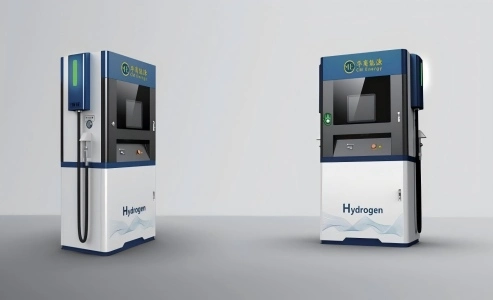
Understanding the Hydrogen Refueling Infrastructure Landscape
Development of Strategic Infrastructure for Hydrogen Refueling
The need for infrastructure for hydrogen refueling has increased in a number of sectors due to the global trend toward clean energy alternatives. In order to maintain long-distance transportation networks, fuel cell refilling stations must now be strategically placed along highway corridors. To accommodate expanding fleets of zero-emission fuel vehicles, urban areas require extensive H2 fuelling technology installations.
Sector-Specific Uses and Difficulties
Regarding hydrogen safety standards, legal constraints, and operational demands, every application poses different obstacles. The use of hydrogen-powered haul trucks in mining operations is growing, necessitating reliable on-site recharging facilities. Ports provide up specific infrastructure for equipment and straddle carriers that run on hydrogen. Rapid-refueling technologies that maximize operating efficiency and reduce downtime are necessary for bus terminals. Understanding these various needs while upholding uniform safety procedures and performance criteria is necessary for a successful deployment.
Strategic Site Selection and Assessment
Important Things to Think About When Choosing a Location
The key to a successful deployment of hydrogen filling stations is location selection. Operational feasibility is influenced by closeness to hydrogen supply sources, accessibility, and traffic patterns. While urban locations must integrate with the current petroleum infrastructure while adhering to zoning regulations, highway locations must have great visibility and easy access for commercial vehicles.
Geographical and Utility Factors' Effects
Geographical considerations have a big influence on design specifications. While seismic activity affects foundation design and structural requirements, climate variables have an impact on preventive measures and equipment selection. Wind patterns also affect emergency response protocols and safety planning. Infrastructure development costs and schedules are also influenced by utility availability; natural gas availability permits backup power systems and alternative fuel options, water access supports safety systems and possible on-site hydrogen generation, and electrical capacity influences compressor operations and control systems.
Technical Infrastructure Planning
Technology Integration in the Infrastructure for Hydrogen Refueling
Green Hydrogen Production and Safety Procedures
Because on-site generation lowers transportation costs and increases supply chain dependability, green hydrogen production capabilities are becoming more integrated with refueling infrastructure. While the combination of solar and wind energy improves sustainability and lowers operating costs, electrolysis equipment necessitates significant electrical capacity and water treatment facilities. Furthermore, hydrogen pipeline networks use materials resistant to hydrogen embrittlement and high pressure to link production, storage, and dispensing components. Operational safety is mostly dependent on safety systems, such as detection, ventilation, and emergency response apparatus. Emergency shutdown systems isolate equipment under abnormal conditions, ventilation systems avoid accumulation in enclosed places, and hydrogen sensors monitor ambient concentrations.
Regulatory Compliance and Safety Standards
Adherence to Regulations in the Development of Hydrogen Fueling Stations
The development of hydrogen fuelling stations must adhere to extensive regulatory frameworks that differ depending on the use and area. While fire rules demand the installation of detection systems, suppression equipment, and emergency access arrangements, building codes stipulate structural requirements, setback distances, and safety system specifications. For fueling stations to be safe and functional, compliance with these rules is crucial.
Operational and Environmental Aspects
Environmental regulations deal with important issues like waste management, water use, and air quality. While water treatment systems efficiently handle runoff and filter water, emissions monitoring guarantees adherence to clean air regulations. Furthermore, waste hydrogen handling adheres to accepted procedures for secure recovery or disposal. To operate lawfully and safely, operational permits necessitate thorough safety evaluations and emergency response plans. While maintenance procedures are required to preserve equipment dependability and safety system operation, training programs are essential to guarantee people proficiency in hydrogen handling and safety measures. In order to ensure compatibility with worldwide supply chains and best practices, compliance with international standards offers technical guidelines for equipment design and installation. These rules encompass everything from material specifications to testing processes.
Implementation Timeline and Project Management
Organized Stages for the Installation of Hydrogen Fueling Stations
Deploying hydrogen fueling stations successfully requires following planned stages that reduce risks and maximize resource use. The project's foundation is laid by pre-development operations such as funding agreements, permits, and feasibility studies. Design development ensures that every facet of the project is precisely defined before proceeding by converting requirements into comprehensive specifications and construction documents.
Procedures for Construction and Commissioning
To sustain productivity and adhere to deadlines, construction phases necessitate the coordinated scheduling of specialized crafts and equipment delivery. While equipment installation adheres to exact procedures to guarantee correct integration and testing, site preparation takes subsurface utilities and foundation requirements into account. Systematic testing of all systems and parts, including pressure testing to confirm pipeline integrity and guarantee leak-free operation, is part of commissioning. While human training equips operators for both ordinary operations and emergency procedures, control system programming is crucial for guaranteeing correct sequence operation and safety interlocks.
Maintaining Community Involvement and Operational Readiness
Activating the supply chain and creating effective customer communication are examples of operational readiness. While marketing initiatives educate prospective customers about the station's location and capabilities, hydrogen supply agreements are essential for guaranteeing consistent fuel availability. Lastly, grand opening celebrations promote community involvement and the adoption of hydrogen fuelling solutions by showcasing the facility's capabilities and safety measures.
Economic Considerations and Business Models
Factors Affecting the Economics of Hydrogen Fueling Stations
The economics of hydrogen fueling stations depend on a number of variables, such as potential revenue, operational costs, and construction costs. Capacity, location, and technical requirements all have a big impact on construction costs. The biggest cost component is equipment, which is followed by utility connections and site preparation. Comprehending these expenses is essential for efficient financial forecasting and budget planning.
Models of Operating Expenses and Revenue
Purchasing hydrogen, utilities, maintenance, and staff costs are all included in operating expenses. Utility costs include compressor operations, lighting, and control systems; the cost of hydrogen itself is determined by supply sources, modes of transit, and contract terms. Contracts for maintenance are necessary to guarantee dependable operations and control unforeseen repair expenses. Applications and market conditions can affect revenue models. While fleet operations may use long-term contracts with set pricing or cost-plus arrangements, public stations usually operate on a per-kilogram pricing structure similar to standard fuel stations. Fueling fees are frequently incorporated into larger service agreements in industrial applications.
Financial Incentives' Effect on Project Viability
A major factor in improving project profitability is financial incentives. Funding can be obtained more easily by lowering the initial capital needs through government grants. Tax credits give stakeholders an extra incentive by increasing long-term returns on investment. Utility subsidies can assist reduce the cost of electrical infrastructure, making hydrogen filling stations even more financially viable. Furthermore, carbon credits give sustainable energy projects additional sources of income, which increases their appeal to both operators and investors.
Operational Excellence and Maintenance
Extensive Maintenance Plans for Dependable Performance
Comprehensive maintenance plans and operational procedures are necessary for dependable hydrogen fueling station operations. While daily inspections confirm that safety systems and fuel handling equipment at the hydrogen fueling station are operating properly, preventive maintenance programs are crucial to guaranteeing equipment dependability and extending service life. By taking these preventative steps, risks are reduced and uninterrupted service is maintained.
Inventory control and predictive maintenance
Technologies for predictive maintenance are essential for tracking equipment performance and seeing possible problems before they arise. For example, thermal imaging can find electrical connection difficulties, vibration analysis can find compressor problems, and pressure monitoring can find valve or pipeline deterioration. Furthermore, efficient inventory control minimizes storage expenses while guaranteeing sufficient hydrogen supply. Emergency supply plans offer backup choices during supply breakdowns or periods of peak demand, and automated monitoring systems track consumption trends and forecast replenishment requirements.
Employee Education and Continued Learning
In order to cover technical operations, safety protocols, and customer service, staff training is essential. A safe working environment is promoted by certification programs, which guarantee staff competency in handling hydrogen and responding to emergencies. Additionally, continuing education is required to bring employees up to date on new rules and technology, guaranteeing that operations stay effective and compliant in a constantly changing environment.
Future-Proofing Your Investment
Infrastructure for Hydrogen Refueling Affected by Technological Development
Infrastructure needs for hydrogen refueling are constantly changing due to technological advancements. One of the main issues that consumers have with car range anxiety is addressed by higher pressure systems, which allow fuel cell vehicles to travel farther. Faster fill rates can improve the overall user experience by lowering client wait times and increasing throughput capacity. Using cutting-edge materials increases longevity while lowering maintenance needs, which eventually results in cheaper operating costs.
Including Concepts for Alternative Fuel Stations
In order to provide a multi-fuel strategy that serves a variety of vehicle fleets from a single location, alternative fuel station models are increasingly combining hydrogen with electric charging and conventional fuels. This shared infrastructure concept is more economically feasible for operators since it maximizes utilization rates while lowering implementation costs. Customers get more convenience and flexibility in their fuelling selections when many fuel types are offered at a single station.
Development of the Hydrogen Economy and Eco-Friendly Remedies
The demand for infrastructure for refueling is rising across all industries due to the expansion of the hydrogen economy. As infrastructure density rises, early adopters might gain a competitive edge by establishing market positions and developing operational knowledge. When more stations are built, the hydrogen refueling network's value increases due to network effects. Additionally, sustainable fuelling options that combine the generation and distribution of hydrogen with renewable energy sources are being given priority. For instance, wind integration lessens reliance on the grid, enhancing sustainability metrics and total environmental effect, and solar canopies offer weather protection while producing clean electricity.
Conclusion
Careful planning that takes into account technical, legal, and financial factors is necessary for the successful deployment of hydrogen fueling stations. Reliable operations are built on a foundation of thorough safety systems, strong infrastructure design, and strategic site selection. Optimized solutions that satisfy particular operational objectives while upholding universal safety standards are made possible by an understanding of the various application requirements.
The ongoing expansion of the hydrogen economy opens up new possibilities for infrastructure development in a variety of industries. Early adoption helps achieve global clean energy targets and offers competitive advantages. Access to tested technology and continuous support throughout the project lifetime are guaranteed when you collaborate with seasoned vendors.
Partner with CM Energy for Comprehensive Solutions
CM Energy offers turnkey infrastructure solutions for hydrogen refueling, supported by a track record of successful production and worldwide servicing capabilities. Our TSC brand hydrogen filling station systems provide specialized equipment packages that satisfy a range of operating needs, from industrial applications to highway corridors. As an experienced hydrogen fueling station supplier, we provide comprehensive EPC services, intelligent safety systems, and ongoing support that ensures reliable operations throughout your facility's lifecycle. To discuss your project requirements, send an email to info.cn@cm-energy.com.
References
1. National Renewable Energy Laboratory. "Hydrogen Fueling Station Development: Technical and Economic Analysis." U.S. Department of Energy, 2023.
2. International Association for Hydrogen Safety. "Planning Guidelines for Hydrogen Refueling Infrastructure Deployment." IAHS Technical Report Series, 2024.
3. Fuel Cell and Hydrogen Energy Association. "Infrastructure Deployment Strategies for Commercial Hydrogen Stations." FCHEA Industry Guidelines, 2023.
4. Society of Automotive Engineers. "Hydrogen Fueling Station Design and Safety Standards." SAE International Technical Standards, 2024.
5. International Energy Agency. "Global Hydrogen Infrastructure Development: Planning and Implementation Guide." IEA Clean Energy Transitions Programme, 2023.
6. American National Standards Institute. "Hydrogen Refueling Station Installation and Operation Guidelines." ANSI Technical Documentation, 2024.

(852) 3919 6300