How Much Does a High-Capacity Shale Shaker Cost?
Acquisition directors continuously inquire the same fundamental question when looking at ventures in boring mud division gear: how much will a high-capacity Shale Shaker cost? The reply depends on a number of components, but in common, industrial-grade machines made for intense occupations cost between $25,000 and over $150,000 each. Entry-level models for smaller-scale arrive penetrating more often than not take a toll between $25,000 and $45,000. More progressed offshore-rated units with way better rust security, explosion-proof engines, and robotization highlights can fetch more than $120,000. Understanding these changes in costs makes a difference. Acquirers make shrewd choices that adjust the toll of the choice presently with the value it will bring in the long run.
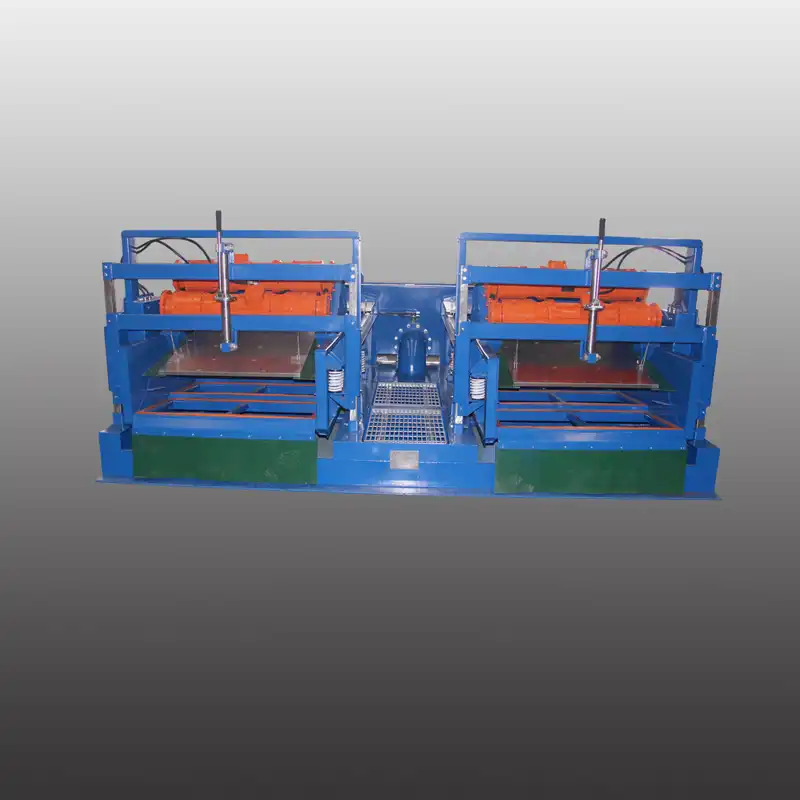
Understanding High-Capacity Shale Shakers: Function and Features
High-capacity Shale Shakers are the first line of defense in solids control frameworks. They isolated bore cuttings from important boring liquids so that they can be reused, and the cost of getting rid of waste is lower. A machine works by quickly vibrating, which moves boring mud over stacked screens. The screens let fluid pass through but keep strong bits in place. This preparation, which looks simple, requires exact arranging on numerous levels, with numerous parts working together.
Key Components That Drive Performance
A high-performance Shale Shaker depends on vibration engines, strong deck gatherings, and advanced screen innovation. Engines make controlled vibration designs that make strides solids partition effectiveness beneath distinctive boring conditions. Heat-treated steel decks stand up to weariness from steady vibration, whereas pre-tensioned screens avoid listing and liquid pooling. Composite and stainless-steel screens expand the benefits of life in cruel situations. Speedy screen substitution frameworks decrease downtime, making a difference boring groups keep up efficiency and lower operational costs amid requesting penetrating operations.
Defining High Capacity in Real-World Terms
High-capacity Shale Shaker frameworks ordinarily prepare more than 500 gallons per diminutive whereas dealing with solids loads over 8% by volume. Models such as the HS270 keep up fine partition execution with API 270 work screens whereas avoiding screen blinding amid overwhelming boring operations. Bigger screen ranges and movable G-force settings move forward proficiency and bolster ceaseless penetrating. Coordinating gear capacity with arrangement conditions anticipates bottlenecks, decreases downtime, and guarantees steady mud circulation in seaward and offbeat penetrating environments.
Factors Influencing the Cost of High-Capacity Shale Shakers
The end price of equipment is based on a lot of different technical specs and design choices. It's important to know which factors really add value and which add cost without need.
Technical Specifications That Impact Price
The fetched of a Shale Shaker is unequivocally influenced by stream capacity, screen area, vibration control systems, and engine proficiency. Bigger nourish frameworks and dual-deck plans increment fabricating costs but improve solids control execution. Movable vibration settings and variable recurrence drives include complexity, whereas decreasing long-term vitality utilization. Present-day frameworks can lower power utilization by 15–20% compared with fixed-speed units. In spite of the fact that advanced gear costs more at first, lower operating costs regularly give way to better long-term financial esteem amid amplified penetrating campaigns.
Material Quality and Durability Considerations
Construction materials enormously influence the cost and benefit of a Shale Shaker. Carbon steel is temperate for standard arrive penetrating, whereas marine-grade coatings progress erosion resistance in seaward operations. Stainless steel development costs more but performs better in destructive geothermal or acidic situations. Explosion-proof engines are required for unsafe penetrating destinations, too increment costs. High-quality orientation and fixed engine frameworks move forward unwavering quality, diminish support frequency, and offer assistance to anticipate disappointments caused by boring liquids, dampness, or airborne defilement during continuous operation.
Brand Reputation and Support Infrastructure
Established Shale Shaker producers ordinarily charge higher costs due to demonstrated building quality, dependable items, and solid after-sales benefit. In seaward boring operations, hardware disappointment can make major budgetary misfortunes, making reliable specialized back-up greatly vital. Companies with worldwide benefit systems and 24-hour specialized help diminish downtime and make strides operational quality. Obtainment directors ought to assess guarantee scope, save parts accessibility, and reaction speed, in addition to buy cost when comparing hardware providers for basic boring projects.
Customization and Automation Features
Customized Shale Shaker frameworks regularly incorporate uncommon highlights planned for special penetrating situations. Ice bundles may utilize warmed walled in areas and low-temperature seals, whereas robotized frameworks incorporate prescient upkeep sensors and farther checking capacities. Extra highlights such as negative-pressure walled in areas, sprinkler watches, and pneumatic screen clamps progress security and operational proficiency. In spite of the fact that these overhauls increment starting hardware costs, they can altogether decrease downtime, support costs, and manual labor necessities amid long-term penetrating operations in troublesome field conditions.
Comparison of Popular High-Capacity Shale Shaker Types and Their Price Ranges
Learning about the differences in Shale Shaker setups' performance and costs helps buying managers choose equipment that fits the needs of the business and the budget.
Linear Motion Versus Balanced Elliptical Systems
Linear movement Shale Shaker frameworks move cuttings rapidly over screens and work well in quick penetrating operations with low-viscosity liquids. Adjusted circular frameworks combine forward and vertical movement, progressing liquid partition when preparing sticky clays or weighted muds. Circular units by and large fetched 10–15% more but diminish screen blinding and amplify screen life. Dual-motion models offer more prominent adaptability by exchanging between vibration designs, making them appropriate for temporary workers working in shifted boring situations and arrangement conditions.
Positioning Versus Complementary Equipment
A Shale Shaker serves as the primary stage in solids control systems by removing larger particles before downstream equipment handles finer solids. Hydrocyclones and mud cleaners support additional separation but cannot replace the large-capacity processing ability of a shaker. Underestimating shaker capacity overloads downstream systems and reduces overall efficiency. Procurement teams should view the shaker as a foundational investment that protects all later separation stages and maintains stable drilling fluid performance throughout the drilling operation.
Current Market Landscape and Pricing Benchmarks
The Shale Shaker market includes premium manufacturers with strong reputations and newer suppliers offering lower-cost alternatives. Established brands generally provide better engineering support, proven reliability, and stronger service infrastructure. Lower-priced competitors may reduce upfront costs but can increase operational risk if technical support or spare parts are limited. Procurement teams should compare performance data under standardized testing conditions to ensure accurate evaluations. Reliable offshore-tested equipment often delivers better long-term value through reduced downtime and stronger operational support.
Purchasing Options and Cost-Saving Strategies for Procurement Managers
Strategic methods to buying things can cut down on overall owning costs by a large amount while still meeting performance standards that are necessary for tough drilling jobs.
New Equipment Versus Refurbished Units
New Shale Shaker equipment provides maximum reliability, full warranty coverage, and compliance with current safety standards. Refurbished units can offer significant savings, often delivering 70–80% of original service life at much lower cost. Quality rebuild programs replace worn components, upgrade motors, and restore structural integrity. Procurement teams should carefully inspect maintenance records, vibration analysis reports, and corrosion damage history before purchasing used equipment, especially units previously operated in harsh offshore or corrosive drilling environments.
Leasing and Rental Arrangements
Rental and leasing programs provide flexible access to high-capacity Shale Shaker systems without large capital investments. Rental rates generally range from $150 to $400 per day depending on equipment type and contract duration. Leasing converts capital expenses into operating costs while allowing easier budget planning. Many agreements also include maintenance support from the equipment provider. These options are especially valuable for short-term drilling campaigns, exploration programs, or projects with uncertain operational schedules and changing equipment requirements.
Bulk Ordering and Strategic Partnerships
Bulk purchasing agreements help drilling companies reduce Shale Shaker acquisition costs while improving long-term support. Manufacturers often provide discounts for multiple-unit orders along with better warranty terms and spare parts pricing. Strategic partnerships also improve supply reliability and give customers priority production scheduling during periods of high demand. Long-term cooperation allows suppliers to better understand operational requirements and support drilling efficiency. Procurement teams benefit from stronger technical support and improved lifecycle cost management through these relationships.
Spare Parts Strategy and After-Sales Considerations
Screen replacement represents one of the largest operating expenses for a Shale Shaker. Screen costs vary depending on mesh size and materials, making inventory planning important for controlling downtime and working capital. Motors, vibration isolators, and seals also require scheduled replacement. Procurement managers should confirm spare parts availability and delivery timelines before purchasing equipment. Reliable after-sales support, regional distribution centers, and fast parts delivery help reduce operational interruptions and improve long-term equipment reliability in demanding drilling conditions.
International Procurement Logistics
Importing Shale Shaker equipment involves additional costs such as freight, customs duties, tariffs, and compliance requirements. These expenses can significantly increase total landed costs and affect project schedules. Domestic manufacturers or suppliers with local assembly facilities may reduce shipping delays and simplify regulatory compliance. Procurement teams should request delivered pricing that includes all transportation and import costs. Working with experienced freight forwarders familiar with drilling equipment logistics also helps avoid customs issues and improves budget accuracy.
How to Choose the Right High-Capacity Shale Shaker for Your Procurement Needs
In order to choose the best tools, technical skills must be carefully matched with operational needs and long-term strategic goals.
Matching Capacity to Drilling Parameters
Selecting the proper Shale Shaker capacity requires evaluating expected drilling fluid flow rates, solids loading, and formation stability. Equipment should provide additional processing margin beyond estimated operating conditions to handle sudden solids increases during drilling. Proper screen selection and adjustable G-force settings improve separation efficiency while preventing screen blinding. Systems with adjustable deck angles allow operators to optimize fluid retention time and maintain stable mud performance across changing drilling conditions and fluid properties.
Energy Efficiency and Operating Cost Analysis
Energy consumption significantly affects the long-term operating cost of a Shale Shaker. Continuous drilling operations require large amounts of electricity, making high-efficiency motors and variable frequency drives valuable investments. Efficient systems reduce power consumption, generate less heat, and lower maintenance requirements by decreasing wear on bearings and motor components. Although premium motors cost more initially, lower utility costs and extended equipment life provide meaningful financial savings throughout years of drilling service and continuous field operation.
Integration with Existing Systems
A new Shale Shaker must integrate properly with existing solids control systems and drilling infrastructure. Procurement teams should confirm compatibility with tank layouts, discharge heights, flow lines, and electrical systems before installation. Modern drilling operations increasingly depend on automated monitoring systems, requiring compatible sensors and communication protocols. Proper integration improves operational efficiency and avoids costly field modifications. Coordinated engineering support during equipment selection helps ensure smooth installation and reliable performance within the overall drilling system.
Application-Specific Environmental Adaptations
Different drilling environments require specialized Shale Shaker configurations. Offshore applications demand corrosion-resistant materials, explosion-proof motors, and compact layouts suitable for limited deck space. Arctic drilling operations require heated enclosures and low-temperature materials, while desert drilling needs improved cooling systems and dust protection. Equipment designed specifically for local environmental conditions operates more reliably and reduces maintenance problems. Clearly defining environmental requirements during procurement helps avoid expensive upgrades and ensures immediate operational readiness after delivery.
Total Cost of Ownership Perspective
The total ownership cost of a Shale Shaker includes purchase price, maintenance expenses, spare parts costs, energy use, service life, and downtime risk. Lower-priced equipment may create higher long-term costs if reliability problems lead to drilling interruptions or expensive repairs. Procurement managers should carefully review warranty coverage, technical support, and expected maintenance requirements before making decisions. Premium equipment with proven performance often delivers lower lifecycle costs and stronger operational reliability over years of demanding drilling operations.
Conclusion
To choose the right investment in high-capacity Shale Shakers, you have to weigh short-term budget concerns against long-term operating needs and the economics of full ownership. The price of equipment can range from $25,000 to over $150,000, but the real worth comes from matching the skills to the needs of the application. The least expensive option has enough capacity to avoid working bottlenecks, good building quality to ensure reliable service in target environments, and maker help to lower the risk of downtime. Professionals in procurement who carefully look over technical specs, carefully look over application needs, and work with experienced manufacturers set up their companies for successful drilling operations that boost productivity while keeping costs low throughout the entire lifecycle of the equipment.
FAQ
1. What is the typical service life of a high-capacity shale shaker?
In general, how long does a high-capacity Shale Shaker last? If you keep your industrial units in good shape, they should last between 8 and 12 years in land drilling uses. Offshore units, which have to work in tougher conditions, only last between 6 and 10 years before they need major repairs or replacement. Service life varies a lot on how often it is used, the surroundings, and how well it is maintained. When equipment is used regularly on multi-well pad drilling projects, it wears out faster than when it is used intermittently on research projects. Inspection and repair of wear parts like screens, bearings, and vibration isolators on a regular basis increases their useful life and stops catastrophic breakdowns.
2. How often should maintenance be performed on shale shakers?
The bare minimum for upkeep is to look at the screen every day for signs of odd vibration, fluid leaks, and damage. Every 500 hours of use, a thorough checkup should check the torque on the motor mounting bolts, look at the state of the vibration isolators, and make sure the deck is level. At 2,000 to 2,500 hours of use, major service times usually include lubricating or replacing the bearings, inspecting the motor, and checking the structure for stress cracks. Following the repair schedules suggested by the maker keeps small problems from turning into costly breakdowns and greatly increases the useful life of equipment.
3. Do customized shale shakers cost significantly more than standard models?
Customization costs vary a lot depending on how complicated the changes are. Small changes, like changing the paint color or the size, don't add much to the cost, but big technical changes, like adding explosion-proof enclosures or better materials, can raise prices by 15 to 35 percent. Modular design on the HS270 base lets you make a lot of changes to fit your needs without spending a lot of money. It's important for procurement teams to be able to tell the difference between necessary changes that meet real operating needs and nice-to-have features that might not be worth the extra cost.
Partner with CM Energy for Superior Shale Shaker Solutions
CM Energy sells solids control equipment that is the best in the world and was designed to meet the unique needs of current drilling operations. The TSC brand HS270 Shale Shaker is the result of decades of improvement based on real-world offshore platform operations in drilling settings around the world. As a top manufacturer, we mix cutting-edge engineering with real-world operational knowledge to make machines that separate material more efficiently while requiring less upkeep. With a large inventory of spare parts and a global service network, we can provide quick technical help wherever your drilling operations take you. This is in addition to keeping your equipment going when production plans require it. Contact our technical team at info.cn@cm-energy.com to talk about your unique application needs and get full specs that are tailored to your operational conditions and budget goals.
References
1. Anderson, T.R. (2021). Solids Control Equipment Performance in Offshore Drilling Operations. Houston: Petroleum Engineering Publications.
2. Chen, M., & Roberts, K.L. (2020). Economic Analysis of Drilling Fluid Management Systems. Journal of Petroleum Technology, Volume 72, Issue 8, pp. 45-62.
3. International Association of Drilling Contractors. (2022). Shale Shaker Selection and Optimization Guidelines for Drilling Contractors. IADC Technical Report Series.
4. Martinez, J.P. (2019). Maintenance Best Practices for Drilling Solids Control Equipment. Society of Petroleum Engineers Technical Paper SPE-195847.
5. Thompson, H.W., & Zhang, L. (2023). Comparative Performance Analysis of Linear and Elliptical Motion Shale Shakers. Drilling Engineering Quarterly, Volume 38, Number 2, pp. 112-129.
6. U.S. Energy Information Administration. (2023). Drilling Technology and Equipment Cost Trends in North American Oil and Gas Operations. Washington: Department of Energy.