Future Trends of Methanol Fuel Supply System in Green Shipping
It's an important time for the marine business to care about the environment and do a great job. Because of tougher rules and the need to be environmentally friendly, the methanol fuel supply system has become an important tool for ship owners who want to switch to cleaner power. We need to cut down on emissions right away, and this new technology will help. It will also keep the stability and speed that modern businesses need. This includes inland river ships, ocean support boats, crude oil tanks, bulk carriers, and inland oil tanks. Moving toward methanol is more than just a change in fuel. It's also a change in how shipping companies buy things, set up processes, and plan for the long term of their business.
Introduction
Green shipping has become a commercial necessity. Methanol fuel supply systems offer a practical and cost-effective alternative to conventional marine fuels. Methanol can be stored as liquid at ambient temperature, produces lower SOx and NOx emissions, and works with modern engine designs. Shipowners and procurement managers recognise that new fuel supply technology helps meet environmental standards and provides a market advantage for VLCCs, chemical carriers, PCTCs, and barges. This article examines technical issues, emerging technologies, environmental impacts, and supply market navigation.
Current Challenges and Limitations of Methanol Fuel Supply Systems in Shipping
There are real issues with methanol fuel supply systems that make it hard to buy things and plan activities, even though they have a lot of promise. Everyone can make smart choices and plan for the investments that will be needed when they are aware of these issues.
Safety and Handling Complexity
Methanol needs extra care because of how it is chemically made. To keep it under tight control, the team needs to be trained in special ways, and there must be strong ways to find leaks. International safety standards like the IGF Code and SOLAS-IBC say that the fuel must be safe even though it is cold. Because of these needs, the system design is more complicated than in most diesel setups. This changes how much it costs to buy and how it is maintained.
Infrastructure and Supply Chain Gaps
There aren't as many bunkers for methanol around the world as there are for other types of marine fuels. If a ship goes on a well-known route, the owner may not have many options for refueling, which can make planning and booking a trip harder. Since fuel companies have to work with port facilities to make sure there is always fuel, this lack of infrastructure also slows down supply times. People who own ships need to look at both the tools that are on board and how well developed the bunkering networks are in the area when they look at methanol fuel supply systems.
Regulatory Compliance and Certification
People are under a lot of pressure to follow the new environmental rules. For ships to have methanol fuel supply systems, classification societies and flag states need to review a lot of paperwork, test them, and give their permission. People who are in charge of getting things need to make sure that people who want to sell them things have the right licenses, such as DNV approval, and can show that they follow international safety standards. These government rules change how companies are picked, how systems are made, and when they are connected.
When procurement experts know about these issues, they can rate providers based on their technical knowledge, safety records, and willingness to provide full support for the whole system's duration.
Emerging Technologies and Design Innovations Shaping the Future
Thanks to new ideas, the methanol fuel supply system is going from being used for specific tasks to being used for everyday tasks in the navy. The new ways of engineering get around the problems we already have and add new ones that make things safer, more useful, and more flexible.
Modular and Scalable System Architectures
Modern methanol fuel supply systems use modular designs enabling flexible installation across vessel types from 40,000 DWT bulk carriers to 300,000 DWT VLCCs. Modular components allow different configurations meeting specific vessel needs, simplifying new construction and retrofitting. Scalable architectures facilitate future expansion for new propulsion technologies and evolving regulatory requirements. Shipowners can find customised solutions that work for their operational profiles and space constraints without over-specifying capacity.
Digitalization and Smart Monitoring
Smart sensors, real-time tracking systems, and predictive maintenance programmes represent major advances. Digital systems continuously monitor pressure, temperature, flow rate, and fuel cleanliness, enabling early issue detection before costly failures occur. Providers offer proactive support through remote diagnostics, reducing downtime and improving operational efficiency. Digitalisation helps procurement managers evaluate service providers based on advanced monitoring and data analytics capabilities, ensuring transparent performance assessment and continuous improvement.
Enhanced Safety and Containment Technologies
Newer methanol fuel supply systems have better ways to find leaks, set up automatic shut-offs, and create multiple barriers to keep methanol inside. Pipes with two walls, nitrogen-inerting systems, and fail-safe valve configurations lower the risk of exposure and make sure safe operation even when the sea is rough. These new ideas follow strict safety rules and help boat owners save money on insurance and worry less about being sued. People who know a lot about safety engineering and can offer full plans for lowering risks are getting more and more weight when making buying decisions.
Because of these technological improvements, methanol fuel supply systems are now stable and ready for the future. This means they can handle the complex needs of modern ships.
Impact of Methanol Fuel Supply System Trends on Green Shipping Sustainability
Environmental sustainability is now a big part of where people spend their money in the water business. It is possible to lower carbon pollution around the world and make businesses look better in terms of the environment by using methanol fuel supply systems.
Emissions Reduction and Air Quality
When methanol is burned, it gives off a lot less sulfur oxide, nitrogen oxide, and particulate matter than heavy fuel oil or marine gas oil. Ship owners can use this pollution profile to make sure they follow the IMO 2020 sulfur cap rules. It also helps fleets get ready for future goals to cut greenhouse gas emissions. Because methanol burns better, it's easier for chemical trucks, LPG carriers, and remote support boats to work in places that have rules about pollution. As a result, they stay in work zones without getting fined.
Lifecycle Efficiency and Energy Density Considerations
Methanol has lower energy density than diesel, requiring approximately double the mass flow rate for equivalent power output. However, lifecycle studies demonstrate improved efficiency across production, transport, and combustion stages. Green methanol from renewable energy sources and captured carbon enables carbon-neutral shipping. Procurement managers must evaluate not only onboard system performance but also fuel environmental footprint and production methods. This holistic approach ensures genuine sustainability benefits rather than superficial compliance.
Enhancing Corporate Social Responsibility
Businesses' sustainable stories get better when they use methanol fuel supply systems. This affects how partners see them, investors' trust, and customer loyalty. When fighting for bids and long-term charter deals, shipping companies that do their part to protect the environment have an advantage. Not only does this improve the company's image, but it also makes forward-thinking businesses leaders in the global move toward more environmentally friendly marine transportation.
Shipowners who want to reduce their carbon emissions and meet shifting stakeholder standards should use methanol fuel supply systems because they are better for the environment.
Market Dynamics and Procurement Insights for Methanol Fuel Supply Systems
There are different kinds of sources for methanol fuel supply systems. You need to know about them, how they set costs, and how they work with other suppliers to make deals.
Supplier Evaluation and Certification Standards
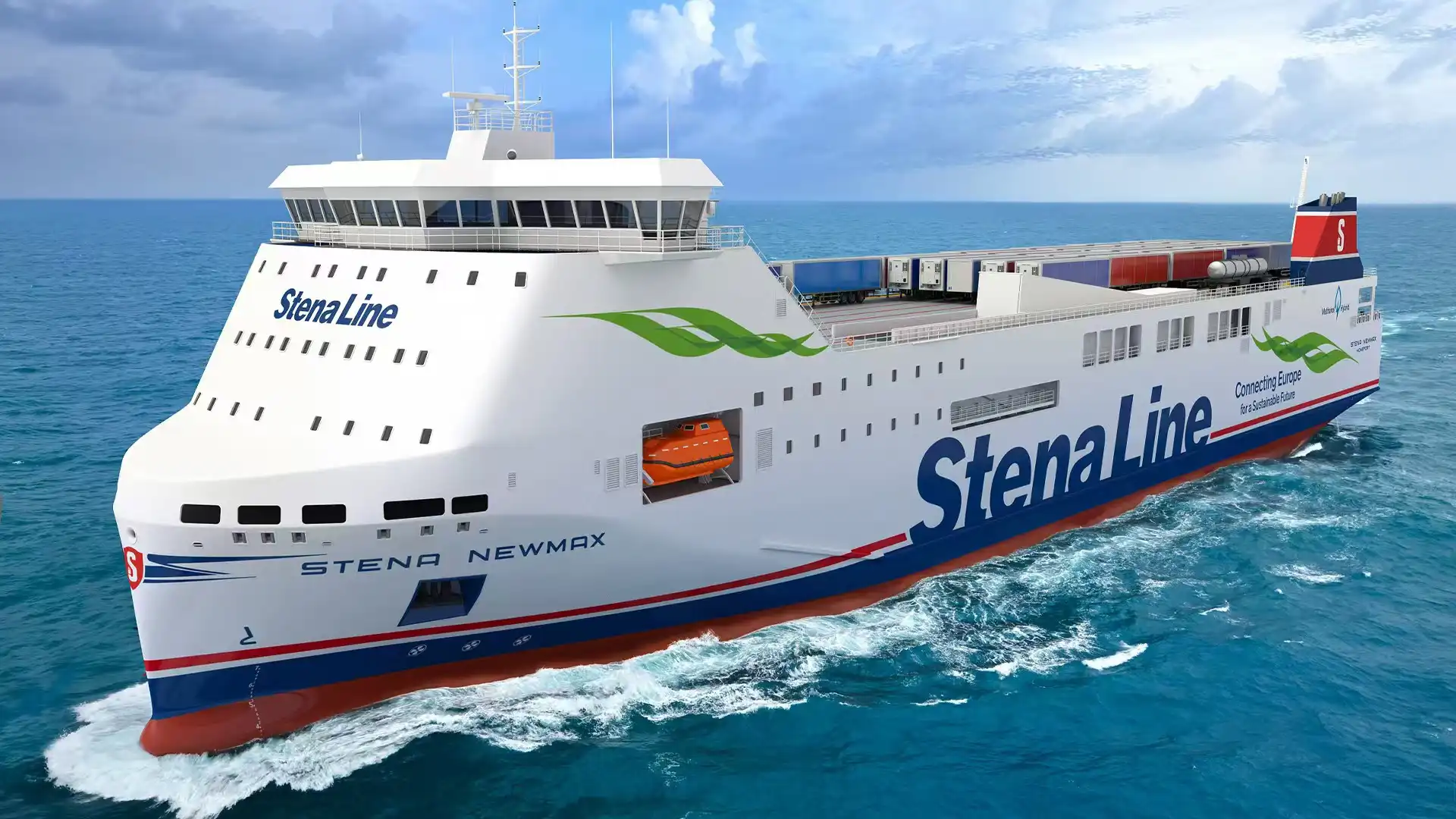
More specialized companies offer diverse methanol fuel supply systems. Procurement managers should prioritise suppliers with DNV AIP certificates and product licenses demonstrating technical and safety compliance. Track records of successful installations on operating vessels reveal operational reliability and after-sales service quality. CM Energy has demonstrated capability by delivering methanol fuel supply system skids for Stena RoRo projects, showing proven expertise in this emerging market segment.
Cost Considerations and Total Ownership Value
When looking at methanol fuel supply systems, it's important to think about both the upfront costs and the ongoing costs, like buying fuel, keeping the system in good shape, and training staff. Hardware made from good materials, like stainless steel parts that don't rust in methanol, lasts longer and needs less maintenance. When you buy something, you should think about both how much it costs and how much it will be worth in the long run. Plus, remember that systems that cost more often tend to be more reliable and have a lower total cost of ownership.
Customization and Integration Support
Different vessel types require different operational approaches. Methanol fuel supply systems must integrate effectively with main engines, auxiliary units, and fuel cells. Full-service suppliers handling planning, engineering, and installation reduce project execution risk. Procurement managers should partner with providers offering complete lifecycle services from initial consultation and system design through ongoing technical support and spare parts supply for smooth implementation.
Strategic Recommendations and Future Outlook for Procurement Managers
These people are in charge of buying things and making sure their businesses are ready for a future powered by methanol. For decades to come, the decisions made today about what to buy will affect how well the fleet works, how well it follows the rules, and how well it takes care of the earth.
Prioritizing Supplier Reliability and Technical Competence
Picking companies for methanol fuel supply systems takes a lot of work. Before you buy from a seller, look at their technical skills, industrial skills, quality control methods, and list of certifications they have. Companies with a lot of experience in chemical tanker systems, liquid gas carriers, and boats that can carry both gas and oil can help make setups safer and more reliable. With its TSC name, CM Energy shows how skilled it is by offering full solutions for methanol fuel supply systems, as well as technologies for LNG and ammonia fuel. Their wide range of goods shows that they have the technical know-how to handle tough military needs.
Staying Ahead of Regulatory Developments
There are a lot of rules that change quickly. Suppliers should keep an eye on changes to IMO rules, classification society rules, and area emissions standards to make sure that the methanol fuel supply systems they choose stay in line with the rules for as long as they are used. Work with sellers who are part of working groups and methods that set standards for the industry. This way, you can see new needs early on and make changes before they get too big.
Investing in Training and Safety Protocols
It takes more than just getting the right tools to properly adopt methanol. Operational readiness includes things like making sure the team is well trained, having strong safety procedures, and having emergency response plans. When companies decide what to buy, they should think about how well the companies they buy from can offer training programs, safety paperwork, and ongoing technology help. When workers put people first along with picking out the right tools, jobs are safer and go more smoothly.
The market for methanol fuel supply systems is going to grow a lot as rules get tighter and infrastructure gets better. Your company will be at the forefront of the green shipping change if procurement managers pick providers they can trust, invest in new technologies, and build relationships that last.
Conclusion
One important piece of technology that makes decarbonization possible in the sea sector without changing how well it works is the methanol fuel supply system. Environmental rules are getting tighter and people's expectations are changing. Ship owners of all types, from bulk carriers and tankers to offshore support vessels and onshore ships, see methanol as a way to make power more eco-friendly. To be successful, you need to pick your sources carefully, plan your purchases well, and put a lot of effort into safety and training. Shippers can make the switch with confidence and win long-term economic advantages in a more eco-friendly maritime world if they are open to new ideas and work with partners who have a lot of experience.
FAQ
1. What distinguishes methanol fuel supply systems from conventional marine fuel systems?
There are a lot of different types of methanol fuel supply systems. They are made of different materials and are built in different ways to keep people safe. Because methanol is dangerous and has chemical properties that make it hard to clean, these systems need parts made of stainless steel that won't rust, pipes with two walls, and better ways to find leaks. Because methanol has less energy per unit mass, they need to deal with twice as much mass flow rate, which means their pumps and lines need to be bigger. Even though the IGF Code and SOLAS-IBC make more work, they make sure that everything is safe.
2. How do I identify reliable methanol fuel supply system suppliers?
Reliable companies have worked on boats that are already in use in the past, have well-known certifications like DNV approvals, and offer full help for the product's entire lifecycle. Check out how well they can help customers after the sale, how well they make sure the quality of their goods, and how much they know about dual-fuel and chemical handling systems. It's helpful for tough jobs to have suppliers who have worked with a lot of different types of ships and fuel systems.
3. What are the primary safety considerations for methanol fuel supply systems?
When thinking about safety, it's important to keep in mind that methanol is very cold, poisonous, and destructive. Systems need to have ways to stop leaks, automatic shut-offs, nitrogen inerting for places that are dangerous, and a team that has been trained well. Classification society approvals and following international rules show that the design is safe. The system is kept safe with regular maintenance and tracking.
Partner with CM Energy for Advanced Methanol Fuel Solutions
Our tried-and-true methanol fuel supply system technology can help you switch to military power that is better for the environment. CM Energy is a business that creates methanol fuel supply systems and has a lot of experience with tanks that hold both gasoline and liquid gas, as well as chemical ship systems. They can give you full options that are made to fit your fleet's needs. Our TSC brand has successfully given methanol fuel supply system skids for tough jobs like Stena RoRo projects. This shows that we are a trustworthy and top-notch engineering firm.
We offer methanol fuel supply systems that are fully combined. These systems can be as simple as modular supply units or as complex as full turnkey setups. They come with DNV approval, help throughout their life, and quick expert service. Planning, making, ordering, and providing help after the sale are all things that our team has done before. This keeps the system running well and makes sure that everything fits together well. CM Energy has the technical know-how and tried-and-true solutions you need to become a better business and protect the environment, whether you're building new ships or making changes to old ones.
Talk to CM Energy right away about your wants for a methanol fuel supply system at info.cn@cm-energy.com. Learn how our approved, cutting-edge solutions can help your fleet do a better job of protecting the environment while also making sure that it is safe, reliable, and following the law in the ever-changing marine scene.
References
1. International Maritime Organization. (2021). "Reduction of GHG Emissions from Ships: Fourth IMO GHG Study 2020." London: IMO Publishing.
2. Verbeek, R., & Verbeek, M. (2020). "Methanol as Marine Fuel: Environmental Benefits, Technology Readiness, and Economic Feasibility." Delft: TNO Netherlands Organisation for Applied Scientific Research.
3. DNV GL. (2022). "Alternative Fuels for Shipping: Methanol Supply and Safety Considerations." Oslo: DNV GL Maritime Advisory.
4. Ellis, J., & Tanneberger, K. (2019). "Study on the Use of Ethyl and Methyl Alcohol as Alternative Fuels in Shipping." Brussels: European Maritime Safety Agency.
5. Korberg, A. D., Mathiesen, B. V., & Clausen, L. R. (2021). "The Role of Methanol in the Future Energy System: A Review of Fuel Pathways and Infrastructure." Energy Research Journal, 45(3), 1872-1891.
6. Methanol Institute. (2023). "Methanol Marine Fuel Report: Technical and Commercial Pathways for Decarbonizing Shipping." Arlington: Methanol Institute Publications.、、