WindWings® Benefits for Sustainable Shipping
The maritime business around the world is under more and more pressure to cut down on pollution while keeping up with rising fuel costs. WindWings® is a revolutionary solution that uses advanced rigid sail technology to harness wind power. This saves measured amounts of fuel, reduces carbon emissions significantly, and makes it easier to follow international marine rules. This unique three-element rigid sail system from BAR Technologies is a big step forward in wind-assisted propulsion. It helps business ship owners save up to 30% on fuel while still passing strict Carbon Intensity Indicator (CII) standards.
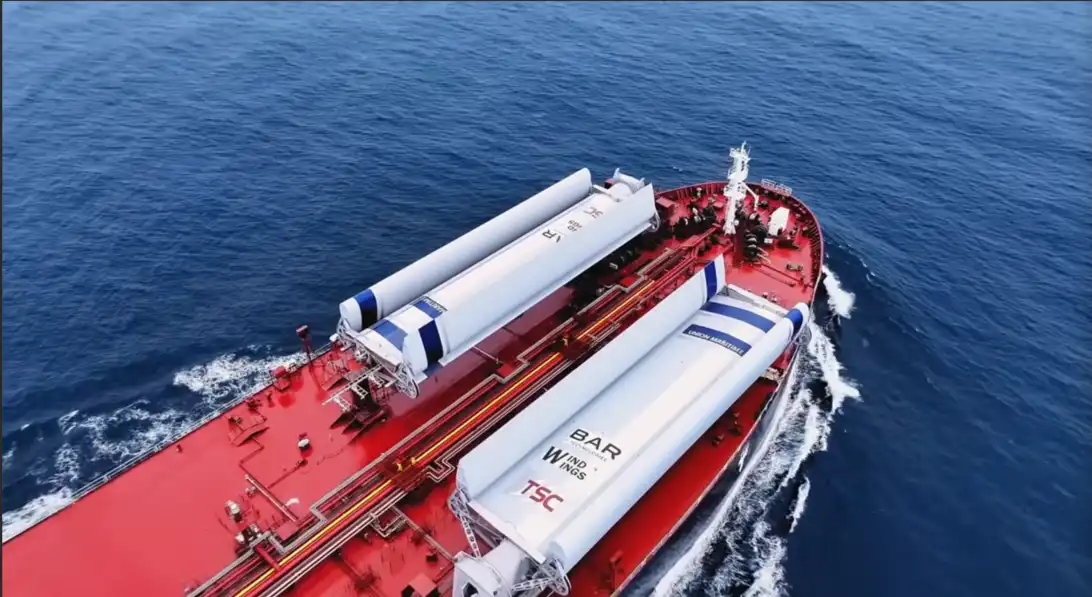
Understanding Wind-Assisted Propulsion and Its Role in Decarbonizing Maritime Operations
Almost 3% of the world's greenhouse gas pollution come from commercial ships, and that number is expected to rise if technology doesn't change things. Wind-assisted ship power systems look like good answers to this problem because they give ship owners real ways to be more environmentally friendly without lowering their performance.
How Rigid Sail Technology Works?
In contrast to regular soft sails, rigid wing sails work like airplane wings, propelling the boat forward through aerodynamic lift instead of simple drag forces. The three-part design has slope and angle of attack that can be changed, so the system can work best in a variety of wind situations. This way of building makes more than 2.5 times as much lift as regular single-wing designs. This means that the main engine doesn't have to work as hard and uses less fuel.
Real-World Performance Validation
The Wolfson Unit and Lloyd's Register, two well-known institutions for fluid dynamics, have independently confirmed that this technology works well in terms of aerodynamics. Classification groups like DNV have confirmed that the system is safe and works well after putting it through strict testing procedures. Bulk ships with these rigid sails have made calls at more than 20 big foreign ports without any problems, showing that they can work reliably in a wide range of maritime conditions.
Meeting Regulatory Demands
The CII system from the International Maritime Organization says that ships must show that they are always getting better at using carbon efficiently. This requirement is directly met by wind-assisted power, which lowers pollution per cargo mile. In lease markets, where environmental performance is becoming more important to contract terms, ships with stiff sail technology have an edge over other ships. The method lets operators keep their compliance margins while escaping the expensive operating limits or fines that come with having a low CII grade.
Transforming Operational Economics for Chemical Tankers and Bulk Carriers
Fuel costs are the most variable cost for ship owners, especially on long-haul routes where the main engine's runtime takes up most of the budget. Using wind propulsion technology like WindWings® changes this cost situation in a big way.
Quantifiable Fuel Savings
On optimized routes, data from operating boats shows that daily fuel savings of more than 1.5 tonnes per wing are possible. At the current price of fuel, this means that a Newcastlemax bulk carrier that runs lines between Brazil and China for iron ore will save more than several million dollars a year. When chemical ships cross the Atlantic, they get similar benefits, though the amount of money they save depends on the wind patterns and the speed of the ship.
Carbon Reduction Metrics
Under normal conditions, each wing installation cuts CO2 pollution by more than five tonnes per day. For fleet owners who are in charge of many ships, the total amount of pollution that are cut quickly adds up to thousands of tonnes per year. In emissions trading plans like the EU ETS, where carbon pricing systems directly turn environmental gains into money, this success creates real value.
Return on Investment Considerations
The cost of installation depends on the type of vessel and the design that is chosen. Usually, the payback time is between three and five years. As fuel prices rise or carbon taxes get stricter, this time frame gets shorter. The technology is designed to last for 25 years, so it will continue to create value over time. Systems can be moved from one ship to another to protect capital investments during fleet renewal rounds.
Tailored Solutions for Diverse Maritime Applications
There are different operating needs and limits for each type of vehicle. These differences can be handled by modern wind power systems that use flexible design methods.
Bulk Carrier Integration
On bulk carriers, rigid sails are carefully placed between the cargo holds so that the hatch covers and cranes can move freely. The fold-down mechanism lets systems turn into lay-down positions while still leaving room for tools used to move goods. This design thought handles practical issues that have previously made it hard for businesses that move a lot of cargo to use wind technology.
Tanker Applications
Chemical trucks and LR2 product carriers can save money on fuel costs by using wind power on well-known trade routes. The system's fail-safe routines and parts that don't spark meet strict safety standards for ships carrying dangerous goods. Automated control systems keep the ship running at its best in all kinds of sea conditions while reducing the work of the crew.
Retrofit Capabilities
Most of the world's fleet is made up of ships that are already in use, so retrofitting solutions are necessary for broad decarbonization. Through designed mounting solutions, wind-assisted propulsion systems can work with a ship's current electrical and hydraulic systems. Structural analysis makes sure that the deck supports meet the requirements of the classification society without affecting the ship's stability or ability to carry goods. This method for retrofitting lets owners improve environmental performance without having to wait for delivery slots for new buildings.
Newbuild Optimization
Shipyards and design companies are adding wind propulsion such as WindWings®, to the specs of ships from the very beginning of the design process. Integrated designs make the best use of the needs of the engine technology when planning the structure, electrical systems, and control frameworks. This method gets the best performance benefits while keeping maintenance costs and difficulty to a minimum. Leading design companies work with CM Energy to provide complete solutions that meet the needs of charterers and get class approval.
Operational Advantages Beyond Fuel Economy
Savings on fuel are what drive people to adopt at first, but other practical benefits make the total value offer stronger.
Weather Routing Intelligence
Advanced routing software made just for wind-assisted boats looks at weather reports to find the best ways for sailing. Teams on land and on board can receive real-time weather information through web-based tools. This lets them plan their trips in a way that takes advantage of the wind. Existing route planning systems can be connected to automated workflow tools that make routing suggestions. This streamlines practical processes.
Automated Performance Optimization
Specialized software constantly checks the wind speed, direction, and wind direction to find the best wing angle and slope configuration. The method instantly changes the shape of the sails, so no one has to do it by hand. This makes the most thrust possible. Real-time performance feedback makes operations clear by keeping track of how much fuel is saved and how much pollution is cut. This is done to meet regulations and communicate with stakeholders.
Minimal Crew Training Requirements
Modern stiff sail systems are easier to train for than older sailing technologies because they are highly automatic. The operational interfaces look like controls for a deck crane, which builds on what the crew already knows how to do. Safety systems have human override options and emergency feathering procedures that stop the wings from moving when bad weather hits. This easy-to-use method speeds up adoption across the whole fleet without the need for long retraining programs.
Extended Operational Lifespan
Marine-grade construction with ship-grade steel and industrial materials makes sure that the building will last in harsh saltwater settings. Strict standards for stability are met by hydraulic systems and control components, and service packages are available to help with long-term upkeep needs. The 25-year design life is the same as or longer than the average length of time a tank is in use, so it will continue to be useful through many business cycles.
Installation and Lifecycle Support
For WindWings® technology adoption to go smoothly, people need full help during the buying, setting up, and using stages.
Compatibility Analysis
To find the best system designs, engineering teams do thorough reviews of the vessels. The structural capability, electricity infrastructure, working profiles, and regulation needs are all looked at in the analysis. This thorough check makes sure that systems meet technical requirements so that vessels can keep their certifications and insurance coverage.
Factory Acceptance and Delivery
Before the system is delivered, it goes through strict plant acceptance testing to make sure it works. Protocols for quality control include material certifications from ISO-certified sources and checks by the classification society during the manufacturing process. This validation process gives you trust in the stability of the equipment before you start installing it on board.
Installation Procedures
On-site building follows thorough steps that have been developed through a lot of experience with different types of vessels. Installation teams with a lot of experience work with shipyards and vessel owners to keep downtime and installation times to a minimum. Post-installation testing makes sure the system works and gets the crew used to it before the ship goes back into commercial service.
Ongoing Maintenance Support
IoT tracking systems that keep track of component health and performance data are used in long-term service packages to do predictive repair. Remote tests find possible problems before they happen, which lets you plan maintenance ahead of time and keep downtime to a minimum. Throughout the lifetime of a system, technical support teams are always ready to answer questions about how it works and make it run better.
Conclusion
WindWings® wind-assisted propulsion technology has been shown to be a successful way to reduce carbon emissions in the marine sector. It saves money on fuel, lowers emissions, and helps ships follow the rules. Advanced aerodynamics, automated optimization, and strong construction all work together to make great value for chemical tankers, bulk carriers, and business vessel owners who have to meet stricter environmental standards. As the price of fuel and carbon increases, the economy is put under more pressure. Wind power systems give ships long-term competitive benefits that last as long as the ships are in use. Implementing the technology successfully along global trade lines shows that it is commercially viable and can be scaled up for wide fleet adoption.
FAQ
1. How does the system perform during adverse weather conditions?
Advanced camera grids constantly check the sea level and wind speed. When conditions are too bad for operations, the wings automatically feather to reduce drag or fold all the way down to the floor, keeping the ship stable and its structure strong. This automated safety reaction doesn't need any help from the team and keeps everyone safe when the weather changes quickly.
2. Can existing vessels accommodate wind propulsion retrofits?
A big part of the market is made up of retrofit installs. Engineering research figures out what structure reinforcements and system integration needs to be done on current boats. Classification society approvals make sure that retrofitted ships keep all of their certifications and working capabilities. This means that fleet owners who want to make environmental changes can use this technology.
3. What maintenance requirements does the technology involve?
Normal activities only need routine checks that are similar to deck crane repair. Hydraulics and polymer materials made for marine use don't rust in saltwater. Service packages include regular repair help and remote tracking tools that find problems before they affect operations. This keeps the system available as much as possible during the service life.
Partner with CM Energy and TSC for Advanced Maritime Solutions
CM Energy uses its many years of experience in maritime engineering to help install wind propulsion systems. It does this by forming relationships with leading technology companies and providing full lifecycle support. As a top WindWings® provider, our team offers custom integration solutions for both upgrade projects and newbuild vessels. This makes sure that chemical tankers, Newcastlemax bulk carriers, and LR2 tankers all work at their best. CM Energy offers turnkey installations backed by strict quality standards and ongoing expert support. They can provide services all over the world and have long-term relationships with big classification societies.
TSC brand solutions use wind-assisted power as part of larger decarbonization plans. This helps operators get fuel cost savings of over 30% on improved routes while still meeting CII compliance standards. Our engineering teams work with shipowners, managers, and design companies at all stages of a project, from the initial feasibility studies to installation and optimizing operations. Talk to our experts at info.cn@cm-energy.com about how wind power technology can improve the economic and environmental performance of your fleet.
References
1. International Maritime Organization. (2023). "Carbon Intensity Indicator Regulatory Framework and Implementation Guidelines." IMO Marine Environment Protection Committee.
2. Wolfson Unit MTIA. (2022). "Aerodynamic Performance Validation of Three-Element Rigid Wing Sails for Commercial Vessels." University of Southampton Marine Research Publications.
3. DNV Classification Society. (2023). "Wind-Assisted Propulsion Systems: Certification Standards and Operational Verification Protocols." DNV Technical Standards Documentation.
4. Lloyd's Register. (2023). "Decarbonization Pathways for Commercial Shipping: Technology Assessment and Economic Analysis." Lloyd's Register Maritime Decarbonization Hub.
5. BAR Technologies. (2023). "Rigid Sail Development and Commercial Implementation: Engineering Principles and Performance Data." BAR Technologies Technical White Papers.
6. Maritime Executive Research. (2024). "Wind Propulsion Adoption Trends in Commercial Shipping: Market Analysis and ROI Projections." Maritime Industry Economic Reports.