How Automation and Control Systems Enhance Rigid Wing Sails?
Automation and control systems completely change how Rigid Wing Sail works by combining sensors, actuators, and smart programs that constantly check the wind conditions and the factors of the craft. These systems change the sail angle and slope automatically in real time, so you don't have to. This saves time and energy and makes the sails more aerodynamic. This makes consistent thrust optimization, less work for the crew, and better safety in all sailing situations possible. What used to be a complicated human process is now a smooth, smart way for modern commercial ships to move forward.
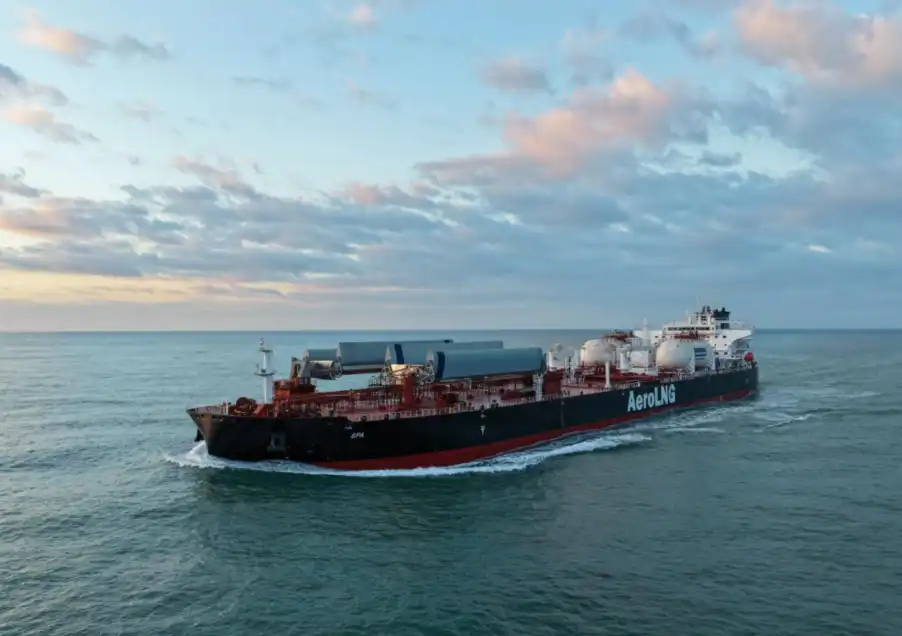
Understanding Rigid Wing Sails and Their Operational Challenges
While wind-assisted propulsion is an appealing way to reduce carbon emissions in the marine sector, it has been hard to use in standard ways for a long time. The development of Rigid Wing Sail technology answers many past questions, but it is still important to understand how it works in order to make smart buying choices.
The Evolution from Soft to Rigid Wing Technology
Traditional cloth sails bend under load and lose aerodynamic efficiency when wind conditions change, requiring extensive crew experience. The Rigid Wing Sail uses airplane wing design principles to create stable aerodynamic shapes producing higher lift coefficients. Unlike regular sails using rope systems, Rigid Wing Sails maintain optimal airfoil form through structural integrity. This enables lift-to-drag ratios over 2.5 times higher than standard configurations, appealing to commercial shipping companies reducing fuel costs.
Operational Complexities in Manual Configuration
Early Rigid Wing Sails created operational difficulties requiring manual wing angle and camber adjustments. Crew needed extensive aerodynamic knowledge and constant wind monitoring during long transoceanic passages. Manual operation reduced technology viability for procurement teams evaluating wind-assisted propulsion for chemical tankers, Newcastlemax bulk carriers, or LR2 tankers. Without automation, fuel savings diminished due to suboptimal wing positioning, and safety concerns arose when sudden weather changes required rapid reconfiguration.
Structural and Maintenance Considerations
Rigid Wing Sail structures face complex interactions from wind forces, vessel motion, and wave impacts. Mechanical systems controlling wing rotation and element positioning contain precision components stressed by marine environments. Manual systems demand intensive maintenance with regular inspections of structural integrity, hydraulic actuators, and control interfaces. These challenges directly affect total ownership cost estimates for commercial shipping operators. Smart control systems transform technology from an interesting concept into a practical carbon reduction solution for modern vessels.
How Automation and Control Systems Revolutionize Rigid Wing Sail Functionality?
Adding advanced automation turns Rigid Wing Sail from a physically complicated structure into smart power assets that work with modern ship systems without any problems.
Core Components of Automated Control Architecture
Automated Rigid Wing Sail systems depend on multiple integrated technologies. High-precision wind sensors measure true and apparent wind speed and direction. Load sensors monitor stresses on wings and support structures. Control algorithms process data from vessel management systems including speed, heading, and navigational parameters. Central processing units continuously analyze sensor data, running control algorithms calculating optimal wing configuration. Electromechanical actuators then adjust wing camber and angle relative to vessel centerline multiple times per minute.
Real-Time Adaptive Response Mechanisms
Technology's value comes from continuous optimization. Control algorithms recalculate optimal configurations without crew intervention as wind changes, vessel course adjusts, or sea state varies. This adaptive response maintains peak aerodynamic efficiency across the entire operating envelope, impossible with manual systems where adjustments occur only when crew is available. Advanced versions include weather routing integration enabling shore-based and onboard teams to view performance data through web portals, optimizing fuel savings across complete voyages.
Safety Integration and Automated Emergency Protocols
Automation enhances safety through continuous health monitoring and automatic emergency responses. Control systems monitor structural loads and move wings to feathered positions immediately when thresholds are exceeded. During berthing or severe weather, automated routines reconfigure systems to safe laydown positions, eliminating manual mechanical work by deck crew. These safety features benefit ferry and coastal vessel owners requiring rapid, reliable reconfiguration. Automatic systems eliminate risks of manual operation near cargo handling equipment.
Performance and Efficiency Improvements Enabled by Automation
Real-world business operations have shown that automated Rigid Wing Sail systems improve performance in a measurable way. This gives buying teams faith in their return-on-investment forecasts.
Aerodynamic Efficiency Optimization
Automated systems always keep the optimal angle of attack, which maximizes thrust output while reducing heel and drag forces. This is shown by CM Energy's WindWings technology, which has a three-element design that lets you fully change the slope and angle. The Wolfson Unit and Lloyd's Register have independently confirmed that automatic setup changes produce better lift coefficients than static or manually-adjusted installations.
The three-element design lets special software figure out the best wing angle and camber shape based on factors specific to the vessel, giving real-time reports on thrust performance. This accuracy gets rid of the performance loss that comes from mistakes or taking too long to make changes by hand. This means that the crew's sailing skills don't affect the efficiency gains.
Fuel Consumption Reduction and Emissions Impact
Commercial owners give more weight to technologies that lower running costs in a measured way. Automated wing systems save fuel by capturing wind energy more efficiently in all sailing situations, which equals less load on the main engine. Depending on the route and the amount of wind that is available, savings can reach large percentages of the base fuel usage. This directly leads to lower operating costs and carbon dioxide emissions.
Commercial shipping companies that run bulk carriers, tankers, and Ro-Ro ships on well-known trade lines with regular wind patterns find the technology to be very useful. Automated systems are better at taking advantage of these situations than manual ones. This increases the economic value of investments in wind power while also raising CII scores and EEXI compliance margins.
Operational Consistency and Reliability
In addition to peak performance numbers, automation ensures uniform results across journeys and weather conditions. In real life, crew attention, skill, and tiredness can change how well manual systems work, which can eat away at the fuel saves that were planned. This variation is taken care of by automated setups, which give procurement teams reliable performance they can use in plans to reduce carbon emissions from fleets.
TSC has installed Rigid Wing Sail WindWings on bulk carriers that have shown they can work reliably during calls at major global ports. This proves that the technology is robust in the real world. This track record of operations, along with approvals from DNV, Bureau Veritas, and Lloyd's Register, gives investors the proof they need to make big choices about wind-assisted propulsion systems.
Maintenance, Installation, and Integration Considerations for Automated Systems
For implementation to go well, you need to pay close attention to the steps for installation, the rules for ongoing upkeep, and the quality of your provider partnerships. These are all things that affect the lifecycle value, which goes beyond the initial purchase costs.
Streamlined Installation and Vessel Compatibility
Modern automatic Rigid Wing Sail systems are made up of separate modules that make them easy to place on both new buildings and old ones. Before installation, a compatibility study is done to make sure that it will work well with the ship's current systems, cargo handling equipment, and deck layouts. Professional installation teams test the equipment in the plant before it is delivered. Once it gets to the customer's location, it is put together and put into use.
When wings are installed above-deck, they are carefully placed between the cargo holds of bulk ships. This lets hatch cover operations go smoothly without any problems. Wings can be rotated into laydown positions with tilt systems that come in different shapes and sizes. This keeps them clear of machinery on the deck while cargo operations are going on. This design factor is very important for business shipowners who can't lose time or money while installing a propulsion system.
Maintenance Requirements and Long-Term Serviceability
Regular upkeep for automated Rigid Wing Sail systems includes calibrating sensors, fixing actuators, and checking the control system. These standards are similar to those for common deck equipment like cranes, which makes practical integration easy for crew training programs that are already in place. Unlike traditional sail systems, operations can go on without the need for specialized engineering knowledge. This makes training easier.
Long-term service packages and full maintenance help make sure that the system keeps working well for as long as it was designed to. Marine-grade parts, like ship-grade steel structures, industrial composite elements, and marine-specification hydraulics, are used in high-quality automatic Rigid Wing Sail systems. These parts are designed to last for a long time without needing major component replacement. Lifecycle support agreements are an important part of the buying review process because they directly affect the total cost of ownership calculations.
Supplier Reliability and Certification Standards
Choosing makers with strong after-sales support, warranty systems, and well-known certifications lowers the risk of deployment. Class approval from groups like DNV, Lloyd's Register, and Bureau Veritas proves that the structure is safe and strong. Certification proof through real-world vessel operations gives extra trust on top of design approval by showing how reliable the product is in real-world commercial service conditions.
CM Energy has a lot of experience making marine equipment and can apply that to automatic Rigid Wing Sail technology. They have also shown they can handle complicated electromechanical systems and provide service across the entire span of a product. This mix of technical know-how and support infrastructure solves the problems that commercial shipping companies have when they need to buy technology and need solid, long-term partnerships for fleet decarbonization projects.
Procurement Insights: Selecting the Right Automated Rigid Wing Sail Solution
Before investing in Rigid Wing Sail transportation systems, it's important to carefully look over the technical details, the business terms, and how well the investment fits with the overall goals of reducing carbon emissions from the fleet.
Performance Specifications and Vessel Compatibility
Procurement teams have to look at things like wing size, thrust generation ability, and how well the operating range works with the goal vessel classes. The specifications should include information about the aerodynamic span, the configuration of the elements, the powers of the control system, and how it needs to work with other systems that run the ship. For compatibility with chemical tankers, bulk carriers, or tanker operations, certain operating constraints must be met. These include cargo handling routines, deck equipment clearances, and hazardous atmosphere factors for some vessel types.
Realistic estimates of fuel savings can be made by looking at how different wing designs work on common route profiles. Automated systems that use weather tracking and adaptive control are more valuable because they catch more wind energy over the course of a whole journey instead of just when conditions are perfect.
Total Cost of Ownership Analysis
A full financial analysis must include more than just the cost of purchase. It must also include the costs of installation, ongoing upkeep, business effects, and the expected service life. Systems that can work for longer amounts of time without replacing important parts offer better lifecycle value, even if they may cost more at first. Maintenance service agreements, the availability of extra parts, and how quickly technical help responds all affect the continuation of operations and should be taken into account when choosing a provider.
When figuring out ROI, you should think about things like expected fuel prices, the cost of complying with changing regulations on carbon emissions, and the possibility of higher hiring rates for environmentally friendly ships. Ferry and coastal vessel owners who want to get their money back in less than five years need to pay close attention to installation costs and how well their systems are maintained. This is where proven system designs with established service networks really shine.
Technology Partnership and Future Scalability
When choosing automated Rigid Wing Sail providers, you need to look at more than just the products they give. You also need to look at how well they can help and come up with new ideas. Long-term fleet investments are safer when they are made with partners who have been in the marine business for a long time, have a wide range of certifications, and have shown they are committed to developing new technology.
Through its research relationship with BAR Technologies, TSC's WindWings technology is a good example of this method. It combines proven racing yacht aerodynamics knowledge with rigorous commercial marine engineering standards. This partnership provides cutting-edge speed while keeping the practical toughness needed for business shipping operations. Full lifecycle support, which includes IoT-based state tracking, makes sure that ships with these systems get ongoing help with improving their performance and preventative maintenance.
Being able to provide custom solutions for both retrofits and new builds gives operators more strategic freedom. They can gradually switch their whole fleets to wind-assisted power as ships go through planned drydocking or as newbuild plans move forward. This flexibility is useful for business shipping companies that run a fleet of different ships on a number of different trade paths and regulatory areas.
Conclusion
Automation completely changes Rigid Wing Sail technology from an idea that is hard to understand physically into a useful, high-performing way to reduce carbon emissions in the marine sector. Intelligent control systems take away the need for manual labor, improve wind efficiency, and save fuel consistently so that business shipping companies can meet their economic and environmental goals. As government rules get stricter and the price of fuel stays unstable, automatic wind-assisted propulsion systems have been shown to help meet CII requirements and lower operating costs. Fleets can stay ahead of the competition in the maritime industry, which is becoming more carbon-conscious, by choosing to buy from well-known technology partners that have full certification, a history of operating stability, and the ability to provide full lifecycle support.
FAQ
1. How does automation reduce crew workload on vessels with rigid wing sails?
With automated Rigid Wing Sail systems, you don't have to keep changing the wing pitch and slope by hand. Real-time optimization is done by sensors and computers, so team members can focus on their main duties, like navigation and operations. These systems work like common deck tools, so they don't need a lot of special training. They also have human override features for when they're needed.
2. What maintenance expertise is required for automated wing systems?
Marine experts are already familiar with the maintenance needs for normal deck cranes and hydraulic equipment. Checking the accuracy of sensors, inspecting actuators, and diagnosing the control system are all normal chores. Manufacturers usually offer full training and long-term service contracts to make sure that ships get expert help without needing to have specialized engineers on staff to fix complicated problems.
3. Can automated wing systems be retrofitted to existing vessels?
Yes, current designs are made so that retrofit installations can be done on ships that are already in use during planned drydocking times. Prior to installation, a compatibility study is carried out to take into account the ship's specific limitations, such as the layout of the deck, the tools used to move cargo, and concerns about stability. Modular system design makes integration easier without requiring major structural changes. This means that current companies that want to reduce their carbon footprint can use wind power.
Partner with a Proven Rigid Wing Sail Manufacturer for Your Decarbonization Goals
CM Energy is ready to help your fleet switch to wind-assisted power with our WindWings technology, which is a certified and operationally-proven Rigid Wing Sail option that saves fuel and lowers emissions. Our partnership with BAR Technologies and decades of experience making marine equipment mean that you will not only get advanced automation systems but also full support from the original compatibility study to long-term service delivery. Get in touch with us at info.cn@cm-energy.com to talk about how our custom integration solutions can help you get the most out of your unique vessel classes and trade routes, giving your business the quick return on investment and legal compliance it needs.
References
1. International Maritime Organization, "Guidelines for the Development of a Ship Energy Efficiency Management Plan," Marine Environment Protection Committee, 2021.
2. Lloyd's Register and UMAS, "Wind-Assisted Ship Propulsion: Commercial and Technical Review," Maritime Decarbonization Research, 2020.
3. DNV GL, "Assessment of Selected Alternative Fuels and Technologies," Position Paper on Maritime Energy Transition, 2019.
4. Tillig, F. and Ringsberg, J.W., "Design, Operation and Analysis of Wind-Assisted Cargo Ships," Ocean Engineering Journal, Volume 211, 2020.
5. Traut, M., et al., "Propulsive Power Contribution of a Kite and a Flettner Rotor on Selected Shipping Routes," Applied Energy, Volume 113, 2014.
6. International Windship Association, "Wind Propulsion Innovation Case Studies: Commercial Vessel Applications," Annual Technical Report, 2022.
