Marine LNG Fuel Gas Supply System: How It Works at Sea?
A naval LNG Fuel Gas Supply System is a high-tech engineering solution that takes liquefied natural gas from its extremely cold state of -163°C and turns it into perfectly prepared fuel for current naval engines that use both diesel and gasoline. This important naval technology handles the complicated thermodynamic processes needed to get clean-burning natural gas to boilers, propulsion systems, and auxiliary engines while still meeting strict safety standards and legal requirements for all types of ship activities at sea.
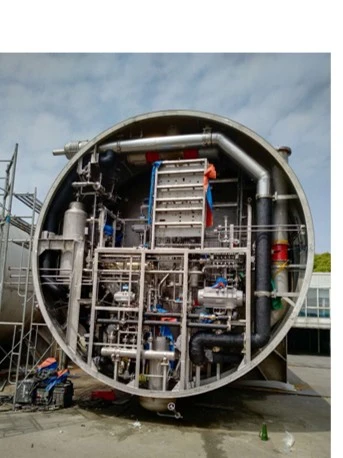
Understanding the Marine LNG Fuel Gas Supply System
The marine fuel gas supply system is the scientific backbone for ships that are switching from using heavy fuel oil to using natural gas, which is better. This all-in-one system solves the unique problems that come up when you have to deal with cryogenic liquids in the constantly changing marine environment, while also making sure that fuel supply stays steady even when conditions change.
Core Components and Architecture
Modern fuel gas supply systems are made up of a number of important parts that all work together to process and send natural gas. Most of the storage facilities have double-walled, vacuum-insulated tanks that keep temperatures very low and stop heat from getting in. These special holding boxes are linked to high-tech vaporization equipment that uses controlled heating to turn liquid natural gas into gas on demand.
Another important part is the gas cooling unit, which makes sure that the fuel is at the exact temperature and pressure that different engine types need. These units have high-tech filtration systems, pressure controls, and safety tracking gear built in to make sure the fuel quality stays at its best during delivery. Adding automated control systems lets you watch and change operational factors in real time, which makes sure that there is a steady flow of fuel even when the sea conditions are rough.
Fuel Flow Process at Sea
At the start of the process, natural gas is kept in cryogenic tanks at a temperature of about -163°C. The liquid is moved through shielded pipes by special cryogenic pumps to vaporization units, where it is heated in a controlled way to turn it into gas. To avoid heat shock and make sure the phase change is complete, this process needs precise temperature control.
The liquid fuel is then changed by pressure control systems to meet the needs of the engine. Different types of engines need different pressure levels. For example, Otto-cycle engines need low pressures of less than 16 bar, while modern diesel-cycle uses need high pressures of more than 300 bar. Modern automation technologies constantly check and change these factors to make sure that the right amount of fuel is delivered, no matter how the engine is loaded or how the vessel is moving.
Advantages of Using LNG Fuel Gas Supply Systems in Marine Vessels
Utilizing LNG Fuel Gas Supply System technology offers big advantages in terms of the environment, operations, and the economy. Because of these benefits, natural gas is a popular marine fuel among forward-thinking ship owners who want environmentally friendly and cost-effective ways to power their boats.
Environmental and Regulatory Compliance Benefits
When natural gas is burned, it releases a lot less pollution than other marine fuels. Compared to heavy fuel oil systems, sulfur oxide emissions are almost completely removed, and nitrogen oxide emissions drop by about 85%. About 20% less carbon dioxide is released into the air, which makes a big difference in the world attempt to reduce carbon emissions in maritime transportation.
These lower emissions let ships work legally in Emission Control Areas (ECAs) and meet strict IMO 2020 rules without needing extra equipment to treat the exhaust gas. The cleaner combustion features also lower particulate matter emissions, which helps clean up the air around ports and along the coast, where there is a lot of marine traffic.
Operational Efficiency and Safety Protocols
Specifically built for naval use, modern fuel gas supply systems include a wide range of safety features. Several backup safety devices constantly check for changes in gas amounts, temperature, and pressure. Emergency shutdown features make sure that the system can be quickly shut down in case of an emergency, and automatic ventilation systems keep gas from building up in tight areas.
These methods are much more reliable now than they were in the past thanks to improvements in technology and more operating experience. Boil-off gas management turns the natural evaporation from storage tanks into useful energy that can be used in gas burning units or directly in support systems. This makes the best use of fuel while keeping tank pressure within safe limits.
Comparing LNG Fuel Gas Supply Systems with Alternative Marine Fuel Systems
Procurement experts can make better choices about vessel fuel strategies when they know the technical and operational differences between natural gas systems and other types of marine fuel technologies. Performance traits, infrastructure needs, and long-term operating issues are all taken into account in these comparisons.
Technical Performance Differentiators
Traditional diesel or heavy fuel oil installations are less efficient at burning fuel than natural gas systems. The cleaner-burning properties make engine upkeep easier and increase the life of parts by preventing the buildup of combustion residue. Manufacturers of engines say that natural gas-powered dual-fuel systems are more reliable than standard fuel-only systems.
The design of the LNG Fuel Gas Supply System makes it possible for vessels to switch between using natural gas and other fuels based on price, availability, or operating needs. This ability to use both natural gas and other fuels gives operating security while increasing the environmental benefits of natural gas use during normal operations.
System Configurations and Scalability
Through modular design, fuel gas supply systems can work with a wide range of vessel kinds and operating profiles. Compact, combined systems that take up less room while still doing their full job are helpful for smaller ships. Installations that include multiple storage tanks, backup processing equipment, and advanced robotics systems can be put in place on larger ships.
These systems can be used on everything from small port ships to very big container ships. They can store anywhere from hundreds to thousands of cubic meters of natural gas. This adaptability lets ship owners use natural gas power on a wide range of vessels while keeping operations consistent and crews comfortable with the technology.
Procuring and Installing Marine LNG Fuel Gas Supply Systems
When buying naval fuel gas supply systems, you have to carefully look at the technical needs, government rules, and the supplier's abilities. A successful deployment relies on careful planning, careful execution, and full support after installation that lasts for the whole span of the system.
Selection Criteria and Supplier Evaluation
When looking at different fuel gas supply system choices, ship owners need to think about a number of things. Compatibility with the engine is the most important thing to think about because different power systems need different pressure and temperature levels. The MAN ME-GI engines usually need fuel delivery systems with a high pressure of more than 300 bar, while the WinGD X-DF engines work well with systems with a lower pressure of less than 16 bar.
When you figure out how much space a system has, you have to take into account how the ships usually work, how long their trips are, how full their engines are, and whether there are bunkering facilities along their planned routes. When boats have long periods of time between bunkering or when they are working in areas with limited natural gas supply infrastructure, adding boil-off gas control features becomes even more important.
Installation Process and Timeline Considerations
Installing the marine LNG Fuel Gas Supply System equipment follows standard marine engineering procedures, but it also takes into account the special needs of freezing systems. Pre-installation planning includes a close look at the ship's blueprints, a study of the structure for placing the tank, and planning how the new system will connect to the ship's current systems.
Usually, installation is done by putting together modules, which are premade parts that are brought to the dock and put together. Specialized moving equipment places storage tanks and processing modules in a way that follows a plan. Next, cold pipes, control systems, and safety gear are connected. Before the system is delivered to the vessel, it is put through a series of tests to make sure it works properly. These tests include pressure tests, leak checks, and functional checks of all parts.
Technical Specifications, Standards, and Compliance for Marine LNG Fuel Gas Supply Systems
International maritime rules, classification society rules, and national standards that vary by flag state and operational regions make up the rules that control marine fuel gas supply systems. Knowing these requirements will help with designing a system that meets the rules and getting governmental approval for the whole life of the vessel.
International Standards and Certification Requirements
The International Maritime Organization (IMO) sets the rules for natural gas fuel systems through the IGF Code. This code includes detailed rules for how gas-fueled ships must be designed, built, and run. These rules cover ways to evaluate risks, the right way to use tools, and the right way to run things so that business ships can safely use gas fuel.
Classification groups like DNV, Lloyd's Register, and Bureau Veritas keep strict rules for approving and certifying LNG Fuel Gas Supply Systems. These groups look over system designs, watch plant acceptance tests, and do regular studies of the vessel while it is in use. Their approval processes make sure that they follow international rules and meet the specific technical needs of different types of ships and their intended uses.
Operational Requirements and Documentation
For ongoing compliance, you need thorough documentation systems that keep track of safety checks, system performance, and maintenance tasks. Operators of vessels must keep careful records of fuel quality tests, system calibrations, and crew training certificates to show that they are following the rules during port state checks and classification society reviews.
The operating paperwork includes methods for what to do in an emergency, upkeep schedules, and lists of spare parts that keep the system available all the time. Crews are trained regularly to make sure they know how to do normal tasks, respond to emergencies, and do routine repair tasks that are needed for safe system operation in a variety of maritime settings.
Conclusion
The marine LNG Fuel Gas Supply System is a game-changing technology that helps the seafaring industry move toward power systems that are cleaner and last longer. The complicated problems of working with cold fuels are solved by these high-tech systems, which also do a great job of protecting the environment and being reliable in operation. There is a history of setups on different types of ships that shows how mature and useful modern natural gas fuel technologies are in tough marine situations.
FAQ
1. What safety measures are integrated into marine fuel gas supply systems?
Complete safety systems have multiple isolation valves throughout the fuel supply network, the ability to shut down in an emergency, and continuous gas detection tracking. These extra safety steps make sure that abnormal situations are dealt with quickly and keep gas from building up in vessel areas.
2. How does natural gas compare to diesel fuel regarding environmental impact?
When natural gas is burned, it completely removes sulfur oxide emissions, while it cuts nitrogen oxide emissions by about 85% and carbon dioxide emissions by about 20% compared to regular marine diesel fuels. These cuts make it possible to follow strict pollution rules without adding more air treatment systems.
3. What factors influence the total cost of ownership for these systems?
Some important cost factors to think about are the initial investment in tools, differences in the price of fuel, the need for upkeep, the cost of training the crew, and the cost of following the rules. Lowering emissions and making fuel use more efficient can often make up for higher original investments over the lifetime of a vessel.
Partner with CM Energy for Advanced LNG Fuel Gas Supply System Solutions
CM Energy's TSC brand offers cutting-edge technologies for supplying fuel gas, backed by years of practical experience and deep technical knowledge. Our self-made low-pressure systems have been used on real ships for more than a year and have proven to work reliably. Meanwhile, our strategic relationship with MAN lets us provide advanced high-pressure FGSS solutions for a wide range of marine uses.
As a top maker of LNG Fuel Gas Supply Systems, we offer full planning, production, installation, and lifecycle support services for all types of ships, from bulk carriers to specialized gas carriers. Get in touch with our technical team at info.cn@cm-energy.com to talk about custom solutions that meet your business needs and legal compliance goals.
References
1. International Maritime Organization. "International Code of Safety for Ships using Gases or other Low-flashpoint Fuels (IGF Code)." Maritime Safety Committee, 2016.
2. Society of Naval Architects and Marine Engineers. "LNG as Marine Fuel: Technical and Operational Considerations." SNAME Technical Publications, 2019.
3. DNV Classification Society. "Rules for Classification of Ships using Low Flash Point Fuels." DNV Maritime Standards, 2021.
4. American Bureau of Shipping. "Guide for Gas Fueled Ships." ABS Technical Standards, 2020.
5. Lloyd's Register. "LNG-fuelled Deep Sea Shipping: The Outlook for LNG Bunker Demand." Maritime Research Publications, 2018.
6. International Gas Union. "Natural Gas for Ships: A Review of Global LNG Bunkering Infrastructure Development." Energy Industry Reports, 2022.