Key Benefits of Methanol Feed System for Clean Energy
The Methanol Feed System represents a revolutionary advancement in clean energy technology, offering maritime and industrial operators a reliable pathway to reduce carbon emissions while maintaining operational efficiency. These sophisticated fuel supply systems deliver methanol with precise control to engines, fuel cells, and chemical reactors, enabling organizations across bulk carriers, tankers, and offshore vessels to meet stringent environmental regulations. With proven capabilities in handling methanol's unique properties—including its low flash point and corrosive nature—these systems provide the foundation for sustainable marine operations and industrial processes.
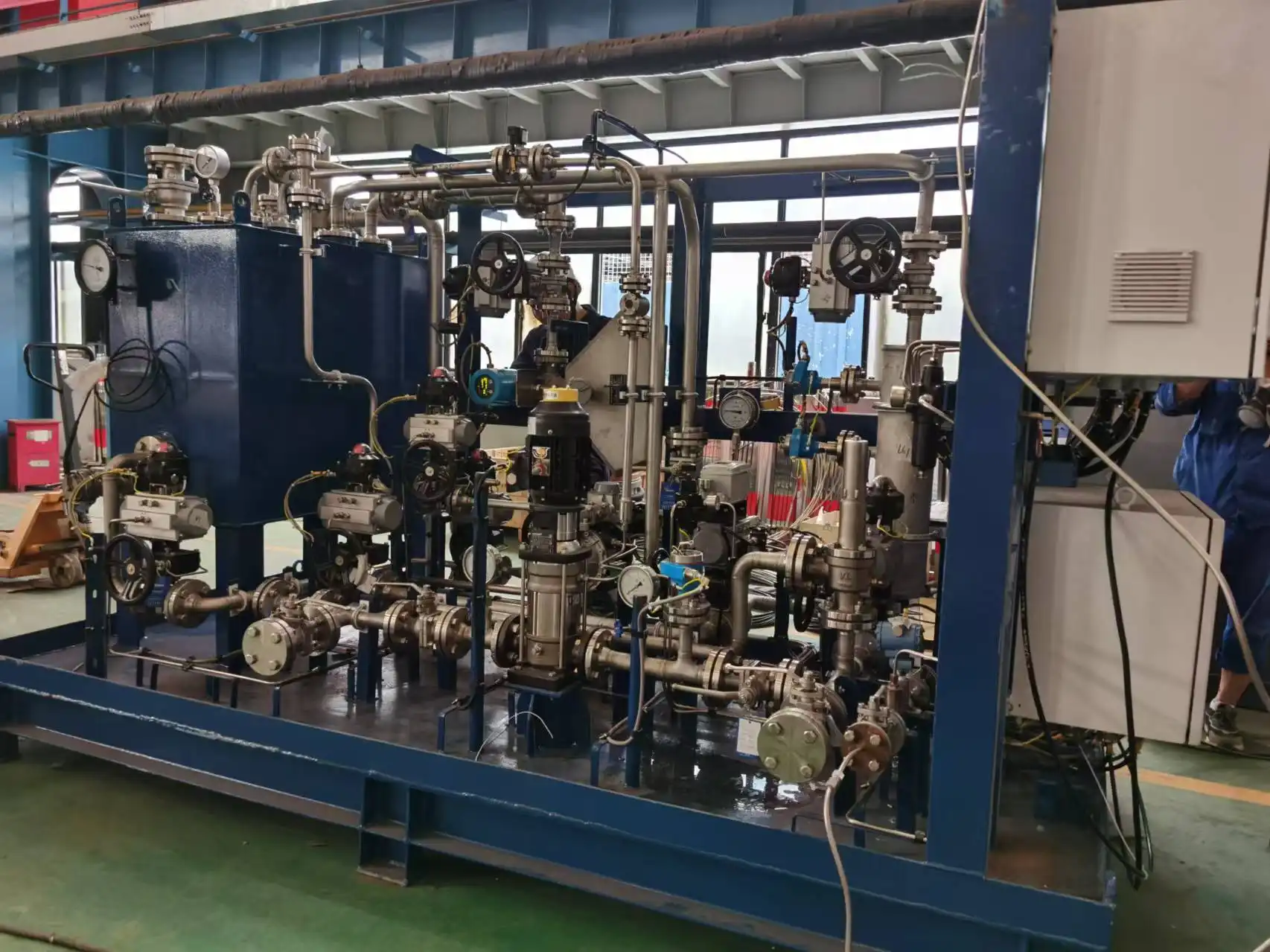
Understanding the Methanol Feed System and Its Role in Clean Energy
Modern Methanol Feed System technology is the backbone of clean energy projects in both the naval and industry sectors. These engineered systems control the delivery of methanol to different users, such as chemical process reactors, internal combustion engines, and fuel cells, while also dealing with the unique problems that come with methanol's physicochemical qualities.
Core Components and Engineering Excellence
Four important parts make up the basic structure of methanol fuel supply systems. They all work together to make sure they are safe and effective. The methanol delivery unit is the most important part of the system. It keeps the pressure, temperature, flow rate, and cleanliness at levels that meet the requirements of the engine maker. This part keeps the engine running smoothly even when the load changes, and it works right during important operations like starting up, stopping, and switching fuels.
The filling and transportation system meets the strict requirements of chemical vessel rules, especially the SOLAS-IBC Code, for loading, storing, and moving methanol. This part of the system handles the tricky properties of methanol, like its low temperature, corrosiveness, and toxicity, by using special materials and safety rules that keep people and equipment safe.
Safety Protocols and Risk Management
Multiple levels of safety features built into advanced methanol fuel systems make them perfect for harsh industrial settings. With forced air systems and double-walled pipes, vapor doesn't build up, and gas detection systems keep an eye out for possibly dangerous situations all the time. When safety limits are pushed too far, emergency shutdown procedures cut off the supply of methanol automatically. This keeps people from being exposed to dangerous chemicals or explosions.
In addition to basic safety measures, these safety measures include thorough cleaning procedures that use nitrogen systems to get rid of any remaining methanol before repair work is done. Using double-block-and-bleed setups gives you extra isolation options, meeting international safety standards for the sea and letting you work with confidence in rough sea settings.
Key Benefits of Methanol Feed Systems in Clean Energy Production
The adoption of advanced methanol fuel supply technology delivers transformative advantages that extend far beyond traditional fuel systems, positioning organizations for sustainable operations while achieving superior performance metrics.
Environmental Impact and Emission Reductions
Compared to traditional marine fuels, the Methanol Feed System technology makes it possible to cut greenhouse gas pollution by a large amount. Ships can have carbon neutrality or even negative carbon footprints over the course of their working lifetime if they use green methanol made from renewable sources. Methanol is better for the environment because it burns cleanly, releasing no sulfur oxides or nitrogen oxides. This is in comparison to heavy fuel oil, which releases up to 60% more nitrogen oxides.
Because burning methanol doesn't make much particulate matter, the air quality around ports and the coast is better, which is also good for the earth. This feature is especially useful for ships that operate in places with strict emission control guidelines for air quality. By using these methods, organizations show measurable progress toward international goals for reducing carbon emissions in the maritime sector. They may also be able to get green financing and carbon credit chances.
Operational Efficiency and Energy Optimization
Modern methanol supply systems are very efficient because they use precise fuel meters and complex control programs to run very smoothly. These systems keep the right amounts of fuel to air even when the load changes. This makes the burning process more efficient while using less fuel. The modular design mindset allows for different installation choices, which means that the system can be changed to fit the needs of each vessel without affecting its performance.
The system can handle sudden changes in load and switch between methanol and backup diesel fuel without stopping burning. This is an example of energy efficiency. This feature is very important for ships that need to be able to dynamically place themselves or move around a lot. It makes sure that power is always available while still meeting fuel efficiency standards.
Cost-Effectiveness and Total Ownership Value
A full study of the total cost of ownership makes the economic benefits of putting in place a Methanol Feed System clear. While the original investment may be higher than for standard fuel systems, operational saves from better fuel economy, less upkeep, and following environmental rules result in positive returns over the lifecycle of the system.
Scalable options that can be changed to fit different production sizes and management needs are helpful for procurement teams. The flexible design lets you add more capacity in small steps without having to replace the whole system. This protects your capital investments and lets your business grow. Also, retrofit options cut down on the time and money needed for dry docking and installation for current ships switching to cleaner fuels.
How to Choose the Best Methanol Feed System for Your Industrial Needs
To choose the best Methanol Feed System, you need to carefully consider a number of things that affect the system's long-term performance and return on investment. To find solutions that offer long-term value, procurement pros have to find a balance between technical needs and business concerns.
Supplier Evaluation and Technical Capabilities
A good way to buy a methanol fuel system is to carefully evaluate potential suppliers, paying special attention to those who have experience designing and building dual-fuel vessels. Having a lot of experience with liquefied gas carriers, chemical trucks, and other systems like them gives suppliers the specific information they need to handle methanol properly.
As part of the evaluation process, technical skills should be taken into account, such as the ability to offer unified solutions for a range of fuel supply systems that don't just use methanol, like those that use LNG and ammonia options. This all-around ability guarantees long-term support as fuel markets change in the marine sector and gives future fleet diversification plans a lot of room to grow.
Performance Specifications and Material Compatibility
Specific practical needs, such as capacity ranges, working pressures, and size limits, must be met by critical performance factors. Systems with different capacities—from smaller units for coastal boats to bigger systems for ocean-going ships—need different building methods and types of materials.
Due to methanol's corrosive and non-lubricating qualities, material suitability is an important factor to consider. To make sure they last longer, advanced systems use special coats, like diamond-like carbon applications, and locks that work with methanol. Choosing pumps with magnetic drives or bearing rooms that are not connected to each other solves lubrication problems while keeping the pumps running reliably.
Certification Standards and Regulatory Compliance
To make sure they work safely in all kinds of marine situations, modern methanol fuel supply systems have to meet both chemical handling standards (SOLAS-IBC Code) and low-flashpoint fuel safety requirements (IGF Code). Certification from DNV, which includes both AIP (Approval in Principle) and Product Certificate categories, is a third-party confirmation of the quality of system design and production.
Compliance includes new rules about how to record green fuels and report their carbon content. Systems with high-accuracy mass flow meters can accurately record how much fuel is used for legal compliance and reporting on sustainability.
Case Studies: Successful Implementations of Methanol Feed Systems in Clean Energy
Real-world applications show how advanced methanol fuel supply technology has changed things in a wide range of maritime and industrial settings, showing clear proof of operating benefits and performance possibilities.
Maritime Application Success Story
A large European boat company successfully installed Methanol Feed System technology on several of their ships, which made them much more efficient and helped them meet strict environmental goals. Custom-designed modular pieces were used for the installation. They worked perfectly with the ship's current systems, so there was little downtime and conversion time.
The adoption cut greenhouse gas emissions by 40% compared to using regular marine gas oil, and it kept operations running smoothly with more than 99.5% uptime. The modular design made it easier to put in places where other machines were already located, and the ability to use both gasoline and diesel fuels gave operators more options during the changeover time. Crew training programs made sure that operations were safe, and thorough maintenance plans kept things running smoothly during the whole working time.
Industrial Process Enhancement
An operator of an offshore platform used advanced methanol dosing systems for hydrate inhibition in subsea wellhead uses, demonstrating the technology's adaptability to harsh offshore environments. The system's ability to maintain precise flow control at pressures above 300 bar while operating in saltwater, which is very toxic, proved that it was strong enough for tough industrial uses.
The execution made the system available 99.9% of the time by setting up redundant pumps and using procedures for planned upkeep. High turndown ratios enabled precise dosing control that met changing operating needs while reducing trash and protecting the environment. Because this installation worked so well, it was used by the whole fleet on several other remote sites.
Maintenance and Troubleshooting Guidance to Ensure Optimal Performance
To keep the Methanol Feed System working well and making sure it meets safety standards and is reliable throughout its lifetime, it needs to have good upkeep procedures and the ability to fix problems.
Preventive Maintenance Strategies
Schedules for comprehensive maintenance include both regular checks and preventative steps based on ongoing system tracking. Some important maintenance tasks include checking methanol-compatible seals on a regular basis. These seals need more attention than other diesel system parts because methanol is a solvent and tends to remove trash from storage tanks.
Maintaining filters is an important part of taking care of systems, especially during the startup phase when methanol may move debris that has built up in converted storage systems. Differential pressure tracking lets you schedule maintenance based on conditions, which lets you find the best times to change filters and keep the system clean. Standard repair times are usually between 1,000 and 2,000 working hours, with more frequent checks during the first few hours of use.
Diagnostic Procedures and Safety Protocols
Common operational problems, such as flow inconsistencies, pressure changes, and mechanical component faults, can be quickly found and fixed using systematic testing methods. Advanced control systems keep an eye on important factors in real time, which lets problems be found early and fixed before they affect the system's ability to run.
Because methanol is poisonous and easily ignited, safety rules during repair work need to be handled in a certain way. Nitrogen purging systems get rid of any leftover methanol before repair workers can reach system parts. This keeps the workplace safe and meets government rules for entering confined spaces and handling chemicals.
Emergency Response and System Recovery
Emergency reaction plans cover a range of situations, such as when the air system fails, a leak is found, or the building automatically shuts down. When airflow in double-wall ventilation systems drops below setpoint levels, safety logic instantly starts emergency shutdown processes to keep vapor from building up in annular areas.
System recovery routines walk workers through a set of steps to restart systems after an emergency shutdown. This makes sure that all safety systems work properly before normal operations can resume. Training programs get repair and operations staff ready for emergencies and set up clear ways for them to talk to technical support teams on land.
Conclusion
The Methanol Feed System is an important piece of technology for businesses that want to run in a way that is good for the environment and still does a great job. These modern fuel supply systems have real benefits for the environment, make operations more efficient, and save money in the long run, which makes them worth investing in a wide range of maritime and industrial settings. Methanol fuel technology is a good way to reach our goal of reducing carbon emissions because it has been used successfully in the past and has many safety features and design choices. As rules change and more green fuels become available, companies that adopt reliable methanol fuel supply systems will have an edge in the market and show they care about the environment. Today's investment in advanced methanol fuel technology sets the stage for long-term operations that will be able to handle the changes that will happen in marine and industry areas over the next few decades.
FAQ
1. What makes methanol fuel supply systems different from conventional marine fuel systems?
The Methanol Feed System technology takes into account methanol's special features, such as its low flash point (11°C), high toxicity, and poor lubricity. These systems have double-walled pipes with forced air, special materials that don't corrode when exposed to methanol, and improved safety measures such as the ability to purge the system with nitrogen. Because methanol has a higher vapor pressure and needs exact temperature and pressure control, the engineering method is very different from diesel systems.
2. How do these systems handle safety concerns related to methanol's toxicity and flammability?
Advanced safety measures include gas detection systems that can shut down automatically, double-block-and-bleed separation systems, and detailed plans for what to do in an emergency. The systems use inert gas cleaning to get rid of the risk of explosions and keep an eye on any possibly dangerous situations all the time. When safety limits are pushed too far, emergency stop processes start right away, protecting both people and equipment in multiple ways.
3. Can existing vessels be retrofitted with methanol fuel supply systems?
Retrofitting represents a significant market opportunity, with Methanol Feed System technology available as pre-fabricated modular boxes that cut down on dry-dock time and installation complexity. The main problems are with the tank change needs, like installing cofferdams and special finishes, not with the feed system itself. Successful retrofit projects show that it is possible to change existing ships to use both types of fuel while keeping their working plans.
Partner with CM Energy for Advanced Methanol Feed System Solutions
CM Energy's TSC brand is a trusted Methanol Feed System provider, offering cutting-edge fuel supply technology that changes marine operations and helps companies meet their green goals. Our full range of services includes designing, producing, installing, and providing support throughout the lifetime of methanol fuel supply systems for a wide range of vessel types, from bulk carriers to offshore support vessels. TSC is the leader in dual-fuel vessel technology, with 19 ship sets that have been successfully delivered with clean fuel supply systems. This includes delivering Stena RoRo methanol fuel supply system skids. Email our expert team at info.cn@cm-energy.com to talk about your unique needs and find out how our cutting-edge solutions can improve the environmental performance of your fleet while keeping it operationally reliable.
References
1. International Maritime Organization. "IGF Code: International Code of Safety for Ships Using Gases or Other Low-flashpoint Fuels." Maritime Safety Committee, 2016.
2. Maritime and Port Authority of Singapore. "Technical Circular on Alternative Marine Fuels: Safety Guidelines for Methanol as Marine Fuel." Port Marine Safety Department, 2023.
3. American Bureau of Shipping. "Guide for Methanol-Fueled Vessels: Design and Operational Considerations." Engineering and Technology Division, 2022.
4. DNV Classification Society. "Alternative Fuels for Shipping: Technical and Regulatory Guidance for Methanol Fuel Systems." Maritime Advisory Services, 2023.
5. International Association of Classification Societies. "Safety Guidelines for Ships Using Methanol as Fuel: Technical Requirements and Risk Assessment." IACS Publications, 2022.
6. Society of Naval Architects and Marine Engineers. "Methanol as Marine Fuel: Engineering Challenges and Solutions for Clean Shipping." SNAME Proceedings, 2023.