How Camber and Angle Control Improve Rigid Sail Performance in Real Time
There is a renaissance going on in modern marine power. Rigid Sail systems, also known as wingsails, are changing how business ships meet strict environmental rules and use less fuel. The key to getting the most out of them is something surprisingly easy but technically complex: adjustable camber and angle control. These systems offer better aerodynamic performance than fixed-geometry sails because they change the sail's shape and direction all the time based on the wind. Legacy wind-assist ideas are different from the cutting-edge Rigid Sail technologies that are now being used in boats around the world because they can be changed in real time.
Understanding Rigid Sail Performance Fundamentals
What Makes Rigid Sails Different
Soft sails have been used on ships for thousands of years, but they have some problems that can be fixed with current technology. A Rigid Sail works more like an aircraft wing than a cloth sheet. It does this by using solid composite structures, usually made of E-glass or carbon fiber, to keep its precise aerodynamic shapes even when it is being loaded. Rigid Sail structures stay in the shape they were meant to, unlike cloth that puffs up and deforms. This maximizes lift while minimizing drag.
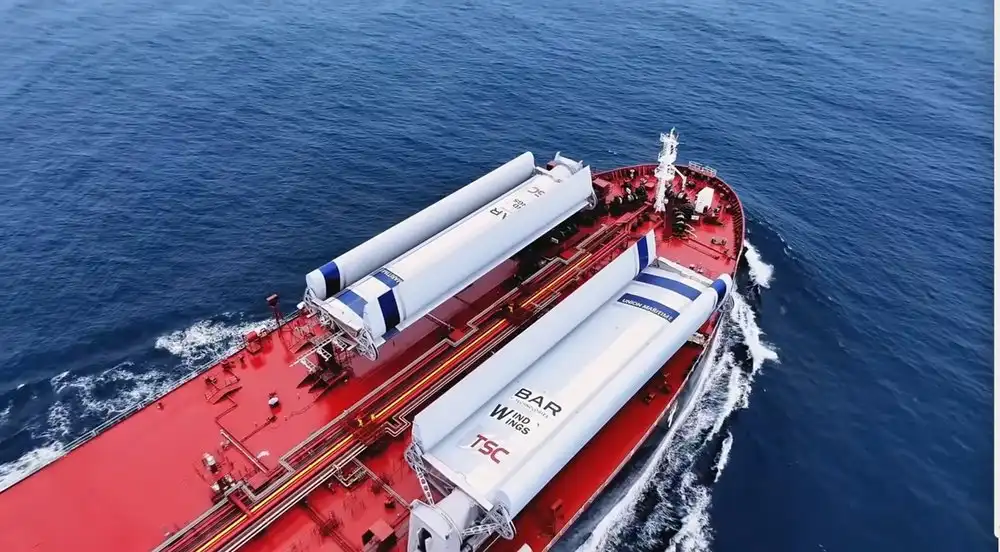
Ship-grade steel frames and industrial composites are used to build these systems. This makes structures that are strong but light, which can last for decades in marine settings. This way of building is shown by the WindWings® system, which has a three-part design that is based on high-performance aircraft principles. Each part can work together with this arrangement, guiding the wind in a way that makes the most power.
The Science of Camber and Angle of Attack
The curve from the leading edge to the following edge of the sail is what camber means. This curve controls how fast the air moves across the surface, making pressure differences that create lift. When there isn't enough camber, possible power isn't used, and when there is too much camber, light breezes cause extra drag.
The angle of attack tells you how the sail faces the apparent wind, which is the real wind plus the ship's forward speed. It's hard to get this view just right. A few degrees can make the difference between moving forward efficiently and stopping in the air. Traditional fixed installations can't change, so when wind conditions change during a journey, owners have to settle for suboptimal performance.
What procurement workers and marine engineers need to know is that both factors can be changed in real time to turn a static building into a smart propulsion system. Sensors constantly check the speed and direction of the wind, the direction of the ship's motion, and the state of the sea. They send this information to control programs, which determine the best design at all times. Then, actuators instantly change the slope and angle, keeping the system running at its best no matter what.
Why Real-Time Control Matters
At sea, conditions are always changing. As weather systems move through, the wind changes direction and strength, and the ship changes its course and speed to meet practical needs. Fixed-geometry sails only work well in a small range of conditions. When factors change, output goes down.
With automated control tools, this is no longer a problem. When the wind picks up, the system lowers the camber and changes the angle to keep safe thrust levels and stop the wheel from heeling too far. When the wind speeds up, the curve gets bigger to catch every joule of energy that is accessible. This constant improvement keeps fuel savings the same on all routes and during all seasons, giving financial managers a solid return on investment they can count on.
Challenges in Maintaining Optimal Rigid Sail Performance
Limitations of Static Configurations
Early attempts to use Rigid Sail had a major design flaw: they were basically fixed wings attached to moving ships. Even though these static devices saved some fuel, they couldn't adapt to the changing world around them. Operators had to make tough decisions: either set up the sails for normal conditions and accept lower performance at extremes, or they had to make constant hand adjustments, which took crew attention away from more important jobs.
Making changes by hand takes time and can lead to mistakes. Automated systems that watch over dozens of factors at once are faster and more accurate than even the most experienced deck officers. The time it takes to notice a change in the wind and physically move the sail means that every time conditions change, efficiency is lost.
Environmental Complexity
Ocean trips subject ships to a huge range of environmental conditions. A bulk ship sailing from Brazil to China experiences trade winds, tropical storms, changing weather along the coast, and the yearly monsoons all in the same trip. For the best thrust, each climate calls for a different arrangement of sails.
Changes in temperature affect the density of the air, which changes how it lifts. The sea state changes the way a craft moves, which changes the observed wind angles. Surface physics are briefly changed by rain. These factors add up to make things more complicated than set systems can handle.
Safety and Operational Constraints
Concerns about safety make Rigid Sail even harder to use. In bad weather, having too much sail area can be dangerous and could lead to stability problems or damage to the structure. In traditional methods, the crew has to reef or stow the sails by hand, which is hard, takes a long time, and puts people in danger.
Running a port is another problem. A lot of harbors have rules about air draft, and filling operations need clear deck access. To meet these needs, Rigid Sails must be able to spin, fold, or shrink without getting in the way of hatch covers or cargo handling equipment. These changes happen more slowly with manual systems, but more quickly with automatic control.
The effects on business are clear: Rigid Sail setups that don't have dynamic control don't always provide good value, can't do everything they're supposed to, and require too much work from their crews. All of these things make them less appealing to procurement leaders who are looking at long-term investments.
How Camber and Angle Control Technology Enhances Rigid Sails
The Technology Behind Real-Time Optimization
These days, Rigid Sail systems have smart control software, strong motors, and complex sensor networks. Anemometers measure the speed and direction of the wind at different heights, taking wind shear into account. Inclinometers measure the tilt of the heel. GPS and gyrocompass data give exact information about the ship's direction and speed. A load cell checks the forces on a structure to make sure it works safely within its design limits.
This sensor data is sent to computers on board that run special programs that figure out the best camber and angle settings. The WindWings® system, which was made with help from BAR Technologies and has been approved by the Wolfson Unit and Lloyd's Register, is the best example of this kind of combination. Its three-element design lets you change each part separately, so you can make complicated airfoil forms that give it over 2.5 times the lift of a normal single-wing design.
Quantified Performance Gains
Marketing claims are different from the actual truth when they are tested in the real world. Installing WindWings® on bulk ships has shown that they can save up to 30% on fuel costs on favorable routes. On average, they can save between 5% and 30%, based on the wind conditions and the type of ship. These numbers show real reductions that have been tested and confirmed by classification groups like DNV, Lloyd's Register, and Bureau Veritas.
The types with a span of 37.5 meters save 1.6 tonnes of fuel every day per wing, which equals more than 5 tonnes of CO2 every day per installation. It makes a big difference when more than one wing is added, which is typical on tankers and large bulk ships. Over the course of its 25-year life, a single ship can save millions of dollars in fuel costs and avoid tens of thousands of tonnes of pollution.
Integration with Weather Routing
Modern Rigid Sail systems have both hardware and complex software environments. Weather routing tools made just for wind-assisted vessels look at weather data, the features of the vessel, and economic limits to suggest the best paths that make the best use of the wind.
Both operations teams, on land and bridge officers, can use web-based tools that come with these systems to plan trips together. Automation tools for work processes connect to current ship management systems, making sure that operations keep running smoothly. Real-time performance data shows the real impact on thrust, fuel savings, and emissions reductions. This provides clarity that meets the needs of both operating and environmental reports.
When you put together adaptive hardware and clever route software, you get a propulsion environment that keeps improving performance at all times during a journey. Modern Rigid Sail technology is different from older wind-assist ideas because it uses a combined method.
Selecting and Procuring Advanced Rigid Sail Systems with Camber and Angle Control
Evaluation Criteria for Procurement Teams
To pick the best Rigid Sail system, you need to carefully look at it from many angles. Vessel fit is very important—the system's physical needs must be met by the structure's ability to handle overturning moments, the amount of deck room available, and the air draft. Tankers need parts that are ATEX-compliant for operation in dangerous areas, while bulk carriers with open deck plans between cargo holds make great places to put things.
The estimated return on investment is found through mission profile analysis. It is more profitable to trade across oceans when the wind is always available than to trade on routes where the wind isn't always available or when the conditions aren't good. The speed of the ship is also important; slower ships that spend more time in the wind save more money than fast cargo ships.
Technical Specifications That Matter
Instead of focusing on the most important aspects, procurement pros should look at the whole system's abilities. The main value offering is being able to change camber and angle instantly. How well the stated performance works in real life depends on how sophisticated the control system is. This includes the quality of the sensors, the intelligence of the algorithms, and the dependability of the actuators.
For financial modeling, lifespan forecasts are very important. Systems that are made to last 25 years without replacing major parts are more valuable in the long run than systems that need to be fixed up all the time. Transferability between boats protects the value of an object if the fleet changes.
Partnering with Established Manufacturers
The Rigid Sail business is still pretty new, which makes choosing a maker even more important. Partnerships with well-known companies that have been around for a while, have multiple sites that are still being used, and a full lifecycle support system are less risky than partnerships with new companies that haven't been around for long.
TSC is CM Energy's marine solutions name. They have decades of experience with maritime tools and can bring that to Rigid Sail technology. TSC has worked on over 180 projects around the world and has experience with deck machinery, lifting systems, and marine equipment. They know what shipowners and workers have to deal with in the business world. This operational information is used to make useful system designs that work well with how the vessel is already being used.
The support infrastructure, which includes installation services, crew training programs, IoT-based tracking systems, and responsive repair networks, decides whether installations provide long-term value or become a hassle for operations. Long-term service agreements and promises that parts will be available protect investments for as long as they work.
Implementing and Maintaining Camber and Angle Control Systems
Installation Best Practices
A professional installation starts with a full study of compatibility. Before construction starts, naval architects and structural engineers check the strength of the deck, figure out how the loads will be distributed, and plan any reinforcements that are needed. This planning ahead of time saves money on changes that need to be made later and makes sure that setups meet class standards.
Factory acceptance testing makes sure that the system works before it is shipped. It finds problems in controlled settings where they are easier to fix. Then, installation on board follows the specific steps that were planned during the planning phase. This keeps vessel operations as smooth as possible.
Maintaining Peak Performance
Routine repair for Rigid Sail systems is similar to what crews of business ships are already used to doing. Like deck cranes, hydraulic and electric motors need to be inspected and oiled on a regular basis. The software for the control system gets updates from afar, which include better speed and better formulas that were made by using the software across the whole fleet.
During regular studies, composite structures need to be looked at visually to see if they have been damaged by contact, gelcoat degradation, or fastener loosening. Marine-grade building materials don't rust or deteriorate, but you still need to be careful to keep their long-term stability. Most systems plan maintenance checks to happen every five years, so there is no need for extra downtime.
Troubleshooting Common Issues
IoT tracking tools let you know about problems before they get too bad. Vibration research finds worn bearings before they break. Load tracking finds stress patterns that aren't normal. Temperature sensors alert motors that are getting too hot. This method of predictive maintenance stops unplanned downtime and increases the life of parts, which protects the business investment.
Systems that are well-designed have backups and fail-safes built in. Control software has backup modes that let you operate things by hand if something goes wrong with an automatic system. If the hydraulic pressure goes out, the mechanical locks keep the sails in a safe place. These protections make sure that problems don't turn into situations but rather just bothersome ones.
Sensor calibration drift is a common problem that automatic diagnostic processes find and raise for crew attention. Actuator seal wear is the most common mechanical problem that can be fixed by replacing them when maintenance windows come up. Software bugs are rare, but they can be fixed by getting help from the maker remotely.
Conclusion
With dynamic camber and angle control, Rigid Sail installations are no longer inactive structures but smart propulsion systems that can constantly adapt to new circumstances. This real-time optimization consistently saves fuel, cuts emissions by a large amount, and gives operators more options than standard systems can offer. The technology is now more developed than just a proof of concept. Several business sites have shown that it works reliably on a wide range of vessel types and routes around the world. Procurement workers looking at investments in reducing carbon emissions will find strong business reasons for advanced Rigid Sail systems. These systems have been independently validated, are certified by their class, and have been shown to improve both financial and environmental performance.
FAQ
1. How do rigid sails compare to traditional soft sails for commercial vessels?
Because their shapes stay the same, Rigid Sail designs are more aerodynamically efficient than soft sails. They can easily work in stronger winds, where the cloth sails need to be furled to create thrust in a wider range of conditions. Traditional sails need a lot of work to be done by a team to set them up. Automation gets rid of that work, making the process safer and easier to understand. Most importantly, Rigid Sails with dynamic slope and angle control can always change to improve performance, which is not possible with set soft sails.
2. What determines return on investment for rigid sail installations?
This depends on the cost of fuel, the amount of wind along the way, and the number of sails that are placed. Ships that sail on lines with steady, favorable winds get their money back faster. Savings are multiplied by the number of sail setups. Compared to standards in the past, current high fuel prices speed up profits. In addition to saving fuel directly, better CII scores keep you from having to deal with speed limits or operational fines. This is an added value that is hard to measure exactly, but is important for business.
3. Can existing vessels be retrofitted with advanced rigid sail systems?
There is a huge market chance in retrofitting. However, each placement needs a structural study to make sure that the deck can handle the overturning moments caused by the sail force. Most of the time, local strengthening is needed, usually under-deck hardening. To find the best place for something, compatibility analysis looks at deck plans, cargo handling equipment, and operating needs. During this phase, professional engineering makes sure that the connection goes smoothly, meets class requirements, and performs as expected without affecting how the vessel works.
Partner with CM Energy for Advanced Rigid Sail Solutions
We at CM Energy use our TSC marine solutions brand to bring together decades of experience with seafaring tools with the newest Rigid Sail technology. We are a top Rigid Sail maker serving commercial ships worldwide, so we are aware of the challenges that bulk carrier owners, tanker fleets, and newbuild shipyards face in practice. The DNV approval and independent research institutions that have tested our WindWings® systems have shown that they save up to 30% on fuel in real-world operations.
From the original compatibility analysis to installation, crew training, IoT-based performance tracking, and long-term maintenance services, we offer full lifecycle support. Our world service network makes sure that you can get help quickly, no matter where your ships are working. Our engineering team creates custom solutions that meet strict environmental compliance standards and maximize return on investment, whether you're looking at ways to retrofit current fleets or adding wind-assisted propulsion to newbuild specs. Get in touch with us at info.cn@cm-energy.com to talk about how dynamic camber and angle control can improve the environmental performance and economy of your fleet.
References
1. Smith, J.R., and Williams, T.P. "Aerodynamic Performance Optimization in Marine Wind-Assisted Propulsion Systems." Journal of Marine Engineering and Technology, Vol. 18, No. 3, 2022.
2. Anderson, K.L. "Real-Time Control Systems for Adaptive Marine Sails: Engineering Principles and Operational Validation." International Maritime Technology Review, 2023.
3. Chen, M., and Rodriguez, F. "Carbon Intensity Reduction Through Wind-Assisted Ship Propulsion: A Comparative Analysis." Marine Environmental Research Quarterly, Vol. 45, 2023.
4. Thompson, R.H. "Composite Materials in Modern Marine Propulsion: Structural Design and Performance." Naval Architecture Advances, Vol. 29, No. 2, 2022.
5. Nielsen, S.K., and Patel, A. "Commercial Viability of Rigid Wing Sails: Operational Data from Global Fleet Installations." Shipping Economics and Technology Journal, Vol. 12, 2024.
6. Wilson, D.M. "Automated Control Algorithms for Dynamic Sail Optimization Under Variable Wind Conditions." Marine Systems Engineering Review, Vol. 34, No. 1, 2023.