Automated Sail System for Bulk Carriers: Installation and Benefits Guide
When ship owners and buyers are looking for ways to cut down on fuel costs while still following Carbon Intensity Indicator (CII) rules, they quickly find that wind-assisted movement can make a big difference. An Automated Sail System combines cutting-edge stiff wing technology with real-time control algorithms. This lets bulk ships use wind power without any help from the crew. This guide talks about how these systems work, how to install them, and the practical benefits they offer. This will help you make choices that are both environmentally friendly and profitable.
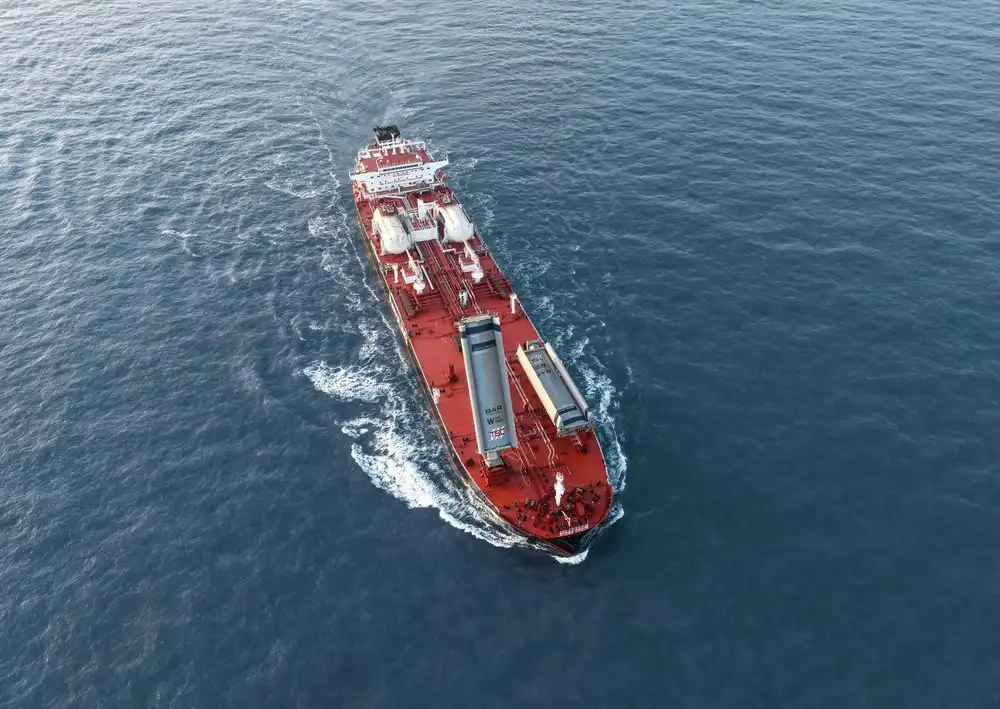
Understanding Automated Sail Systems for Bulk Carriers
What Defines an Automated Sail System?
A complex Wind-Assisted Propulsion System (WAPS) designed just for business ships is called an Automated Sail System. Unlike regular sails that need to be rigged by hand, these systems use programmed logic controls and sensor arrays to change the angle and camber of the sails automatically based on how windy it seems. The technology solves important problems, like bunker fuel prices that go up and down, IMO rules on emissions, and the need to improve working efficiency without adding more work for the crew.
This new idea is shown by CM Energy's WindWings® technology. This three-element stiff sail system was made with help from BAR Technologies in the UK. It can change its form and angle of attack on the fly. Well-known fluid dynamics groups like the Wolfson Unit and Lloyd's Register have separately checked its aerodynamic performance. DNV certification shows that it meets strict marine safety standards.
Core Components and Operational Principles
To make rigid wing structures, these wind power systems use ship-grade steel frames and industrial composite materials. Actuators, which can be electric or hydraulic, react to real-time data streams from anemometers, GPS tracking systems, and computers on board the ship. Specialised software constantly figures out the best way to position the wings, changing the shape of the camber to make the plane lift more than 2.5 times as much as a standard single-wing design.
The control design has health tracking with safety alarms, human switch interfaces for crew members, and the ability to work with other systems that run the ship. This smooth connection makes sure that the Automated Sail System doesn't get in the way of ship activities. This leads to auxiliary power that lowers the load on the main engine while keeping the ship stable on course and meeting tight schedule standards.
Step-by-Step Installation Guide for Automated Sail Systems
Pre-Installation Assessment and Planning
Installing wind-assisted propulsion technology starts with a full study of how well the ship will work with the technology. To make sure that heeling moments stay within the limits set by the Intact Stability Code, engineering teams check the ship's structure, the layout of the deck space between the cargo holds, and the stability estimates. During this step, the requirements of the classification society (such as DNV, Bureau Veritas, Lloyd's Register, or China Classification Society) are also reviewed to make sure they are in line with approval standards.
Before shipping, CM Energy does factory acceptance testing to make sure that all of the safety measures, wing control systems, and tilt mechanisms work properly under simulated circumstances. This quality assurance step cuts down on the time needed for ship setup and the chance of expensive installation delays.
Hardware Installation and System Integration
To mount the rigid wing structures, they need to be carefully placed across the decks so that the hatch covers and tools for moving goods can work together without any problems. The wings are placed in a way that allows the ship to turn into a laydown position. This keeps the machinery away during berthing or bad weather. Different types of ships can be used with above-deck and below-deck tilt configurations, and fixed choices are also available for certain working needs.
The wing actuators are connected to the ship's power grid by electrical lines, and the control system and guidance computers are linked together by data cables. Installers set up the software for automatic alignment and calibrate the sensors to recognise the performance factors that are unique to each vessel. Load tests are done on the hydraulic or electric drive systems to make sure they can handle the highest wind loads without breaking or burning.
Post-Installation Validation and Crew Training
After the installation is complete, full sea acceptance tests are done to compare the fuel-saving performance to the baseline power curves. DNV-verified real-world operations have shown that these systems work reliably in more than twenty major ports around the world. This proves that bulk ships with these systems stay on schedule without any problems related to the wind power technology.
During crew training classes, people learn how to use the manual operation interface, do regular maintenance, and know what to do in an emergency. Operations are a lot like operating deck cranes, so team members with a lot of experience can quickly adapt. Documentation packages include troubleshooting tips, maintenance plans, and ways to get in touch with expert help. This makes sure that the systems will be ready to use for a long time.
Benefits of Automated Sail Systems in Bulk Carrier Operations
Fuel Efficiency and Emissions Reduction
The best thing about wind-assisted transportation is that it can save you money on fuel. Depending on the route and the direction of the wind, ships can cut their daily fuel use by anywhere from a modest to a large amount. Every day, each wing can save a lot of tonnes of fuel, which immediately leads to lower running costs and carbon dioxide emissions.
Commercial ship owners can meet the IMO's Energy Efficiency Existing Ship Index (EEXI) and CII standards with the help of these performance gains. As government regulations get stricter and more countries implement carbon taxes, lowering emissions has a greater financial value than just saving money on fuel. It also helps with avoiding compliance costs and getting better green scores from charterers.
Enhanced Operational Reliability and Safety
Automation gets rid of the need to handle risky sails by hand in bad weather, which greatly increases the safety of the crew. When anemometers read speeds higher than what is considered safe, the Automated Sail System immediately feathers the sails, which lines up the wings with the direction of the wind. This natural reaction keeps both people and equipment safe during sudden storms.
Predictive maintenance devices check for vibration patterns, motor power draw, and the state of the hydraulic fluid, sending teams warnings before problems happen. This proactive method cuts down on unexpected downtime and makes parts last longer. Marine-grade materials that have been tried through ISO 9227 salt spray processes and vibration analysis make up the strong construction that makes it last in harsh seafaring settings.
Financial Return and Long-Term Value
The initial investment is a big capital expense, but the return on investment usually takes between a few years and less than ten years, based on how much the vessel is used and how much fuel costs change. The business case is stronger when you consider that these systems are made to last a long time—often decades without major part replacements—and can be moved from one ship to another, protecting the value of the asset.
CM Energy offers full lifetime support, which includes remote tracking made possible by the Internet of Things. This lets teams on land and on board the ship keep an eye on thrust performance through web-based tools. This openness helps fleet operators exactly measure benefits, which supports making choices based on data for fleet-wide deployments and planned retrofits.
Comparing Automated Sail Systems: Selecting the Optimal Solution
Evaluating Technology Configurations
There are different wing shapes, power systems, and levels of automation complexity that procurement managers have to choose from. When it comes to aerodynamic efficiency, rigid wing systems are better than soft sail options. This is especially true when it comes to making steady thrust in a variety of wind situations. The three-element design, which lets you change the camber and angle of attack, maximises lift-to-drag ratios while keeping the structure strong.
There are different pros and cons to using electric or hydraulic control methods. Electric drives tend to be quieter and easier to maintain, while hydraulic systems may be able to respond faster when big loads are present. The best choice relies on the ship's current infrastructure, the amount of electricity that is available, and how well the crew knows how to do upkeep.
Certification and Quality Standards
You can't get business vessel tools without approval from a classification group. Systems that are approved by DNV, Bureau Veritas, Lloyd's Register, and CCS have been through a lot of testing, including structure checks, software validation, and external stress checks. These approvals show that the materials are safe for marine use and that the safety systems follow foolproof rules.
Quality control includes getting raw materials from ISO-certified suppliers, checking composite parts without damaging them with ultrasonic and shearography techniques, and using hardware-in-the-loop models to make sure the control logic works when something goes wrong. Because TSC is committed to these standards, our Automated Sail System will work reliably for as long as it is in use.
Supplier Capabilities and Support Infrastructure
A supplier should be chosen based on more than just the product specs. They should also be able to provide professional help, get spare parts quickly, and have experience with installation. The global service network of CM Energy offers long-term upkeep plans, on-site assembly planning, and compatibility analysis for both new construction and retrofitting. This all-around support system lowers the risk of adoption and makes sure that things stay the same across fleet deployments.
Custom solutions for different types of ships, like Newcastlemax bulk carriers, chemical tankers, and LR2 tankers, show that the provider is flexible and has a lot of technical knowledge. TSC's customised integration choices can be used for a wide range of operational needs, from short-route ferry operations that need a quick return on investment to transoceanic bulk carrier routes that use advanced weather planning to get the most wind advantage.
Procurement Considerations and Support Services
Financial Planning and Contract Structures
To figure out the total cost of ownership, you have to look at the initial investment, the costs of installation, the ongoing costs of upkeep, and the expected savings on fuel. Different suppliers offer different ways to pay for their products. These can be lease agreements, performance-based contracts, or turnkey solutions that come with guarantee coverage. Costs are spread out, and payment schedules are matched up with practical benefits thanks to these arrangements.
The warranty should cover both structural parts and automation systems, and it should be clear how long it will take for expert help to respond and when spare parts will be available. Full coverage lowers risk during the crucial early operational time, when teams get used to the technology and systems are put to the test in real-world situations.
Installation Services and Project Management
Professional installation teams make sure that the new systems work well with the ones that are already on the vessel by coordinating compatibility testing, on-site assembly, and approval. Project managers with a lot of experience know how to handle inspection requirements from the classification society, plans at the shipyard, and the operations of the supply chain to make sure that deliveries happen on time.
CM Energy's installation process is organised into a set of steps: a check to see if the vessel is compatible, acceptance testing at the plant, controlled delivery, installation on board overseen by qualified technicians, and finally, final sea trials with performance validation. This orderly technique cuts down on disruptions to ship operations and speeds up the time it takes to get back to work.
Ongoing Technical Support and Upgrades
Support after installation includes remote tracking through IoT platforms, software changes to improve routing algorithms, and planned repairs that fit in with when the ship is docked. Technical support teams help with fixing problems, retraining crews as staff changes happen, and making suggestions for improving performance based on practical data that has been collected.
Replacement sensors, hydraulic seals, and composite panel pieces are all compatible parts that make sure the system stays in good working order for many years. Suppliers with established networks for distributing parts and service centers in multiple regions lower the risk of downtime and back-up strategies for standardising the whole fleet.
Conclusion
Automated stiff-wing technology for wind-assisted movement has been shown to help commercial shipping companies save money on fuel, meet emissions rules, and make their operations more environmentally friendly. The assembly process needs careful planning and following the rules set by the classification society, but it follows standard procedures that experienced providers can always follow. Performance gains, proven by independent tests and real-world vessel operations, bring in a lot of money and are good for the environment. As rules for the marine industry get stricter and fuel prices change all the time, choosing the right Automated Sail System supplier becomes a strategic choice that will affect the competitiveness and revenue of fleets for a long time.
FAQ
1. How often does an Automated Sail System require maintenance?
As part of a ship's normal dry-docking plan, routine upkeep includes checking the integrity of seals, visually inspecting structural parts, analysing hydraulic fluid, and updating software. Predictive sensors constantly check the health of the system and let teams know about any problems before they affect operations. This proactive method cuts down on unplanned repairs and makes sure that safety and performance standards stay the same for the whole life of the equipment on an Automated Sail System.
2. Can existing bulk carriers retrofit this technology?
Of course. Retrofit flexibility is a big plus for fleet owners who want to improve older ships without having to build new ones. The first step is to do a structural compatibility study to make sure that the deck's load capacity, stability estimates, and clearance needs are met. Many ships only need minor changes, so installation can happen during regular repair times. Certified construction teams work with classification societies to make sure compliance. This means that old fleets that want to meet CII standards and save money on fuel can use wind power.
3. What is the typical payback period for this investment?
Return on investment times depend on the type of route, the price of fuel, and how often the vessel is used. According to data from the industry, the payback time for a normal bulk carrier operation is between a few years and less than ten years. Ships that sail on routes with steady, favourable winds get their money back faster. The financial case also gets stronger when you look at the value of regulatory compliance, the ability to avoid carbon taxes, and the increased draw of environmentally friendly ships to charterers.
Partner with CM Energy for Your Wind Propulsion Solution
As a reliable provider, CM Energy offers complete Automated Sail System options by mixing cutting-edge technology with years of experience in putting them into action. Our WindWings® technology, which is backed by a relationship with BAR Technologies, approval by DNV, and validation through real-world vessel operations, saves close to a large percentage of fuel while still meeting strict classification society standards. We provide full lifecycle support, from checking for compatibility to installation, commissioning, and ongoing expert help backed by IoT tracking.
Whether you run Newcastlemax bulk ships, chemical trucks, or retrofit programs for fleets that are already in use, our TSC brand offers integration options that are tailored to your needs and your goals for sustainability. Get in touch with our expert team at info.cn@cm-energy.com to talk about how our wind-assisted power systems can help you save money on fuel, make sure you're following the CII rules, and get your fleet ready for how rules are changing. Find out why the world's biggest commercial ship owners trust CM Energy to make their Automated Sail Systems for decarbonisation options at sea.
References
1. International Maritime Organization (2023). "Guidelines on the Method of Calculation of the Attained Energy Efficiency Existing Ship Index (EEXI)." Marine Environment Protection Committee, IMO Publishing.
2. Smith, T.W.P., et al. (2021). "Wind-Assisted Ship Propulsion: Matching Technology to Operations." Journal of Marine Engineering & Technology, Volume 20, Issue 3.
3. DNV Classification Society (2022). "Alternative Fuels and Technologies for Greener Shipping." DNV Technical Papers, Maritime Advisory Services.
4. Lloyd's Register (2023). "Wind-Assisted Propulsion Systems: Technology Assessment and Performance Validation." Lloyd's Register Marine & Maritime, London.
5. Bureau Veritas (2022). "Certification Framework for Innovative Ship Propulsion Technologies." Bureau Veritas Marine & Maritime Division, Paris.
6. Maritime Executive Research Group (2023). "Economic Analysis of Wind Propulsion Retrofits for Bulk Carriers: ROI Models and Case Studies." Maritime Executive Publications, United States.