Methanol Feed System Uses in Marine Fueling
As the maritime industry accelerates toward sustainable energy solutions, Methanol Feed System technology has emerged as a cornerstone for modern marine propulsion. These specialized fuel delivery systems enable vessels ranging from bulk carriers to offshore support vessels to harness methanol's environmental benefits while maintaining operational reliability. The implementation of methanol-powered systems addresses critical industry challenges including emission reduction mandates, fuel cost optimization, and compliance with evolving international maritime regulations.
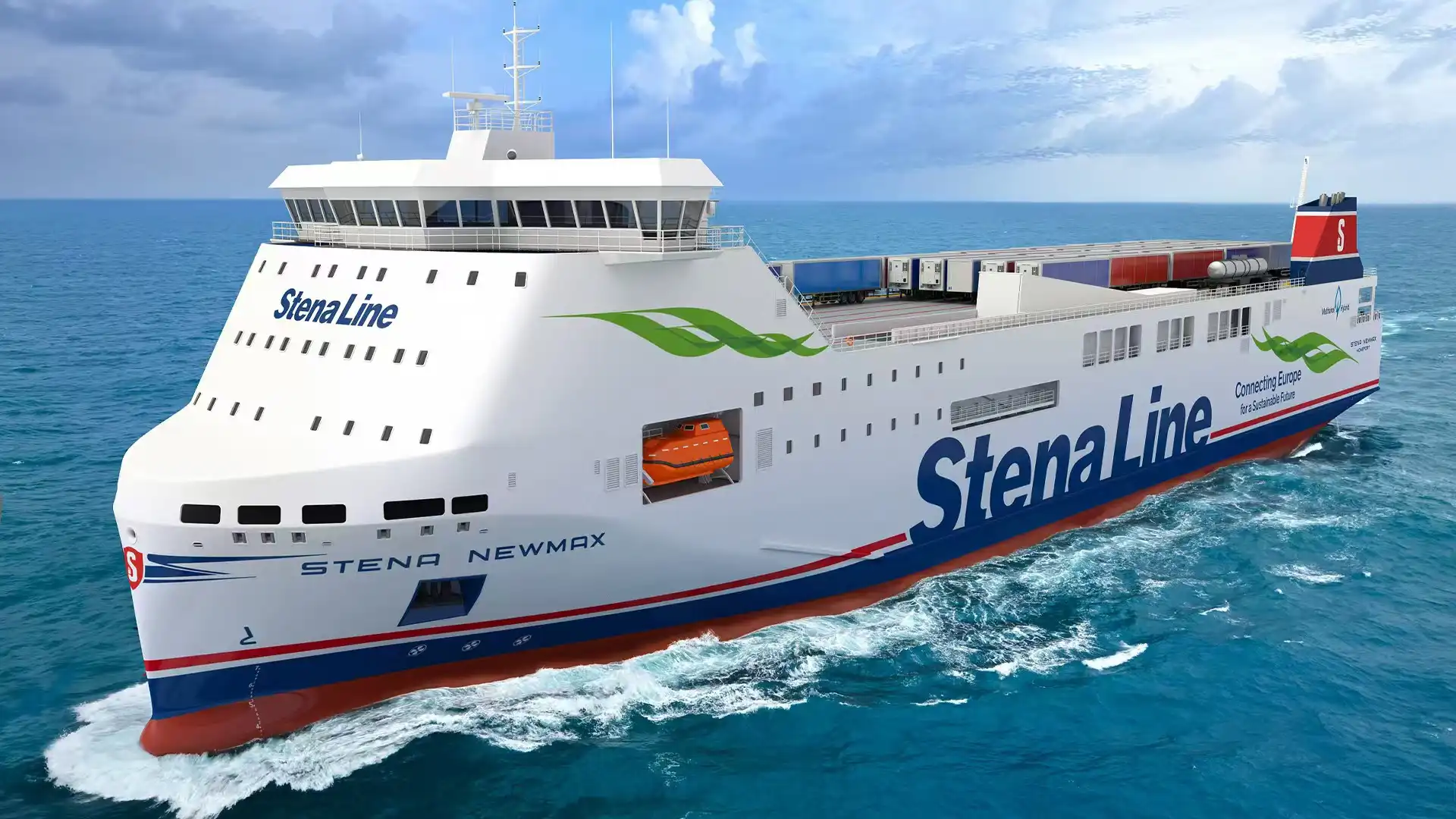
Overview of Methanol Feed Systems in Marine Fueling
The switch to sustainable marine fuels is one of the most important changes in seafaring technology since diesel engines were first used. Methanol is a particularly good option because it has a smaller impact on the environment, is cheaper than regular naval gas oil, and works with engines that are already in use. Methanol is different from heavy fuel oil systems because it has special chemical properties, such as a low flash point, high gas pressure, and corrosive qualities. It needs to be handled in a certain way.
Marine Methanol Feed System designs are very different from standard fuel systems in terms of the materials they are made of, the safety features they have, and how they work. These systems have to work with the fact that methanol can dissolve some elastomers while also keeping air from building up in small areas. The problems with integration go beyond just switching fuels; they require a complete rethink of the parts that store, move, and transport fuels to make sure they work safely and efficiently in harsh marine conditions.
Chemical Properties and Marine Applications
Understanding how methanol reacts chemically is the first step in designing a system that works well. Because methanol is made up of molecules that are structured like CH3OH, it burns well but is difficult to handle. Because it is hygroscopic, the fuel easily takes water from the air around it. This could affect how well it burns and means it needs to be stored in a certain way. When planning how to handle fuel for long trips, marine operators need to keep these qualities in mind.
System Integration Challenges
Modern methanol fuel systems work well with automation systems on ships and let you check the quality of the fuel, the pressure, and safety factors in real time. Integration is very different for newbuild setups and upgrade uses. Often, retrofit projects need major changes to the fuel infrastructure that is already there. For integration to go smoothly, companies that make fuel systems, engines, and dock workers must carefully work together to make sure that everything works at its best.
Design Principles and Safety Standards for Marine Methanol Feed Systems
International seafaring organizations have set very strict safety rules for marine methanol fuel systems that they must follow. The International Maritime Organization's (IMO) International Code of Safety for Ships using Gases or other Low-flashpoint Fuels (IGF Code) has detailed rules for designing, installing, and running methanol systems. By following these standards, sailboat owners can make sure they meet their insurance requirements and protect the safety of their crew and the surroundings.
The design of safety systems is based on keeping methanol smoke from building up and dealing with possible leak situations. Methanol Feed System designs usually include double-walled pipes with monitoring of constant ventilation, automatic shutdown, and emergency reaction plans. Gas detection systems constantly check the levels of methanol in machinery rooms and take instant safety action when certain levels are passed.
Corrosion Management and Material Selection
Because methanol is toxic, the fuel system needs to be made with carefully chosen materials. Stainless steel types that are designed to work with methanol provide the best longevity, and special elastomers don't break down when exposed to methanol for a long time. Advanced metallurgical methods are used by companies like CM Energy that make components to make sure systems last in harsh marine settings. Patented material processes and coating applications on TSC brand parts make them very resistant to rust caused by methanol.
Regulatory Compliance Framework
International marine rules are still changing to deal with the use of different fuels by all of the world's ships. The SOLAS International Bulk Chemical Code gives more rules for ships that carry methanol as cargo and use it as fuel. This makes it harder for chemical trucks and specialized carriers to follow the rules. Safety standards are always being met as long as a vessel is in use, thanks to regular inspection procedures and licensing requirements.
Comparing Methanol Feed Systems with Alternative Fuel Feed Systems
The Methanol Feed System technology has clear benefits over other alternative fuel options that ship operators can use right now. Unlike hydrogen fuel cells, methanol systems don't need as much complicated storage equipment and can run for longer distances with more energy. Because methanol is liquid at room temperature, it doesn't need to be stored in a cold environment like LNG systems do. This cuts down on both the cost of capital and the complexity of running the system.
Automated methanol delivery systems accurately measure the amount of fuel that an engine needs to run at its best under different loads. Advanced control systems change the rate of fuel flow automatically based on what the engine needs. This keeps the air-fuel ratios at the best level for efficient burning. Manual backup systems make sure that operations keep going even when automation systems need to be fixed or when they stop working for no reason. This is important for business vessel operations because it provides operational redundancy.
Energy Density and Storage Efficiency
When methanol is at room temperature and pressure, it is liquid, which makes it much easier to store than gaseous forms. The volumetric energy density lets ships keep their operational range while storing fuel in an acceptable amount of cargo area. Methanol is a good fuel for bulk carriers that travel transpacific lines because it can be stored efficiently and easily added to existing ships without major changes.
Engine Compatibility and Performance
When they are equipped with the right fuel supply methods, modern marine engines work very well with methanol fuels. Dual-fuel engines can switch between running on methanol and regular diesel without any problems. This gives operators more options when fuel supplies change or there is an emergency. While heavy fuel oil operations require more upkeep, methanol operations require less because of its clean burning properties. This means that engine parts last longer.
Procurement Guide: Sourcing Methanol Feed Systems for Marine Fueling
To find methanol fuel system providers you can trust, you need to look at their technical skills, knowledge in the field, and support infrastructure. Leading makers can show that their products work by installing them successfully on a wide range of vessels, from container ships to offshore platforms. Certifications, such as DNV approval and ISO compliance, are objective ways to judge the skills of a seller and the dependability of a product.
CM Energy stands out among Methanol Feed System makers, through extensive experience building dual-fuel vessels and developing unique fuel systems. The company offers a wide range of services, such as combined fuel supply systems for LNG and ammonia, as well as specialized systems for moving cargo. CM Energy has completed several successful installations of methanol fuel supply systems, including work for large foreign operators. These projects show that they have the technical knowledge and manufacturing skills needed for difficult marine fuel system projects.
Technical Specification Considerations
Professionals in procurement must carefully look at how much system power is needed based on how the vessel is used and the engine's specs. Flow rate limits, pressure requirements, and turndown ratios all have a big effect on how well a system works in different operating situations. Modular system designs make it possible to add on to or change the layout of a system in the future as operating needs change.
Supplier Evaluation Criteria
A full review of a seller looks at their technical skills, quality certifications, and infrastructure for after-sales assistance. Leading sellers are often able to tell the difference between commodity sources and those who can provide customized solutions that meet the needs of each vessel. TSC brand systems are a good example of this method because they have a lot of configuration choices and full expert help for the whole lifecycle of the system.
Case Studies and Future Trends in Marine Methanol Feed Systems
Using the Methanol Feed System technology in the real world has shown to improve environmental performance and business efficiency in a way that can be measured. Operators of container ships say that sulfur oxide and nitrogen oxide pollution have gone down a lot while their costs have stayed the same. Offshore support boats that work in sensitive coastal areas with strict emission rules can benefit from using methanol because it has less of an effect on the environment.
The marine industry is still moving toward more advanced methanol fuel systems that use AI and can predict when repair needs to be done. The main goals for future developments are to make engines use less fuel by using more advanced control systems and to make them safer by using better tracking technologies. Regulations that push for decarbonization create a strong market need for alternative fuel options that have been tried and tested, such as methanol systems.
Performance Data and Operational Benefits
There are documented case studies that show steady fuel efficiency gains of five to fifteen percent compared to traditional marine gas oil operations. Cleaning up the combustion process and reducing engine wear both lower maintenance costs. In addition to lowering emissions, the environmental benefits include easier trash management and a lower chance of sea pollution during fuel handling operations.
Technology Evolution and Market Drivers
New technologies keep making the Methanol Feed System better by automating tasks more efficiently and making safety systems better. Integration with energy control systems on the ship makes it possible to optimize fuel use across all devices on board. Market forces, such as ways to price carbon and rules about the environment, speed up the acceptance rate across the world's shipping companies.
Conclusion
The Methanol Feed System technology is a stable and useful option for marine owners looking for environmentally friendly fuel alternatives that won't hurt their business or their ability to run reliably. Methanol is a great choice for many types of vessels and operating patterns because it has safety systems that have been proven to work, follows all the rules, and has been shown to improve performance. Partnering with experienced providers who know the complicated technical and legal rules that govern marine alternative fuel systems is key to a successful methanol fuel system application.
FAQ
1. What safety measures protect against methanol vapor accumulation?
Marine methanol fuel systems handle all the vapors by using double-walled pipe systems and watching the air all the time. When the amount of methanol gets close to safe levels, gas detection equipment instantly shuts down the system. During repair work, inert gas purging devices keep mist from building up.
2. How do methanol fuel systems handle the corrosive nature of methanol?
Methanol Feed System designs use special stainless steel metals and elastomers that can handle methanol. Manufacturers of parts use modern coating technologies and metallurgical methods to keep parts from breaking down because of rust. Protocols for regular inspections check the security of the system and find possible problems before they affect operations.
3. Can existing vessels be retrofitted with methanol fuel systems?
Retrofit setups are possible for most types of ships, but the level of difficulty depends on the fuel infrastructure that is already in place and the amount of room that is available. Installation time and dry-dock needs are cut down by modular system designs. For retrofits to work, they need to be carefully planned to make sure they work with the current engine and computer systems.
Partner with CM Energy for Advanced Methanol Feed System Solutions
CM Energy delivers industry-leading methanol fuel supply systems backed by extensive experience in clean fuel technologies and marine system integration. As a proven Methanol Feed System supplier, we offer complete solutions that include planning, production, installation, and support throughout the lifetime of a wide range of vessel types. We have a history of successfully completing multiple methanol fuel supply system installs, which shows that we can handle difficult marine fuel system projects. The performance and dependability of TSC brand parts are very high, and they are backed by DNV approval and thorough quality assurance programs. Get in touch with our expert team at info.cn@cm-energy.com to talk about your individual methanol fuel system needs and find out how our creative solutions can help your fleet switch to environmentally friendly marine fuels.
References
1. International Maritime Organization. "International Code of Safety for Ships using Gases or other Low-flashpoint Fuels (IGF Code)." Maritime Safety Committee, 2024.
2. Maritime and Port Authority of Singapore. "Technical Guidelines for Methanol as Marine Fuel." Alternative Fuel Systems Division, 2023.
3. American Bureau of Shipping. "Guide for Methanol-Fueled Ships." Marine Engineering Services, 2024.
4. Lloyd's Register. "Alternative Fuel Systems: Methanol as Marine Fuel Technical Assessment." Maritime Technology Department, 2023.
5. International Association of Classification Societies. "Requirements for Methanol Fuel Supply Systems on Ships." Technical Committee Report, 2024.
6. European Maritime Safety Agency. "Study on the Use of Methanol as Ship Fuel." Alternative Fuels Research Program, 2023.