How Methanol Fuel Supply System Works in Marine Engines?
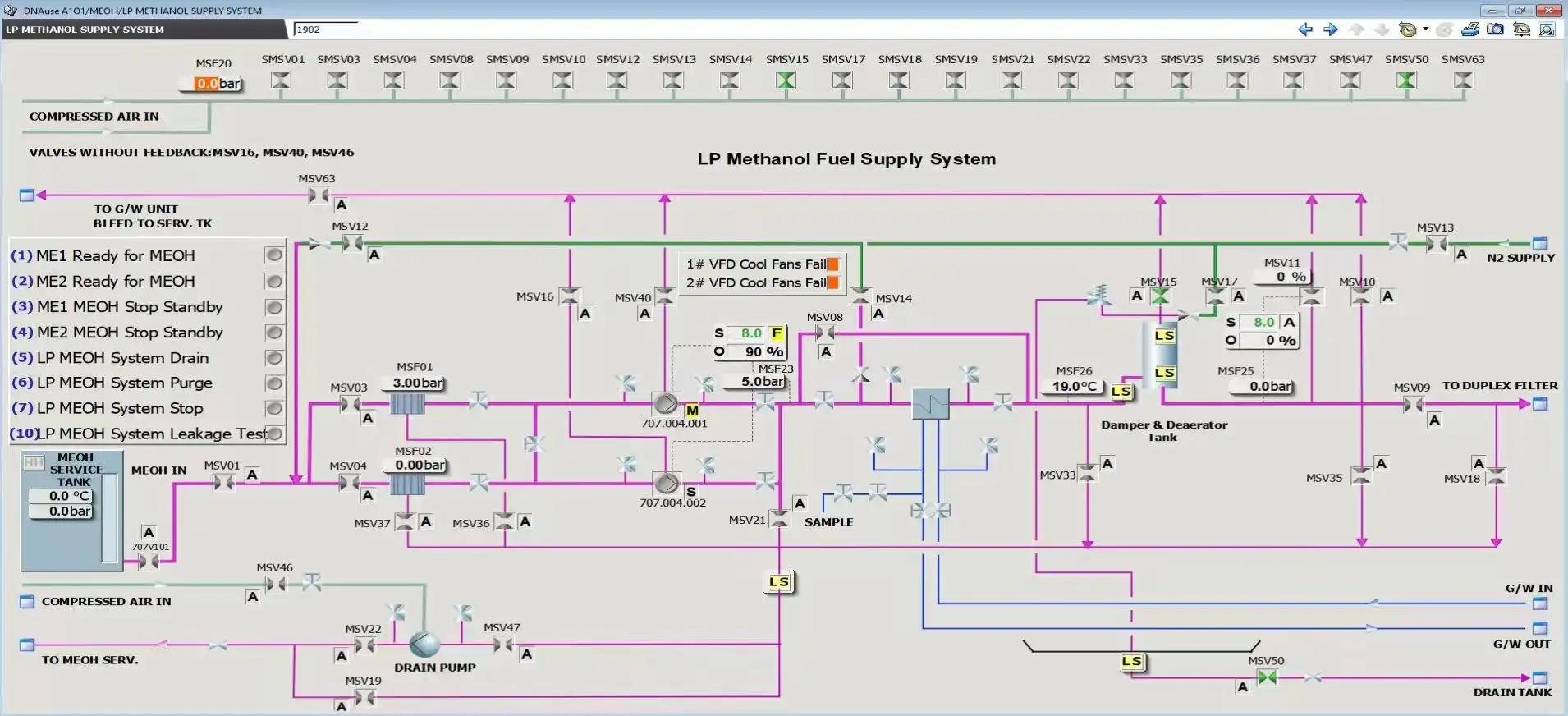
Through a network of pumps, filters, and control units, a methanol fuel supply system safely stores, conditions, and sends methanol from specifically designed storage tanks to naval engines. These advanced fuel supply solutions are different from standard diesel systems because they use double-walled pipes, the ability to purge with inert gas, and high-tech monitoring tools to deal with the special chemical properties of methanol. The system keeps the pressure and temperature exactly where they should be and makes sure that the flow rates stay the same so that the engine manufacturer's standards are met even when the load changes.
Understanding Methanol Fuel Supply Systems in Marine Engines
The marine industry's transition toward cleaner fuel alternatives has positioned methanol as a leading solution for reducing emissions while maintaining operational efficiency. It is important for ship owners looking for environmentally friendly ways to move their boats to understand how these specialized fuel delivery systems work.
Core Components and Architecture
Modern systems for delivering methanol fuel are made up of four separate operating parts that work together perfectly. The main part of the process is the methanol delivery unit, which makes sure that the pressure, temperature, flow rate, and cleanliness of the fuel meet the needs of the engine maker. This unit keeps its performance steady even when the engine is under different loads, and it works correctly during important operating steps like starting up, shutting down, and switching fuels.
The method for filling and delivering meets the strict requirements set out in the SOLAS-IBC Code for bunkering, storing, and moving methanol. Because methanol has a low flashpoint, is corrosive, and is toxic, this section uses special materials and containment procedures to deal with these issues. To keep the chemical qualities of methanol from breaking down storage tanks, they are made of corrosion-resistant stainless steel, usually AISI 316L grade.
Operational Principles and Integration
Integrating a methanol fuel supply system with marine engines needs the fuel cooling and engine control systems to work together very well. For normal uses, the system works with design pressures between 2 and 8 barG, and it stays at temperatures between 20°C and 45°C to keep the viscosity under control. This temperature range makes sure that methanol runs smoothly through injection systems and stops vaporization, which could damage engine performance.
The control and safety system keeps an eye on all operational factors all the time and sends input to the engine management computers in real time. Modern sensors can instantly pick up changes in pressure, temperature, and possible leaks, quickly taking safe actions when needed. Having the ability to shut down quickly in an emergency protects both people and the environment when things go wrong.
Advantages and Environmental Benefits of Methanol Fuel Supply Systems
Marine owners are becoming more and more aware of how much better methanol-based fuel delivery systems are than traditional fossil fuel systems. These benefits go beyond protecting the environment and include making operations more efficient and following the rules.
Enhanced Operational Performance
Compatibility with current marine engine designs is a big plus for boat owners who want to improve their fuel systems. Many well-known engine makers now make power systems that are ready for methanol and work perfectly with current methanol fuel supply system setups. This compatibility cuts down on upgrade costs by a large amount and keeps the ship from being shut down for long periods of time during change processes.
The modular design method lets you choose from different installation choices that are tailored to the needs of each vessel. Systems can be sent as separate supply parts or as fully assembled packages, so they can be used for both new construction and retrofitting. This gives shipowners the freedom to add methanol fuel systems to their ships without having to make major structural changes.
Environmental Impact and Regulatory Compliance
The burning of methanol creates a lot less pollution than burning regular marine fuels, especially NOx, SOx, and particle matter. These cuts in emissions help ships meet stricter international environmental rules for the seas, like the IMO 2020 sulfur rules and the new carbon intensity rules that are coming soon.
Because it is better for the environment, methanol adoption is a smart choice for buying managers who want to support green shipping efforts. Green methanol, which is made from renewable resources, can help make maritime activities carbon-neutral while also meeting current goals to cut emissions. This benefit of improving business performance and caring for the environment fits with company sustainability goals that are becoming more important to B2B clients.
Design and Maintenance Considerations for Methanol Fuel Supply Systems
To make methanol fuel delivery systems work, you need to pay close attention to design factors and upkeep schedules that are specific to methanol's chemical properties. By knowing these standards, tech teams can make sure that the system works well and reliably for a long time.
Materials Selection and System Integration
When choosing materials for parts of a methanol fuel supply system, corrosion protection is the most important thing to think about. Standard materials used in naval fuel systems don't always work well with methanol because it is corrosive and tends to break down seals. Specialized elastomers like FFKM or PTFE are used instead of standard NBR seals, and the building is made of stainless steel to stop formic acid corrosion.
The system design uses double-walled pipes and tracking of the annular space to keep methanol in a secondary enclosure. This way of designing takes into account worries about toxicity while also meeting the standards for chemical handling set out in both the SOLAS-IBC Code and the IGF Code. Leak detection systems constantly watch the annular area and send out instant alerts when the main containment integrity is compromised.
Maintenance Protocols and Troubleshooting
Maintenance on the methanol fuel supply system is mostly done on parts that can break down chemically or rust. It is important to check seals, gaskets, and pump parts on a regular basis because methanol is toxic. Monitoring the quality of the fuel, which includes checking for pollution and water content, needs to be done more often than with regular diesel systems.
Regular upkeep includes checking the water level, making sure the particle filter works, and seeing how much of an additive is present. These procedures make sure that the system keeps running safely and continuously throughout its service life, which helps procurement managers and engineering teams plan lifetime costs more effectively.
Comparison and Market Insights for Methanol Fuel Supply Systems
The naval fuel technology landscape offers a number of different options, each with its own pros and cons depending on the needs of the business. By understanding these similarities, you can make smart choices about what to buy that are in line with your operational goals and your budget.
Performance Analysis Against Alternative Fuels
When compared to other naval fuel options, methanol fuel supply system technology has some unique benefits. Unlike hydrogen systems, which need to be stored in cold conditions, methanol stays liquid at room temperature, which makes storage much easier and cheaper. Because of this feature, it doesn't need the special pressure tanks and constant boil-off control systems that liquefied gas fuels do.
For long-range naval uses, methanol is better than battery-electric options because it has a higher energy density. Additionally, methanol has less energy than gasoline, but it is easier to handle in terms of infrastructure needs and operating complexity than hydrogen or ammonia alternatives. Methanol is easier to use than new fuel options because of the established rules for handling chemicals and the port infrastructure that is already there.
Supplier Landscape and Market Dynamics
There are both established marine equipment makers that are growing into methanol fuel systems and specialized providers that only work with alternative fuel technologies in the current supply environment. CM Energy is one of the first companies to work in this area. They started doing research and development in late 2022 and have since successfully provided methanol fuel system options to big shipping companies.
Market trends show that there is a growing need for "turnkey" options that include designing the system, making it, installing it, and providing ongoing support. Professionals in procurement like it when providers offer full lifecycle support, from defining the system at the beginning to performing routine upkeep and replacing parts as needed. In this changing market area, the ability to find certified parts, reasonable prices, and different warranty choices all play a big role in purchasing decisions.
Safety Precautions and Regulatory Compliance in Methanol Fuel Supply Systems
To safely operate methanol fuel supply system tools, you need to know a lot about how dangerous methanol is and how to deal with its effects. Regulatory compliance protects operations and keeps companies from having to pay expensive fines for not following the rules.
Essential Safety Protocols
Due to its toxicity and flammability, methanol must be handled with strict safety measures at all times. Employee training programs need to cover the right way to handle things, what to do in an emergency, and how to use the right safety gear. Because methanol flames are odorless, they need special fire monitoring systems that can see when something is burning.
Procedures for spill control take into mind how easily methanol dissolves in water and how it might affect the environment. Emergency reaction plans include steps for quickly leaving a certain area, using special methods to put out fires, and cleaning up the environment. Regular safety drills keep the team ready for any possible disaster situations and keep the business ready.
International Regulatory Framework
The installation and use of a methanol fuel supply system are controlled by international marine rules. The International Code for Ships using Gases or other Low-flashpoint Fuels (IGF Code) from the International Maritime Organization (IMO) sets the rules for methanol fuel systems on business ships. For low-flashpoint fuel applications, this code sets out the design standards, operational processes, and safety management practices.
Classification society rules from groups like DNV, Lloyd's Register, and the American Bureau of Shipping add to the technical standards needed to certify a system. These guidelines cover the types of materials that can be used, how they should be tested, and how they should work so that they can be safely integrated with marine power systems. Procurement pros can reduce risks and support responsible buying practices by understanding these compliance requirements.
Conclusion
Methanol fuel supply system technology is a tried-and-true way to make boat transportation more environmentally friendly while still meeting government standards. Methanol is a good replacement fuel because it has many benefits, such as lower pollution, compatibility with current engines, and infrastructure needs that are easy to handle. Knowing the parts of a system, how it works, and what repairs it needs helps you make smart choices about what to buy, which leads to long-term operating success. As the marine industry moves toward cleaner fuels, methanol fuel delivery systems can help reduce emissions right away and lay the groundwork for carbon-neutral activities in the future through the use of green methanol.
FAQ
1. How does methanol fuel integration affect existing marine engines?
Most modern marine engines can run on methanol fuel with only minor changes when paired with the right fuel supply systems. During the merging process, fuel injection parts are usually upgraded, engine control software is changed, and specialized fuel conditioning equipment is put in. Engine makers like MAN Energy Solutions and WinGD make power systems that are ready for methanol and are built to work with alternative fuels.
2. What maintenance requirements distinguish methanol systems from diesel fuel systems?
Maintenance on the methanol fuel supply system is mostly done on parts that can break down chemically or rust. It is important to check seals, gaskets, and pump parts on a regular basis because methanol is toxic. Monitoring the quality of the fuel, which includes checking for pollution and water content, needs to be done more often than with regular diesel systems.
3. Which suppliers offer reliable methanol fuel system solutions in the United States market?
The North American market includes several established suppliers providing comprehensive methanol fuel system solutions. CM Energy is one of the best companies because they offer full systems, from planning and designing them to installing them and providing ongoing support. They have a history of good transfers to big shipping companies and a lot of experience with technologies for dual-fuel vessels.
Partner with CM Energy for Advanced Methanol Fuel Solutions
CM Energy provides complete methanol fuel supply system solutions made just for marine uses. These solutions combine the best knowledge in the business with tested success on a wide range of vessel types. Our TSC brand represents cutting-edge technology in environmentally friendly marine fuel systems, backed by extensive research and development investments since 2022. With successful deliveries including Stena RoRo methanol fuel system installations and comprehensive support for bulk carriers, chemical tankers, and offshore vessels, we provide complete lifecycle services from the initial design to ongoing upkeep.
With decades of experience, our engineering team knows how to build dual-fuel vessels, liquid gas carriers, and special systems for moving chemicals. The modular design method lets you make custom solutions for both new construction projects and retrofitting needs, making sure that they work well with the systems that are already on board. As a reliable provider of methanol fuel supply systems, we uphold the standards set by DNV while offering low prices and full guarantee coverage. Contact our expert team at info.cn@cm-energy.com to find out how our tried-and-true methanol fuel solutions can help you reach your sustainability goals while keeping your operations running smoothly.
References
1. International Maritime Organization. "International Code for Ships using Gases or other Low-flashpoint Fuels (IGF Code)." Maritime Safety Committee, Resolution MSC.391(95), 2015.
2. The Society of Marine Engineers and Naval Architects. "Alternative Marine Fuel Systems: Design Considerations and Safety Protocols." Marine Technology Journal, Vol. 58, No. 3, 2023.
3. Maritime Advice from DNV. A 2023 report from the Classification Society is called "Methanol as Marine Fuel: Technical and Operational Guidelines."
4. Government of the United States. The ABS Technical Publication from 2022 is called "Guide for Methanol-Fueled Ships: Design and Construction Requirements."
5. This is Lloyd's Register Marine. The 2023 LR Maritime Research Series paper is called "Alternative Fuel Systems: Comparative Analysis of Methanol, Ammonia, and Hydrogen Applications."
6. Association of Classification Societies Around the World. The IACS Technical Committee Report from 2023 is called "Unified Requirements for Alternative Fuel Supply Systems in Marine Applications."