Maintenance Requirements of Rigid Wing Sail Systems Explained for Operators
Maintaining wind-assisted propulsion systems is now very important for ship owners who want to save as much fuel as possible while still meeting strict CII compliance goals. Rigid Wing Sail technology is an advanced mechanical solution that needs special maintenance procedures to keep working well and last a long time. By learning the basics of maintenance, operators can consistently save money on fuel, cut down on unplanned downtime, and protect their investment in this game-changing naval technology. Our experience with three-element wing systems shows that regular repair leads to high working efficiency and longer service life across a wide range of vessel classes.
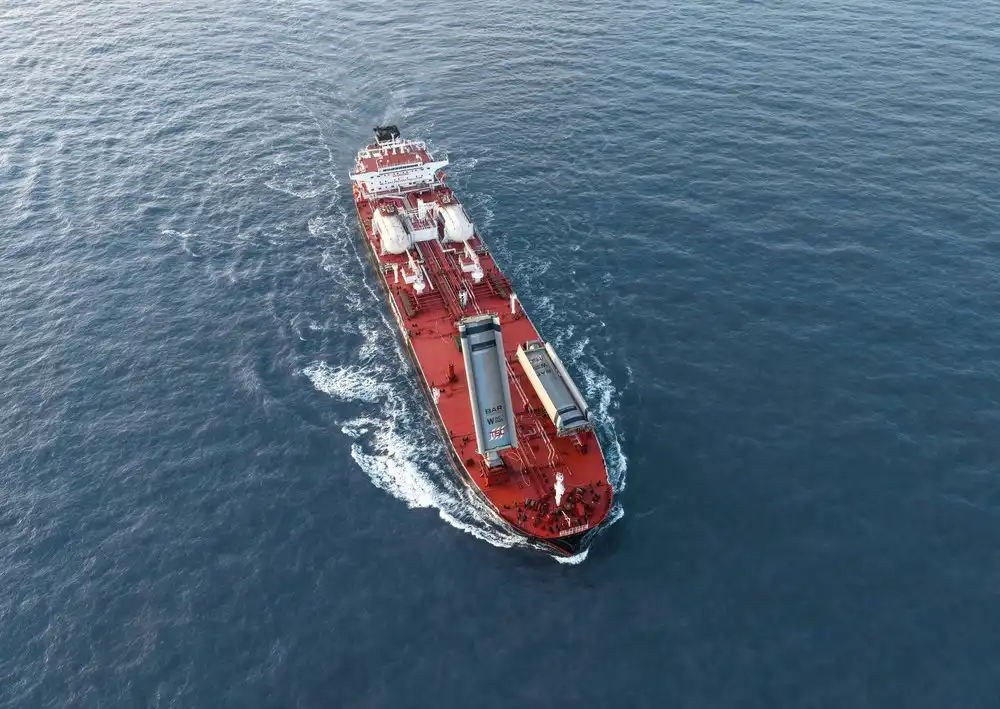
Understanding Rigid Wing Sail Maintenance Fundamentals
Core Components and Their Maintenance Impact
Wind-assisted propulsion systems are made up of several built-in parts that work together to use wind energy to make power. The framework is made of ship-grade steel and modern composite materials, which together make a strong but light assembly that is perfect for harsh marine settings. Knowing how these parts work together helps workers figure out where the most value is found in repair work.
The three-part design has camber systems that can be adjusted to improve the shape of the wings automatically based on the wind. Some of the mechanical parts in these systems that need regular maintenance are hydraulic motors, bearings, and control connections. For these systems to work, the aerodynamic surfaces must keep their exact shape so that they can have high lift coefficients. Any loss of surface quality or mechanical accuracy has a direct effect on how well fuel-saving technology works.
Why Maintenance Directly Affects Operational Efficiency
When regular maintenance isn't done, wear and tear happens faster, which lowers safety and productivity. Salt spray and marine growth on the surface make drag worse, which means that less power is produced per square metre of wing area. When mechanical parts are exposed to friction without the right lubrication, they break down early, which could mean expensive fixes during important journey steps.
Operators who stick to strict repair schedules report uniform performance measures over many years of service. The other option, reactive maintenance that happens when a system fails, causes unpredictable problems with operations and much higher lifetime costs. Strategic planning for maintenance turns these high-tech power systems from complicated setups into reliable assets that always save as much fuel as they're supposed to.
Core Maintenance Tasks for Rigid Wing Sail Systems
Systematic Visual Inspection Protocols
Regular eye checks are the basis of repair plans that work. Operators should set up inspection schedules that check the surface conditions, structural parts, and connection places at regular intervals. Modern systems have sensor networks that let you know about problems before they get worse, but trained crew observations are still the best way to find problems before they get worse.
One of the most important parts of an inspection of a Rigid Wing Sail is looking for signs of stress around fixing places where dynamic loads tend to gather during operation. The composite skin areas need to be checked for damage from impacts, delamination, or gelcoat breakdown that could let water in. It is important to check that hinge systems and turning assemblies stay aligned so that they don't wear out unevenly.
Cleaning and Anti-Corrosion Treatments
When wings are in marine settings, they are constantly exposed to salt and bacterial fouling. Setting up cleaning routines gets rid of built-up leftovers that hurt aerodynamics and speed up material corrosion. How often cleaning needs to be done varies depending on where the ship is working and the time of year. Tropical routes usually need more frequent cleaning.
Cleaning products that are approved must be safe for both composite materials and protected coats. If you do it right, high-pressure cleaning can get rid of salt layers without hurting the finish on the surface. When steel parts are treated to prevent rust, they are protected from the constant oxidative attack of saltwater. This is especially true in places where protective coats are worn down by moving parts.
Lubrication of Mechanical Systems
To keep moving parts in wind power systems from rubbing against each other and wearing out too quickly, they need to be properly oiled. Marine-grade lubricants made for hydraulic systems and bearing kits keep them running smoothly, even when the weather changes that come with going around the world. Depending on how often the machine is used, lubrication intervals should match what the maker recommends, which can be anywhere from once a month to three times a year.
As important as regularity is the right way to lubricate. When there is too much lubrication, contaminants are attracted and form abrasive compounds. When there is not enough lubrication, metals can touch each other and break down faster. Setting up regular processes that crew members can follow every time is helpful for operators, as is keeping clear records of maintenance tasks that have been performed.
Troubleshooting and Problem-Solving in Maintenance
Identifying Common Performance Issues
Operators with a lot of experience can spot the danger signs that mean repair needs to be done. Strange noises when the wing is rotating are often a sign of worn bearings or not enough grease. Slow reaction to control inputs could mean that the hydraulic system is breaking down or that there are issues with the electrical link. Cracks on the surface, especially around fasteners, need to be fixed right away to keep the structure from falling apart.
Failures of seals are another common problem that lets water into important structures. Environmental exposure, material fatigue from thermal cycles, and bad fitting during earlier repair are all things that can cause seals to break down. Compound contamination or imbalance that builds up over long periods of use is usually what causes hinge failures.
Root Cause Analysis Methods
Troubleshooting works best when you look beyond the signs and try to figure out what's really going on. When performance indicators go down, workers should look at environmental factors, operational trends, and the past of repair in a planned way. Has the ship been out in particularly bad weather recently? Were cleaning procedures pushed back because of a tight schedule? Does the wear seem to be concentrating in certain places, which could mean that the fitting wasn't done right?
Pattern recognition of Rigid Wing Sail is possible with documentation practices that keep track of repair tasks along with performance data. A ship that keeps having seal problems could not have enough drains, letting water build up. Early bearing wear could be a sign of too much load from a control system that isn't calibrated correctly. When you understand these connections, maintenance stops being just reactive repair work and turns into strategic asset management.
Preventive Intervention Case Example
A bulk carrier company that used WindWings® technology saw slight drops in performance on several trip legs. Instead of waiting for a part to break, the technical team did thorough checks that showed early signs of rust in the housings of hydraulic actuators. Targeted maintenance, like resealing parts and improving protection coatings, brought the system back to full performance and stopped it from breaking down so badly that it would have needed fixes in dry dock. This proactive approach showed how careful repair protects the big fuel savings these systems offer while keeping operations running smoothly.
Advanced Maintenance Approaches and Technologies
Predictive Maintenance Through Digital Monitoring
IoT sensor networks are used in modern wind propulsion systems to keep an eye on working factors all the time. These computer systems keep track of shaking patterns, surface temperatures, mechanical loads, and the time it takes for the control system to respond. Advanced analytics find patterns that point to problems that are about to happen long before a person could notice them. This makes condition-based upkeep possible, which makes the best use of resources.
Predictive maintenance cuts down on unplanned downtime by planning repairs for times when they are most useful, rather than waiting for problems to happen. Long-term asset management plans are also based on the data that is collected, which shows which parts wear out in ways that mean they need better design or better materials in future installations.
Component Retrofitting and Performance Upgrades
As technology changes, systems that are already in place may benefit from having parts that are better because they have been used more. Operators should keep in touch with makers to find out about retrofitting options that make things more reliable or improve performance. Better control methods, better seal designs, or better surface treatments could make it possible to extend the time between services or make them work more efficiently than was originally planned.
Quality wind power systems are modular, which means that parts can be upgraded without having to change the whole system. This method keeps capital investments safe while adding changes that make upkeep easier and boost operational benefits.
Training and Documentation Standards
Full operator training makes sure that everyone on the team knows how to do both regular maintenance and fix problems. Training programs should talk about the special features of wind propulsion technology and stress how proper upkeep directly leads to the fuel savings and pollution reductions that make system investment worth it.
Standardised ways of documenting build institutional knowledge that stays with the ship even when the crew changes or the ship moves. Digital repair logs that can be accessed by both staff on board and technical teams on land make it easier to plan support. Well-documented repair records also raise the worth of a vessel during talks for charter or resale by showing that the assets were cared for in a planned way.
Selecting Maintenance Services and Partnering with Rigid Wing Sail Suppliers
Evaluating Service Provider Capabilities
When picking repair partners, you need to look at how knowledgeable they are about new marine propulsion systems. Providers should show that they know how to fix composite materials, service hydraulic systems, and figure out what's wrong with control systems. Classification society certifications show that a company meets marine quality standards, and customer examples show how well the company does in the real world.
Geographic service availability is important for ships that travel around the world of Rigid Wing Sail. Maintenance companies with foreign networks can provide the same level of service quality no matter where the port is located. Response times for expert help and the availability of spare parts have a direct effect on working efficiency, which makes them important criteria for evaluation.
Balancing Cost and Reliability Considerations
Maintenance costs are ongoing costs of doing business that owners naturally try to keep as low as possible. But aggressive cost-cutting that puts off needed upkeep will raise total lifetime costs in the end by speeding up component failures and degrading faster than planned. Investing in good care leads to longer component lives, steady performance, and the preservation of system value.
Cost structures that are clear and separate necessary repairs from changes that aren't required help owners make smart choices. Financial predictability is important for managing budgets well. Service agreements that include clear procedures for dealing with unplanned problems and set prices for planned upkeep are good examples of this.
OEM Partnership Advantages
Working directly with original equipment makers is a great way to keep complex transportation systems in good shape. OEM partners give customers access to original extra parts that are made to exact specs, so there are no worries about connection issues that come with aftermarket options. Technical help from the engineers who created the systems makes sure that problems are correctly diagnosed and solutions work.
Comprehensive manufacturer support services are shown by CM Energy and our TSC name. As part of our method, we provide thorough maintenance documents, online technical support, and service packages that are specifically designed to fit the needs of each vessel. This partnership model makes it easier to handle repairs while making sure that systems always save fuel and cut down on pollution, which is what makes investments pay off. The WindWings® systems we back show how working with the maker can improve the long-term performance of an asset. Our repair routines are based on tactical information that we've gained from years of experience running our designs in large ports around the world. The three-element wing structure that is approved by DNV, BV, and LR has features that make it easier to maintain. These features were created based on feedback from operators and include service points that are easy to reach and part designs that make inspection and repair easier.
Conclusion
Advanced wind propulsion technology, such as the Rigid Wing Sail, can be turned into effective operating assets that regularly save fuel and lower emissions with good maintenance practices. Understanding the basic upkeep needs, like regular checks, the right way to clean and lubricate parts, and being proactive about finding problems, helps workers get the most out of their systems while keeping costs as low as possible over their lifetime. Modern digital tracking tools and smart agreements between manufacturers make maintenance even more efficient. This supports the business case for wind-assisted propulsion on chemical tankers, bulk carriers, and other types of industrial vessels. Operators who put disciplined maintenance first get the most out of these systems, getting payback periods well within the time frames of their financial plans while also moving marine decarbonisation goals forward.
FAQ
1. How often should wind propulsion systems receive professional maintenance?
When to do a routine repair depends on how often it is used and how exposed it is to the surroundings. Most systems work better when they are visually checked once a month by trained crew members, when they are oiled and cleaned every three months, and when they are fully serviced once a year by qualified experts. Vessels that work in rough weather or on routes that get a lot of traffic may need more frequent care. Digital tracking systems offer condition-based maintenance prompts that make the best use of servicing plans, avoiding both unnecessary action and putting off fixing problems until they get worse. Setting standard maintenance frequencies based on maker instructions and then making changes based on wear patterns seen makes for good long-term practices.
2. What visual indicators suggest immediate maintenance attention is needed?
A number of danger signs should be looked into right away by operators. Surface changes in colour or texture could mean that the layer is wearing off or that water is getting in. Cracks that can be seen, especially near bolts or areas of high stress, need to be looked at by a structural engineer. Bearing or hydraulic problems are likely if the wings make strange noises when they move. Slow control reaction could mean that there are problems with the electricity or the mechanics. Any fluid leaks from hydraulic parts need to be fixed right away. If performance measures fall below set baselines, that too should be looked into, even if there is no damage that can be seen. If you take care of these signs right away, small problems won't get worse and need major fixes.
3. How does regular maintenance extend system lifespan?
Disciplined care stops the loops of faster degradation that shorten the life of parts. Corrosion that weakens structures is stopped by protective coats that are kept in good shape. When protected lubricant films break down, bearings and motors wear out much faster than they should. If they are properly oiled, this doesn't happen. Cleaning regularly keeps airflow efficiency high, which lowers the mechanical loads that put stress on parts. Systematic checks find problems early on, when they can be fixed with small changes. This prevents the chain of failures that happen when one part fails and affects other systems nearby. Maintenance that is done right can easily make systems last decades longer than systems that aren't maintained.
Partner with CM Energy for Comprehensive Wind Propulsion Solutions
Commercial users who use wind-assisted propulsion technology can get full lifecycle assistance from CM Energy. As a reliable Rigid Wing Sail supplier with years of experience working with bulk carriers, tankers, and other types of vessels, we offer complete solutions from the beginning of the planning process all the way through decades of operating support. Our TSC name stands for advanced manufacturing skills and unique technologies that have been proven to work in the real world.
We back WindWings® systems that have automated control systems, strong construction made of steel and composite materials, and full monitoring features that make upkeep easier to handle. Our methods meet the highest marine standards and have been certified by DNV, BV, LR, and CCS. Depending on route optimisation, they can save up to a large percentage of fuel.
Customised service packages, real spare parts, remote expert help, and operator training programs are all part of our maintenance support. Whether you're looking at ways to update current fleets or selecting integrated systems for newbuild projects, our team can help you in a way that meets your business needs and your financial goals. Email our experts at info.cn@cm-energy.com to talk about how our wind propulsion options and repair plans can help your fleet work better and be better for the environment.
References
1. Maritime Propulsion Systems Maintenance Handbook, International Maritime Technology Association, 2023.
2. Wind-Assisted Ship Propulsion: Engineering and Operational Guidelines, Society of Naval Architects and Marine Engineers, 2022.
3. Composite Materials in Marine Applications: Maintenance and Durability, Marine Technology Journal, Volume 47, 2023.
4. Predictive Maintenance Technologies for Maritime Systems, Journal of Ship Production and Design, 2024.
5. Carbon Intensity Indicator Compliance Strategies for Commercial Shipping, International Maritime Organization Technical Report, 2023.
6. Lifecycle Cost Analysis of Alternative Marine Propulsion Technologies, Maritime Economics Research Institute, 2024.