Key Advantages of Methanol Fuel Supply System in Shipping
The maritime business is changing a lot as ship owners look for fuel options that are better, cleaner, and more cost-effective. The methanol fuel supply system is one of the newest ideas that could really change things for many types of ships, from chemical tanks and bulk carriers to offshore support boats and inland river fleets. Unlike traditional marine fuel systems, methanol-based solutions offer big advantages when it comes to the environment, operating dependability, and regulatory compliance. These are the industry's biggest problems as they try to move toward more environmentally friendly maritime operations.
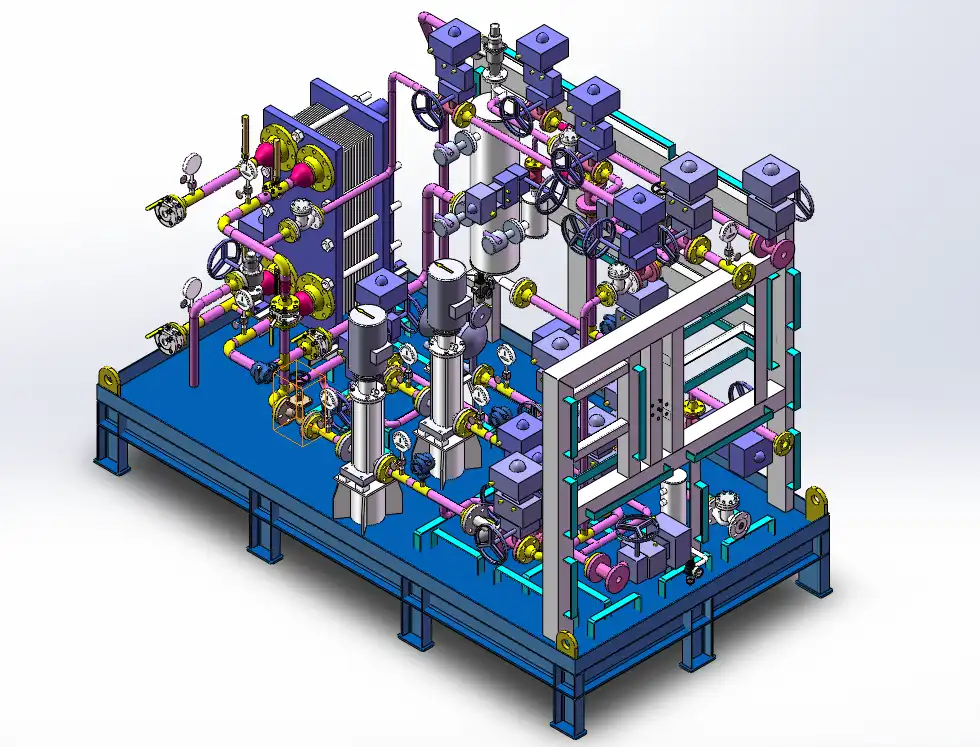
Understanding the Methanol Fuel Supply System in Shipping
To switch from traditional naval fuels to alternative energy sources, you need to know a lot about how current fuel delivery systems work. Solutions based on methanol are a more advanced way of building that is designed to work in marine settings.
Core Components and Architecture
At its core, a methanol fuel supply system is made up of four parts that work together. The methanol delivery unit keeps exact control over pressure, temperature, flow rate, and the cleanliness of the fuel so that it meets the manufacturer's requirements even when the load on the engine changes. During important times like engine start-up, load changes, fuel switches, and emergency shutdowns, this unit reacts in a dynamic way.
The filling and distribution system takes care of bunkering, managing storage, and moving fuel while following the strict rules for chemical vessels set out in the SOLAS-IBC Code. Because methanol has special properties, like a low flashpoint, a high corrosive potential, and is toxic, this section uses special materials and control procedures.
Auxiliary systems do important support work like preparing the fuel, filtering it, and controlling the temperature. The control and safety system, on the other hand, is like the brain of the machine. It constantly checks the working parameters and starts automatic safety processes when something goes wrong.
Operational Principles and Engine Integration
Traditional heavy fuel oil or marine petrol oil designs are very different from methanol delivery methods. The fuel stays liquid at room temperature and pressure, so it doesn't need to be stored in a cold environment like compressed natural gas does. But because methanol has about half as much energy as regular gasoline, it takes about 2.2 times as much mass flow rate to produce the same amount of power.
Modern naval engines that can use both methanol and regular fuels can switch between them without any problems. This gives the crew more options when they need to bunker or when methanol isn't available. The method keeps the pressure and flow steady no matter how the engine is loaded, how rough the sea is, or how high or low the tank is. Specialised pumps made of materials that don't rust handle the unique tribological qualities of methanol, and automatic additive injection systems take care of lubricity needs when they arise.
Comparative Analysis with Traditional Marine Fuels
Comparing methanol-based supply designs, the methanol fuel supply system to traditional diesel and heavy fuel oil systems shows that they are clearly better. For cold-weather operations, diesel systems need heating elements and viscosity control tools. But methanol is easy to pump at all temperatures. Heavy fuel oil needs to be cleaned, separated by rotational force, and heated before it can be burnt. This makes the system more complicated and increases the upkeep needs.
Methanol is chemically simpler than fuels made from petroleum. It only has one carbon molecule instead of many complicated hydrocarbon chains. This means that it burns cleaner and produces fewer fumes. Because the fuel can be used as a liquid at room temperature, it doesn't have to deal with the problems that come with storing high-pressure natural gas or handling cold LNG. For gaseous fuel systems, there needs to be a lot of air and gas detection equipment all over the vessel. For liquid methanol systems, it's easier to use double-walled pipes and leak detection in tight spaces.
Core Advantages of Methanol Fuel Supply System for Shipping Applications
There are more commercial motives to employ methanol as ship fuel than environmental protection. Real operational and financial advantages make operators more competitive in an increasingly regulated industry.
Environmental Performance and Regulatory Compliance
Methanol doesn't emit much sulphur oxide, so you don't require costly low-sulfur fuel oils or waste gas cleaning equipment. Nitrogen oxide emissions are far lower than those of ordinary marine diesel, and many engine installations fulfil IMO Tier III criteria without SCR. Seaside and port cities have improved air quality due to lower particulate matter emissions.
From well to wake, fossil-based methanol reduces carbon dioxide emissions by 5–15%. Sustainable methanol from CO2 and green hydrogen may result in neutral or negative carbon dioxide emissions. Carbon intensity requirements are tightening under the IMO's greenhouse gas strategy. Good news for shipowners.
Newbuilds and improvements may easily comply with the International Code of Safety for Ships using Gases or other Low-flashpoint Fuels (IGF Code) since the system is designed to do so. Certification bodies like DNV, Lloyd's Register, and the American Bureau of Shipping offer detailed approval processes that help shipowners comprehend the requirements.
Economic Efficiency and Lifecycle Advantages
While in service, methanol fuel delivery systems generate economic advantages beyond the initial expenditure. Methanol has a long-standing production system and is accessible worldwide. This stabilises the supply chain better than new fuels. Rapidly increasing methanol fuelling choices at major bunkering ports in North America, Europe, and Asia simplifies trip planning.
Due to its clean burning and lack of sulphur and asphaltenes, methanol has superior engine wear patterns than heavy fuel oil. Over a vessel's lifetime, maintenance times may increase, and part costs may decrease. Remove sludge, carbon deposits, and acid corrosion from combustion tanks to reduce repairs.
Even though more fuel is consumed than diesel, the delivery cost per nautical mile is generally comparable. This is particularly true as global carbon pricing and emissions trading programs increase. Operators benefit from fuel flexibility since ships may switch between conventional and methanol fuel dependent on price and availability.
Safety Features and Operational Reliability
The key reasons methanol fuel systems are safer and more reliable:
- Liquid State Handling Simple: Methanol doesn't explode or freeze like pressurised gas accumulation or freezing systems since it's liquid at normal temperature. Regular techniques may now discover leaks without special gas sensors all around the tank.
- Biodegradability and Environmental Safety: Methanol breaks down swiftly in coastal environments without slicks or pollution. This makes environmental cleanup simpler and cheaper than petrol.
- Fire Behaviour: Methanol is explosive; water-based systems may extinguish its flames, which are weaker than hydrocarbons. The fuel dissolves in water, making foam and water curtains efficient firefighting tools. Its lower flame temperature reduces structural damage.
These safety advantages reduce operational downtime, save insurance costs, and simplify crew training and emergency response planning. System dependability impacts business availability, which determines a vessel's profitability. Modern methanol fuel delivery systems have consumption rates of 99.5%, which is comparable to well-maintained conventional fuel systems.
Comparison and Decision-Making: Why Choose a Methanol Fuel Supply System?
The choice to use alternative fuels is a long-term commitment that will have an impact on how ships operate for decades. A full comparison helps procurement teams make decisions that are in line with business goals and working needs.
Performance Metrics Versus Alternative Fuels
Some variables to consider when comparing methanol to other clean fuels. Marine-grade ethanol is harder to source and costs more to create, but it can be treated similarly. LNG offers minimal emissions but requires cryogenic storage, boil-off control, and methane slip prevention. Ammonia produces no carbon dioxide but is toxic and requires extensive combustion technology before it can be utilised in industry.
Hydrogen fuel cells can power automobiles without polluting, they have poor energy density, inadequate bunkering, and expensive system costs. Biodiesel blends may be utilised in existing petrol systems, but they compete with other feedstocks and are difficult to scale up, raising sustainability concerns.
Methanol fuel supply is a sensible compromise. Mature, commercially established technology improves the environment, yet it has a lot of operational flexibility and just mild infrastructural demands. Liquid gasoline is simple to handle, and safety measures are in place. This makes crew training simpler than cryogenic or risky solutions.
Vessel-Specific Selection Criteria
To discover the optimal fuel system for a ship, examine its travel patterns, port infrastructure, cargo categories, and engine configurations. Methanol's system architecture is straightforward to adapt to high-capacity configurations without the volumetric constraints of compressed gas, making it ideal for big ocean-going cargo ships and bulk carriers.
Methanol cargo fuels chemical trucks, saving money and time. This maximises tank utilisation and eliminates bunker fuel on the correct routes. Coastal and short-sea ships may make more frequent port visits at methanol bunkering infrastructure sites. Yangtze and Pearl River boats may link to manufacturing-area methanol supply networks.
Offshore support ships prefer methanol systems because they have fewer explosion zones than gaseous fuels, making equipment and deck setup simpler. Car and truck drivers like the system's modest size versus low-pressure LNG tanks, which saves cargo space.
Certified Providers and Customization Options
It turns out that picking a good system source is just as important as picking the fuel. Major companies like CM Energy have a lot of experience designing dual-fuel vessels, chemical ship systems, and marine fuel handling designs. Look for sellers who offer DNV product certificates and Approval in Principle paperwork, which show that the products meet the standards of a well-known classification society.
Customisation options are very important because no two ships have the same needs. Modular system designs allow for flexible installation plans that can be changed to fit different engine room layouts, re-using old ships, or making the best use of newbuild arrangements. Companies should provide a range of services that work together, such as planning, manufacturing, installation support, and help with commissioning.
Maintenance, Troubleshooting, and Long-Term Efficiency Optimization
For a methanol fuel supply system to keep working at its best for as long as it does, it needs to be maintained properly and optimised proactively.
Routine Maintenance Protocols
Setting up regular check times keeps small problems from getting worse and turning into expensive failures. Visual checks of pipe systems should be done once a month to look for signs of corrosion, make sure valves can be opened and closed, and make sure leak detection equipment is working properly. Every three months, steps include checking the quality of the fuel to find contamination, making sure there is no water in it, and checking the differential pressure of the filters.
Annual maintenance includes testing the pressure release device and carefully looking over the pump covers and mechanical parts. It is very important to keep an eye on the quality of the fuel because water can damage some metal parts, and particles in the fuel can damage high-precision fuel injection equipment. Proper documentation creates useful trend data for forecast maintenance plans that lower unexpected downtime. Digital tracking systems can keep an eye on performance factors all the time, letting the team know about problems before they affect operations.
Common Issues and Solutions
Filter fouling, air getting into the system, or pump cavitation can sometimes cause problems with fuel supply. Keeping the fuel at the right temperature stops vapour lock, and replacing the filter on a regular basis stops contamination from building up. Most of the time, air gets in through loose joints or worn-out valve packing, which can be easily fixed during regular checks.
Most of the time, system alarms go off when pressure changes, temperature changes, or leak recognition activates. Troubleshooting takes less time when you know how alarms work and how to respond correctly. Diagnose tools in most current systems can quickly find where the problem is, which cuts down on the time it takes to fix.
Operator training is the best investment for fixing. Most problems can be fixed quickly by crew members who know how the system works, what the usual parameter ranges are, and how to respond properly. This way, the system doesn't need outside help or long periods of downtime.
Performance Optimization Strategies
In addition to keeping basic functions the same, managers can make changes that make things run more smoothly and save money on costs. As technology changes, system improvements may include more advanced robotic features, better instruments, or better fuel conditioning equipment. Monitoring based on data allows for an in-depth study of fuel use, revealing operating patterns that make the best use of engine load and fuel.
Regular changes to operator training make sure that team members stay up to date on the best ways to use the system and make the most of its features. Working with equipment makers lets you use the fleet's knowledge and lessons learned from many installations, which speeds up efforts to improve efficiency.
Procurement and Supplier Guidance for Methanol Fuel Supply Systems
To find your way around the supplier market, you need to know the evaluation factors that separate good providers from those that don't have the technical depth and support infrastructure you need.
Evaluating Manufacturers and Distributors
Certification and following the rules are the basics of evaluating a provider. Make sure that any potential sellers have quality management systems that are approved to ISO 9001 standards and that their products have the right approvals from the major classification societies. A manufacturer's track record is important—providers who have provided multiple methanol fuel supply systems show that they can do the job and that their designs are mature.
Customer service quality often sets sellers apart more than technical specs. Check the promised response times, the availability of spare parts, the ability to provide field service, and the quality of the expert documents. Customer references are very helpful for understanding how a company really works, beyond what they say in their marketing materials.
Procurement Channels and Services
Dealing directly with makers usually leads to the most complete solutions, especially for setups that are hard to understand or retrofits that need a lot of customisation. Platform-based procurement through marine equipment markets can make it easier to buy standard setups while also making prices clear and letting people bid against each other.
Integrated service options add value that goes beyond just selling tools. Installation help makes sure that the system works well with the electrical and computer systems on the vessel. With commissioning help, performance is checked in real-world operating situations. Technical help and training services that are available all the time make the switch to new fuel technology easier.
Investment Analysis and Financing
A full cost analysis must include the initial investment in capital, the costs of installation, the money spent on teaching the crew, and the costs of upkeep over the course of the product's life. Along with these inputs, there are also expected fuel costs, savings from not having to worry about emissions, and possible improvements in operating efficiency. Sensitivity analysis helps us figure out how stable a choice is when considering different fuel price situations and regulatory timing assumptions.
Cash flow and system benefits can be aligned with financing methods. Leasing equipment lowers the amount of money that needs to be paid up front, and performance-based contracts may tie payments to practical measures that are met. Some places offer reward programs or better financing for using clean fuels, which makes the economy of the project better.
Conclusion
The methanol fuel supply system is a practical way to make marine activities more environmentally friendly, reliable, and profitable. It does all of this by using tried-and-true technology. As rules on emissions get stricter and global carbon pricing systems grow, early adopters gain economic benefits by having lower costs of compliance and better environmental credentials. The system's flexible design, ease of handling liquid fuel, and well-established safety rules make it safer to use than options that aren't as well-developed. Methanol-based power helps ship owners meet their carbon reduction goals while still allowing them to operate their vessels in a variety of ways.
FAQ
1. Can existing diesel engines be converted to use methanol fuel supply systems?
How possible a conversion is depends on the type and form of the engine. Most of the time, modern medium-speed four-stroke engines can be made to work with older vehicles by changing the fuel injection system, updating the control software, and adding extra equipment. For bigger two-stroke main power engines, it might be necessary to make more changes or use special dual-fuel designs. Talk to engine makers and experienced system integrators like CM Energy to figure out if change is possible for certain vessel uses and come up with the right technical solutions.
2. What safety measures must be taken when working with methanol fuel on board?
Methanol needs to be handled in areas with good air, crew members must wear the right safety gear, and bunkering areas must have eye wash stations. Primary safety comes from leak detection systems that can shut down automatically, and environmental release is stopped by double-walled pipes. Crew training is necessary to teach them about how to put out fires, deal with spills, and how dangerous methanol is. Even with these restrictions, the methanol fuel supply system safety profile is easier to handle than many other options due to the fuel's ability to dissolve in water and break down naturally.
3. How does the performance of an engine change when it runs on methanol versus regular diesel?
When systems are set up correctly, power output stays the same, but because methanol has a lower energy density, it needs about twice as much bulk fuel. Similar torque shapes and load responses are caused by similar combustion properties. Because methanol has a higher octane number and cools the engine, it may work a little better. Because the burning is cleaner and there is less corrosive wear, maintenance times are often longer, and parts last longer than when heavy fuel oil is used.
Partner with CM Energy for Your Methanol Fuel System Needs
CM Energy, doing business as TSC, is ready to help you switch to clean marine fuel technology by giving you full options for your methanol fuel supply system. On our team, there is proven knowledge from 19 clean fuel systems supplied, including successful installations of the Stena RoRo methanol supply. As an early leader in this field since late 2022, we bring together technical knowledge with a real-world understanding of what marine operations need. Our modular systems work reliably and come with full lifecycle support. They are approved by DNV and can be changed to fit ships from 40,000 DWT bulk carriers to offshore support vessels. Email our experts at info.cn@cm-energy.com to talk about the unique needs of your vessel and get a custom plan that shows how TSC methanol fuel systems can improve performance.
References
1. International Maritime Organization. (2021). "IGF Code: International Code of Safety for Ships Using Gases or Other Low-flashpoint Fuels." IMO Publishing.
2. Verhelst, S., Turner, J.W., Sileghem, L., & Vancoillie, J. (2019). "Methanol as a Fuel for Internal Combustion Engines." Progress in Energy and Combustion Science, 70, 43-88.
3. DNV GL. (2022). "Maritime Forecast to 2050: Energy Transition Outlook." DNV GL Maritime Advisory.
4. Ellis, J., & Tanneberger, K. (2021). "Study on the Use of Methanol and Ethanol as Marine Fuel." European Maritime Safety Agency Technical Report.
5. Machaj, K., Kupecki, J., & Malecha, Z. (2022). "Comparative Analysis of Alternative Marine Fuels in the Decarbonization of Shipping Sector." Journal of Marine Science and Engineering, 10(2), 198.
6. Methanol Institute. (2023). "Methanol as a Marine Fuel: Technical and Operational Guidelines for Ship Owners and Operators." Methanol Institute Industry Publication.