AHC Crane Guide for Offshore Lifting in Rough Sea Conditions
When it comes to offshore lifting operations in challenging marine environments, AHC Crane technology represents the pinnacle of engineering excellence. Active Heave Compensation cranes are specifically designed to counteract vessel motion caused by rough seas, ensuring precise and safe lifting operations even in the most demanding conditions. This comprehensive guide explores the essential aspects of AHC crane technology, providing procurement managers and offshore operators with the knowledge needed to make informed decisions about these critical pieces of equipment.
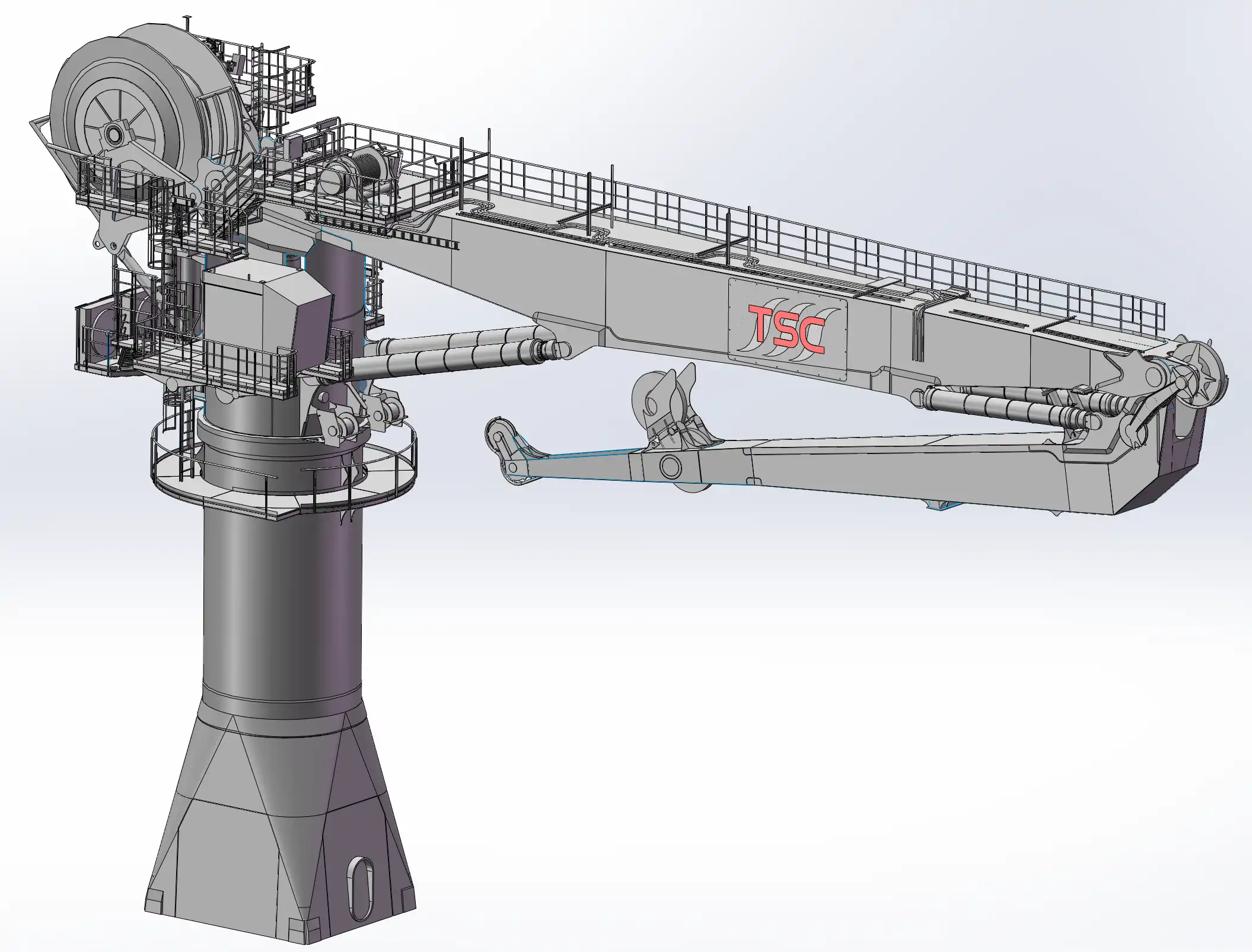
Understanding AHC Crane Technology for Offshore Applications
Active Heave Compensation cranes use complex sensor networks and computer systems to change themselves automatically for vessel movement while they are lifting. The technology keeps an eye on the vessel's vertical movement all the time and makes adjustments in real time to keep the load stable. This dynamic reaction system makes sure that loads that are hung stay steady even though the supporting vessel is always moving.
Core Components and Specifications
Active heave correction systems of today are made up of several important parts that work together perfectly. The electro-hydraulic power unit is the system's brain; it gives the system the force it needs to stop the vessel from moving. Motion Reference Units keep an eye on the moves of pitch, roll, and heave all the time. They send information to advanced control systems that can react to changes in conditions within milliseconds.
TSC's AHC Crane systems come in both single and dual hoist setups, so they can be used in a variety of ways. The flexible boom designs can be changed to fit different reach and capacity needs. This makes them useful for a wide range of offshore tasks, from installing wind turbines to working under the sea.
Advanced Control Systems and Safety Features
The unique control systems in these cranes make sure that important tasks are done with great accuracy and safety. Overload safety systems make sure processes stay within safe limits, and anti-sway devices stop dangerous load oscillations. These safety features are in line with international ocean standards set by DNV, ABS, and other well-known classification societies.
The adjustment efficiency is usually higher than 95%, which drastically lowers load movement even at high wave heights. This level of performance lets operations go on in rough seas that would normally stop normal lifting activities. This makes operating weather windows longer and the project more efficient.
Challenges and Solutions in Offshore Lifting with AHC Cranes
There are many problems that can make offshore lifting less safe and less efficient. Unpredictable vessel motion makes lifting conditions dynamic, which is hard for standard cranes to handle well. When loads aren't stable during moves, it can damage equipment or cause delays in operations. Also, when equipment wears out faster, it costs more to maintain and has more downtime.
Mitigating Dynamic Loading Effects
AHC Crane technology addresses these challenges through active compensation systems that continuously adjust to vessel movements. The system prevents dangerous "snatch" loads that happen when wire rope quickly tightens up after being loose for a while. These cranes keep the tension steady and control the position of the loads, which makes them much less stressful on the lifting equipment and loads that are hung.
The constant tension mode makes sure that the wire rope stays properly tensioned during the lifting process. This stops any slack situations that could cause quick shock loading. This feature is especially useful for activities that take place underwater, where exact control is needed to keep equipment safe.
Expanding Operational Windows
When using traditional lifting methods, the weather often makes it impossible to do the job except when the sea is calm. Active heave adjustment technology makes these working windows bigger by letting ships safely lift in rougher seas. Operations can go on even when there are big waves that would normally mean work has to stop. This helps projects stay on plan and cuts down on delays caused by bad weather.
Real-world deployments show that operations can work well in the North Sea, where installing wind farms has continued even though the weather was bad. These case studies show how the technology can keep operations running smoothly while protecting both crew and tools.
Comparing AHC Cranes with Traditional Offshore Cranes
Traditional motorized cranes use passive systems that can't actively adjust to the movement of the ship. Because of these old methods, activities often have to stop during bad weather, which slows down work and makes project deadlines longer. When working in deep water, where exact load positioning is important, the limits become especially clear.
Superior Load Control and Efficiency
AHC Crane technology provides superior load control through active compensation systems that respond instantly to changing conditions. The precision achieved allows for millimeter-accurate positioning of subsea equipment, essential for complex installation procedures. Energy consumption is often reduced compared to traditional systems, as the compensation technology optimizes power usage during operations.
Over the lifecycle of a project, the gains in business speed save a lot of money. Less weather-related delays mean that projects get done on time, and better load control keeps equipment from breaking and the costs that come with it to a minimum. The technology also makes working conditions more safe during lifting operations, which keeps the crew from getting too tired.
Performance Advantages in Challenging Conditions
Response times for modern active heave adjustment systems are less than 10 milliseconds, so they can respond right away to vessel movement. Because they have high dynamic response rates, they can work in rough seas where other tools would not be able to. Most of the time, maximum compensation speeds are between 50 and 100 meters per minute, which is fast enough for most ocean situations.
Major offshore contractors who have used AHC Crane technology regularly say that it has increased practical trust and lowered project risks. Offshore projects have a big edge over other types of projects because they can keep working during weather windows that would normally mean rest time.
Maintenance, Installation & Training for Optimal Offshore Performance
Active heave adjustment systems work best and last the longest when they are installed and maintained correctly. When installing something, it needs to be carefully connected to the ship's dynamic placement systems and external factors that might affect how it works need to be thought through.
Installation Guidelines and Environmental Considerations
Before installation starts, a full study of the customer's needs is done to make sure the system meets their unique operational needs. Assembly and testing in the factory make sure that all of the parts work properly before they are sent out, and acceptance tests in the factory make sure that the performance specs are met. Moving and setting up TSC's systems is easier than with standard single-unit systems because they are designed in modules.
Protection from salt spray, temperature changes, and vibrations that are common in distant settings are environmental factors that need to be thought about. The small size of the design means that it takes up less room on busy ship decks while still being fully functional.
Preventive Maintenance and Service Support
Scheduled repair helps keep systems safe and up and running as much as possible. Service time and complexity are cut down because the design focuses on making upkeep easy. Some important parts of maintenance are keeping the hydraulic system clean, checking the wire ropes using magnetic rope tests, and making sure that the sensor reading is correct.
Global service networks provide certified technicians familiar with active heave compensation technology. This support system makes sure that repair needs are met quickly and that operations are interrupted as little as possible. The tried-and-true modular design method makes it easy to change parts and update systems as technology improves.
Operator Training and Certification
For safe and effective use of AHC Crane devices, operators must be properly trained. Comprehensive training programs teach people how to use systems, follow safety rules, and fix problems. There are certification programs that make sure workers know how active heave compensation works and how to handle different operating situations.
The training focuses on the differences between passive and active heave adjustment operations, especially when it comes to how to respond to changing sea conditions and keep an eye on the system's state. Operators learn how to read comments from the system and make the necessary changes to keep performance at its best during lifting operations.
Procurement Guide for AHC Cranes: Making an Informed Offshore Investment
When buying active heave compensation systems, you need to carefully consider the practical needs and choices that are available. Some important factors are the needed load capacity, the nature of the operational setting, and the need to integrate with current vessel systems.
Essential Decision-Making Criteria
Specifications for load capacity must match the planned uses, taking into account both the highest loads that can be lifted and the normal loads that are used. The work radius determines the boom design, and the depth of the water affects the winch specs. The design life of 25 years guarantees long-term use and a good return on investment.
Patterns of power use and the ability to regenerate are two things that affect energy economy. Modern electric systems often recover energy during certain operating phases, which lowers the total amount of power needed. Total cost of ownership estimates are greatly affected by warranty coverage and the availability of service after the sale.
Acquisition Options and Market Trends
Different ways of buying things work for different business goals and budgets. When you buy something directly, you have full ownership and power over it. Leasing, on the other hand, gives you freedom for project-specific needs. Different capital allocation plans and cash flow preferences can be met by different financing methods.
As offshore wind growth and deepwater research efforts grow, the market for active heave compensation technology is expected to rise. Strong resale values and operating freedom are supported by the technology's proven ability to work in tough circumstances.
Supplier Verification and Support Networks
If you choose approved providers, you can be sure that you will have access to real technology and full support services. Classification society approvals from groups like DNV, ABS, and BV show that the design and production quality has been checked by a third party. TSC's certifications from several classification groups show that it is committed to meeting international norms and market needs around the world.
Global support networks make it possible for service to be quick no matter where the operations are located. Being able to get qualified technicians and original parts from anywhere in the world lowers operating risks and makes sure that the system keeps working well throughout its lifecycle.
Conclusion
AHC Crane technology represents a transformative advancement in offshore lifting capabilities, enabling operations in challenging conditions that would otherwise require work suspension. The combination of precise load control, expanded operational windows, and enhanced safety features provides significant advantages over traditional lifting systems. Understanding these capabilities allows procurement professionals to make informed decisions that improve operational efficiency while maintaining the highest safety standards. The technology's proven performance across diverse offshore applications demonstrates its value as an essential tool for modern marine operations.
FAQ
1. What makes AHC Crane technology different from conventional offshore cranes?
Active heave compensation systems use real-time motion sensing and automatic adjustment to counteract vessel movement, while conventional cranes rely on passive systems. This active approach provides superior load control and enables operations in rougher sea conditions that would halt traditional crane operations.
2. How does active heave compensation affect operational weather windows?
AHC Crane technology significantly expands operational weather windows by enabling safe lifting in higher sea states. Operations can continue in conditions with significant wave heights up to 1.5 meters or more, depending on system specifications and operational requirements.
3. What maintenance considerations are unique to active heave compensation systems?
When compensation systems run at high cycles, they speed up some wear patterns. This is especially true for wire rope, which is always moving. Regular magnetic rope testing and hydraulic system cleanliness checks are important maintenance tasks that are unique to these systems.
Contact CM Energy for Your AHC Crane Requirements
With cutting-edge answers for lifting problems in the ocean, CM Energy's TSC brand is at the heart of AHC Crane production. CM Energy has more than 350 deck cranes in use around the world and is certified by all of the major classification societies. They are the experts when it to active heave correction technology. Our comprehensive approach includes custom engineering, global support services, and a track record of dependability in the toughest offshore settings are all part of our all-around approach. As one of the biggest companies that makes AHC Crane, we mix cutting-edge design with real-world operating knowledge to make systems that perform better than expected. Get in touch with us at info.cn@cm-energy.com to talk about your unique needs and find out how our active heave compensation solutions can help your offshore activities.
References
1. International Association of Classification Societies. "Guidelines for Active Heave Compensation Systems in Offshore Operations." Marine Technology Standards, 2023.
2. Maritime Research Institute. "Performance Analysis of Active Heave Compensation in North Sea Operations." Offshore Engineering Journal, Vol. 45, 2024.
3. Global Offshore Safety Organization. "Risk Assessment Framework for Active Heave Compensation Cranes." Safety in Marine Operations, 2023.
4. Institute of Marine Engineers. "Energy Efficiency in Modern Offshore Lifting Systems." Marine Technology Review, 2024.
5. Offshore Technology Research Center. "Comparative Study of Crane Technologies in Harsh Marine Environments." Deep Water Engineering, Vol. 28, 2023.
6. International Maritime Equipment Association. "Certification Standards for Active Heave Compensation Systems." Marine Equipment Guidelines, 2024.