LNG Fuel Gas Supply System: A Shipowner’s Buyer Guide
If you are managing a new dual-fuel vessel project and need to select the right fuel handling equipment, this guide is written for you. A marine LNG fuel gas supply system is the thermodynamic bridge between a cryogenic storage tank and your main engine — it pressurizes, vaporizes, and conditions liquefied natural gas before delivery to the combustion system. Getting this choice right affects your vessel's regulatory compliance, operational safety, and long-term running costs. This guide walks you through what matters most.
Understanding LNG Fuel Gas Supply Systems: Components and Working Principles
It's helpful to know what an LNG Fuel Gas Supply System does and why each part is important before you compare suppliers or sign a contract.
Core Function and Operational Sequence
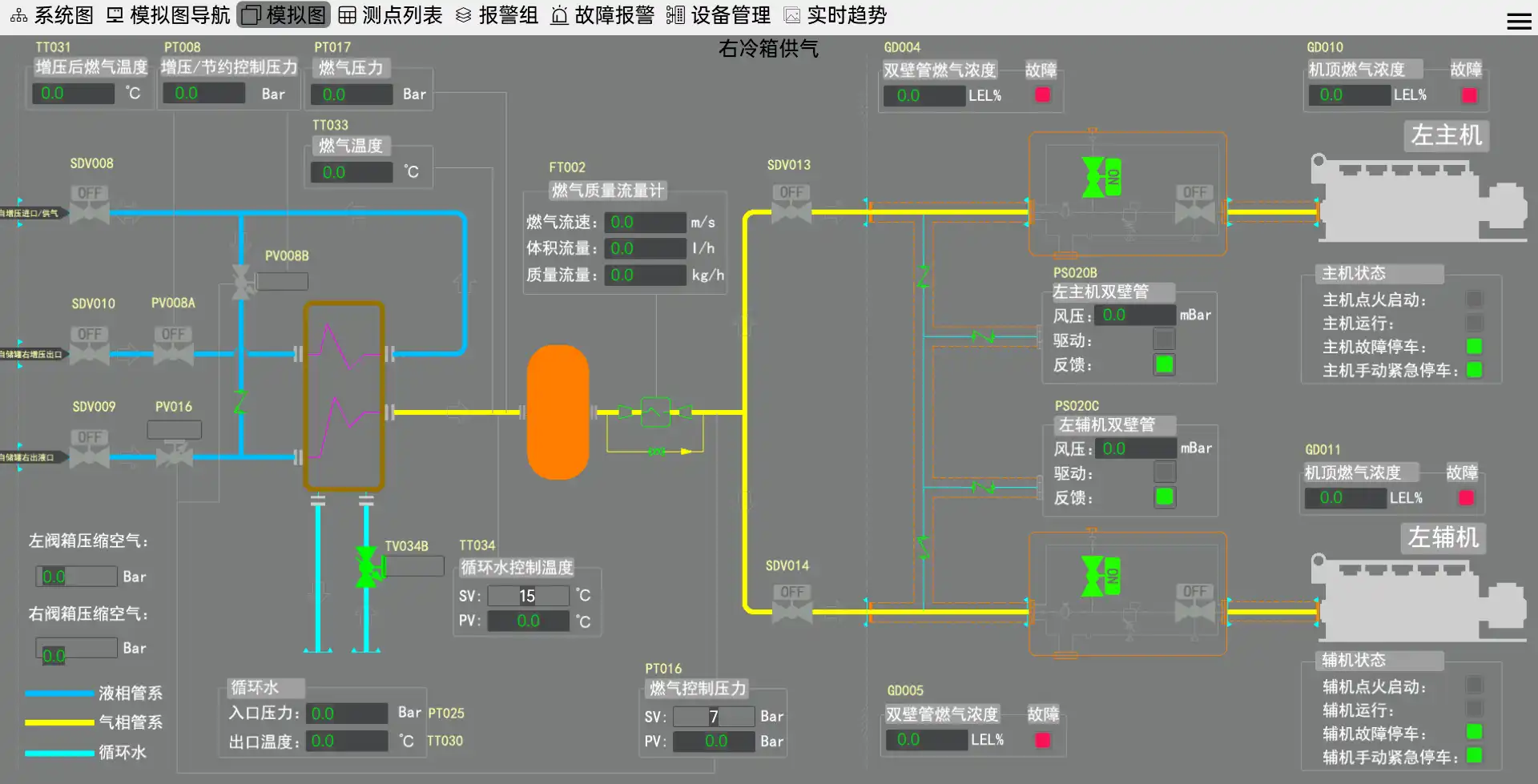
Liquefied natural gas that is kept at low temperatures (about -163°C) can be turned into gaseous fuel that can be used in a ship's main engine or generator by an LNG Fuel Gas Supply System. The steps in the process are storing, pressurizing or pump transfer, vaporization, temperature conditioning, pressure control, and finally delivering to the gas entry valves of the engine.
Key Components
A Type C cryogenic storage tank, a vaporizer unit, cryogenic pumps or a pressure build-up unit (PBU/PVU), gas supply pipes, pressure control valves, and a master gas fuel valve are the major parts that make up the machine. High-pressure setups also have high-pressure cryogenic piston pumps that can raise the pressure of the liquid above 300 bar. Austenitic stainless steel is usually used to make the pipes so that they can handle thermal contraction at low temperatures.
Safety and Control Architecture
An Emergency Shut-Down (ESD) system, automatic blow-down logic, gas recognition devices, and a fire suppression interface must all be part of every approved LNG Fuel Gas Supply System. Factory Acceptance Tests (FAT) on these systems are checked by classification society inspectors. All new ships must follow the IGF Code, which is the IMO's worldwide code for ships that use gas.
Comparing LNG Fuel Gas Supply Systems with Alternative Fuel Systems
One of the first things that needs to be decided on in a new build project is the type of fuel that will be used. Let me talk about how an LNG Fuel Gas Supply System stacks up against the other choices.
LNG vs. CNG vs. Diesel
LNG has a much higher energy density than compressed natural gas (CNG), which makes it useful for ships that travel on the ocean and need to carry large amounts of fuel. When compared to regular marine diesel, LNG emits about 20–25% less CO₂, almost no SOx, and a huge amount less NOx. This helps ships meet the standards of IMO Tier III and the CII rating system. Due to storage issues, CNG can only be used for short-sea operations.
Low-Pressure vs. High-Pressure Configurations
This is where the technical choice is very important. When the pressure is below 16 bar, the low-pressure LNG Fuel Gas Supply System works with Otto-cycle dual-fuel engines like the WinGD X-DF line. Diesel-cycle engines like the MAN ME-GI need a high-pressure setup that works at more than 300 bar with a PVU. The amount of methane that slips out of a high-pressure GI engine is about tenth that of a similar GA engine. This is very good for the environment.
BOG Management: A Practical Consideration
When LNG is stored, it can't help but produce Boil-Off Gas (BOG). A well-thought-out LNG Fuel Gas Supply System handles BOG through a gas boiler feed or a Gas Combustion Unit (GCU). Tank pressure goes up and fuel is wasted when BOG is not managed properly. Owners of ships should make sure that any system they look at comes with a clear way to get rid of BOG.
How to Choose the Best LNG Fuel Gas Supply System for Your Vessel
Now that you know the basics of buying, here is a useful guide to help you make your choice.
Match the System to Your Main Engine First
The most important part of any new build job is choosing the main engine. Before you hire FGSS sellers, make sure you know what kind of engine you have: an Otto-cycle or a Diesel-cycle. If you want to use a system that was made for a WinGD DF engine with a MAN GI program, you have to completely rebuild it. Find out from suppliers which engine models their systems have been type-approved or operationally verified for.
Evaluate Classification Society Certification
There must be a legal certificate for your LNG Fuel Gas Supply System from the class society of your vessel. This could be DNV, ABS, CCS, LR, or BV. Make sure the provider can help with the plan approval process and has done this before when sending paperwork to the group you want to reach. This has a direct effect on when you deliver.
Assess the Total Package: TCS Integration and Turnkey Readiness
There is only so much room in the engine room. Suppliers who can put system pipes and equipment in a Tank Cooling System (TCS) cold box ahead of time offer a space-saving, factory-tested package that makes installation in the building easier. When your delivery date is set, this combined method lowers the risk of installation and speeds up the setup process.
Procurement Process and Trusted Suppliers Overview
The steps that are usually taken to buy an LNG Fuel Gas Supply System for a new building project are shown below.
The Procurement Timeline
The decision cycle for an LNG Fuel Gas Supply System is the same as the schedule for building the ship. Getting approval for the fuel system design and plan usually takes three to six months after the main engine is set. The bidding process for the equipment package then lasts for one to three months. Once the contract is signed, the specific design stops moving forward. For big commercial ships, the whole process takes about 18 to 36 months, from the start of the project to the arrival of the ship.
What to Ask Suppliers Before You Sign
Before you sign a contract with an LNG Fuel Gas Supply System supplier, make sure they have the following things: documented in-service vessel references with operating hours; confirmation of which engine types and pressure classes are covered; a clear BOG management plan; experience with class society approval; and a payment plan that fits the norms of the shipbuilding industry.
TSC by CM Energy: A Verified Option
TSC is the marine brand of CM Energy, which has been on the Hong Kong Stock Exchange since 2009. The company has designed and built its own low-pressure LNG Fuel Gas Supply System, which has been working normally on a real ship for over a year. TSC ships C-type tank products in the TCS cold box with the equipment piping already fitted. This saves room and makes sure the module works. Because the market asked for it, TSC has also worked with MAN to create and provide high-pressure FGSS systems for MAN GI engine tanks. TSC's double-layer LNG tank is made of stainless steel and has a CCS product certificate. The company offers full lifetime support, from creation to service after the sale.
Future Trends in Marine LNG Fuel Systems
Marine fuel regulations and technology are always changing, and your decision about what to buy should take this into account.
Digital Monitoring and Automation
More and more, new LNG Fuel Gas Supply Systems use PLCs for automation and the ability to do diagnostics remotely. This lets the team check on the state of the system, get alerts when something goes wrong, and record operating data for CII reporting. This cuts down on the need for manual checks and raises safety standards.
Methane Slip Regulations on the Horizon
As part of its plan to reduce carbon emissions by 2050, the IMO is likely to make it harder for methane to slip through the ports. Configurations with a high-pressure Diesel cycle already give off a lot less methane than Otto-cycle options. Shipowners who are choosing LNG Fuel Gas Supply Systems right now should carefully consider this legal path.
LNG as a Bridge to Hydrogen and Ammonia
Investments in LNG bunkering infrastructure continue to grow around the world. CM Energy is also working hard to build up its technology stocks in the areas of hydrogen production, ammonia fuel systems, and methanol fuel systems. Shipowners who choose LNG now will be ready to switch to next-generation fuels when the supply lines for those fuels get better.
Conclusion
It's not easy to choose the right LNG Fuel Gas Supply System because it affects a lot of things, such as engine compatibility, classification approval, shipyard supply plans, and long-term compliance with emissions rules. For Otto-cycle engines, low-pressure systems work best. For MAN GI engines, high-pressure systems with PVU pressurization above 300 bar are needed. What sets a reliable system apart from a risky one are things like BOG management, TCS integration, and records that have been used in the past. TSC by CM Energy has both LP and HP configurations, as well as verified class certification and documented vessel operating experience. This is something you should look into early on in the project timeline.
FAQ
1. What is the difference between a low-pressure and high-pressure LNG fuel gas supply system?
A low-pressure system delivers gas below 16 bar and suits Otto-cycle engines like WinGD X-DF variants. A high-pressure system uses a PVU to exceed 300 bar and is required for Diesel-cycle engines like the MAN ME-GI. The two configurations are not interchangeable — engine selection must come first.
2. How is Boil-Off Gas managed in an LNG fuel gas supply system?
BOG is directed to auxiliary gas boilers when the engine is not consuming it. If boilers are unavailable, a Gas Combustion Unit (GCU) oxidizes the gas safely to prevent tank over-pressure. Both pathways should be included in the system package.
3. What maintenance items matter most for high-pressure systems?
Cryogenic seals and pump suction valves are the highest-wear components in HP systems. Request Mean Time Between Failure (MTBF) data and confirm spare seal kit availability during procurement.
4. Does the system operate safely during LNG bunkering?
Yes, but the automation logic must handle separate control paths for bunkering and fuel supply simultaneously. Safety interlocks prevent pressure surges from affecting the running supply train.
5. What certifications should a supplier hold?
Look for class society product certificates (CCS, DNV, ABS, LR, or BV), IGF Code compliance documentation, and ATEX/IECEx ratings for electrical instrumentation in hazardous zones.
Get Your LNG Fuel Gas Supply System Quote from CaM Energy
The TSC brand from CM Energy offers type-approved low-pressure and high-pressure LNG Fuel Gas Supply Systems that come with recorded vessel running records and support from MAN. We are a reliable company that makes LNG Fuel Gas Supply Systems. We help with plan approval, TCS-integrated packing, BOG management, and full service after the sale. Get in touch with our team right away to talk about the details of your vessel and get a proposal tailored to your project. Email us at info.cn@cm-energy.com. cm-energy.com is the website.
References
1. International Maritime Organization. IGF Code: International Code of Safety for Ships Using Gases or Other Low-Flashpoint Fuels. IMO, 2016.
2. DNV GL. LNG as Ship Fuel. DNV GL Technology Outlook, 2020.
3. Society of International Gas Tanker and Terminal Operators (SIGTTO). LNG Shipping Suggested Competency Standards. SIGTTO, 2021.
4. MAN Energy Solutions. ME-GI Dual Fuel MAN B&W Engines: A Technical, Operational and Cost-effective Solution for Ships Fuelled by LNG. MAN Energy Solutions, 2019.
5. Lloyd's Register. LNG-Fuelled Deep Sea Shipping: The Outlook for LNG Bunker and LNG-Fuelled Vessel Demand in the Period to 2025. Lloyd's Register, 2018.
6. RINA. Proceedings of the International Conference on Ship and Offshore Technology — Dual-Fuel Engine Systems and Gas Supply Integration. RINA, 2022.
