How Does WAPS Technology Improve Ship Fuel Efficiency?
Wind-Assisted Propulsion Systems (WAPS) improve ship fuel efficiency by harnessing aerodynamic lift from rigid wing sails to reduce the mechanical load on main engines. CM Energy's WAPS product — the WindWings® three-element rigid sail — generates over 2.5 times the lift of a conventional single-wing sail, delivering measurable fuel savings of up to 30% depending on route conditions. DNV has independently verified these results through real-world vessel operations. For fleet owners facing tightening IMO carbon regulations and rising bunker costs, WAPS represents a direct, validated path to lower operating expenses.
What Is WAPS and Why Does It Matter for Maritime Decarbonization?
The IMO's Fourth GHG Study says that the shipping business is responsible for about 2.89 percent of all greenhouse gas pollution. EEXI, CII, and EU ETS regulations are making more people want tried-and-true decarbonization tools that are based on hardware. When we talk about this shift, Wind-Assisted Propulsion Systems (WAPS) are right in the middle of it.
The Core Principle Behind WAPS
Through mechanical lift, WAPS technology turns available wind energy into forward power. Modern stiff wing sails change their camber form and angle of attack in real time based on the speed and direction of the wind, unlike older sail designs. As the ship goes along, this automatic reaction keeps the sail in its best position the whole time.
The WindWings® Design From CM Energy's TSC Brand
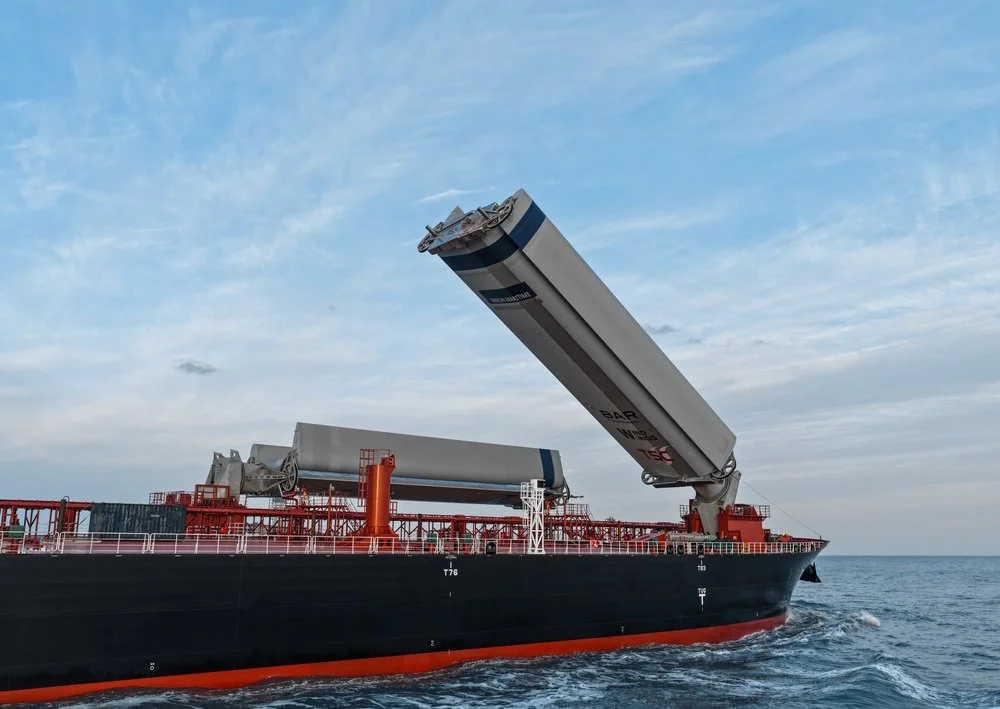
The WindWings® device is sold by CM Energy under the TSC name. It is a patented three-element rigid wing sail that was made in collaboration with BAR Technologies (BART) in the UK. The three-element structure divides the wing into three parts: the leading, the middle, and the following. Each part contributes to the total aerodynamic lift in its own way. This design is what makes WAPS able to produce more than twice as much thrust as a single-element sail.
Independent Validation You Can Trust
WindWings® performance has been checked by both the Wolfson Unit and Lloyd's, which are two of the most reputable fluid dynamics research groups in the maritime industry. The system has also been given type approval and AIP certification by DNV. In reality, this level of third-party proof is not just a marketing claim. It is a technical standard that procurement teams and classification society experts can look at for themselves.
The Real Problems WAPS Addresses in Day-to-Day Fleet Operations
The problems that shipowners of bulk ships and tankers always have to deal with are things that WAPS is meant to fix. Higher fuel costs, carbon intensity scores that make charters less appealing, and rising compliance costs are all things that hurt fleet economics.
Fuel Cost Reduction Through Aerodynamic Thrust
When the wind is blowing right, each WindWings® sail unit can save about 1.6 tons of fuel every day. For a ship that's at sea 300 days a year, that number adds up to big saves each year. It's easy to make the case for WAPS investment to a board when you multiply the numbers by a fleet of even five ships.
Carbon Intensity and Regulatory Compliance
The IMO's CII rating system gives ships an annual grade based on how much carbon they contain. A ship with a low CII grade may not be able to hire other ships as easily and may not be able to do certain tasks. WAPS directly lowers the amount of CO2 released per nautical mile traveled, which raises CII scores without changing the fuel or engine in any way. Shipowners who want to keep their Grade A or B ratings can use WAPS to make a measured input that can be used in their yearly CII calculations.
ESG Performance and Charter Quality
More and more, quality charterers include basic ESG standards in their needs for fixtures. A ship with WAPS shows a clear commitment to lowering emissions, which makes the boats more appealing in competitive bidding processes. Green loan programs like Poseidon Principles-aligned loans also like confirmed technology that lowers emissions. WAPS can offer this through its DNV-certified performance statistics.
How WAPS Technology Works: Key Features That Drive Results?
The effectiveness of WAPS comes from the fact that it has many different functional layers that work together on the ship. The main things that the WindWings® technology can do that make it reliable in business service are listed below.
These are the main things that make WAPS different from passive wind-assist systems:
- Automated camber and angle adjustment: Specialized onboard software continuously calculates the optimal wing shape and orientation based on real-time wind data. The system adjusts automatically without crew input, ensuring the sail always operates near peak aerodynamic output and delivers live thrust performance reporting to the bridge.
- Weather routing integration: A web-based routing system, accessible by both the vessel crew and shore-based operations teams, plans voyages to capture maximum wind advantage. This tool is built specifically for wind-assisted vessels and includes automated workflow features that reduce the manual planning burden on technical superintendents.
- Laydown and clearance mechanism: When cargo operations require access to hatch covers, WAPS rotates into a folded laydown position. This allows standard cargo handling equipment to operate without interference. The sequence is comparable to operating a deck crane — no specialized skills or additional certifications are required from the crew.
Together, these features make a system that works with the plans of business ships instead of against them. Calls to ports, moving cargo, and emergencies are all planned for in the design logic.
Installation, Certification, and Lifecycle Support
Technical superintendents often worry about how a new propulsion aid will fit in with an existing ship and meet its class requirements. With WAPS, the process is organized in a way that keeps operations running as smoothly as possible.
Structured Installation Process
The steps for installing WindWings® include checking to see if the wings will work with the ship, testing them in the factory, putting them together on-site, and finally starting them up on board. The system is made of ship-grade steel, industrial E-glass composites, and marine-grade hydraulic parts. All of the structure materials come from sources that are ISO-certified. Depending on the shape of the vessel, there are above-deck and below-deck tilt options.
Full Certification Portfolio
The WAPS from TSC has design type approval from DNV, BV, LR, and CCS. These are the four main classification societies that shipowners in Europe, Asia, and the Americas use. Because of this wide range of approval, the system can be officially accepted no matter where the ship is classed. This means that there is no need for a separate technical review process.
Long-Term Service and IoT Monitoring
It's worth noting that CM Energy helps with all aspects of WAPS, from the original setup to ongoing upkeep. IoT monitoring links the sail system to technical teams on land, letting them diagnose problems and keep track of performance from afar. The system is made to last 25 years, and it can be moved from one ship to another. This is an important thing to keep in mind when figuring out the return on investment for a managed fleet.
Conclusion
WAPS technology gives shipowners a proven, rule-compliant way to cut down on fuel use and carbon output. The patented three-element aerodynamics, automated control, multi-society approval, and full lifecycle support of CM Energy's TSC name are all in the WindWings® system. It is a widely proven product. DNV has confirmed that the fuel savings can be made on a large scale by looking at data from real ships. Fleet managers who have to meet IMO CII targets and deal with rising bunker costs should give WAPS a careful technical and business look.
FAQ
1. Does WAPS interfere with normal cargo operations?
No, the WindWings® system can be turned into a horizontal laydown position to allow entry to the hatch cover. This action is handled by a familiar interface that works a lot like a deck crane. WAPS-equipped ships have called at more than 20 important ports around the world without any cargo-related problems being recorded.
2. Can WAPS be retrofitted onto existing vessels?
The WindWings® system can be added to a new building or to an existing one. Before any work starts, the compatibility study step makes sure that the structural needs of each vessel are met.
3. How is the fuel saving performance verified?
Independent tests on real-world ships by DNV have shown that the WindWings® WAPS system does save fuel. This is not an estimate from the manufacturer; it is third-party data that has been verified and is available for review.
4. What maintenance does WAPS require?
Maintenance on the system is meant to be as easy as maintenance on existing deck machinery. The TSC brand from CM Energy provides long-term service packages that include remote IoT tracking. This lets expert teams on land check on the health of the system between regular inspections.
5. Which vessel types are compatible with WAPS?
The WindWings® system is now approved and used on trucks and bulk ships for business purposes. The span sizes of this product are different so that it can fit vessels of different sizes.
Partner With CM Energy for WAPS Solutions
As part of its TSC brand, CM Energy provides tried-and-true WAPS technology that is backed by DNV approval, BAR Technologies' unique design, and full lifecycle support. We can help your fleet meet CII and EEXI goals while lowering the amount of fuel it uses each year because we are a well-known WAPS maker with a track record of installations. Get in touch with our technical team right away to ask for a fuel savings assessment for your specific vessel. You can email us at info.cn@cm-energy.com or go to cm-energy.com.
References
1. International Maritime Organization (IMO). Fourth IMO Greenhouse Gas Study. IMO, 2020.
2. DNV GL. Wind-Assisted Ship Propulsion: Technology Review and Verification Methodology. DNV, 2022.
3. Wolfson Unit for Marine Technology and Industrial Aerodynamics. Aerodynamic Performance Assessment of Rigid Wing Sail Systems. University of Southampton, 2021.
4. Lloyd's Register. Wind-Assisted Propulsion: Design Approval and Operational Guidelines. LR, 2023.
5. Sea Europe / ECSA. Shipping and Sustainability: Decarbonization Pathways for European Fleets. Sea Europe, 2022.
6. Royal Institution of Naval Architects (RINA). Wind-Assisted Propulsion Systems in Commercial Shipping: Engineering and Economic Assessment. RINA, 2023.
