Why Ships Need a Methanol Fuel Conveyance System
Ships today face a clear choice: adapt to stricter emission rules or fall behind. A well-designed methanol fuel conveyance system is one of the most direct answers to that pressure. It moves methanol from storage tanks to the main engine safely, accurately, and reliably — under every load condition the vessel encounters. For shipowners betting on green methanol as their decarbonization path, the quality of the fuel conveyance system is not a secondary detail. It is the backbone of the entire dual-fuel operation.
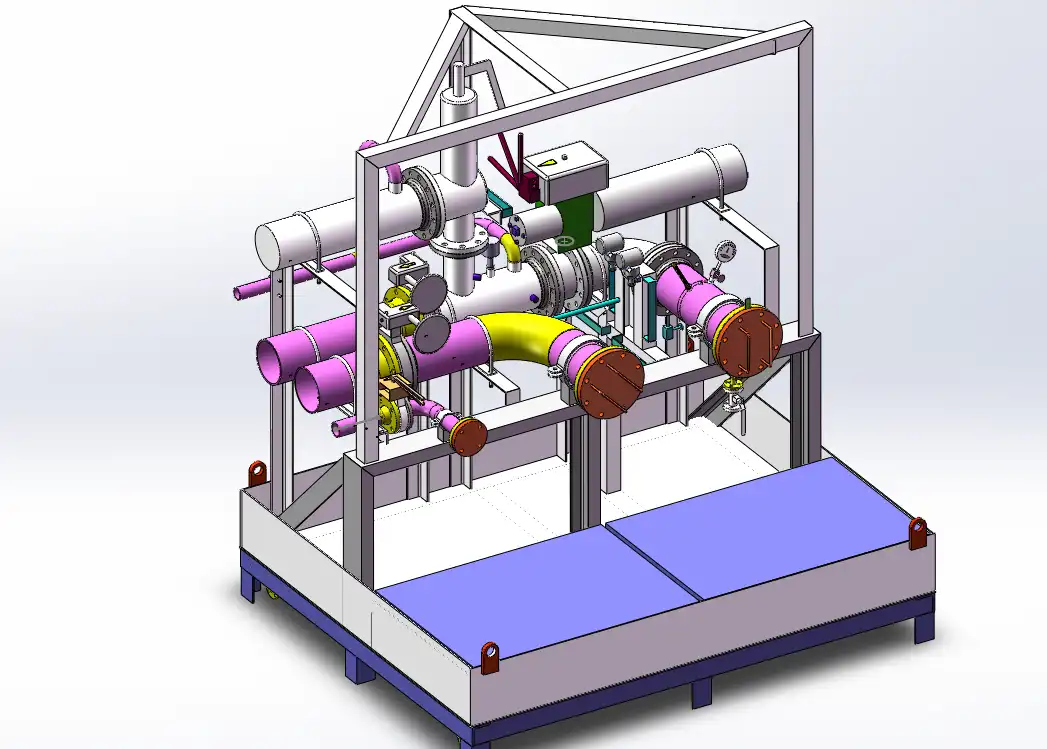
Understanding Methanol Fuel Conveyance Systems
What the System Actually Does
A methanol fuel conveyance system is a custom-built fluid transfer system that moves methanol from the bunker holding tank to the fuel injection port of the engine. Unlike diesel circuits, it has to deal with the polarity, low flashpoint (around 11°C), and corrosive nature of methanol, which can damage normal elastomers and eat away at metal or copper parts. Everything that comes into touch with the fuel has to be chemically acceptable.
Core Subsystems at a Glance
The system is made up of four different parts that all do different things: the methanol supply unit, the filling and transfer system, the auxiliary system, and the control and safety system. Each group has its own job to do. The supply unit controls the pressure, temperature, flow rate, and cleanliness of the fuel so that it meets the exact requirements set by the engine manufacturer. The side for filling and transferring takes care of bunkering and storage in line with the SOLAS-IBC Code for chemical goods.
Why Standard Fuel Lines Fail
In just a few months, standard NBR or CPE rubber liners will grow and crack when they come into touch with methanol. When flow speeds are high in non-conductive tubes, static electricity builds up and can pass through the inner wall. The right methanol fuel conveyance system uses metals that don't rust, sealing materials that don't react with chemicals, and pipes that transfer electricity to stop these failure modes from happening from the first day of use.
Advantages of Methanol Fuel Conveyance Systems in Shipping
Environmental Gains That Matter to Regulators
When methanol is burned, it doesn't make any sulfur oxides and a lot less nitrogen oxides than regular bunker fuel. The Fourth GHG Study (2020) from the International Maritime Organization says that green methanol made from renewable sources can cut CO2 emissions from wells to wakes by up to 95%. A properly set up methanol fuel conveyance system makes sure that the engine always gets clean, well-conditioned fuel, which protects those emission gains in real life.
Operational Flexibility Across Vessel Types
Here are the main benefits this kind of system brings to running a fleet every day:
- Dual-fuel switching accuracy: The system reacts perfectly when the engine starts up, when the load changes, and when the fuel type changes. It keeps the pressure and flow stable so the engine can make the change without any problems.
- Modular configuration options: The methanol supply unit can be ordered by shipowners either by itself or as a fully combined package. This is a good option for both new builds and retrofits.
- Compatibility with existing infrastructure: Since methanol is a liquid at room temperature, the design logic for storage and transfer equipment is the same as that for existing chemical tanker systems. This lowers the engineering risk.
Because of these practical benefits, fleet operators can stick to schedules while still meeting port-state emission standards. This means that the switch to methanol will be less disruptive than some owners first think.
Alignment With ESG and Carbon Compliance
The EU's FuelEU Maritime law and the IMO's Carbon Intensity Indicator framework both name green methanol as a fuel that can be used. When shipowners choose a certified methanol fuel conveyance system, they can correctly record compliance, which helps with CII scores and ESG reporting to investors every year.
Key Safety and Maintenance Guidelines for Methanol Fuel Conveyance
Addressing Methanol's Hazard Profile
Methanol is dangerous, can't be seen when it's burning, and absorbs a lot of water. Because of these features, the methanol fuel conveyance system needs to have double-walled pipes in protected areas, gas monitoring that works all the time, and valves that shut off automatically. The International Code of Safety for Ships Using Gasses or Other Low-Flashpoint Fuels (IGF Code) sets the minimum standards. During the plan approval stage, classification societies like DNV, ABS, and CCS check that the requirements are met.
Routine Inspection Priorities
Three jobs should be the main goal of maintenance teams. First, make sure to check all seals and gaskets often because methanol over time makes incompatible elastomers swell up. Second, check the joints between pipes for tiny leaks, especially after load shifting, which makes the pipes shrink and expand. Third, make sure that every trip that the gas detectors in the methanol supply unit enclosure are set up correctly and work. If you catch a small seal problem early, you can avoid expensive unplanned dry-docking.
Crew Training and Spill Response
Trained people are needed for even the best methanol fuel conveyance system. Methanol has a flame that is almost impossible to see, and crew members need to know how to use alcohol-resistant foam extinguishers to put out the fire. Before the first bunkering operation, shipowners should add safety drills that are specific to methanol to the ship's Safety Management System.
Comparing Methanol Fuel Conveyance Systems With Alternatives
Material and Design Differences That Define Performance
A methanol fuel conveyance system works at room temperature and mild pressure, while LNG fuel supply systems depend on cryogenic insulation and BOG control. It's easier to put because of this, but there are tighter requirements for chemical compatibility. When it comes to toxins, ammonia systems are different and need special tools for cleaning. Methanol is a useful middle ground because it is liquid at room temperature, easy to get, and can be handled with tried-and-true chemical truck technology.
Certification Standards That Guide Procurement
Buyers should make sure that any company selling a methanol fuel conveyance system has a valid product certification. A lot of people agree on the DNV AIP (Approval in Principle) and DNV Product Certificate as standards. These papers show that the system design has been checked against the relevant rules and that the manufactured units meet the accepted standard. This is important proof during the classification society's approval process for the ship's plan.
Matching System Capacity to Vessel Needs
By volume, methanol has about half the energy density of oil. For the same engine power, this means that the methanol fuel conveyance system needs to produce about twice the volumetric flow rate. The people in charge of buying things should make sure that the rated flow capacity of the chosen system matches the engine's highest usage at full continuous rating, plus a safety cushion.
Procurement Considerations for Methanol Fuel Conveyance Systems
Evaluating Supplier Capability
There's more to picking a methanol fuel conveyance system supplier than just looking at a price list. If a provider is trustworthy, they should show deliveries of finished vessels, not just prototypes. TSC, an engineering name of CM Energy (a company traded on the Hong Kong Stock Exchange), has sent methanol fuel supply system skids to the Stena Newmax RoRo series, which are real ships that are currently in use. TSC began researching and developing methanol fuel systems in late 2022. Since then, they have worked on 19 ship sets that provide clean fuel and move goods.
Modular Supply Options and Lead Times
The methanol supply unit from TSC can be bought on its own as a skid or as part of a fully integrated methanol fuel supply system that includes modules for filling, transferring, supplying, auxiliary, and controlling. This gives shipowners the freedom to match the scope of the procurement to the structure of the equipment package at their shipyard. Lead times for project-based procurement usually match the schedule for building the ship, and early technical engagement, which includes interface drawings, classification society submissions, and FAT (Factory Acceptance Testing), lowers risk for everyone.
After-Sales Support and Spare Parts Coverage
The methanol fuel conveyance system works for as long as the ship is in service, which could be 20 to 25 years. Buyers should make sure that the supplier keeps spare parts in stock and offers field service support at major hubs for shipbuilding and repair. CM Energy's full lifecycle service model includes installation guidance, commissioning, and ongoing support after the sale. This gives technical directors peace of mind that help is available after the initial delivery.
Conclusion
More and more boats are using methanol as fuel, and the methanol fuel conveyance system, which connects the store to the engine, makes that promise a reality. A system that is properly designed, certified, and maintained will protect the engine's performance, the safety of the crew, and the ship's regulatory standing for its entire service life. If shipowners choose a supplier with a history of on-time deliveries, acceptance by classification societies, and modular supply options, they can get their fleets ready for stricter carbon rules without adding extra risk to the integration process.
FAQ
1. Can I retrofit an existing vessel with a methanol fuel conveyance system?
Yes, it is technically possible to do retrofit projects, especially on ships that already take methanol as cargo. Modern methanol fuel supply systems are made up of separate modules that can be put together during a planned dry-docking time. The type of engine, how the tanks are set up, and how the pipes are already laid out affect the project's scale and cost.
2. What classification society approvals should I require from the supplier?
You should ask for at least DNV AIP and DNV Product Certificate paperwork, or certificates that are the same from ABS, CCS, or another organization recognized by your flag state. These show that the plan and the unit that was made both follow the IGF Code and any other rules that apply.
3. How does the system handle methanol's hygroscopic nature?
A well-designed methanol fuel conveyance system uses non-permeable barrier pipes and sealed storage links to keep atmospheric moisture out of the fuel circuit. This keeps the engine's injection system from getting wet.
4. Does the system work with green methanol and conventional methanol?
Yes. The system can move both bio-based green methanol and methanol that is made in the usual way because their physical and chemical qualities are pretty much the same for the transportation system.
5. What is the typical project timeline for a newbuild MFSS package?
It usually takes three to six months for technical specifications and plan approval to be granted. After that, fabrication, FAT, and shipyard installation happen at the same time as the vessel's building timeline. The total length of the project usually follows the ship's 18–30-month build cycle.
Partner With CM Energy's TSC Team for Your Next Methanol Fuel Conveyance System
That's why CM Energy's TSC brand is backed by a history of completed methanol fuel conveyance system projects, DNV certification, and supply that works for LNG, ammonia, and methanol. Our engineering team is ready to help you with your technical application, classification society review, and commissioning, whether you are looking for a single methanol fuel conveyance system supplier for a newbuild or a retrofit. To get professional advice right away, email us at info.cn@cm-energy.com or go to cm-energy.com.
References
1. International Maritime Organization. Fourth IMO GHG Study 2020. IMO, 2020.
2. DNV GL. Alternative Fuels Insight: Methanol as Marine Fuel. DNV, 2021.
3. MAN Energy Solutions. Engineering the Future Two-Stroke Green-Ammonia Engine. MAN Energy Solutions, 2022.
4. IRENA. Innovation Outlook: Renewable Methanol. International Renewable Energy Agency, 2021.
5. European Maritime Safety Agency. Methanol as a Marine Fuel: Environmental Benefits, Risks and Regulatory Aspects. EMSA, 2021.
6. Society of Naval Architects and Marine Engineers (SNAME). Low-Flashpoint Fuel Systems: Design and Safety Standards for Marine Applications. SNAME Transactions, 2022.
