LFSS Efficiency: How to Optimize Fuel Performance
When procurement teams ask how to get the most out of a fuel supply system on an LNG dual-fuel vessel, the answer always comes back to one thing: how well your LFSS is designed, integrated, and maintained from day one. An LNG Fuel Supply System (LFSS) is the circulatory core of any dual-fuel vessel. It governs how cleanly and efficiently LNG moves from storage to engine, directly shaping fuel consumption, emissions compliance, and long-term operational costs. Optimizing LFSS performance is not a one-time task — it is a continuous discipline that pays dividends across the entire vessel lifecycle.
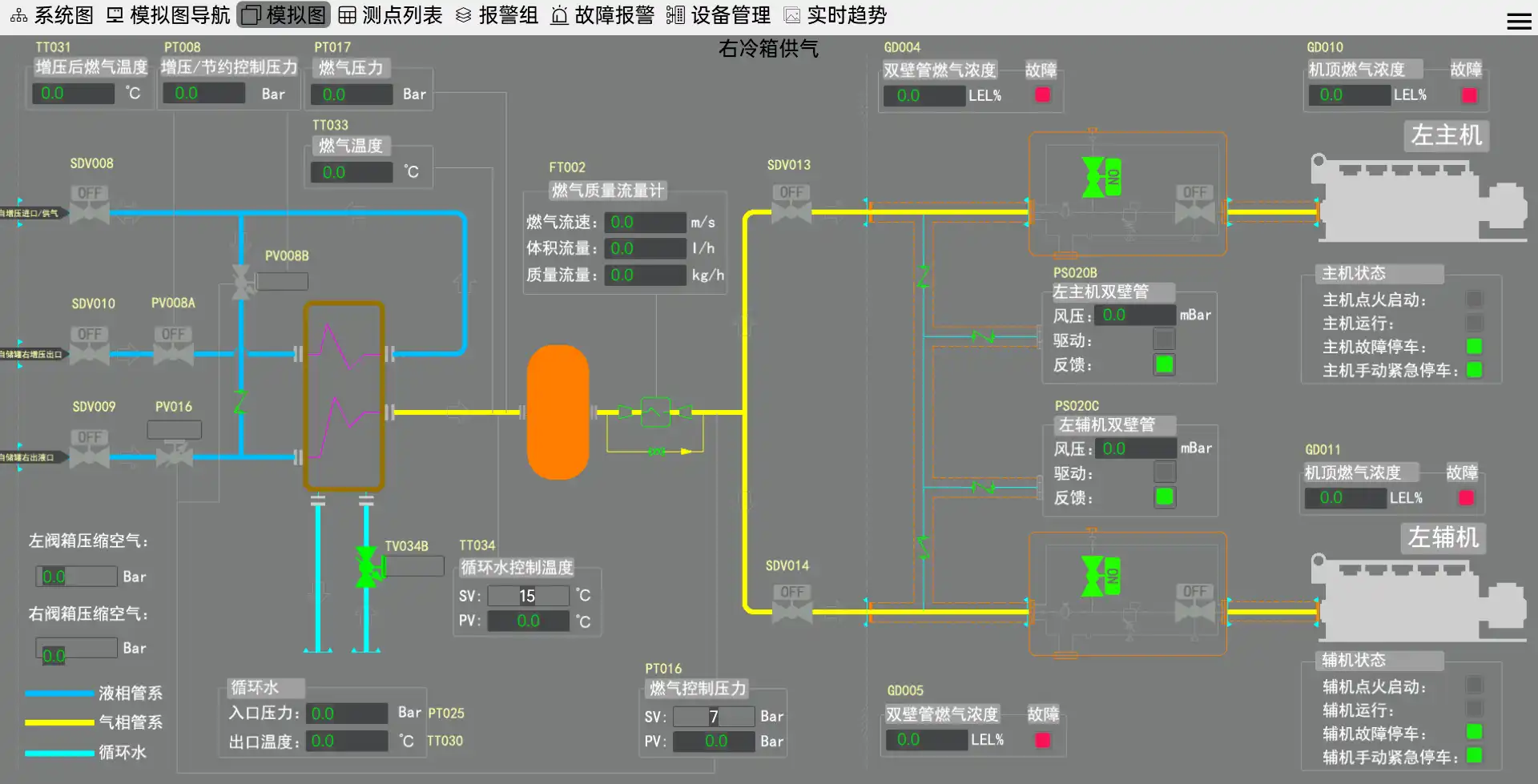
Assessing Current LFSS Performance and Identifying Bottlenecks
Before they can start to optimize, the engineering and procurement teams need a true starting point. Looking at how well your present LFSS does based on key factors like consistent fuel delivery, BOG management, system uptime, and emission output will help you see where the losses are.
Where Inefficiencies Hide in LNG Fuel Systems
A lot of LFSS delays are not clear at first. Venting losses and wasted energy happen when BOG is not handled properly. Poor control of pressure lowers the level of combustion. Poorly integrated cold box designs let heat in, which speeds up the rate of boil-off. Over time, these errors add up, raising prices and making it more difficult to follow IMO Tier III and CII rules. Finding them early—ideally during the planning phase—avoids having to make expensive changes later on.
When engineering teams use real-time monitoring tools along with system diagnostics, they can find performance drift before it leads to a failure. When purchasing managers look at LFSS suppliers, they have to make sure that the suppliers give them written field performance data from real vessel deployments.
Core Principles to Optimize LFSS Fuel Performance
Optimizing the fuel system on LNG ships is based on three main ideas: accurate pressure, utilizing the Boil-Off Gas (BOG), and integrating space. How well the LFSS works with different load levels and route conditions depends on how well these are set up from the start.
Pressure Management Across High and Low Pressure Configurations
The way your LFSS handles pressure needs to be exactly the same as the type of engine you have. For MAN GI engines, high-pressure LFSS configurations use a Pump Vaporizer Unit (PVU) to pressurize LNG above 300 bar. This allows direct injection with much less methane slip. Low-pressure LFSS designs work with Otto-cycle gas engines at pressures below 16 bar, focusing on steady flow and small integration.
Mismatching pressure configurations to engine cycles wastes fuel, makes maintenance more often, and raises the risk of an accident. The most important decision in LFSS optimization is choosing the right system at the design stage.
Integrated BOG Management as an Efficiency Lever
When LNG is stored in cryogenics, BOG can't be avoided. The question is not whether it forms or not, but whether your LFSS gets it back or throws it away. Gas heaters and Gas Combustion Units (GCU) are built into a well-designed LFSS so that BOG is turned into useful energy instead of being vented. This integration makes better use of energy generally, cuts down on waste, and helps meet methane pollution standards.
TSC's LFSS solutions are built with BOG disposal infrastructure already built in, so you don't have to make a separate purchase decision to take care of this important task.
Proven Techniques and Technologies to Boost LFSS Efficiency
Smart Integration, Modular Design, and Collaborative Engineering
Operational LFSS efficiency rests on smart controls, flexible design, and performance that has been shown to work in the field. These are not qualities that you should strive for; they are the engineering fields that separate capable LFSS suppliers from generic ones.
Here are the core technical approaches that measurably improve LFSS performance in service:
- Cold Box TCS Integration: Putting LNG equipment and pipes inside the tank's cold box Tank Cooling System (TCS) cuts down on heat entry, slows down boil-off, and lowers the tank's overall size. This way of designing saves space, makes sure safety, and makes installation and inspection easier for the whole life of the vessel.
- Modular Prefabrication: Putting together the LFSS ahead of time as a complete module cuts down on the time needed for installation in the port, the chance of interface mistakes, and the build schedule's critical path. This is very important for companies that have to meet tight shipping dates.
- Smart Monitoring and Automation: Pressure, temperature, and flow are constantly monitored by sensors. This lets real-time adjustments be made that keep the LFSS working at its best. Predictive repair plans make parts last longer and cut down on unexpected downtime.
- MAN Collaboration for High-Pressure Systems: TSC and MAN are working together to create high-pressure LFSS systems for MAN GI engine vessels. This relationship makes sure that the fuel supply system and the engine's injection needs are technically aligned. This lowers the risk of merging and helps the class approval process.
All of these features lower the costs of running the system over its entire life and make the technical case stronger during the class society review.
Verified Performance: TSC's LFSS in Real Vessel Operation
Proven Track Record and Integrated Alternative Fuel Solutions
When it comes to LNG vessels, procurement decisions are, on the whole, cautious. Specification sheets are not nearly as important as actual facts on how well a vessel works. TSC's low-pressure LFSS has been working normally on real ships for more than a year, which is a track record that can be checked and is important when judging the trustworthiness of a provider.
The engineering team at TSC has come up with LFSS solutions, such as layouts for PCTC ships with WinGD dual-fuel engines and C-type LNG fuel tanks built into the system. The cold box TCS packing method has been tested in these situations, showing that the claims about saving room and safety are true in real life.
Along with LFSS, TSC's larger platform includes Methanol Fuel Supply Systems (MFSS), Ammonia Fuel Supply Systems (AFSS), and LPG Cargo Handling Systems (CHS). This provides shipowners and yards with a single partner for all types of alternative fuel infrastructure. For its double-layer stainless steel LNG tanks, CM Energy has CCS product approval, which gives class society guarantee right from the start.
Summary of Key Takeaways and Best Practices for B2B Buyers
Strategic Evaluation Framework and ESG Alignment
A structured set of criteria should be used by procurement professionals to choose an LFSS supplier for a new LNG dual-fuel vessel project. Here is a useful framework:
- Proven history of installing LFSS on real ships, not just prototypes
- Demonstrated compatibility with engine models (MAN GI, WinGD DF) in the required pressure ranges
- Integrated BOG management with options for gas boilers and GCUs
- Cold box TCS packaging saves space and meets safety standards
- Class society certification help and working together with design review
- Shipyard build plan goals are matched with the ability to deliver modules
- Full help for the whole lifecycle, from planning to commissioning and service after the sale
Aligning your LFSS purchases with your ESG commitments is becoming more and more important. If you choose a supplier whose systems reduce methane slip, like the MAN GI high-pressure configuration, which cuts methane escape to about a tenth of other configurations, your ship's CII rating and long-term emissions profile will be better.
Conclusion
Improving the efficiency of LFSS on LNG dual-fuel ships is a complex field with many layers. It starts when you choose the system, goes through construction, and goes on for every operating year. The choices that have the most direct effect on results are matching the pressure design to the type of engine, incorporating BOG management, and picking a supplier with real vessel performance data. The LFSS solutions from TSC are designed to meet these needs throughout the whole project lifecycle, backed by CM Energy's deep technical knowledge, MAN collaboration, and proven on-vessel working history.
FAQ
1. What is the difference between high-pressure and low-pressure LFSS configurations?
For MAN GI diesel engines, high-pressure LFSS is made to pressurize LNG above 300 bar through a PVU so that it can be injected directly. Low-pressure LFSS is used by Otto-cycle gas engines that work with pressures below 16 bar. Configuration depends on the type of engine; using the wrong pressure system makes combustion less efficient and could pose a mechanical risk.
2. How does TSC handle BOG in its LFSS design?
TSC uses gas heaters and Gas Combustion Units (GCU) in the LFSS system to collect and use BOG instead of letting it escape. This combination makes the system more energy efficient and lowers methane pollution, which helps it meet IMO standards.
3. What evidence of real vessel performance does TSC provide?
TSC's low-pressure LFSS has been used on real commercial ships for more than a year and has been shown to work reliably. This track record can be checked and is available for review during supplier qualification.
Partner with CM Energy for Your Next LNG Vessel Project
With its TSC name, CM Energy brings proven LFSS provider knowledge to new LNG dual-fuel vessel projects around the world. If you need a small low-pressure solution for Otto-cycle engines or a high-pressure LFSS co-developed with MAN for GI engine boats, TSC can provide you with tested performance, paperwork that is ready for class, and full lifecycle support. Get in touch with our team to talk about the needs of your project and see how we can fit our system solutions into your build schedule and compliance goals. You can email us at info.cn@cm-energy.com or go to cm-energy.com.
References
1. International Maritime Organization. IMO Strategy on Reduction of GHG Emissions from Ships. IMO, 2023.
2. MAN Energy Solutions. MAN B&W Two-Stroke Gas Engines — Technology Review. MAN Energy Solutions, 2022.
3. DNV GL. LNG as Ship Fuel: Rules and Regulations Overview. DNV, 2022.
4. Society of Naval Architects and Marine Engineers. LNG Fuel Systems Integration in Dual-Fuel Vessels. SNAME Transactions, 2021.
5. Korean Register of Shipping. Guidelines for LNG Fuelled Ships. KR, 2021.
6. WinGD. Winterthur Gas & Diesel Engine Application Manual — DF Engine Series. WinGD, 2023.