Leading OEM/ODMs for Offshore Jacking Control Systems
For safety and project success, picking the right makers for offshore platform jacking control systems is very important. The best OEM/ODM makers have years of experience, use cutting-edge technology, and make sure their products are certified, which helps with offshore wind, drilling, and naval building. To safely raise platforms in difficult settings, these systems are necessary. This is why buying workers need to work with reliable partners.
Introduction
The offshore marine industry relies on cutting edge jacking control technologies to make sure that oil research and wind turbine setups are done safely. Choosing the right OEM/ODM partner with specialized knowledge and custom solutions is key to project success. This guide helps people who work in buying make smart choices that put safety, accuracy, and dependability first. In addition to the original cost, the right maker should give ongoing assistance, technical knowledge, and system dependability. This improves working efficiency and safety throughout the equipment's lifetime.
Understanding Offshore Platform Jacking Control Systems
Core Purpose and Functionality
Offshore platform jacking control devices are very important for lifting and keeping marine platforms stable. They make sure that mechanical and computer parts work together to make sure that structures stay together in rough sea conditions and that parts are placed precisely. The system manages hydraulic or electric mechanisms that adjust platform legs with millimeter precision, ensuring stability during weather changes, tides, and operational requirements that demand platform height adjustments.
Key System Components
There are a few important parts in modern jacking control systems that all work together to make sure they work well. At the heart of these systems are advanced PLC controls, high-tech tracking gear, and safety interlocks that stop mistakes from happening or damage to the equipment.
Here are the essential components found in professional-grade systems:
1. Control Units: Advanced programmable logic controllers manage all system operations, providing real-time monitoring and automated responses to operational conditions
2. Hydraulic Power Systems: High-capacity pumps and precision valves deliver the force necessary for platform elevation while maintaining smooth, controlled movement
3. Safety Monitoring: Integrated sensors track leg position, load distribution, and environmental conditions to prevent dangerous operational scenarios
4. Human Machine Interface: Touchscreen controls enable operators to monitor system status and execute commands safely from centralized control stations
These components must integrate seamlessly to provide the reliability and precision required for offshore operations, where equipment failure can result in significant safety risks and operational delays.
System Classifications and Operational Modes
Different operating needs call for a wide variety of system designs, which might range from systems that are completely automated to those that are just partially automated. Automated systems allow quicker operational reaction times during key phases, which contributes to increased safety. This is accomplished by reducing the amount of human interaction. Semi-automated systems combine operator control with automated safety features, offering computerized monitoring and manual override for flexibility. This ensures experienced personnel can maintain oversight while adapting to unique circumstances requiring specialized handling.
Leading OEM/ODM Manufacturers in Offshore Jacking Control Systems
Market Landscape Overview
The global market for offshore platform jacking control systems includes established leaders and innovative companies. OEMs design and produce complete systems under their brand, while ODMs offer customized solutions based on client specifications. Both types distinguish themselves through engineering expertise, quality management, and comprehensive services for complex marine operations.
Key Manufacturer Differentiators
Innovation sets leading manufacturers apart through continuous R&D, enhancing system capabilities. Quality assurance ensures consistent performance, while certification compliance demonstrates adherence to international safety and operational standards.
The following characteristics define exceptional manufacturers in this specialized field:
1. Engineering Excellence: Proven design capabilities backed by decades of marine engineering experience and successful project implementations
2. Certification Compliance: Recognition from major classification societies including ABS, CCS, DNV, and BV validates system safety and reliability standards
3. Global Support Networks: Comprehensive service capabilities spanning installation guidance, commissioning support, and ongoing maintenance assistance
4. Customization Capabilities: Flexible design approaches that accommodate unique project requirements while maintaining safety and performance standards
These differentiators become particularly important when evaluating manufacturers for long-term partnerships that will support multiple projects across various marine applications.
TSC Brand Excellence in Offshore Solutions
TSC, part of CM Energy, is a trusted leader in offshore platform jacking control solutions with extensive marine engineering expertise. Their portfolio includes electric and hydraulic drive systems, offering flexible, optimized solutions for various project needs, including DOL-type, VFD, and hydraulic motor systems.
How to Choose the Best Offshore Jacking Control System OEM/ODM
Essential Selection Criteria
Choosing the right OEM or ODM partner involves evaluating quality management systems and customization capabilities. A manufacturer’s ability to adapt standard offerings for unique requirements without compromising safety or performance is crucial, especially for specialized applications or challenging environments like Offshore Platform Jacking Control System.
Certification and Compliance Standards
International compliance standards provide objective measures for evaluating manufacturer capabilities and system reliability. Major classification societies maintain rigorous testing and verification procedures that validate system design, manufacturing quality, and operational safety characteristics. The most recognized certifications in offshore applications include approvals from American Bureau of Shipping (ABS), China Classification Society (CCS), Det Norske Veritas (DNV), and Bureau Veritas (BV). These certifications demonstrate manufacturer commitment to meeting international safety and performance standards.
Procurement Process Overview
Successful procurement starts with clear specifications outlining project needs and performance expectations. The workflow includes inquiries, technical discussions, proposal evaluations, and contract negotiations, with attention to technical details, timelines, and support services to ensure project success.
Cost-Effectiveness and Lifecycle Considerations
While initial purchase price is important, total cost of ownership offers a more accurate system value assessment. It includes maintenance, spare parts, technical support, and potential upgrades, all impacting long-term expenses. Warranty coverage and service agreements define manufacturer support after installation. Comprehensive warranties and responsive service teams offer added value and reduce operational risks related to equipment failures or performance issues.
Maintenance, Troubleshooting, and Long-Term Support
Preventive Maintenance Best Practices
Effective maintenance protocols maximize uptime and extend system lifespan through regular inspections and preventive care. In offshore environments, these protocols are crucial. Inspections should focus on wear-prone areas, hydraulic fluid quality, seal integrity, and electrical connections to ensure reliable performance and minimize failure risks.
Diagnostic Capabilities and Troubleshooting
Modern jacking control systems incorporate sophisticated diagnostic capabilities that enable rapid identification and resolution of operational issues. These features reduce downtime while providing valuable information for optimizing maintenance schedules and preventing recurring problems. Advanced systems feature automated diagnostics that monitor performance and alert operators to potential issues. This proactive approach allows scheduled maintenance during non-critical phases, reducing the need for emergency repairs during critical operations.
Manufacturer Support Services
Responsive manufacturer support is crucial for long-term operational reliability. Leading manufacturers offer comprehensive programs, including technical assistance, spare parts, and on-site services. Their global networks ensure rapid responses to technical issues and emergencies, distinguishing exceptional partners from basic suppliers and providing local expertise for routine maintenance.
Company Introduction and Our Offshore Jacking Control Solutions
CM Energy and TSC Brand Heritage
CM Energy, listed on the Hong Kong Stock Exchange since 2009, is a technology-driven company focused on sustainable energy solutions. Its TSC brand is globally recognized for quality and reliability in offshore platform jacking control systems. With over two decades of marine engineering experience, we specialize in system design, manufacturing, and commissioning for offshore applications. This expertise informs our continuous product development and deep understanding of operational challenges.
Comprehensive Product Portfolio
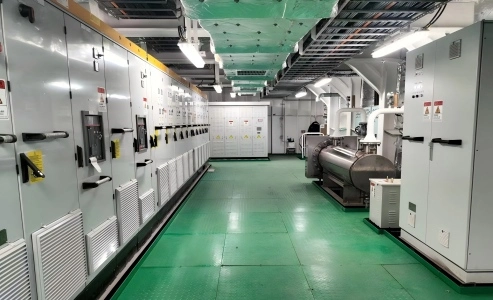
TSC offers complete jacking control solutions with both electric and hydraulic drive systems. Our electric drives include DOL-type for standard use and advanced VFD configurations for precision and energy efficiency. Hydraulic options provide powerful motor-driven and cylinder-driven solutions for heavy-duty tasks. Our systems integrate VFD or hydraulic power units, motor control centers, PLC systems, and monitoring equipment with intuitive control software for real-time operational insights.
Advanced Safety and Monitoring Features
TSC jacking control systems incorporate hundreds of safety interlocks that coordinate platform status monitoring with control system responses and braking mechanisms. These safety features have undergone rigorous FMEA analysis and testing to validate their effectiveness in preventing operational hazards. Our systems include multiple protection functions beyond basic operational controls, such as leg RPD monitoring and platform anti-fail protection systems. These advanced capabilities provide additional safety margins while enabling operators to maintain confidence during critical operational phases.
Quality Assurance and Certifications
Our manufacturing processes follow rigorous quality, environmental, and health management systems, ensuring consistent performance. Regular audits and continuous improvement initiatives help maintain our competitive edge and high production standards. TSC products have earned certifications from major classification societies including ABS, CCS, DNV, and BV, validating our commitment to international safety and performance standards. These certifications provide procurement professionals with objective verification of our quality and reliability commitments.
Conclusion
Picking the right offshore platform jacking control system maker is important for project success, operating safety, and long-term upkeep. The best OEM/ODM partners stand out because they have strong technical skills, follow all approval rules, and offer strong support services. Making sure that the manufacturer's skills, system settings, and support services are in line with the needs of the project is important. Investing in quality control systems from well-known names like TSC increases safety, reliability, and lifecycle costs.
FAQ
1. What advantages do automated jacking control systems offer over manual alternatives?
Automated systems improve safety by reducing human intervention and enabling faster responses during critical operations. They include advanced monitoring and protection features to prevent errors while maintaining precise control over platform positioning and load distribution.
2. How should procurement teams evaluate OEM versus ODM manufacturers?
OEM manufacturers design and produce complete systems under their brand, offering standardized solutions with proven performance. ODM manufacturers provide customized designs to meet specific project needs, offering flexibility while ensuring safety and performance standards.
3. Which safety certifications are most important when selecting jacking control systems?
Major classifications like ABS, CCS, DNV, and BV validate system safety and performance, demonstrating a manufacturer’s commitment to international standards. These certifications offer procurement professionals objective benchmarks for comparing suppliers.
Partner with CM Energy for Superior Offshore Jacking Control Solutions
The TSC brand from CM Energy offers tried-and-true offshore platform jacking control system solutions that are backed by decades of top-notch marine engineering and successful projects around the world. Our wide range of products includes both electric and hydraulic drive setups that are made to meet a wide range of working needs while keeping the highest levels of safety and dependability. With approvals from major classification societies and many successful placements around the world, TSC gives buying workers the knowledge and quality guarantee they need. You can talk to our team about your project at info.cn@cm-energy.com and find out why top operators choose CM Energy as their trusted provider for important marine uses.
References
1. International Association of Classification Societies. "Guidelines for Offshore Platform Jacking Systems Design and Certification." IACS Technical Standards, 2023.
2. Marine Technology Society. "Advances in Offshore Platform Control Systems: Safety and Reliability Improvements." Journal of Marine Engineering Technology, Vol. 42, 2023.
3. Offshore Engineering Association. "Best Practices for Offshore Platform Jacking System Procurement and Implementation." Technical Report Series, 2022.
4. American Bureau of Shipping. "Classification Requirements for Self-Elevating Drilling Units and Mobile Offshore Units." ABS Technical Guidelines, 2023.
5. Det Norske Veritas. "Offshore Platform Safety Systems: Design, Testing, and Certification Standards." DNV Technical Standards Publication, 2022.
6. International Maritime Organization. "Safety Requirements for Offshore Mobile Platforms and Associated Control Systems." IMO Technical Bulletin, 2023.