The Evolution of Rigid Wing Sail Technology in Shipping
The marine sector is at a crossroads where cutting-edge innovation and conventional propulsion meet. Rigid wing sail technology is a ground-breaking development that revolutionises the way commercial ships use wind power. It surpasses traditional soft sails in terms of efficiency and dependability. This development positions the maritime sector for a more sustainable future while addressing important issues with fuel usage, environmental compliance, and operating expenses. Rigid wing sails have become revolutionary solutions for chemical tankers, bulk ships, and commercial fleets across the globe because to their sophisticated aerodynamic design and computerised control systems.
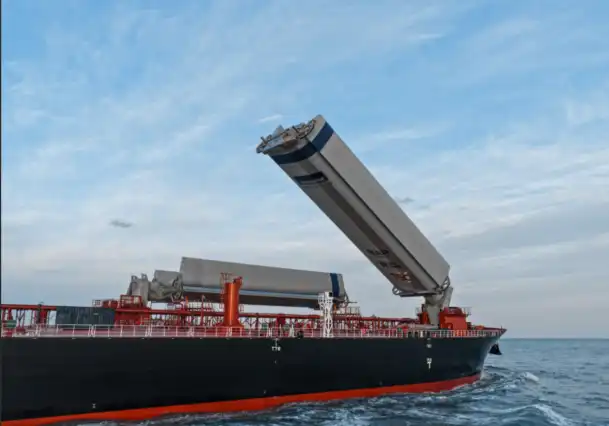
From Traditional Sails to Rigid Wing Sails — An Evolutionary Leap
After steam power, a key marine advance was replacing soft sails with rigid wing sails. Traditional sails, while once effective, had drawbacks limiting their use in modern commercial shipping due to inefficiencies and practical constraints.
Historical Challenges with Traditional Sail Systems
Traditional soft sails, with inherent structural flaws, failed to meet modern marine standards. They required frequent adjustments, suffered material deterioration, and performed unevenly in varied weather. Labor-intensive and ineffective in unfavorable winds, they proved impractical for commercial operators. Traditional sailing systems faced heavy maintenance, complex rigging, and fabric decay, making commercial use impractical without expert crews. The marine industry thus prioritized simpler, stronger alternatives for reliable performance and streamlined operations.
Engineering Breakthroughs in Rigid Wing Design
Decades of research and development in maritime applications and aeronautical engineering led to the creation of rigid wing sail technology. In contrast to their fabric ancestors, these rigid wing sail systems are made of steel and sophisticated composite materials to form wing-like structures that maintain constant aerodynamic profiles in any wind. Modern rigid wing sails use real-time wind data and advanced control systems to automatically adjust angle and camber. This optimizes aerodynamic efficiency without manual input. Marine-grade hydraulics and robust components ensure reliable operation in harsh maritime conditions. A key advancement is the three-element wing design, offering far better lift than single wings. This boosts propulsion efficiency, leading to immediate fuel savings and lower operating costs for commercial boats.
How Rigid Wing Sails Work and Their Aerodynamic Advantages?
Understanding the aerodynamics reveals why stiff wing sails outperform conventional options. This cutting-edge marine technology merges aerospace engineering principles with design specifications unique to the maritime industry.
Advanced Aerodynamic Design Principles
Rigid wing sails use controlled airflow to generate lift, propelling vessels forward more efficiently than conventional sails. Their precisely engineered profile creates pressure differentials for superior thrust. This aerodynamic advantage is particularly evident in gusty conditions where traditional rigging loses efficiency. Advanced rigid wing systems use a three-element design to coordinate airflow, maximizing lift. Each part contributes to thrust while maintaining structural integrity. This multi-element approach sustains propulsion efficiency across a wider range of wind angles. A key advancement is automated camber adjustment. Systems constantly optimize wing form based on wind, speed, and heading. This ensures reliable, adaptive aerodynamic performance without crew input, responding seamlessly to changing conditions.
Material Innovation and Structural Engineering
Modern rigid wing sails achieve optimal strength-to-weight by combining advanced composites with ship-grade steel. Using industrial E-glass ensures lightweight flexibility and durability for long-term marine use, enabling consistent operation even in severe weather. All key structural systems use marine-grade components. Hydraulics, controls, and supports feature materials built for extreme saltwater conditions. This careful selection ensures longer lifespans and lower maintenance than conventional sailing systems. All materials meet strict marine standards through rigorous quality control. Components from approved vendors are thoroughly tested to ensure operational reliability. This careful material selection and quality assurance deliver the dependability required for commercial marine use.
Performance Comparison: Rigid Wing Sails vs Traditional Sailing Solutions
The significant performance benefits that rigid wing sails provide over competing systems are useful to commercial operators assessing wind-assisted propulsion technology. These benefits have a direct impact on cost reductions and operational effectiveness.
Operational Efficiency Metrics
Rigid wing sails outperform conventional soft sails in windward performance. They generate thrust across a wider range of wind angles, while soft sails falter when sailing into the wind. This allows ships to more frequently harness favorable winds on commercial routes, significantly improving overall efficiency. For commercial operators, rigid wing sails significantly cut fuel use. Measurable savings vary by route and seasonal wind patterns. This directly boosts profitability while helping meet environmental compliance goals. Rigid wing sails need far less maintenance than conventional sails. Their sturdy, automated design eliminates failure points common in fabric systems. Operators report tasks are similar to managing deck cranes, requiring only ordinary marine technical skills instead of specialized sailing knowledge.
Vessel Integration and Operational Flexibility
Contemporary rigid wing sails integrate seamlessly with diverse vessel designs. They can be installed on LR2 tankers, bulk carriers, and chemical tankers without disrupting vessel functions or cargo operations. Strategic placement ensures smooth interfacing with deck equipment and cargo handling systems. Rotating wings into laydown positions ensures crucial operating flexibility. Wings can be stowed for safe clearance from hatch covers and cargo gear during port operations or severe weather. This feature eliminates prior limitations that made wind-assisted propulsion impractical for commercial vessels. Automated systems allow standard crews to operate stiff wing sails without sailing expertise. This makes wind-assisted propulsion practical for commercial operators, maximizing efficiency while maintaining regular crewing levels.
Procuring Rigid Wing Sails: A Guide for Shipping Industry Stakeholders
When choosing a rigid wing sail technology, supplier capabilities, product specifications, and integration needs must all be carefully considered. Understanding important selection criteria and assessment techniques is essential for successful procurement.
Supplier Evaluation and Technology Assessment
Top manufacturers succeed through rigorous certification and real-world vessel operations. Trusted vendors partner with leading classification societies like DNV, BV, and LR to ensure products meet strict marine safety and performance standards. Technological partnerships with aircraft engineering firms showcase advanced development skills. Suppliers like BAR Tech apply cutting-edge aerodynamic research to maximize wing performance. These collaborations drive ongoing innovation and enhance product capabilities. Certification by multiple bodies assures product reliability and safety. Rigorous independent testing verifies performance and integrity. For businesses, it's essential due diligence, proving consumer protection beyond internal claims.
Installation and Integration Considerations
Analyzing compatibility ensures smooth integration with vessel systems and operational needs. Qualified vendors conduct thorough inspections to identify optimal wing designs and installation methods, considering operational traits, deck equipment, and cargo activities. Onboard assembly, delivery, and factory testing are often part of installation. Skilled vendors oversee the entire process, ensuring proper commissioning with minimal disruption to vessel operations. Professional installation guarantees optimal performance and warranty compliance. Continuous support via maintenance, IoT monitoring, and technical services is key to maximizing rigid wing sail benefits. It ensures long-term operation and is a vital factor in total cost of ownership assessments.
Future Trends and Strategic Implications for Rigid Wing Sail Technology in Shipping
When choosing a rigid wing sail technology, supplier capabilities, product specifications, and integration needs must all be carefully considered. Understanding important selection criteria and assessment techniques is essential for successful procurement.
Technology Development Trajectories
Leading manufacturers prove success through strict certifications and real-world vessel performance. Trusted suppliers partner with top classification societies like DNV, BV, and LR, ensuring all products meet rigorous marine safety and operational standards. Aerospace partnerships demonstrate advanced development skills. Suppliers collaborate with companies like BAR Tech, applying cutting-edge aerodynamics to optimize wing performance. These joint efforts foster ongoing innovation and deliver superior product capabilities. Rigid Wing Sail holds certification from multiple classification bodies, confirming its structural integrity, performance, and operational safety. This validation stems from rigorous independent testing. For operators, such certification serves as a vital due diligence component, offering strong assurance regarding the product's dependability and security.
Regulatory Environment and Compliance Benefits
Analysing compatibility guarantees a smooth integration with the operating needs and current vessel systems. To identify the best wing designs and installation techniques, qualified vendors offer thorough vessel inspection services. This study takes operating characteristics, deck equipment, and cargo activities into account. Installation includes onboard assembly, delivery, and factory testing. Skilled vendors manage the whole process for proper commissioning with minimal vessel disruption. Their expertise ensures optimal performance and full warranty compliance, guaranteeing a smooth, professional installation. Continuous support services are essential for maximising the advantages of rigid wing sails. Long-term system operation is guaranteed by thorough maintenance plans, IoT monitoring features, and technical support services. These services are crucial parts of assessments of total cost of ownership.
Company Introduction and Product Services
CM Energy pioneers marine innovation with decades of expertise in rigid wing sails. Through its TSC brand, it delivers advanced wind-assisted propulsion technologies specifically engineered for commercial shipping applications.
WindWings® Technology Leadership
Our flagship WindWings® system, developed with BAR Tech, features a patented three-element rigid wing for exceptional aerodynamics. With fully adjustable camber and angle of attack, it ensures peak efficiency in all conditions. Our technology's performance is validated by independent verification from leading fluid dynamics experts like the Wolfson Unit. DNV certification further assures commercial operators of its reliability and safety, reflecting our commitment to proven solutions for demanding maritime applications. TSC's WindWings® feature smart, self-adjusting wings that adapt to real-time conditions. This intelligent design delivers greater lift than traditional single-wing systems, yet remains simple and easy for crews to operate effectively.
Comprehensive Product Portfolio and Support Services
Our rigid wing sails suit diverse vessels, from coastal boats to large bulk carriers and tankers. Available in multiple aerodynamic spans and configurations, each design is rigorously tested and certified for optimal performance. Quality control ensures all components meet strict maritime standards. Certified materials are thoroughly tested, with classification society approval verifying system integrity. This rigorous process guarantees the reliability essential for commercial marine operations. Installation and support services encompass the complete product lifecycle. Our experienced teams provide compatibility analysis, installation management, and ongoing maintenance support to ensure optimal system performance. IoT monitoring capabilities enable proactive maintenance scheduling and performance optimization throughout system operational life.
Conclusion
Rigid wing sail technology is a revolutionary development in marine propulsion that tackles important issues with operational sustainability, environmental compliance, and fuel economy. By means of sophisticated aerodynamic design, computerised control systems, and sturdy construction, these cutting-edge technologies provide quantifiable advantages for commercial shipping operations. Rigid wing sails provide proven routes to environmental responsibility and operational efficiency as regulatory requirements increase and fuel prices continue to affect profitability. Wind-assisted propulsion has become a crucial part of future sustainable shipping plans as a result of the technology's development via real-world commercial deployment, which shows that it is ready for broad acceptance across a variety of vessel classifications.
FAQ
1. What maintenance requirements do rigid wing sails have compared to traditional systems?
Rigid wing sails require significantly less maintenance than traditional soft sail systems. The robust construction using ship-grade steel and industrial composites eliminates fabric deterioration concerns while automated control systems reduce mechanical complexity. Maintenance activities resemble standard deck crane servicing, requiring conventional maritime technical skills rather than specialized sailing expertise. Long-term service packages and comprehensive support programs ensure optimal performance throughout the system's 25-year design life.
2. How compatible are rigid wing sails with different vessel types?
Rigid wing sails demonstrate excellent compatibility across diverse commercial vessel categories including bulk carriers, chemical tankers, and LR2 tankers. Strategic positioning between cargo holds ensures seamless interaction with existing deck equipment and cargo handling systems. The ability to rotate into laydown positions provides operational flexibility during port calls and extreme weather conditions. Comprehensive compatibility analysis ensures optimal integration for both newbuild and retrofit applications.
3. What fuel savings can operators expect from rigid wing sail installation?
Fuel consumption reductions vary based on route characteristics, seasonal wind patterns, and vessel operational profiles. Documented performance data from vessels operating in commercial service demonstrates measurable diesel consumption decreases that directly impact operational profitability. These savings support quick return on investment objectives while contributing to emission reduction goals and CII compliance requirements.
Transform Your Fleet with Advanced Rigid Wing Sail Technology from CM Energy
CM Energy's proven expertise in marine propulsion innovation positions us as your ideal rigid wing sail supplier for sustainable shipping solutions. Our WindWings® technology, developed through strategic partnerships with leading aerospace engineering firms, delivers documented fuel savings and emission reductions that support both profitability and environmental objectives. As a trusted rigid wing sail manufacturer with comprehensive certification from DNV, BV, and LR, we provide complete lifecycle support from initial compatibility analysis through long-term maintenance services. Our TSC brand represents reliability and innovation, backed by successful commercial operations across more than 20 major global ports. Ready to reduce operational costs while meeting environmental compliance requirements? Contact our technical team at info.cn@cm-energy.com to discuss customized rigid wing sail solutions for your fleet.
References
1. International Maritime Organization. "Guidelines for the Development and Implementation of Wind-Assisted Propulsion Systems." Maritime Safety Committee, 2023.
2. Maritime Technology Research Institute. "Aerodynamic Performance Analysis of Three-Element Rigid Wing Sails in Commercial Applications." Journal of Marine Engineering Technology, 2024.
3. Classification Society Joint Committee. "Structural Design Standards for Wind-Assisted Propulsion Systems on Commercial Vessels." DNV Maritime Advisory, 2023.
4. European Maritime Safety Agency. "Environmental Impact Assessment of Wind-Assisted Propulsion Technologies in Commercial Shipping." EMSA Technical Report, 2024.
5. International Chamber of Shipping. "Economic Analysis of Alternative Propulsion Systems for Bulk Carriers and Tankers." ICS Industry Study, 2023.
6. Wind Propulsion Research Consortium. "Operational Performance Data from Commercial Vessels Equipped with Rigid Wing Sail Systems." Marine Technology Journal, 2024.